Protein supports body recomposition by helping you maintain or build muscle while your training and energy intake support changes in body fat. You may see little movement on the scale even when your body composition changes. The goal is a better balance of muscle and fat, rather than the fastest possible drop in body weight.
A convenient protein serving can make that plan easier. One Science Nutrition ISO Gold gives you a concentrated whey option, while One Science Nutrition Premium Whey offers a concentrate-and-isolate blend with varied flavours. Use the suitable product to fill a food gap, keeping the energy from the shake inside the wider plan instead of adding it without thought.
What would progress actually look like?
Imagine your clothes fitting differently and your exercises becoming stronger while your average weight changes only a little. That can be consistent with improved body composition, although no single observation proves exactly how much fat or muscle changed. The scale measures total weight, which includes water and other tissues too.
Recomposition is often discussed as losing fat and gaining muscle together. How achievable that is depends on your starting point, training experience, food intake and recovery. A beginner and a lean, experienced lifter won't necessarily respond in the same way or at the same speed.
That makes the first decision personal: are you trying to improve strength and habits while gradually reducing fat, or do you need a clearer single priority? A qualified coach or dietitian can help choose a realistic approach. You don't need to force simultaneous dramatic changes because a transformation photo suggests they should happen quickly.
Protein helps, but the training gives it a job
Resistance training provides a reason for muscle to adapt. Protein provides amino acids used to make and maintain body proteins. You need both a suitable exercise programme and enough food to support it; increasing protein while training becomes less consistent doesn't resolve the whole problem.
Build a programme you can repeat and progress appropriately. Track the exercises, the work completed and how well you recover between sessions. More soreness is not a reliable measure of better muscle growth, and making every workout harder can become counterproductive if you can no longer recover.
Keep carbohydrate and dietary fat in the picture. If you remove large amounts of familiar food to make room for more powder, you can end up with a plan that looks high in protein but leaves training and everyday life feeling difficult. The meal still needs to be a meal.
What research can show, and what it cannot promise
In a four-week trial by Thomas Longland and colleagues, young men followed a substantial energy deficit and a high-volume programme combining resistance and interval exercise. The higher-protein group gained more lean mass and lost more fat than the lower-protein group. There were 20 men per group, and the programme involved exercise six days a week.
That is evidence that recomposition can occur under particular conditions. It isn't a reason to copy the study's severe deficit, exercise volume or protein dose without help. Lean-mass measurements also include more than muscle alone, so a research result shouldn't become a promised amount of new muscle for every reader.
The useful lesson is the combination of nutrition and training, with realistic expectations. You can take that lesson into a manageable plan without turning a short, tightly controlled experiment into a month-long challenge you must complete.

Give the day a protein structure you can eat
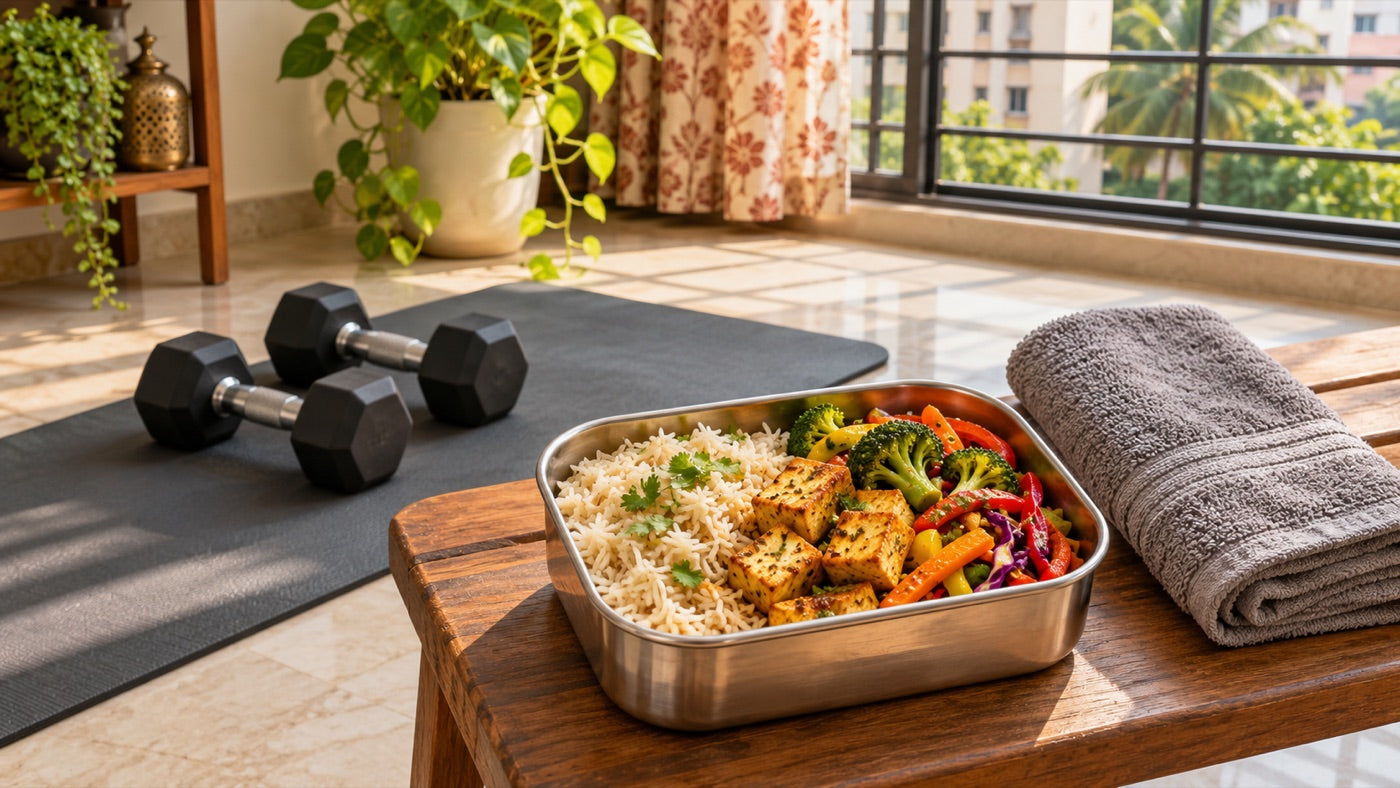
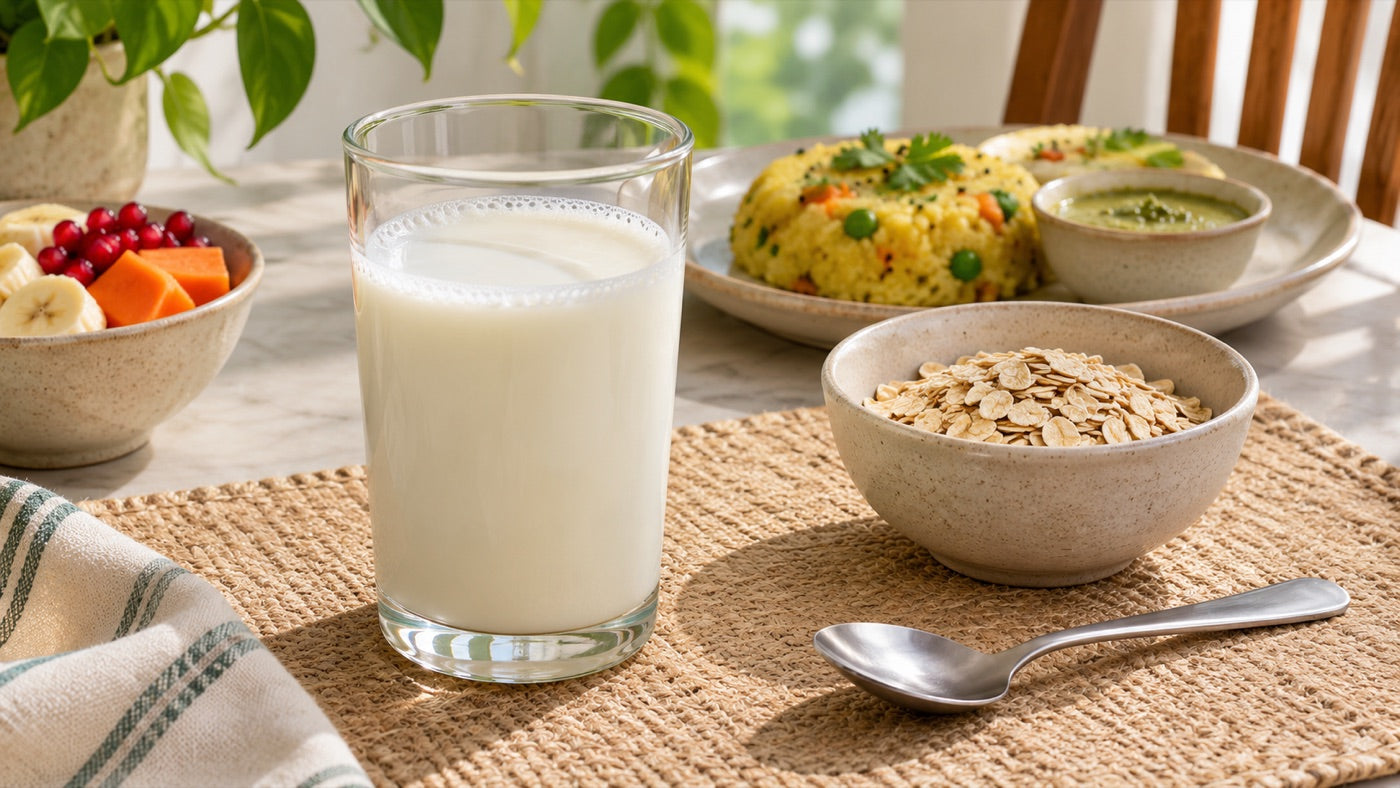
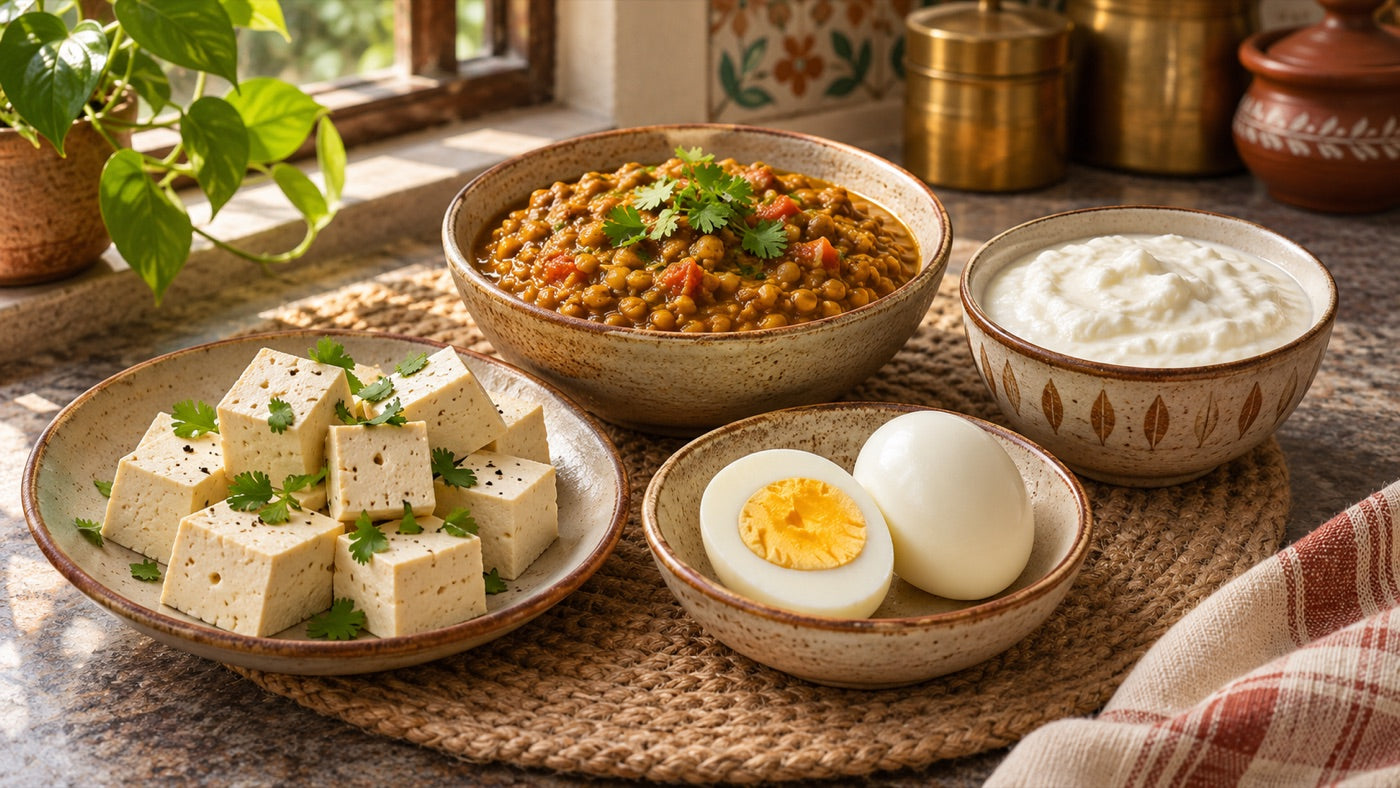
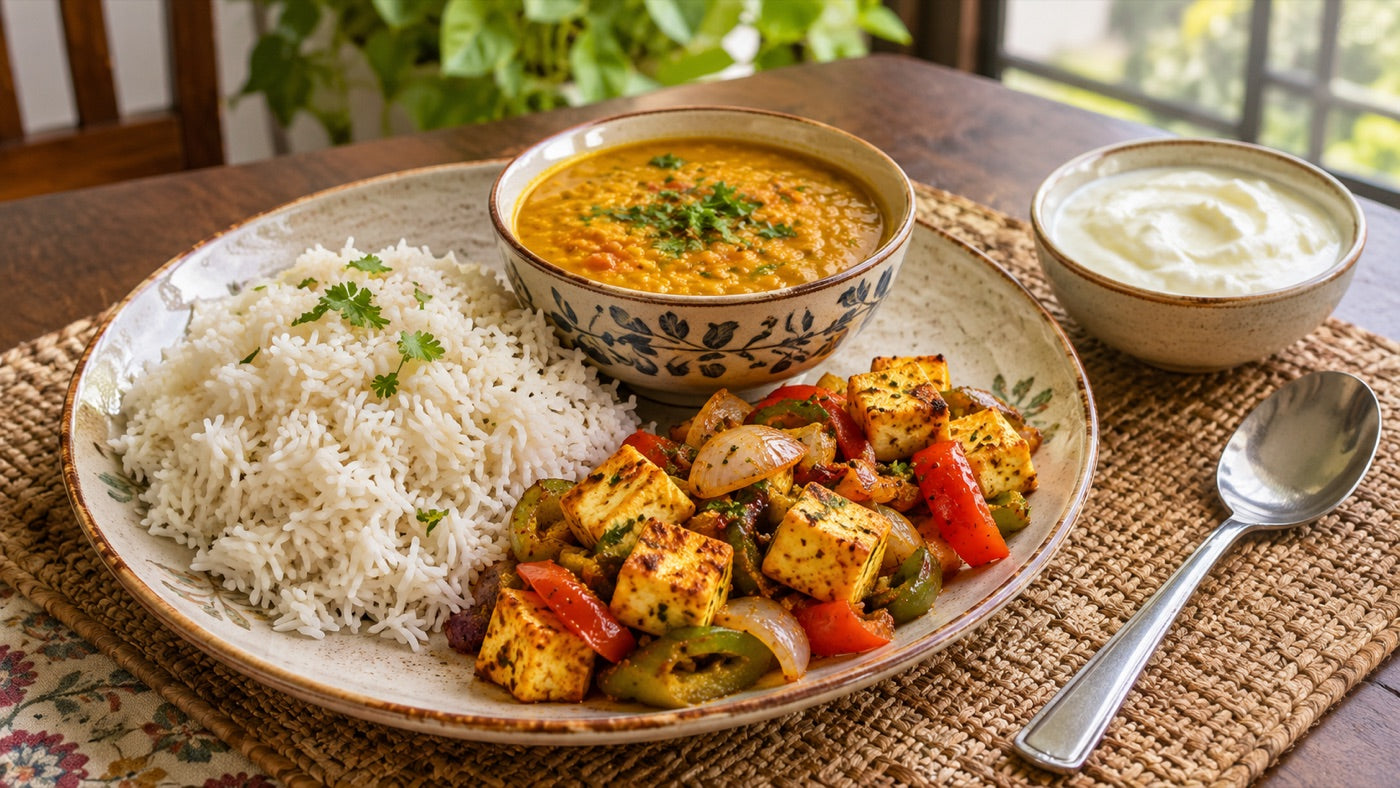
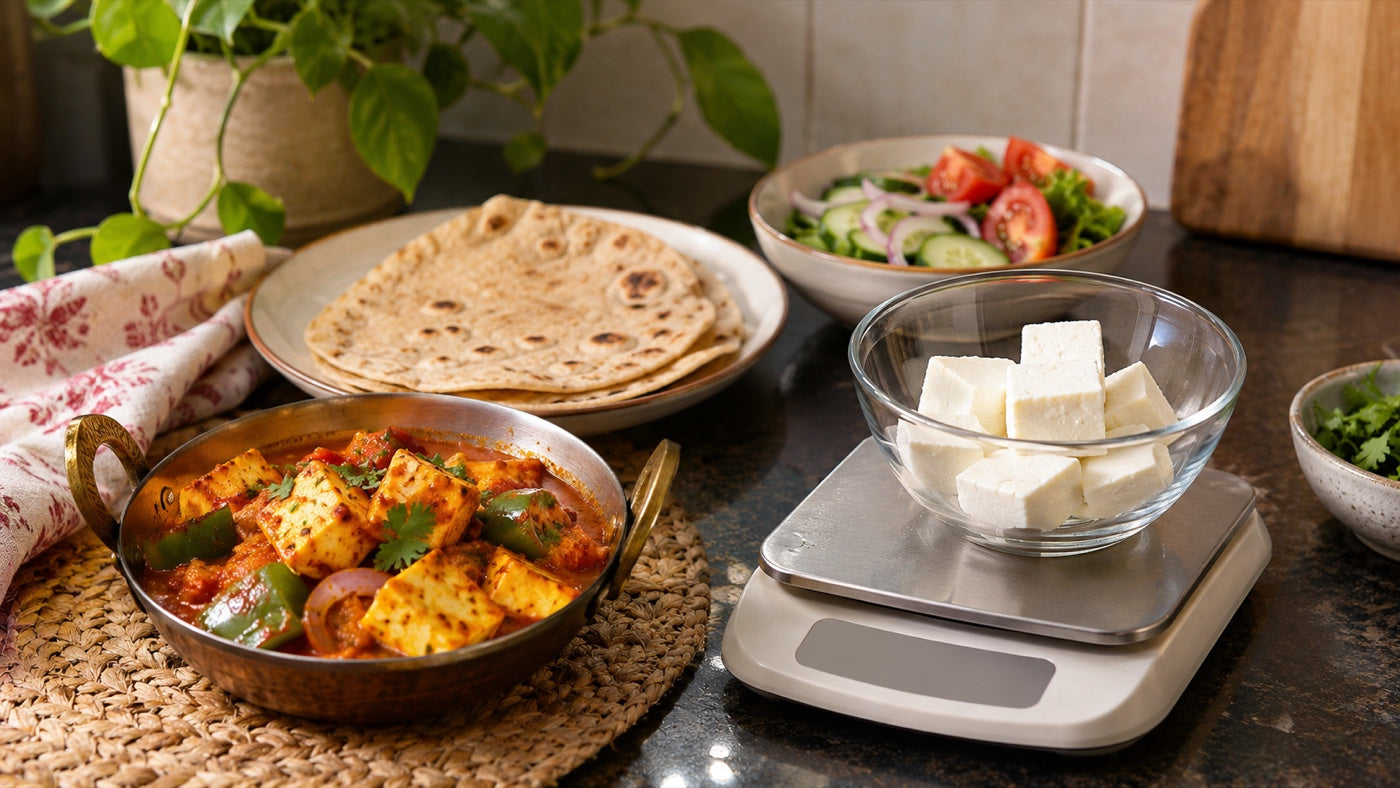
Start with the meals you already have. Breakfast might include curd, eggs, tofu or another substantial protein food. Lunch and dinner can use pulses, soy, dairy, fish or meat according to your preferences. Choose enough of the protein-containing food to make it a meaningful part of the meal.
For many healthy exercising adults, the ISSN protein guidance gives a general range of 1.4 to 2.0 g per kg of body weight daily. Individual needs can differ, especially during energy restriction. It is a starting context for professional planning, not a prescription for every person pursuing fat loss.
If a suitable daily target has been agreed, divide it into realistic eating opportunities rather than saving most of it for dinner. You don't have to make each meal identical. Look for a pattern you can maintain across workdays, training days and weekends, with enough flexibility to eat socially too.
The Chocolate serving of One Science Nutrition ISO Gold provides 27 g of protein and 113 kcal in 32.5 g of powder, with 0.5 g carbohydrate and 0.3 g fat. The formula combines whey isolate and hydrolysed whey. That serving can be useful when you want an easy protein drink while managing the overall energy in the day.
For example, you might already enjoy a rice-and-dal lunch but find that preparing another protein snack is impractical. One Science Nutrition ISO Gold can help with that later eating occasion without requiring you to remove the lunch. The protein serving is convenient; the wider food plan still determines how much energy you consume overall.
Prepare One Science Nutrition ISO Gold using the selected pack's directions and count added milk separately. It contains milk, is unsuitable for milk allergy and isn't recommended for children or during pregnancy or breastfeeding. Its isolate-containing blend should not be treated as a guarantee of lactose-free status or comfortable digestion for everyone.
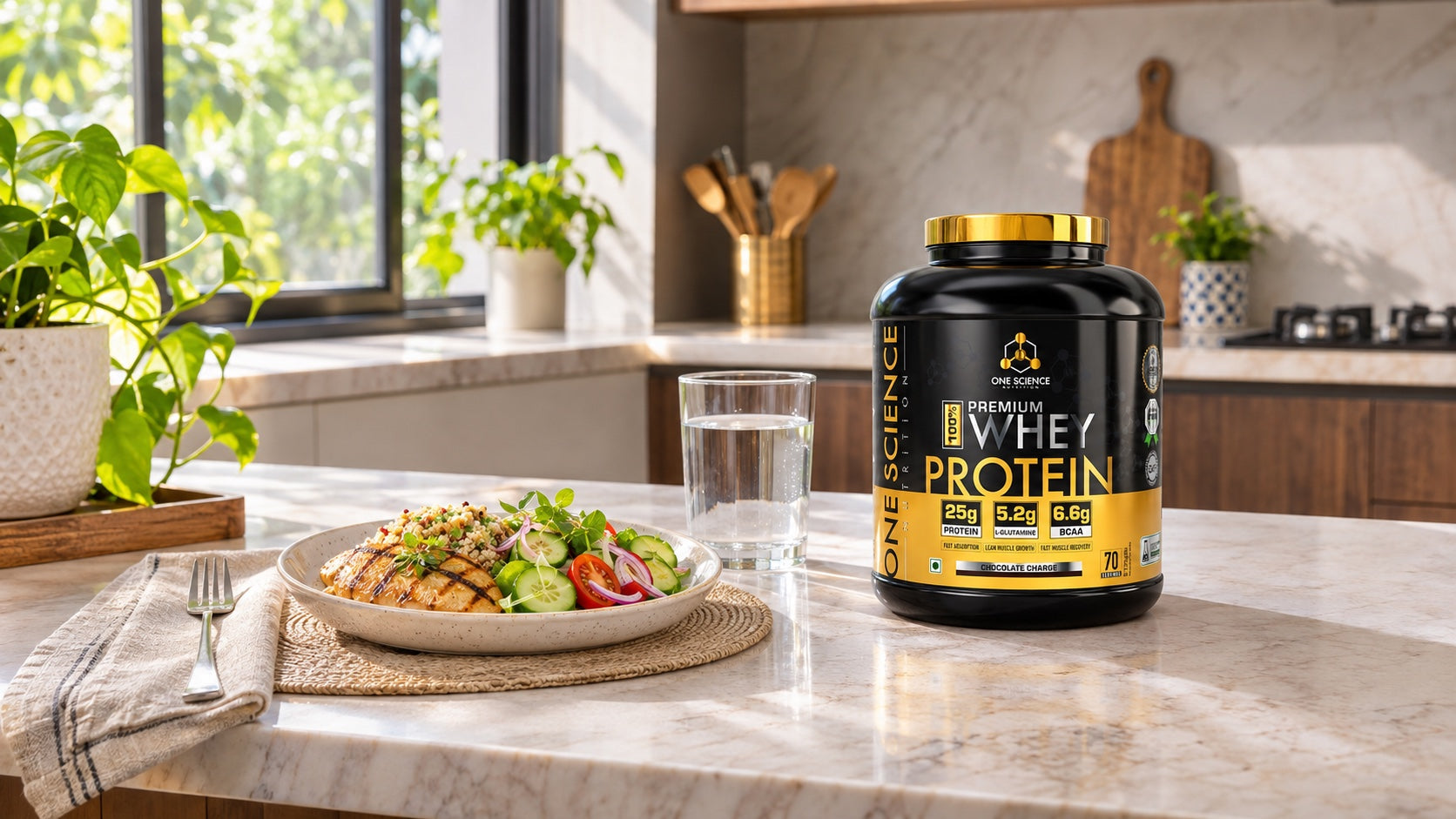
One Science Nutrition Premium Whey combines whey concentrate and isolate. Its Chocolate Charge serving provides 25 g of protein and 117 kcal in 32.5 g of powder. You can choose that measured serving when it makes the plan easier, without assuming that recomposition requires every supplement to contain isolate alone.
Flavours including Chocolate Charge, Vanilla Swirl and Alphonso Mango give you options for an ordinary daily routine. Enjoying the preparation can help you keep a useful habit. You don't need to add several extra ingredients unless they serve your food preferences and energy needs as well.
One Science Nutrition Premium Whey contains milk and soy and is unsuitable for milk allergy. It isn't recommended for children or during pregnancy or breastfeeding. Choose between One Science Nutrition Premium Whey and One Science Nutrition ISO Gold according to your preferences and requirements; taking both is not an automatic way to accelerate progress.
Track more than one signal, then adjust patiently
Use average weight trends, consistent waist measurements and your training record together. If you use photos, keep the lighting and conditions similar and treat them as one imperfect observation. A change in hydration or posture can make a single comparison look more dramatic than the underlying change.
Give a stable routine enough time to assess it. If strength, energy and recovery keep declining, making the deficit harsher may not be the useful next move. Review the food, workload and sleep with appropriate support rather than responding to every flat weigh-in by cutting another meal.
Our protein and meal-timing guide can help you organise the eating side. Explore One Science Nutrition ISO Goldor One Science Nutrition Premium Whey when a convenient whey serving has a clear role. Let the product make the plan easier to repeat while the training, food and recovery do their work over time.