Creatine monohydrate is one of the most studied forms of creatine. It is commonly used by people doing repeated, high-intensity exercise, including strength training. The simple way to approach it is to understand what it may support, read the exact amount in the product serving, and follow the label rather than inventing a complicated routine.
Creatine is not a steroid and it is not a protein. The body makes some creatine and also gets it from foods such as meat and fish. Supplementing monohydrate can increase creatine stored in muscle. That matters most for short bursts of demanding work where the body needs to rapidly replenish energy.
What does creatine do?
Muscle uses adenosine triphosphate, or ATP, as an immediate energy source. During a hard effort, ATP is used quickly. Creatine stored in muscle helps regenerate ATP for short, intense efforts. This is one reason researchers have studied creatine in repeated sprinting and resistance training.
It is not a stimulant. You should not expect a sudden buzz or an instant lift in strength from a first serving. Any benefit depends on regular use, the exercise being performed and the person. Creatine is less likely to be useful for every activity in the same way, and it does not replace training quality, food, sleep or hydration.
The US National Institutes of Health Office of Dietary Supplements describes evidence for creatine monohydrate in high-intensity exercise and notes that other forms have not been shown to outperform monohydrate consistently. Its professional fact sheet summarizes loading and gradual daily protocols, but an article cannot determine which amount is appropriate for a particular person. Read the NIH overview of creatine and performance.
How much creatine is in a serving?
Read the ingredient and nutrition information carefully. A scoop's total powder weight is not always the same as its creatine amount, especially in blends that include more than one form or other ingredients.
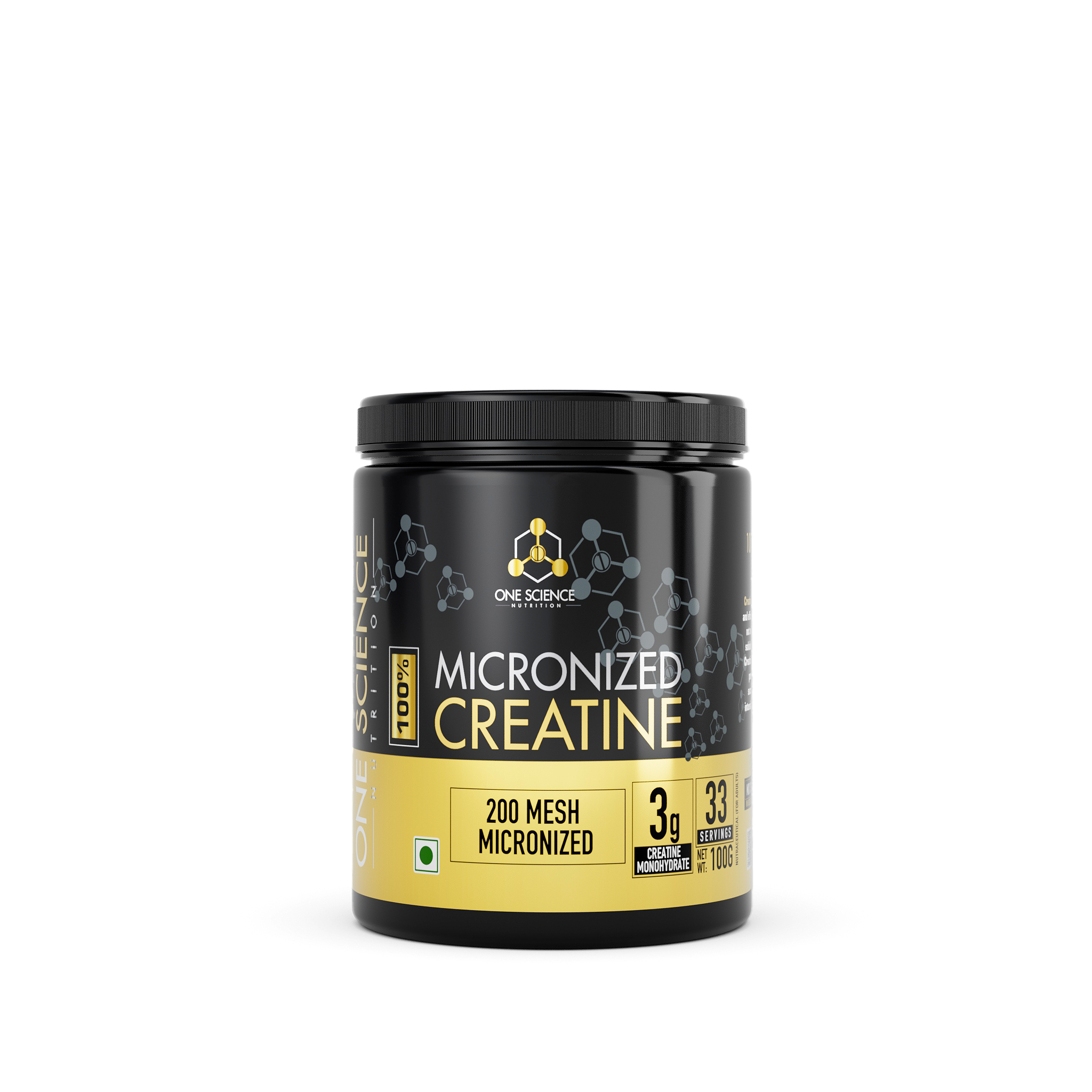
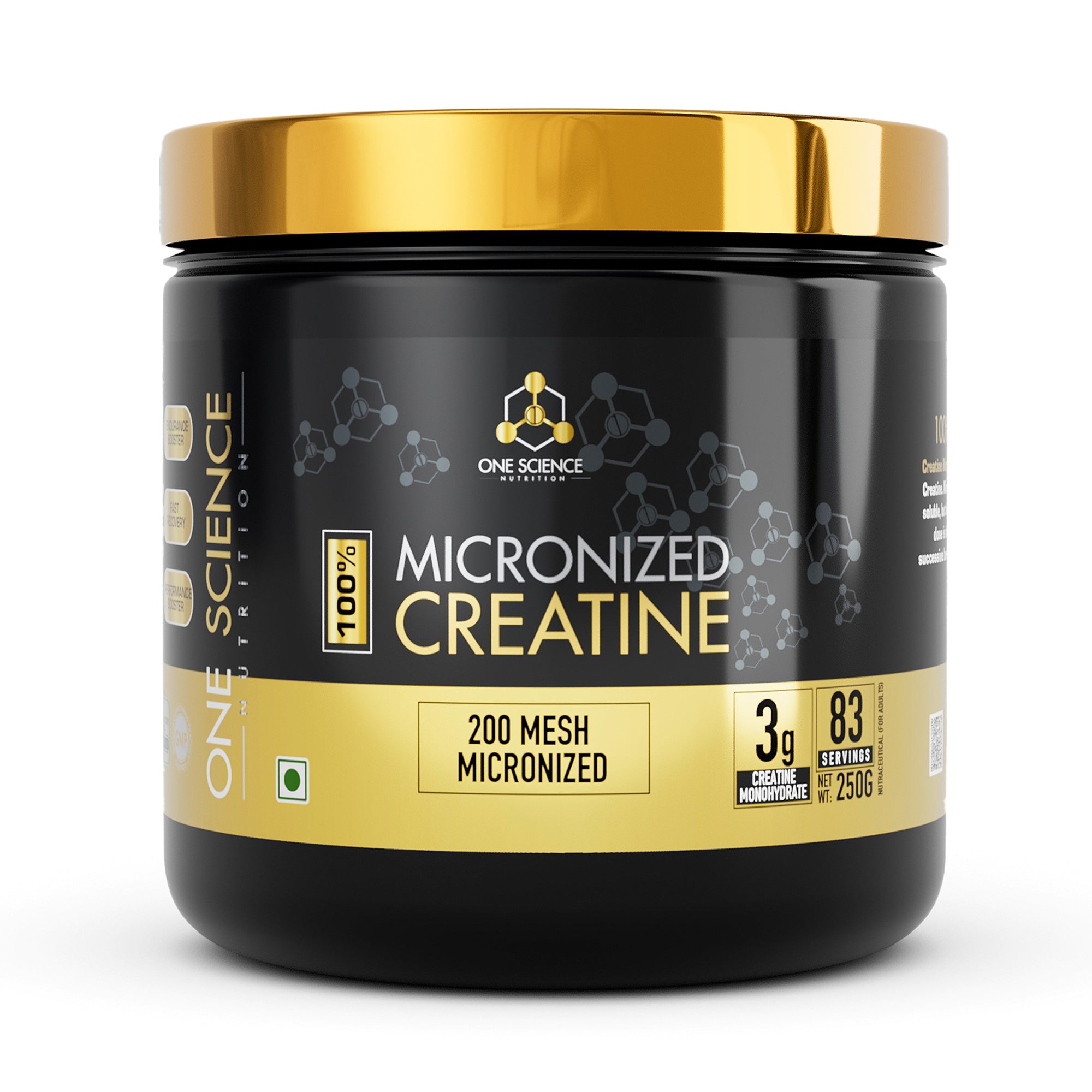
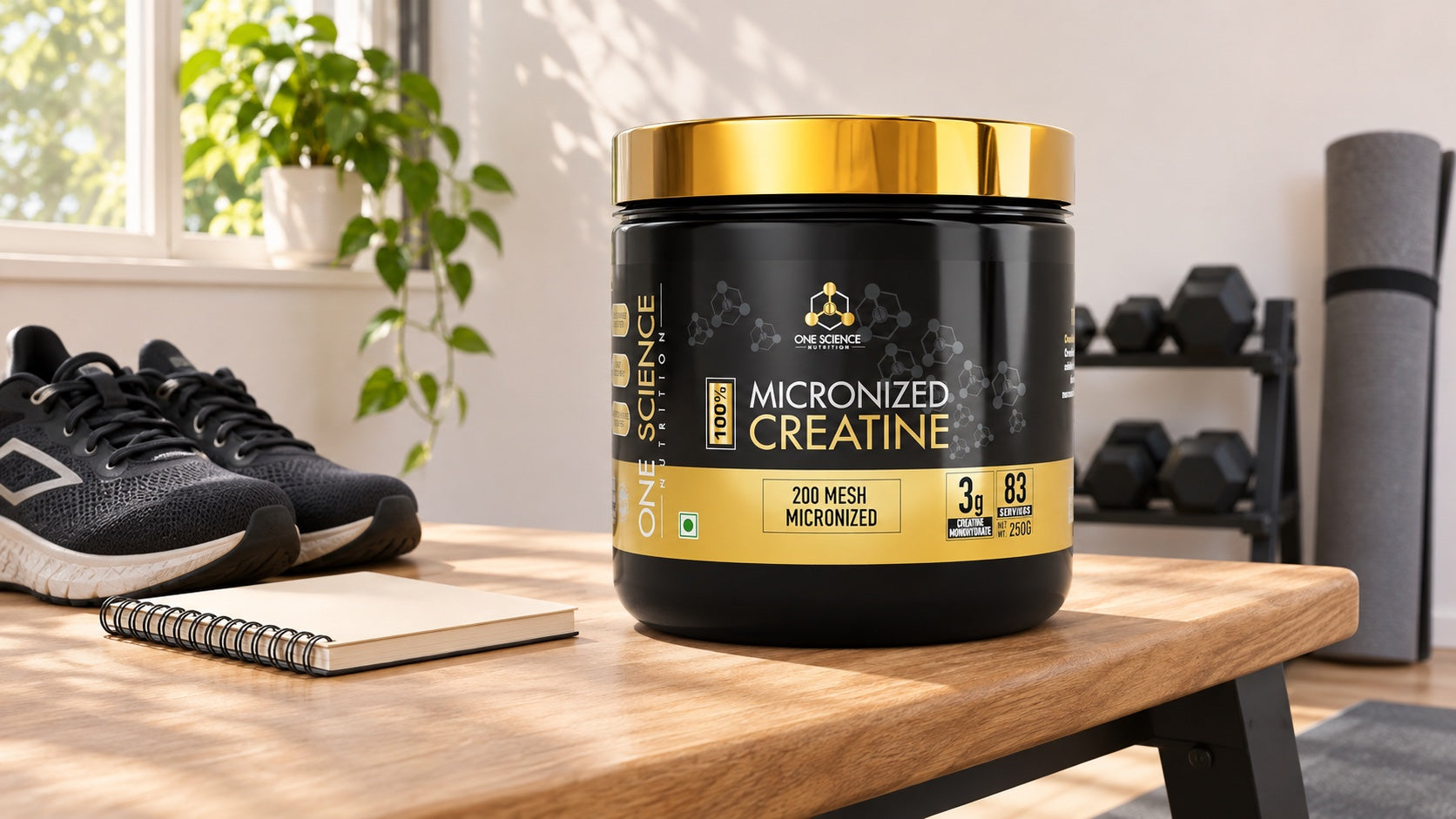
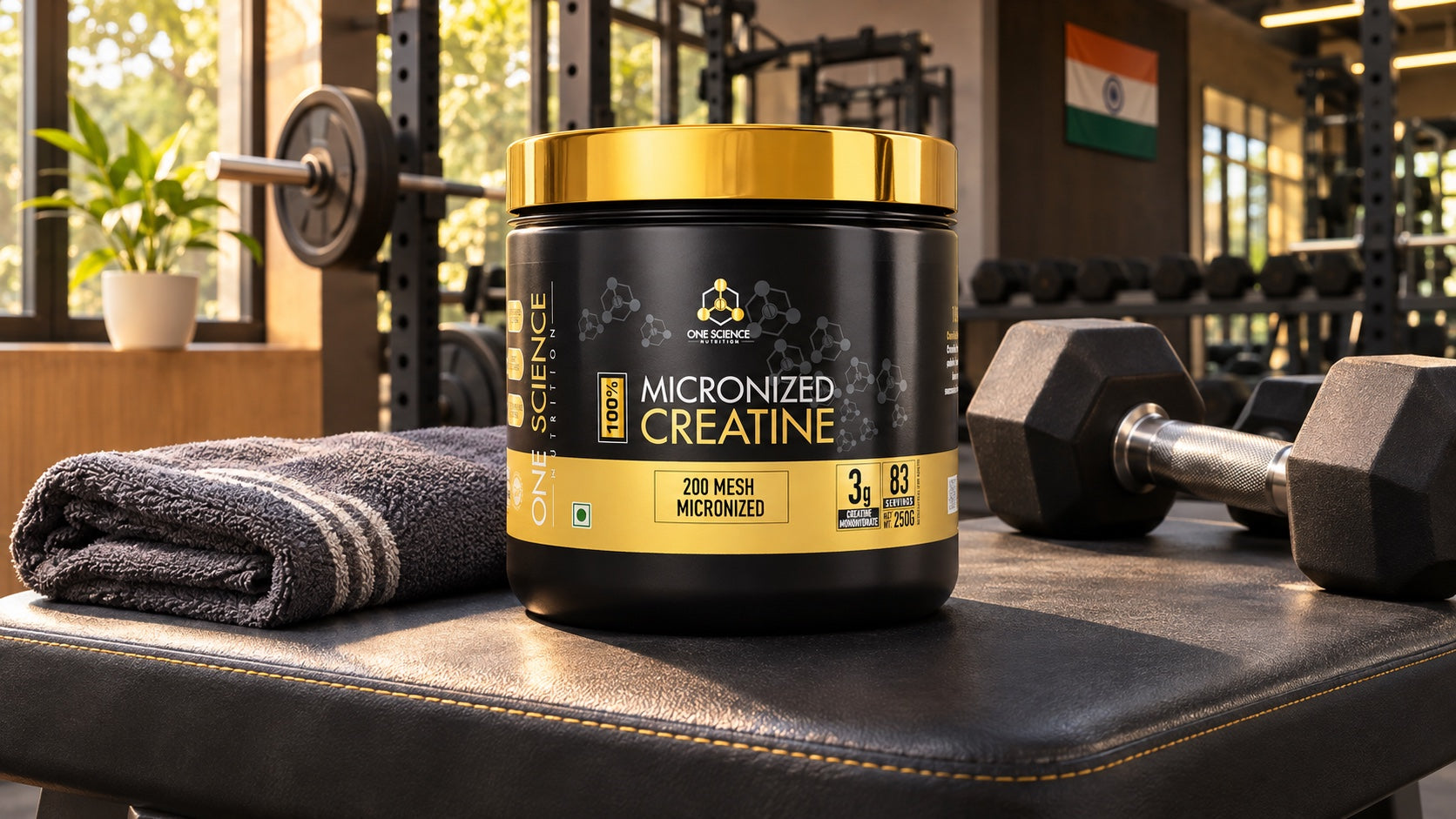
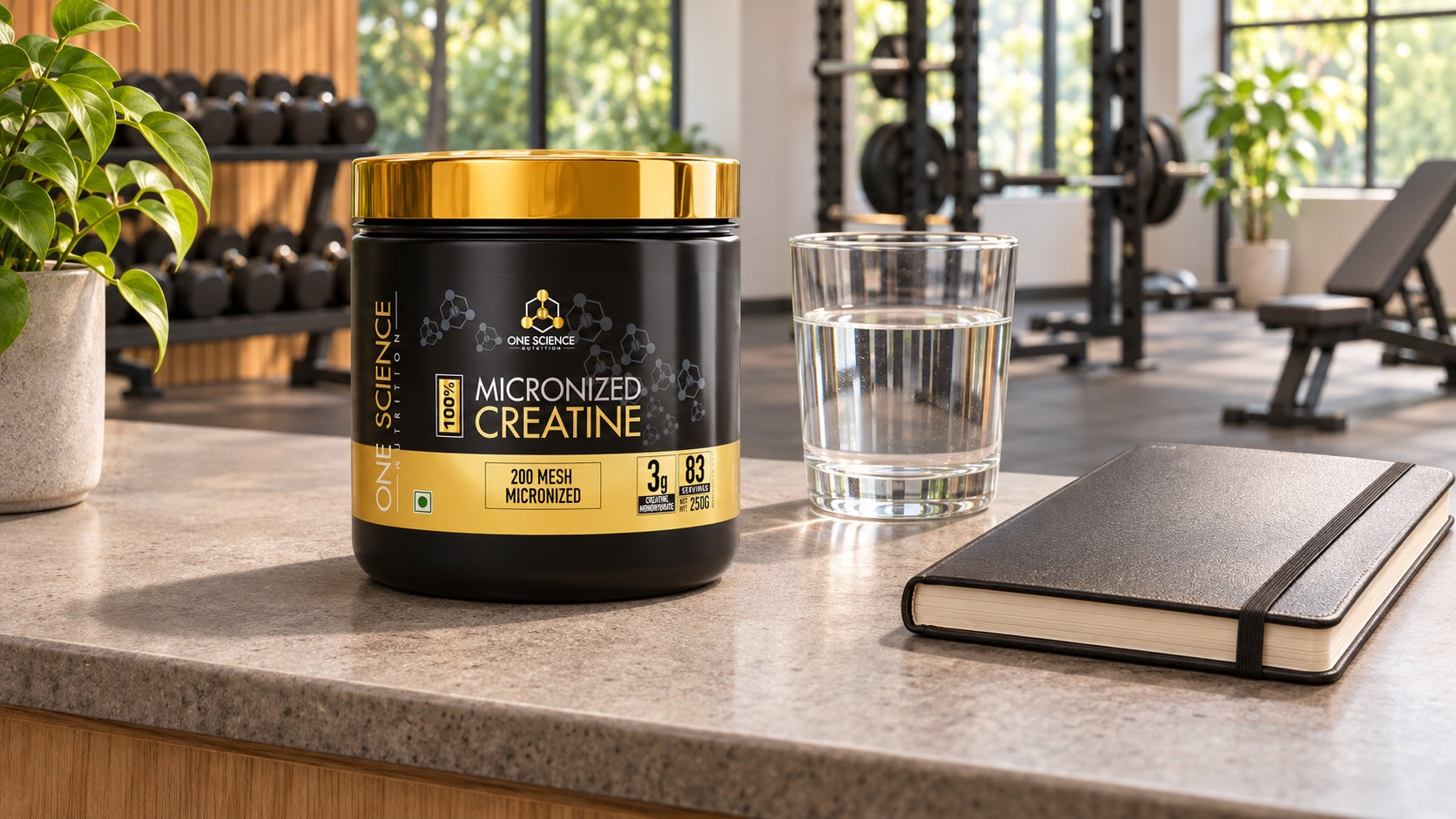
One Science Nutrition Micronized Creatine lists 3 g of creatine monohydrate in a 3 g serving on its product information. The product page gives directions for one daily serving. Follow the current pack directions and do not increase the serving because you think more will work faster. If a professional gives you different advice, check the product and the plan together.
The current One Science Nutrition Micronized Creatine listing is available here. The URL or product title alone does not verify a pack size; check the selected option and current label before purchase. The product is plain monohydrate, while flavours, pack sizes and listings across a store may differ.
Is a loading phase necessary?
No. Loading is one research-used approach, not a required first step for everyone. Some protocols use a brief higher intake divided across the day before moving to a lower daily amount. A gradual daily approach can also increase muscle creatine over time, though it takes longer to reach a similar level. The right choice depends on your circumstances and the product directions.
Do not copy a research protocol by stacking multiple products or multiplying the serving on a label. If a product already includes creatine, count that source before considering another. One Science Nutrition Nitra Whey, for example, includes creatine in its product formula. Combining products without checking all active ingredients can make it easy to take more than intended.
When should you take it?
Consistency is more practical than searching for a perfect minute. Choose a time you can remember and follow the package. Some people take a daily serving with a meal, others after training. Evidence does not establish that everyone must take creatine immediately before or after a workout.
Mix the powder as directed. If you miss a day, do not double the next serving unless your product's current directions or clinician specifically says so. Keep the container closed and store it as instructed on the label.
What changes might you notice?
Scale weight can move when muscle creatine stores increase because the body may retain more water within muscle. That change does not automatically mean body fat has increased. It also does not prove that new muscle has been built. If you track body composition, compare trends over time and use more than one signal, such as training logs, measurements and how clothes fit.
Some people report stomach discomfort. Taking more than the serving, taking a large amount at once, or using a product that does not suit you may make use uncomfortable. Stop and seek qualified advice if symptoms are persistent or concerning.
Who should ask a professional first?
If you have a medical condition, take medication, are pregnant or breastfeeding, are under 18, or have been told to limit supplements, ask a qualified clinician before use. Tell healthcare professionals that you take creatine if you have blood tests or medical assessments. Do not use internet advice to interpret kidney or other lab results.
Creatine products are not automatically suitable for everyone. Follow the warning on the selected pack. A product page may change, and the physical label for your chosen flavour or size is the practical reference at purchase.
A simple checklist
Before starting, decide what kind of training you do and why you are considering creatine. Check whether the formula is plain monohydrate or a blend. Confirm the actual creatine amount per serving, the serving directions, the warnings and the other ingredients. If you have health questions, ask a qualified professional.
One Science Nutrition Micronized Creatine offers a straightforward monohydrate option for people who want a single-ingredient creatine product. Its label lists 3 g creatine monohydrate per 3 g serving. That tells you what the serving contains; it does not promise a particular strength gain. Pair any supplement decision with a consistent training plan, enough food and time to recover.
If you are comparing creatine products, check whether the label names monohydrate alone or combines it with other ingredients. A blend can still provide creatine, but its total scoop weight can include flavouring and other components. Look for the amount of each creatine form, not a large front-of-pack powder number. Also compare the product's current warning panel and instructions, because an older review or a listing title may not reflect the pack currently offered.
Do not confuse micronized powder with a separate type of creatine. Micronizing describes the particle size of the powder. The One Science Nutrition Micronized Creatine product remains a monohydrate option; the label's 3 g serving is the detail that matters when you compare it with another product. A scoop size, number of servings or flavour name cannot tell you how many grams of creatine are present unless the label says so.
The habit itself can stay simple. Choose a consistent time, use the stated serving, and pay attention to how you feel. If the routine causes discomfort or raises a health question, do not force it. A supplement is optional. You can train seriously without using every product that appears in a gym conversation.