Amino acids support muscle growth because they are used to build muscle proteins. Resistance training creates a reason for muscle to adapt, while food supplies the materials. The important question is whether your overall diet provides enough suitable protein, rather than whether you own a separate product with amino acids written on the front.
One Science Nutrition Premium Whey supplies amino acids within a whey-protein serving. One Science Nutrition Pea Protein offers a pea-derived protein serving for a different dietary preference. You can choose either to make protein intake easier while keeping ordinary meals and consistent training at the centre of the plan.
Follow a protein meal beyond the plate
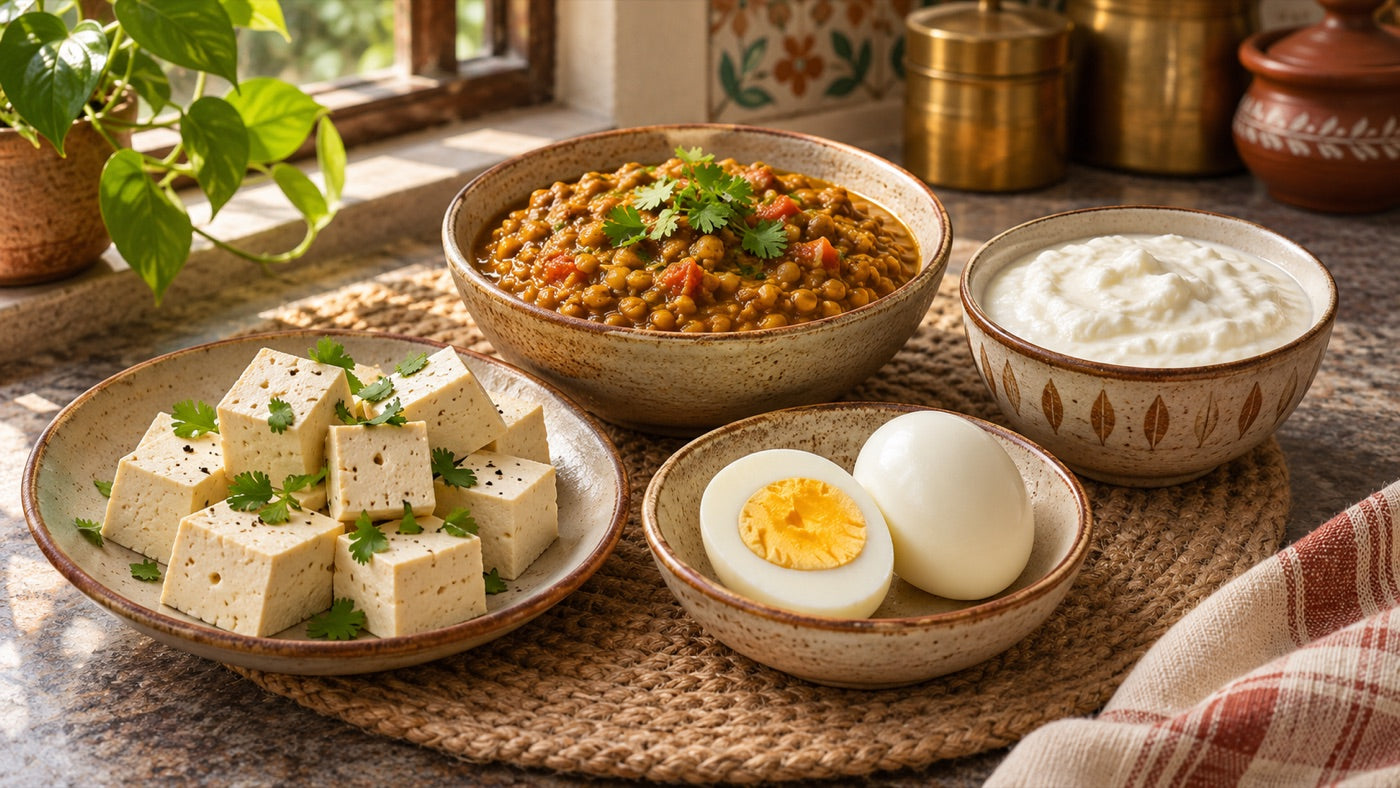
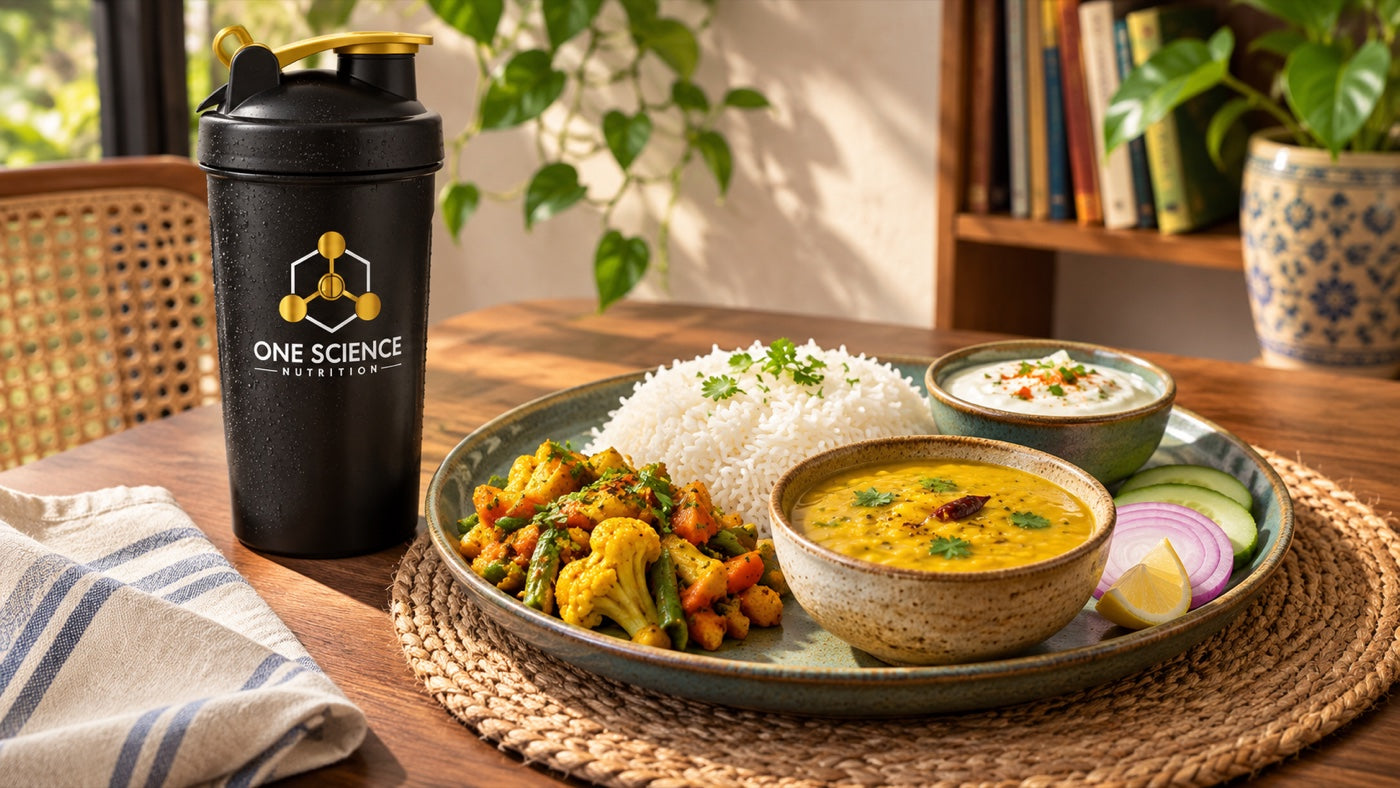
Think of a lunch that contains dal, curd or tofu alongside rice and vegetables. Protein from the food is digested into smaller parts, including amino acids. Those amino acids can be used for many jobs in the body, including making and maintaining muscle proteins. They don't go exclusively to the muscles you trained that morning.
Muscle protein is continually being made and broken down. Training and nutrition influence that turnover, but a temporary rise in protein synthesis isn't the same as a visible amount of new muscle overnight. Growth reflects repeated periods of appropriate training, food and recovery across time.
That is why an ordinary meal still matters between workouts. A day off from lifting isn't a day when amino acids become unnecessary. Keep a sensible food pattern rather than reserving all your protein-containing meals for the days when the gym session feels especially demanding.
Why the essential amino acids matter
Your body can make some amino acids, but nine essential amino acids must come from your diet in sufficient amounts. Leucine is one of them. It helps signal muscle protein synthesis, while the full range of amino acids is needed to build the proteins involved.
Leucine, isoleucine and valine are the three branched-chain amino acids, often called BCAAs. That group belongs inside the wider essential-amino-acid picture. Knowing the abbreviation is useful, but it doesn't make the three a complete replacement for a protein-containing meal or all the other essential amino acids.
Different protein sources supply different proportions. Whey and soy contain all nine essential amino acids, while a varied plant-based diet can combine sources across the day. Our protein-quality guide explains those differences without turning every meal into a calculation of individual amino acids.
Faster availability is not the same as more muscle
You may see supplements promoted around speed: how quickly an ingredient reaches the blood or how fast a drink is absorbed. Those measurements can help researchers understand digestion. They don't automatically show that the fastest option builds more muscle over months of training.
Michelle Weijzen and colleagues studied free amino acids versus intact milk protein in 24 healthy young adults. Free amino acids became available more rapidly, but muscle protein synthesis over the six-hour measurement period did not differ between treatments. It was an acute comparison, not a long-term trial of commercial supplements.
The result is useful because it separates a faster process from a better long-term outcome. You can value a convenient product without needing every step of digestion to happen at maximum speed. Enough suitable protein and a repeatable food pattern deserve attention before the most technical marketing claim.

Make a protein meal substantial enough to help
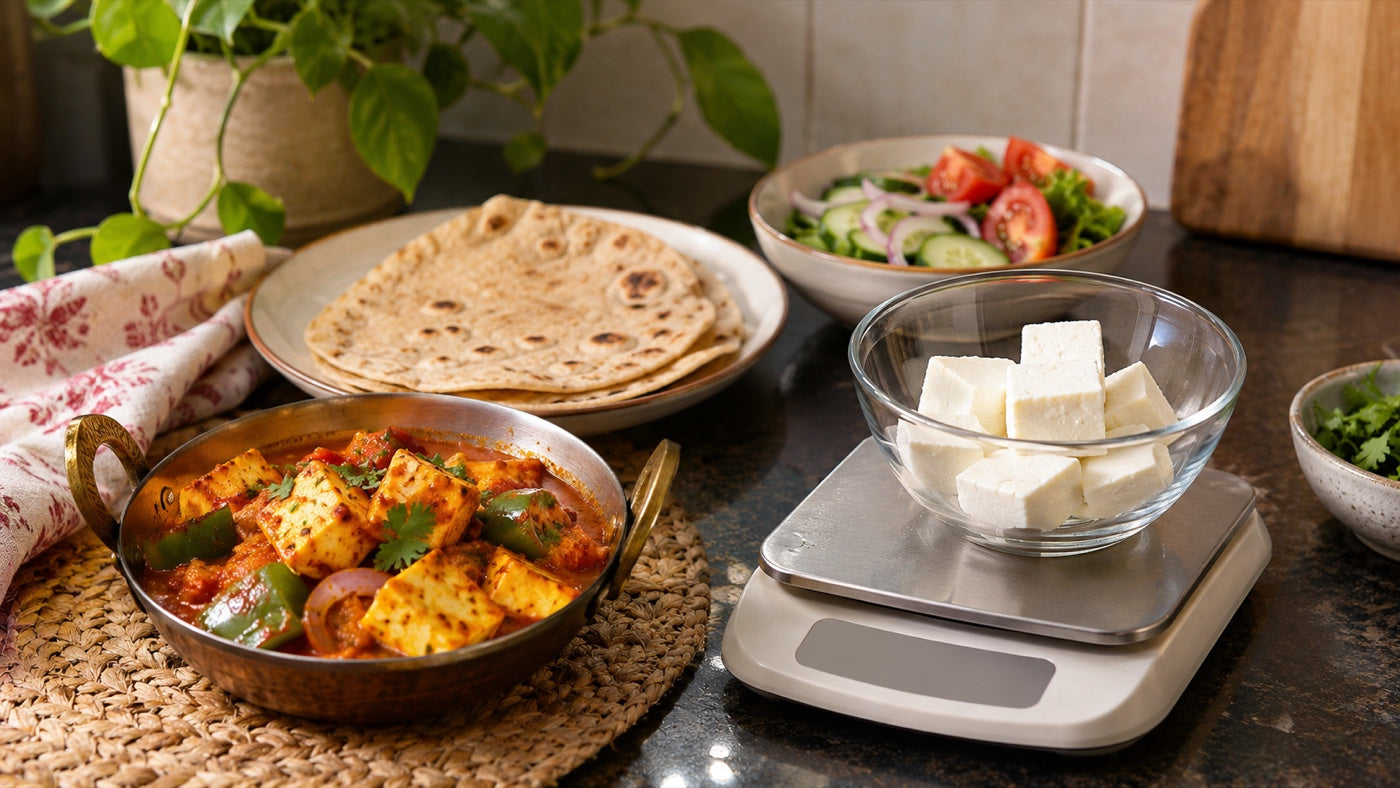
A meal can contain a protein food without containing much of it. A few paneer cubes or a spoonful of dal used as a sauce may contribute less than you expect. The portion matters, and the rest of the meal needs enough food to support the training you're doing.
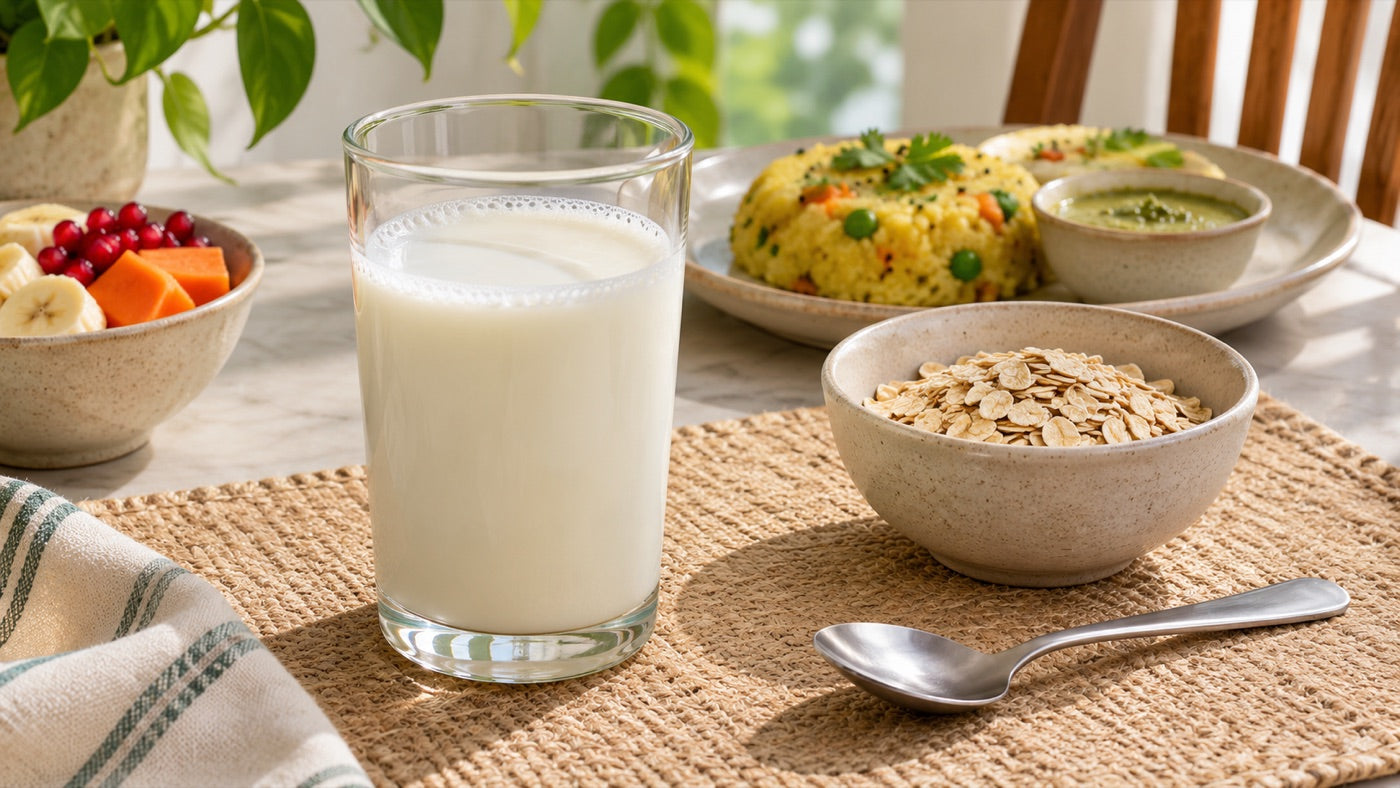
Choose a substantial protein source at the eating occasions you already have. Depending on your diet, that might be dairy, pulses, tofu, eggs, fish or meat. You don't need identical meals all week, and you don't have to make a special amino-acid drink the starting point for every food decision.
If you follow a vegetarian or vegan pattern, variety and adequate overall intake become especially practical considerations. A large salad with a few seeds may be enjoyable but still leave the meal short of a substantial protein source. Add the food that is missing rather than expecting the salad's size to tell you how much protein it supplies.
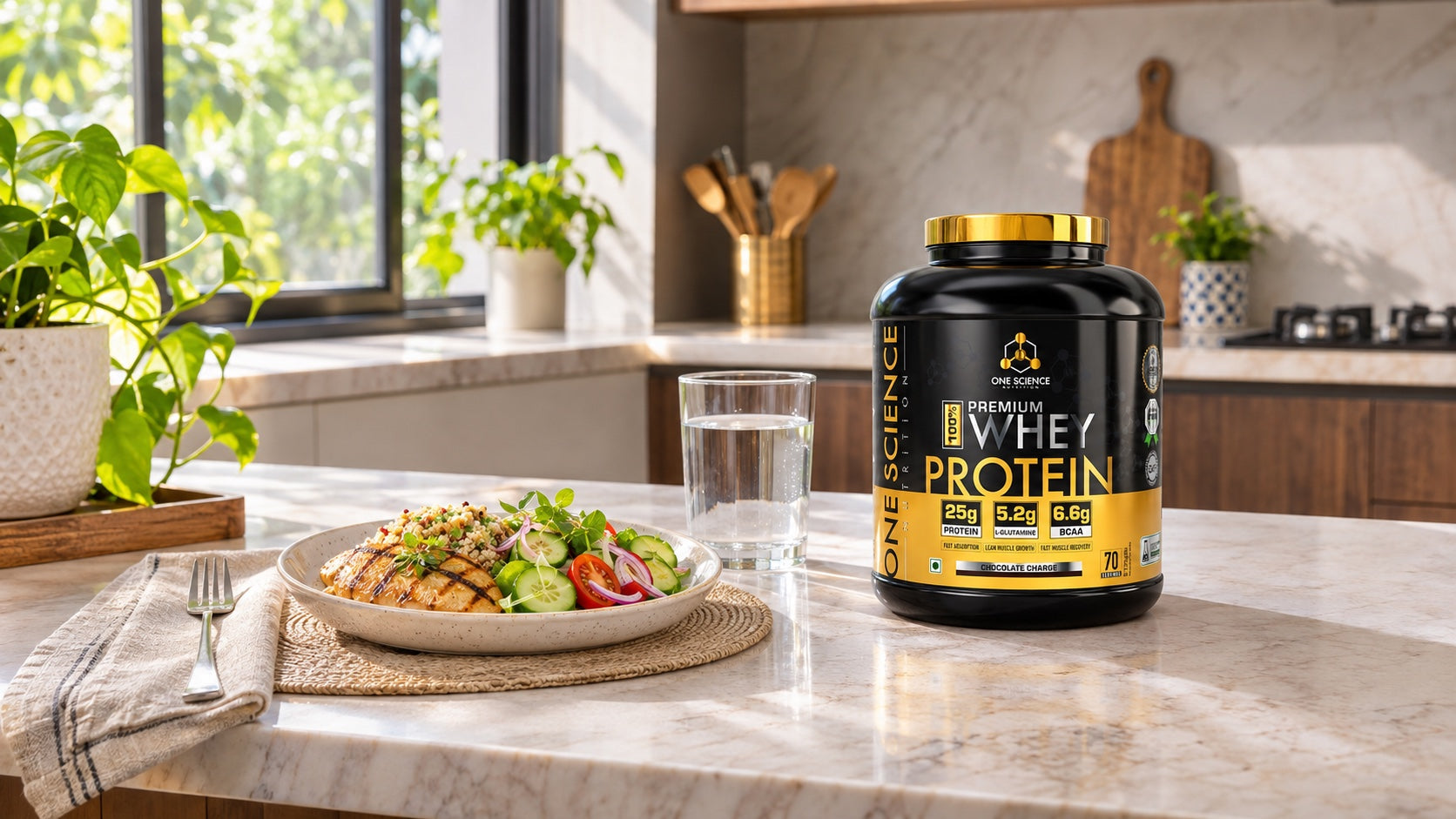
One Science Nutrition Premium Whey combines whey concentrate and isolate. Its Chocolate Charge serving provides 25 g of protein and 117 kcal in 32.5 g of powder. Whey naturally provides essential amino acids, including BCAAs, within that protein. You don't need to count those amino-acid grams as extra protein on top of the 25 g.
That makes One Science Nutrition Premium Whey useful when you want an easy protein serving and another cooked portion isn't practical. For example, a separate afternoon shake can help you eat enough without changing the dal-and-rice lunch you enjoy. The product has a practical job, while the rest of your food still supplies variety and other nutrients.
Flavours of One Science Nutrition Premium Whey include Chocolate Charge, Vanilla Swirl and Alphonso Mango. Follow the chosen pack's directions and count milk or other additions separately. If you're trying a new routine, a straightforward preparation can be easier to assess than a drink with several unfamiliar ingredients.
One Science Nutrition Premium Whey contains milk and soy and is unsuitable for milk allergy. It isn't recommended for children or during pregnancy or breastfeeding. A convenient shake should suit your health and dietary requirements, so obtain individual advice if a condition or prescribed diet affects your protein intake.
One Science Nutrition Pea Protein uses pea protein isolate and supplies 25 g of protein, 154.52 kcal and 5 g of fibre in a 40 g serving. It gives you another source to consider if you'd prefer a pea-derived shake alongside your meals. The serving amount is clear without having to select separate products for every amino acid.
You can use One Science Nutrition Pea Protein while continuing to eat pulses, soy foods, grains and other suitable foods. Different protein sources can share the week. Choosing one type of shake doesn't require you to make every other meal use the same ingredient or abandon the foods you enjoy.
Flavours include Rich Chocolate, Iced Coffee and Unflavoured. Check the selected flavour's complete ingredients, allergens and warnings before choosing One Science Nutrition Pea Protein, and follow the preparation directions. The fibre in the serving is worth considering if you're placing a drink close to exercise and know that fibre affects your comfort.
Give the amino acids a training plan to support
Choose resistance exercises and a workload appropriate to your experience, then give yourself a way to track progress. More supplements won't make up for a programme that changes randomly or sessions you cannot recover from. A coach can help you decide when to add work and when to keep practising the same movement.
Sleep, sufficient overall food and recovery between sessions all belong in that plan. If you are struggling to eat enough or finding the routine difficult, simplify the food choices before adding more products. A familiar breakfast and a dependable lunch can be more useful than a complicated supplement schedule.
Explore One Science Nutrition Premium Whey for a whey blend or One Science Nutrition Pea Protein for a pea-derived serving when convenience would help. Then look at tomorrow's meals and workout together. Knowing where the protein will come from and what you're trying to improve in the session gives both parts a clear purpose.