Whey protein can fit a weight-loss plan, but it does not cause weight loss on its own. The outcome still depends on the overall eating pattern and energy balance. A shake may help some people get protein in a convenient portion. It can also add calories if it is simply placed on top of meals and snacks.
That is the useful distinction: whey is a food supplement, not a fat burner. If you enjoy it and it helps you meet a realistic protein target while keeping meals satisfying, it may have a place. If it makes your plan more expensive or harder to follow, you do not need it.
What actually drives weight loss?
Body weight changes over time in response to energy intake and energy use, along with fluid shifts, digestion, medication, sleep and other factors. A sustained energy deficit is generally needed for fat loss, but that does not mean eating as little as possible. A plan that leaves you hungry, tired or unable to train is difficult to maintain.
Protein is one part of that plan. It helps build and maintain body tissues, including muscle. During weight loss, adequate protein and resistance exercise can support retention of lean tissue, though they cannot guarantee that no muscle is lost. How much protein makes sense varies by the person and the size of the energy deficit.
The 2026 International Society of Sports Nutrition position stand on body-weight reduction summarizes evidence that protein needs can differ by population, and that higher protein intake alongside resistance training may help preserve lean mass in some active people dieting. These ranges are not a universal prescription. The evidence for lean, resistance-trained people in a calorie deficit is more limited than people often assume. Read the position stand and its evidence scope.
Where whey might help
Whey is a milk-derived protein ingredient. A shake can be easy to portion, carry and prepare, which may help when a meal is not practical. If you are trying to plan meals around work, commuting and training, that convenience can matter. It can also be mixed into oats or a smoothie, but the additional ingredients still count toward the meal.
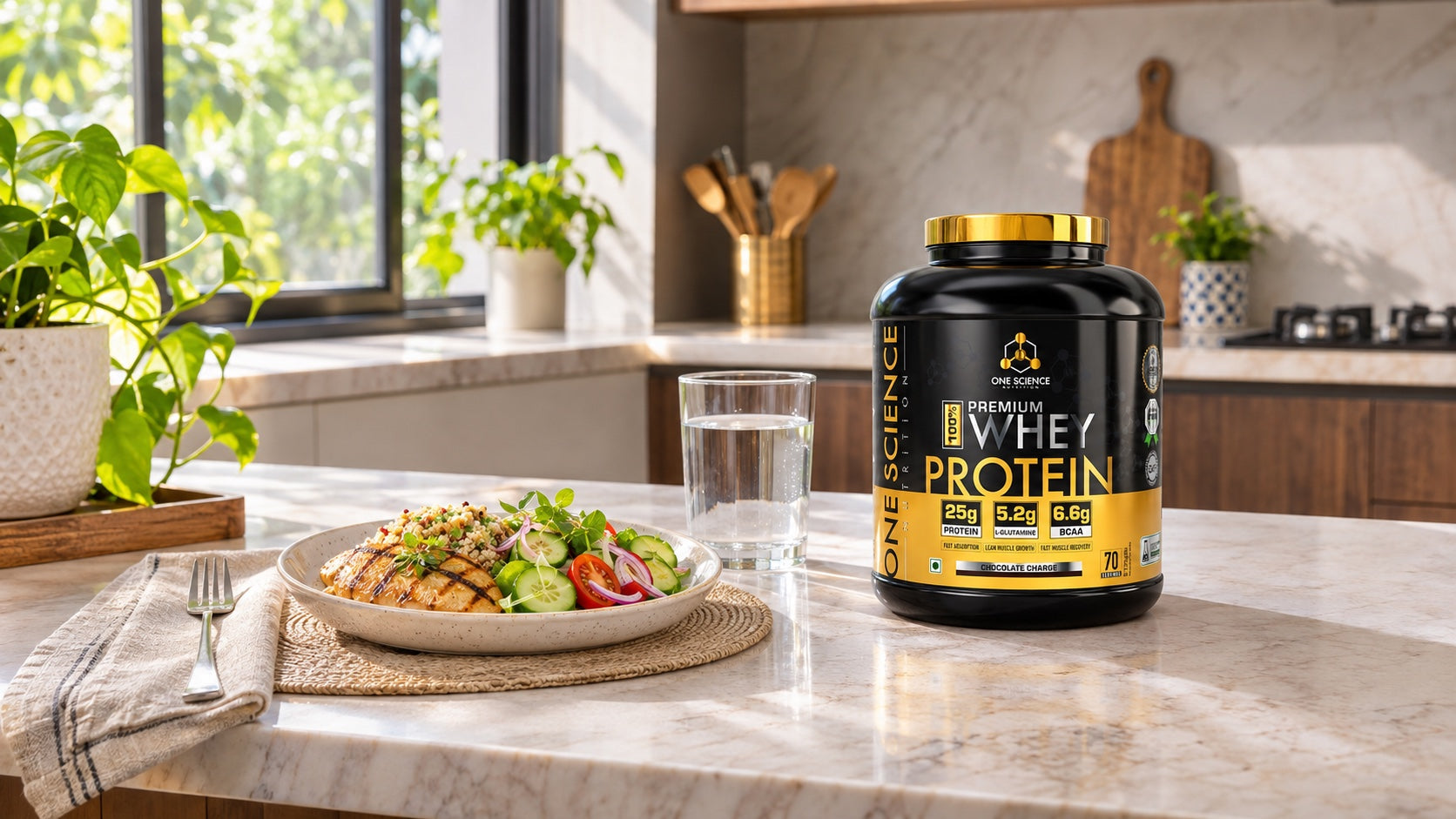
One Science Nutrition Premium Whey Chocolate Charge lists 25 g protein and 117 kcal per 32.5 g serving on the product page. That gives a reader a concrete way to compare the protein and energy in a named flavour with other snacks or meal components. It does not mean the powder will create a calorie deficit. If you drink it after a full meal without adjusting anything else, the energy adds to the day.
The Chocolate Charge formula is a whey concentrate and isolate blend. The label information lists milk and soy. People with a milk allergy should avoid it. If you have lactose intolerance, individual tolerance can vary; do not treat an isolate or a marketing phrase as a personal guarantee about digestion.
See the live listing for [One Science Nutrition Premium Whey Chocolate Charge](https://onesciencenutrition.in/products/one-science-nutrition-premium-whey-protein-5lbs). Use the current flavour and package information when comparing serving size, protein, calories, ingredients and warnings. Prices and availability can change.
What a shake can and cannot do
A protein shake can add protein to a meal or snack. It may help you feel satisfied, but appetite responses differ. It cannot cancel out an overall eating pattern, and the product itself does not selectively reduce body fat around the waist or any other area.
The research on protein and fullness is useful but easy to overstate. A systematic review in adults with overweight or obesity found improved fullness in some of the included studies, though results were not uniform. A feeling of fullness is not the same as long-term weight loss. Read the review on dietary protein and appetite.
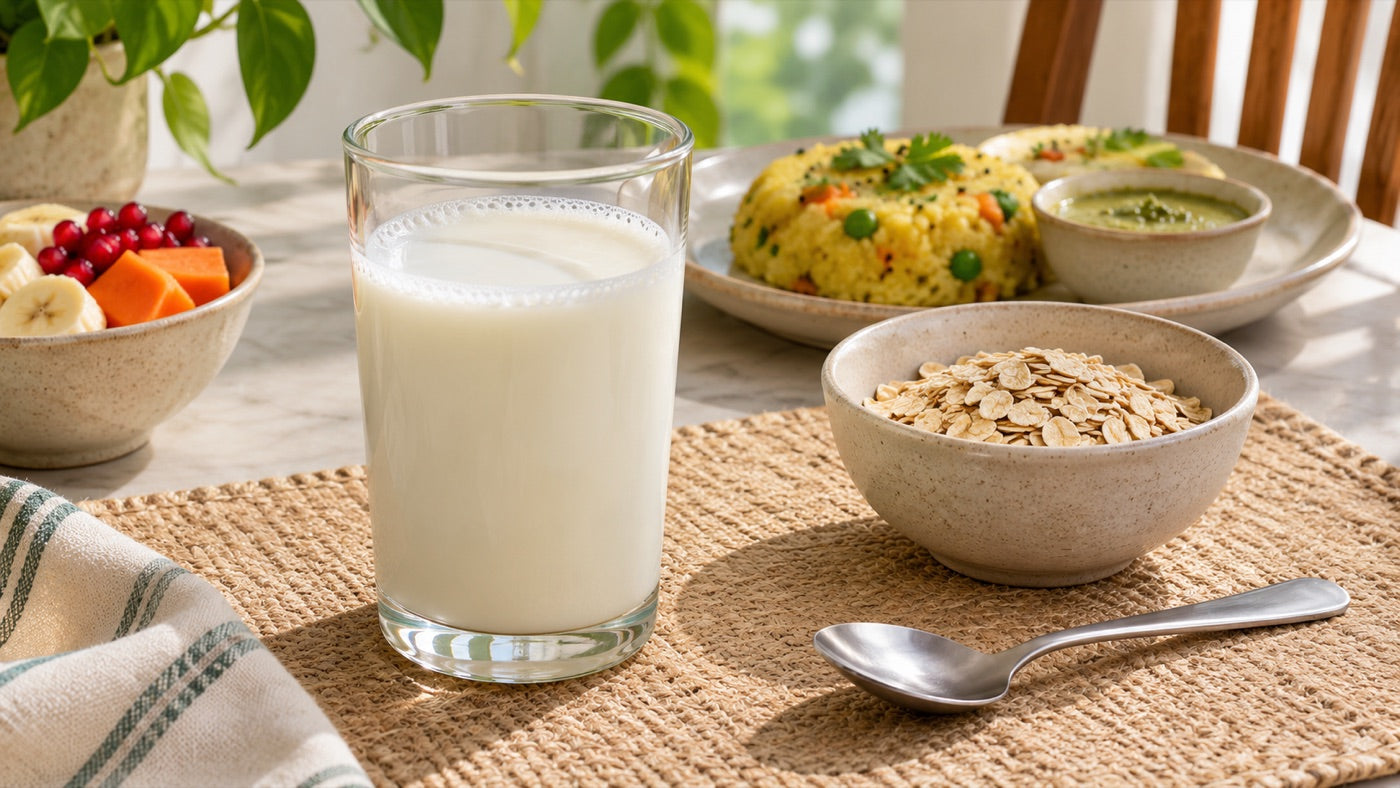
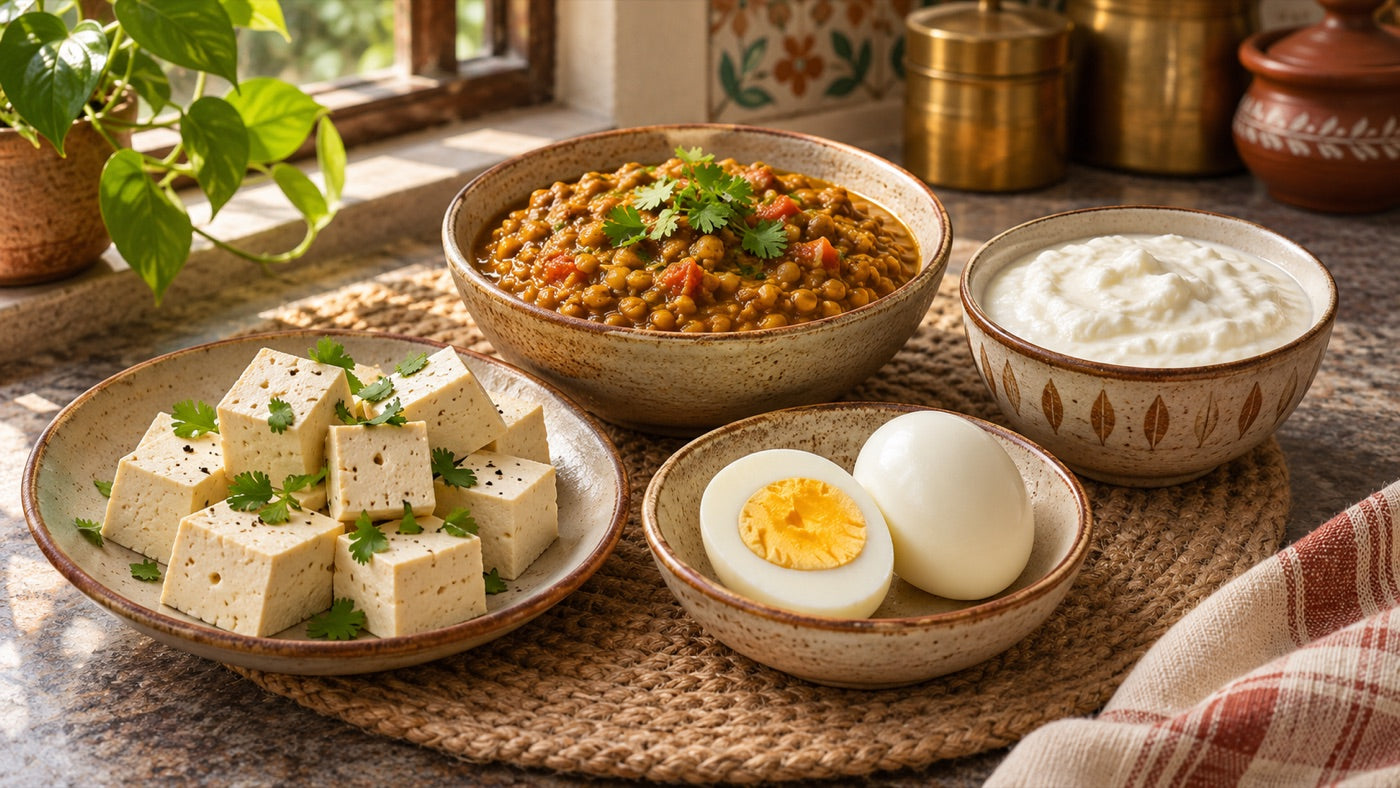
Powder can also make a plan less filling than a meal if it replaces foods that would have provided fibre, texture and volume. Consider what else is on your plate. Dal, vegetables, fruit, curd, eggs, tofu, fish, chicken, beans and whole grains can all contribute to a satisfying meal. The best mix depends on your preferences and health needs.
A practical example
Imagine that lunch is a small bowl of dal and rice, and you often feel hungry again soon after. One choice is to add more dal, curd and vegetables, adjust the meal portion, or include another protein-rich food you enjoy. Another option might be a shake at a time when food is not convenient. These choices are not interchangeable in every nutrient, but they can each be part of a day that suits you.
If you choose One Science Nutrition Premium Whey, use the serving as listed and include its 117 kcal in your daily intake. If a shake replaces a snack, compare the full snack rather than looking only at protein. If it is added after dinner, it is additional food. There is no single correct placement; the overall pattern matters.
Keep the plan livable
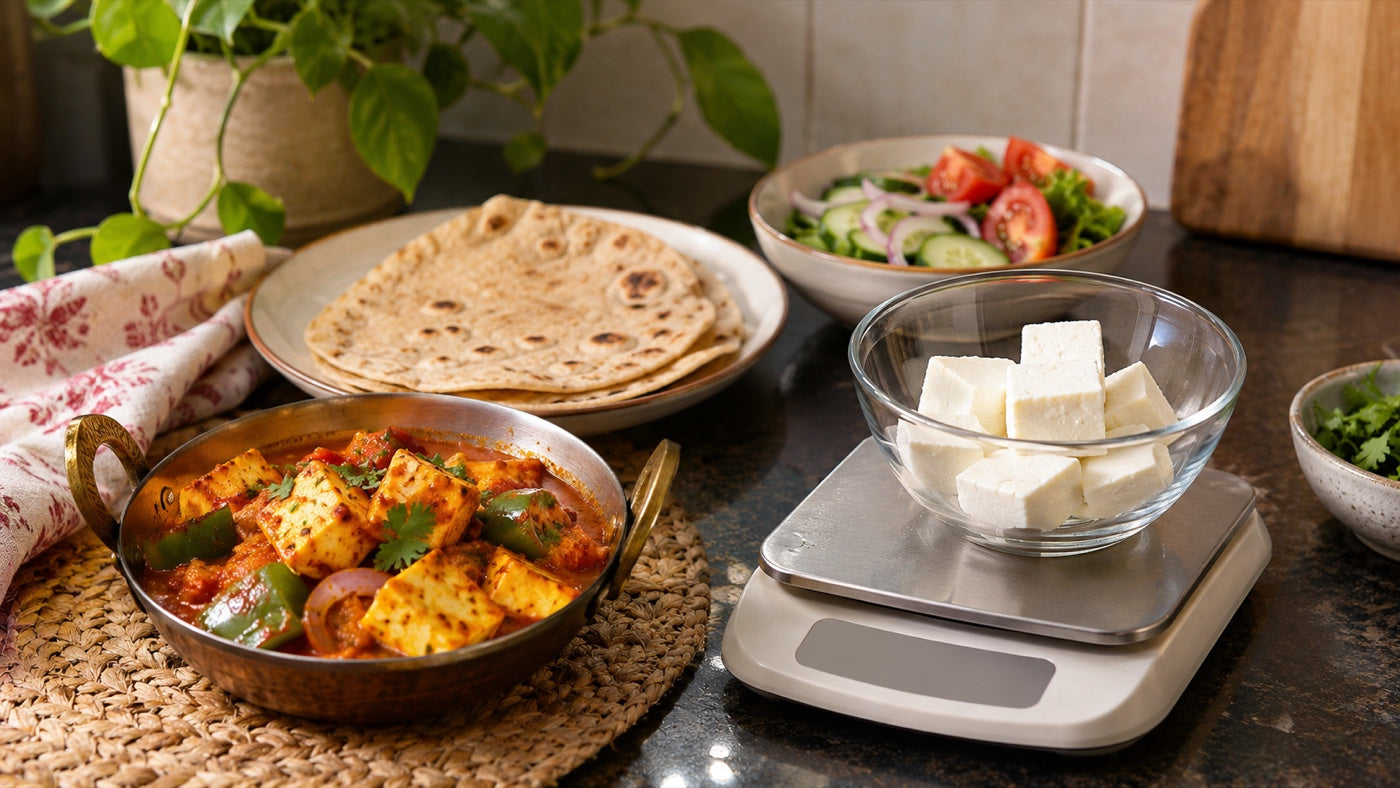
Weight loss advice often becomes a list of foods to remove. A steadier approach is to build meals that you can repeat: a protein source, vegetables or fruit, a suitable carbohydrate, and enough flavour to make the meal enjoyable. Adjust portions gradually and notice how energy, hunger and training feel. A harsh cut is not proof of discipline.
Resistance training can help maintain strength and muscle while body weight changes. Keep it progressive and realistic. Protein powder cannot replace a programme, and adding more protein will not fix insufficient sleep, extreme restriction or a training plan that does not fit your recovery.
If you are choosing a powder, compare protein per serving, calories, full ingredients, allergens and cost per useful serving. Ignore claims that promise rapid fat loss or a targeted transformation. One Science Nutrition Premium Whey may suit someone who wants a flavoured milk-protein blend and has a genuine convenience need. It is not essential for weight loss, and it is not suitable for everyone.
Who should be careful?
Speak with a qualified health professional if you have kidney disease, a history of disordered eating, are pregnant or breastfeeding, are under 18, or follow a prescribed diet. A dietitian can help choose an appropriate protein intake and create a plan that supports both health and training. A food allergy requires strict attention to the product's allergen declaration.
Whey protein can be part of weight loss when it serves a clear purpose in a broader plan. Start with meals, choose a sustainable approach, and use a powder only if its convenience and nutrition make sense for you. A shake is one tool. Your overall routine does the work.