Creatine can support muscle growth when it is paired with resistance training, but it does not build muscle by itself. The effect is not a shortcut around progressive workouts, adequate food or recovery. It is better understood as one possible support for training performance, which may help a person do useful work consistently over time.
That difference matters. A supplement can affect training capacity without directly creating muscle. The outcome depends on what happens in the gym and across the rest of the week.
How creatine may support training
Muscles store creatine, which helps regenerate ATP during short, demanding efforts. In practical terms, that energy system contributes during repeated high-intensity work, such as sets of heavy resistance exercise or short sprints. More stored creatine may help some people repeat hard efforts or maintain performance across a session.
If that support lets someone complete productive training over time, it can contribute to the conditions for muscle growth. But the link is indirect. Taking creatine without a training stimulus does not guarantee larger muscles. Nor does it make an unstructured programme effective.
What studies say about muscle and strength
Reviews of creatine supplementation commonly examine it alongside resistance training, comparing the supplement plus training with training alone. The 2021 International Society of Sports Nutrition position stand reviewed evidence on creatine use in exercise and sport. The authors describe creatine monohydrate as a well-studied form and discuss increases in lean mass during training programmes. Lean mass is not identical to muscle tissue; changes can include water as well as other lean components. Read the full position stand for its evidence and safety context.
The evidence supports a possible added benefit, not a guaranteed result for each user. Study participants, training plans, duration and doses differ. A group average cannot predict your personal change, and a result from one formula cannot be claimed for a different commercial product without direct testing.
Resistance training itself remains central. A 2026 American College of Sports Medicine update recommends training all major muscle groups at least twice weekly for healthy adults, while emphasizing that a programme should be built around the individual's needs and ability to continue. Read the ACSM resistance training update. The recommendation is not a prescription for a person with injury or medical limitations.
The scale can tell an incomplete story
Some people gain scale weight after starting creatine. Increased muscle creatine stores can be accompanied by more water in muscle. That is not the same as gaining the same amount of new muscle tissue, and it is not proof of fat gain.
Use training performance and body changes together. Keep notes on the exercises, sets, repetitions, load and how hard the work felt. Compare similar sessions across several weeks. If strength is rising while technique stays controlled, that gives more useful context than one weigh-in. Measurements and photographs can also be misleading when lighting, posture and hydration change.
Which creatine product is relevant?
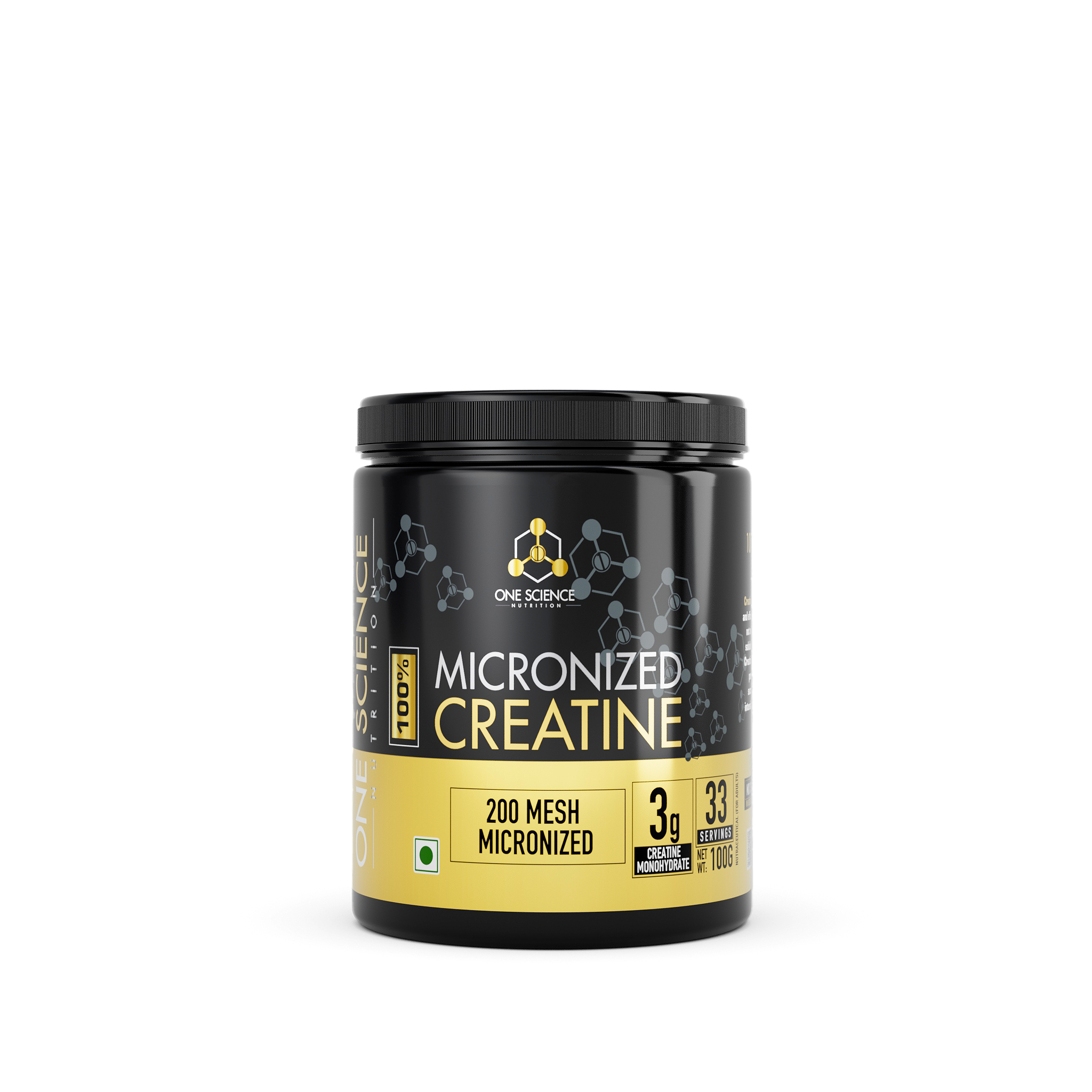
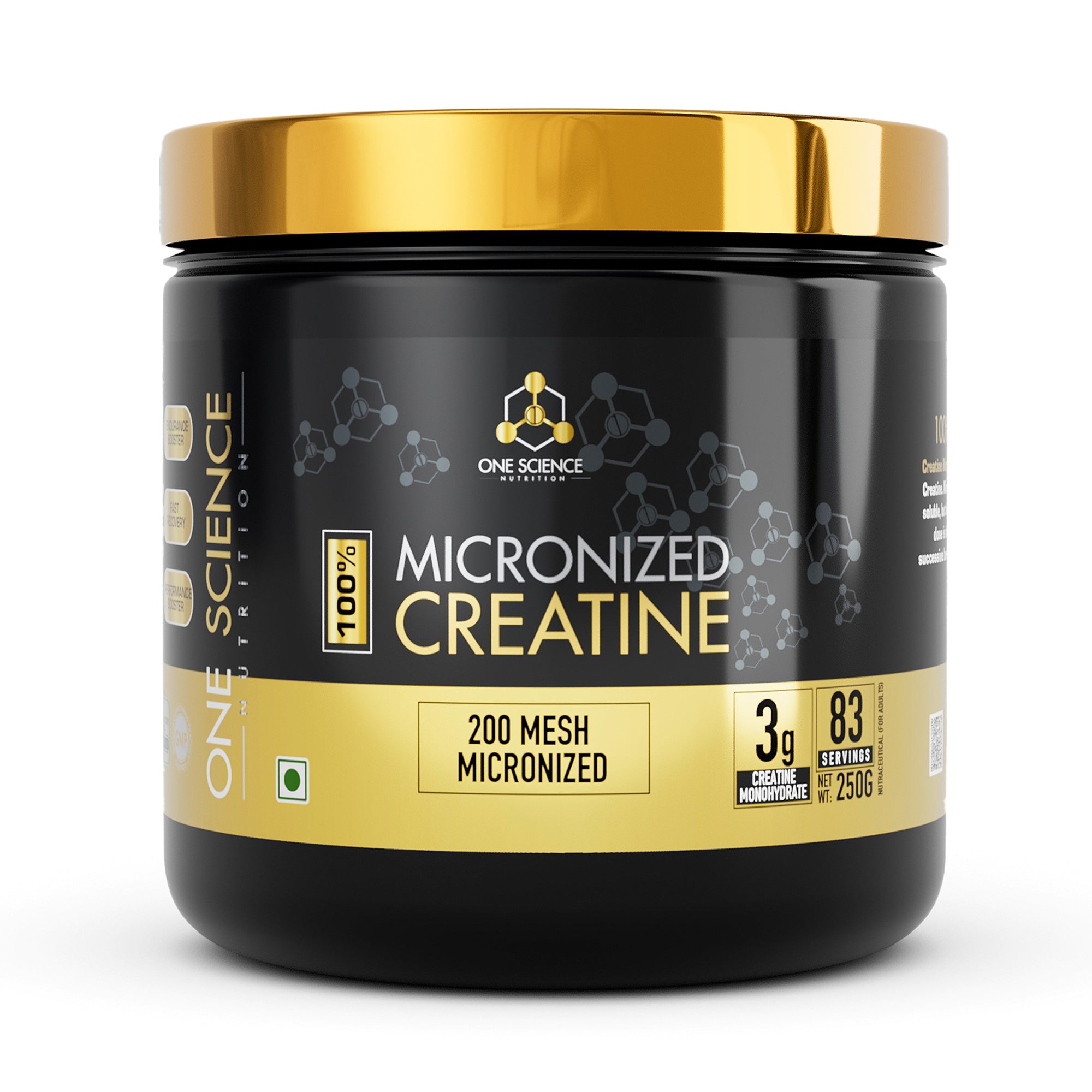
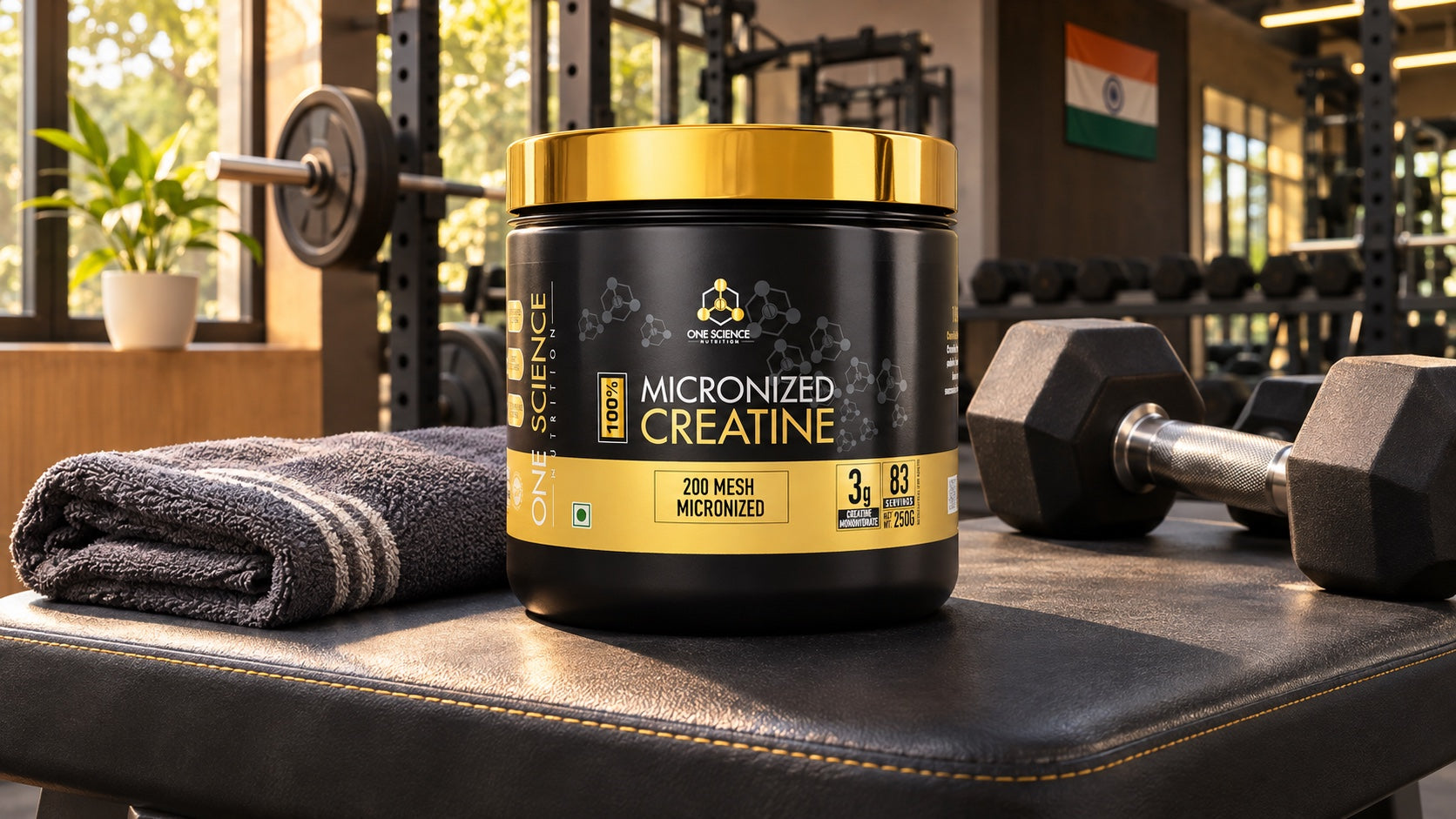
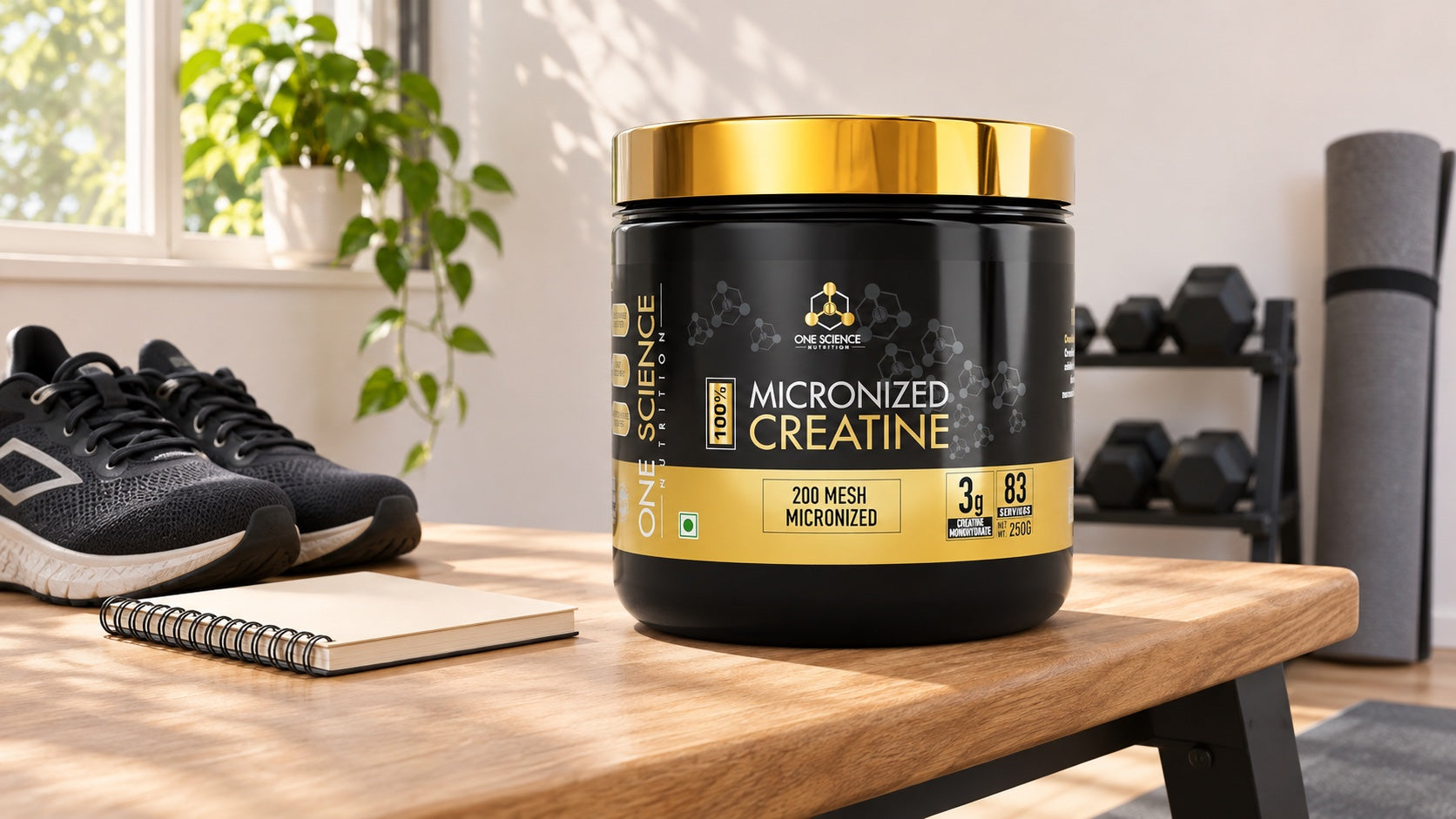
One Science Nutrition Micronized Creatine is a plain monohydrate option. The product page lists 3 g creatine monohydrate per 3 g serving and directs one serving daily. That lets readers identify the amount in the listed serving without confusing total powder weight with active ingredient. Check the current product and pack before purchase because options and label details can change.
The current [One Science Nutrition Micronized Creatine page](https://onesciencenutrition.in/products/one-science-nutrition-micronized-creatine-200g) also lists directions and warnings. Follow the physical label. People who are pregnant, breastfeeding, under 18 or managing a medical condition should seek professional guidance, as the product information advises.
The formula is not a muscle-building guarantee. It is one ingredient option to consider if your training and health situation make creatine relevant. A food-first diet, a progressive training plan and enough recovery remain important whether you choose a supplement or not.
What about products that include creatine?
Check your other supplements before adding a separate creatine product. One Science Nutrition Nitra Wheyincludes creatine in its formula, so a person using it should consider that contribution before selecting another creatine product. Do not assume a whey powder contains only protein. Read the ingredients and directions for the exact variant you use.
One Science Nutrition Creatine Matrix is another option with a different ingredient profile. The listed 3.5 g serving contains 2 g creatine monohydrate and 1 g creatine HCl, plus flavour and other ingredients. Its powder serving is not the same as its total creatine amount. Review the current [One Science Nutrition Creatine Matrix listing](https://onesciencenutrition.in/products/one-science-nutrition-creatine-matrix-105g-35sv) and the selected pack before deciding. This article does not establish that a blend is superior to plain monohydrate.
What creatine cannot replace
Creatine cannot replace a good resistance training plan. To build muscle, training needs to challenge the muscles and progress in a way you can recover from. More volume is not always better. If sessions leave you exhausted and performance falls, adding a supplement is unlikely to solve the underlying plan.
Protein and total energy intake also matter. Resistance training creates a stimulus; food supplies energy and amino acids for the body's ongoing work. A supplement can fill a specific gap, but it cannot substitute for meals, sleep or a manageable schedule. If your diet already meets your needs, adding more products may not improve the outcome.
A sensible way to evaluate progress
Before starting, decide what you want to track. Choose a few repeatable exercises and record performance for several weeks. Keep your training plan and technique consistent enough to compare sessions. Note changes in body weight, but avoid treating every fluctuation as fat or muscle. If you use creatine, record the product and serving too.
After a block of training, ask whether you are progressing, recovering and enjoying the routine. If you are not, look at training volume, technique, sleep, food intake and stress before assuming the supplement failed. Individual response differs, and not everyone notices the same effect.
Who should get advice first?
Talk with a clinician before using creatine if you have a medical condition, take medication, are pregnant or breastfeeding, or are under 18. Tell your healthcare team about supplements before tests or treatment. If you compete in sport, discuss product quality and anti-doping risk with a qualified professional.
So, does creatine help build muscle? It may support training and add to muscle and strength gains when used alongside a suitable resistance programme. It does not create the training stimulus, guarantee a personal result or replace nutrition and recovery. If you choose One Science Nutrition Micronized Creatine, follow its current serving directions and assess progress across your training, not from the tub alone.