For many healthy adults, creatine monohydrate has a substantial research record when used in studied amounts, but that does not make every product or serving suitable for every person. Health conditions, medicines, age, pregnancy, product quality and total intake matter. A sensible answer is neither “creatine is dangerous” nor “it is safe for absolutely everyone.”
Creatine is a compound found in the body and in some foods. Supplement use is best known in strength and high-intensity training. Creatine monohydrate has been studied more than many newer forms, which is why the evidence should not be transferred automatically to every formula sold as a creatine blend.
What does the safety evidence actually cover?
The International Society of Sports Nutrition position stand reviewed evidence on creatine use in exercise, sport and medicine. It describes creatine monohydrate as the most studied form and reports that controlled research in healthy people has not supported many common claims of harm at commonly studied amounts. That is evidence about specific populations and protocols, not a blanket clearance for people with existing disease or for every product.
The position stand is available as a full review of creatine safety and efficacy. It discusses body water, gastrointestinal complaints, kidney concerns and study limitations. Its conclusions should be read with the article's population in mind. A supplement review does not replace individual medical advice.
The NIH Office of Dietary Supplements also notes that creatine can increase body weight, often related to water, and summarizes common use protocols. See its professional fact sheet on exercise supplements. Neither source means that every person should take creatine.
Does creatine damage the kidneys?
This question often comes up because creatine and creatinine have similar names. Creatinine is one blood marker clinicians may use when assessing kidney function. Creatine supplementation can affect creatinine measurements in some circumstances, so a result needs clinical interpretation in context. A blood test cannot be diagnosed from a supplement discussion, and a person should never dismiss an abnormal result without speaking to their clinician.
People with kidney disease, a history of kidney problems or medicines that affect kidney function should talk to a clinician before using creatine. The same applies if a healthcare professional has asked you to monitor kidney markers. Bring the product name, serving size and frequency to the appointment.
Common effects and practical cautions
Some users notice a rise in scale weight, particularly when muscle creatine stores increase. This can reflect water associated with muscle, not necessarily body fat. The size and timing of the change vary. It is useful to know about this in advance if you compete in a weight category or track weight for medical reasons.
Stomach discomfort can occur. Large amounts taken at once may be harder for some people to tolerate. Follow the label rather than increasing the dose or combining products. If symptoms persist, stop and ask a qualified professional.
Creatine is not a stimulant, but a supplement can still be unsuitable because of its added ingredients, allergens or warnings. Read the whole label. Consider interactions with medicines and the possibility that a multi-ingredient product contains other active substances.
Check the exact product, not just the ingredient name
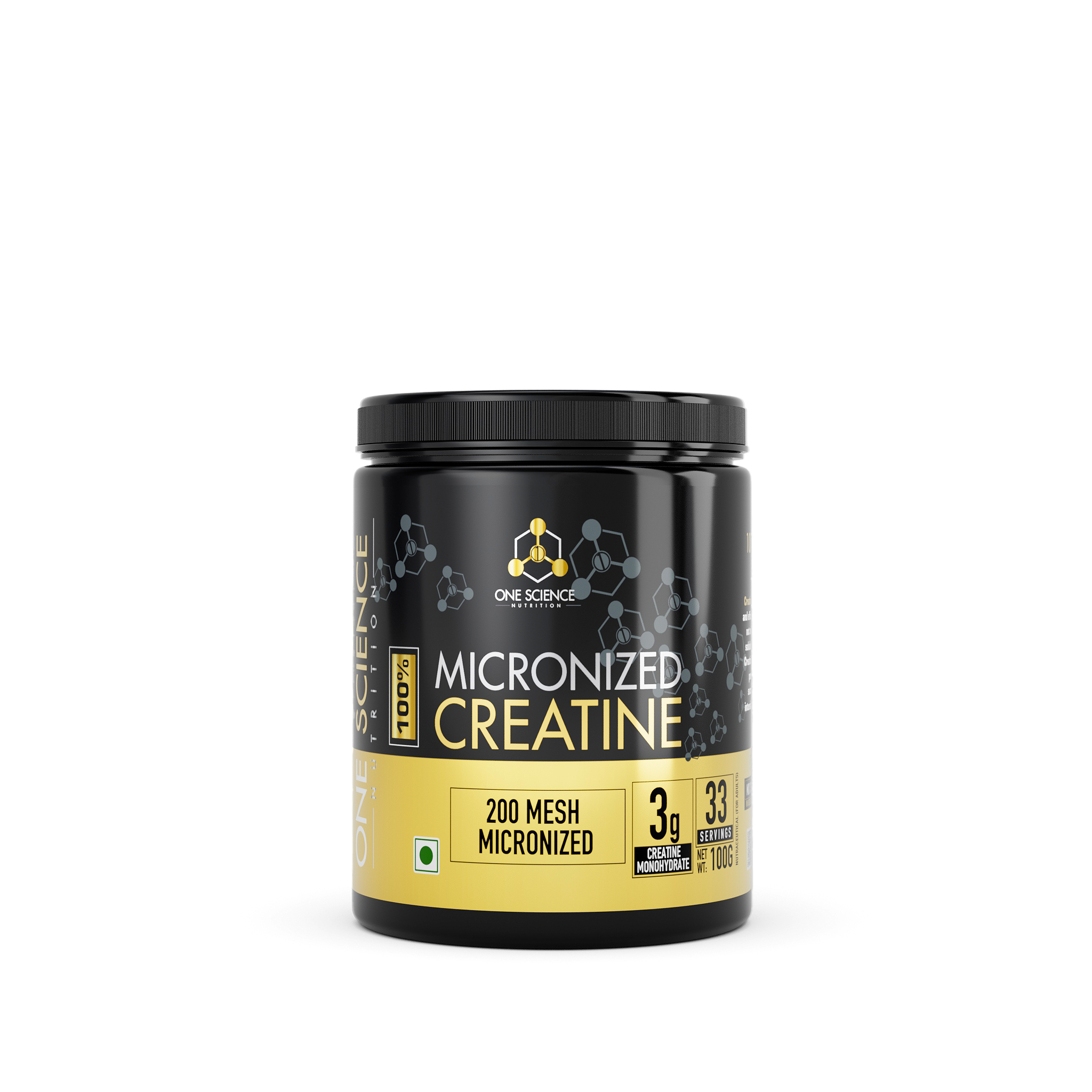
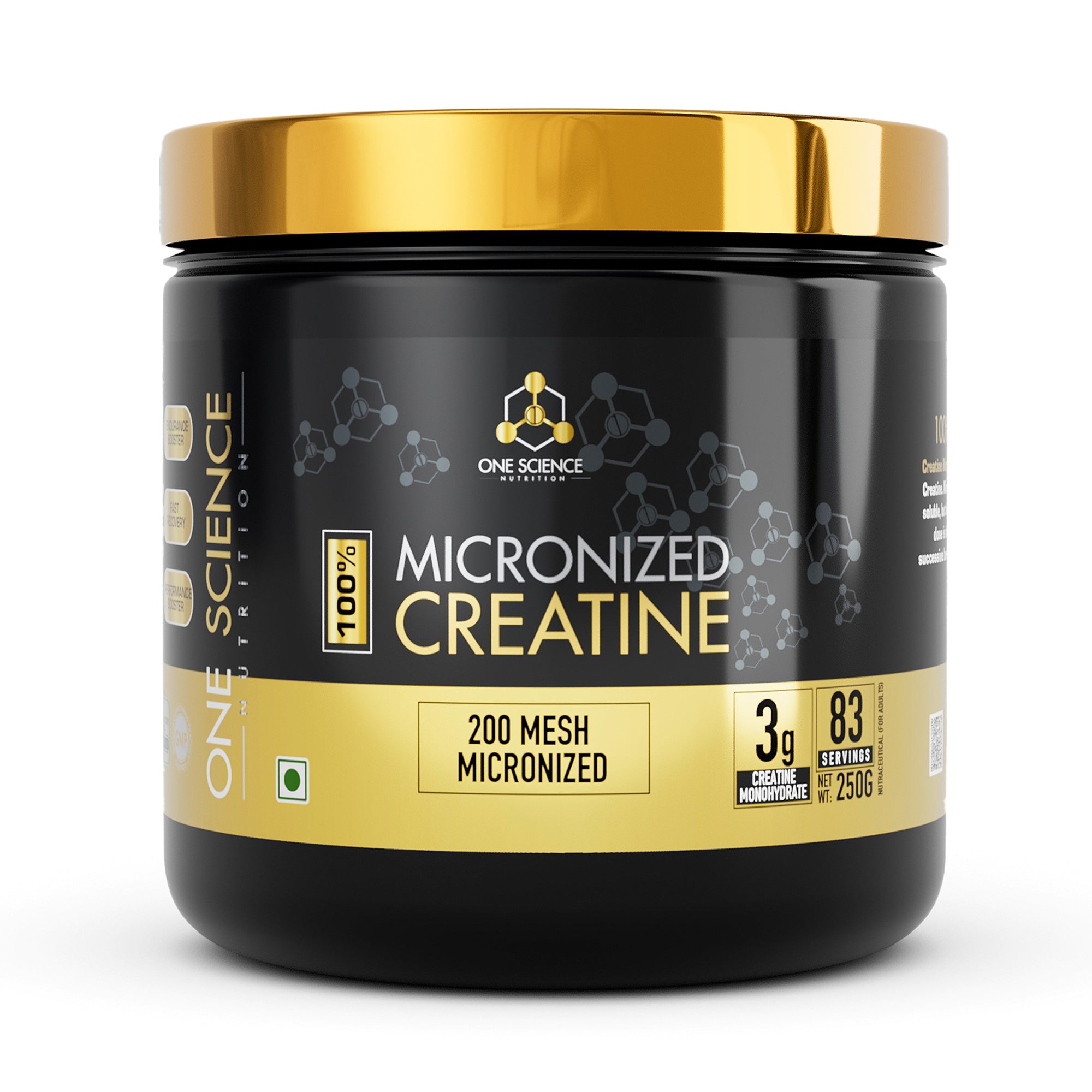
One Science Nutrition Micronized Creatine lists 3 g creatine monohydrate in a 3 g serving on its product information, with one daily serving direction. This is a plain monohydrate option. The product page includes cautions for people who are pregnant, breastfeeding, under 18 or have a medical condition. Follow the current physical pack, and seek professional advice if any warning applies to you.
You can review the current [One Science Nutrition Micronized Creatine listing](https://onesciencenutrition.in/products/one-science-nutrition-micronized-creatine-200g). Confirm the chosen option, current label and seller details at purchase. Do not infer the physical pack size from a URL slug. If another supplement you use already contains creatine, count it before adding a separate product.
One Science Nutrition Creatine Matrix is a different product. Its listed 3.5 g serving contains 2 g creatine monohydrate and 1 g creatine HCl, along with flavour and other ingredients. That is 3.5 g of powder, not 3.5 g creatine. The current pack details and flavour can change; review the label and warnings for the product you select. See One Science Nutrition Creatine Matrix.
There is no basis here to claim that one form is safer or more effective for you than the other. The ingredient list simply helps you understand what you are buying. If you are sensitive to an ingredient, have an allergy or take medication, check with a clinician or pharmacist.
Who should seek advice before use?
Ask a doctor or qualified dietitian before taking creatine if you have kidney disease or another chronic condition, use medication, are pregnant or breastfeeding, or have been told to avoid supplements. Children and adolescents need guidance from a qualified healthcare professional and should not copy adult gym protocols. Competitive athletes should seek advice on supplement contamination and sport rules.
During a medical visit, be direct about the product and how much you take. If a blood test is planned, tell the clinician beforehand. Do not stop a prescribed medicine or change a medical plan because of a supplement article.
How to make a careful decision
First, ask whether your training goal matches the kinds of exercise creatine has been studied for. Then check the selected product's ingredients, amount per serving and warning panel. Avoid stacking products with the same ingredient. Start only if the product fits your health situation and the label directions make sense to you.
The most useful safety habits are ordinary ones: buy from a reliable seller, keep the original label, use the stated serving, store it as directed and ask for professional help when a medical question applies. A supplement does not need to be treated as either a miracle or a threat. Understand the specific evidence, the actual product and your own health context before deciding.
It also helps to separate ingredient evidence from brand claims. A study of creatine monohydrate is not a trial of a specific One Science Nutrition product, flavour or manufacturing batch. Product pages can explain the formula and serving, while research reviews address the ingredient in the populations and protocols studied. Neither source answers every question about an individual's health.
When you choose a supplement, keep a photo of the label or save its details with the purchase. That makes it easier to tell a clinician what you used if a question arises. Include the brand, product name, serving, how often you used it and any other supplements or medicines. This simple record is more useful than saying only that you take “creatine,” especially when you use a blend.
If you are new to resistance training, do not feel that creatine is a prerequisite. Progress can come from learning sound technique, following a manageable programme and eating enough to support activity. A product can be considered later if it fits your training and health situation. The decision should come from a clear purpose, not pressure to buy every supplement associated with the gym.