You can build muscle without protein powder. Your muscles need an appropriate training stimulus, enough dietary protein, sufficient food and recovery. The protein can come from ordinary meals. A shake becomes useful when it makes those needs easier to meet, rather than because muscle growth depends on owning a tub.
That leaves room for a practical choice. One Science Nutrition High Protein Oats can make a rushed breakfast more substantial, while One Science Nutrition Premium Whey offers a convenient whey serving when another cooked portion is awkward. You can use either where it helps and still build the rest of the day around food you enjoy.
First separate protein from protein powder
Protein is a nutrient in foods such as pulses, soy, dairy, eggs, fish and meat. Protein powder is one way of providing it. The body digests food proteins into amino acids, which it can use to make and maintain its own proteins, including muscle proteins.
If a suitable food pattern already provides what you need, adding a shake doesn't automatically create extra growth. If you're regularly short of protein, a convenient serving can help you correct that shortage. The important difference is what the addition changes in your actual diet.
The International Society of Sports Nutrition's protein position stand recognises that active people can meet their protein requirements through whole foods. It also describes supplementation as a practical option. Those two ideas work together: you have a choice about how to make a suitable intake achievable.
Build a food routine that survives a working week
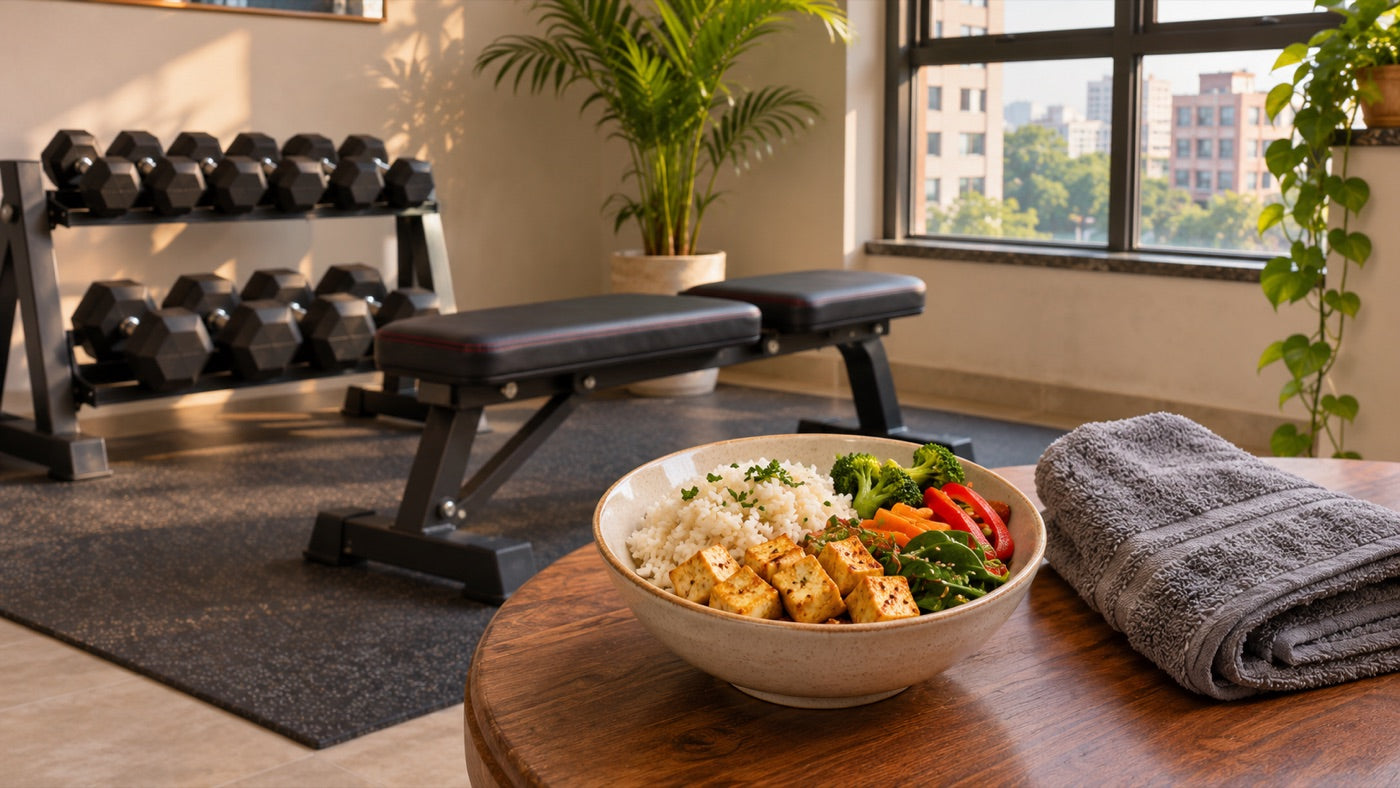
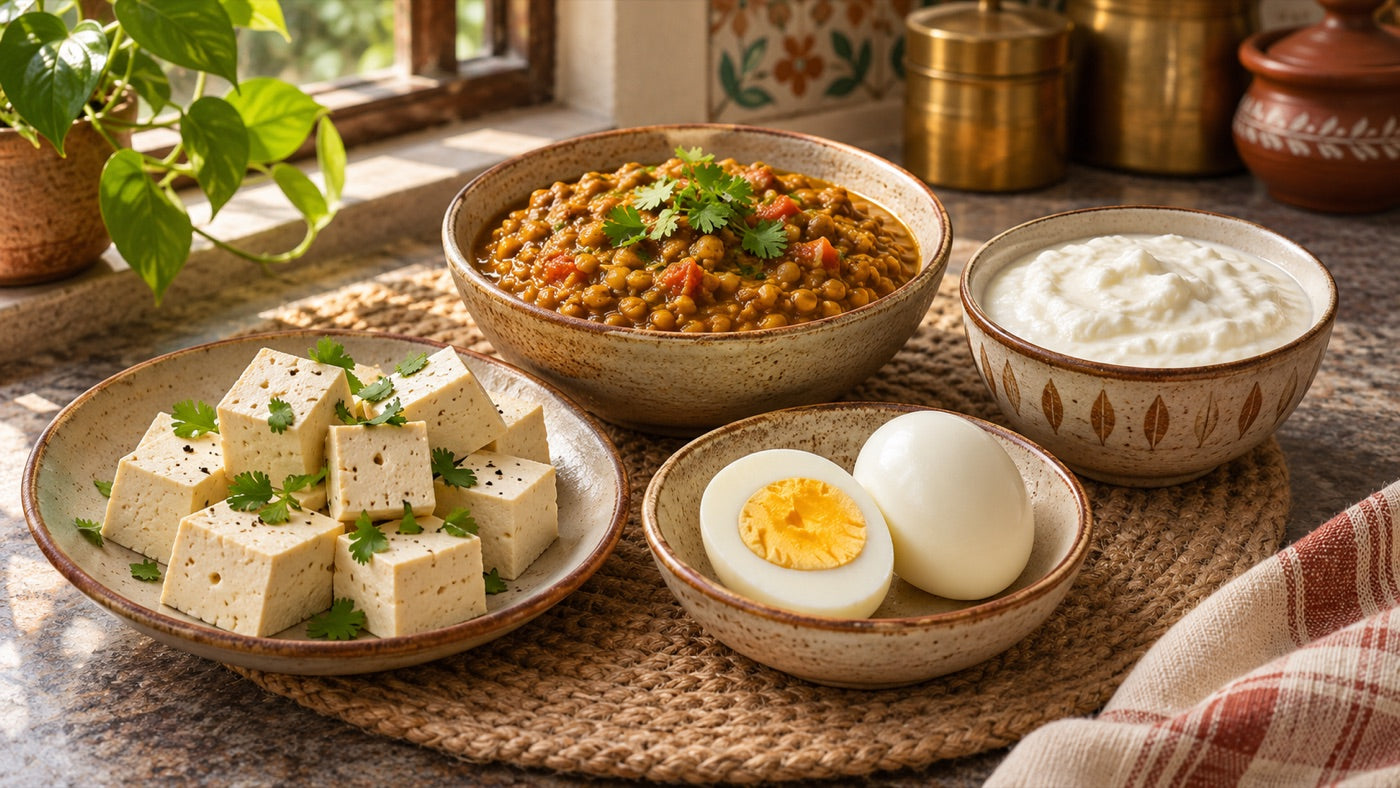
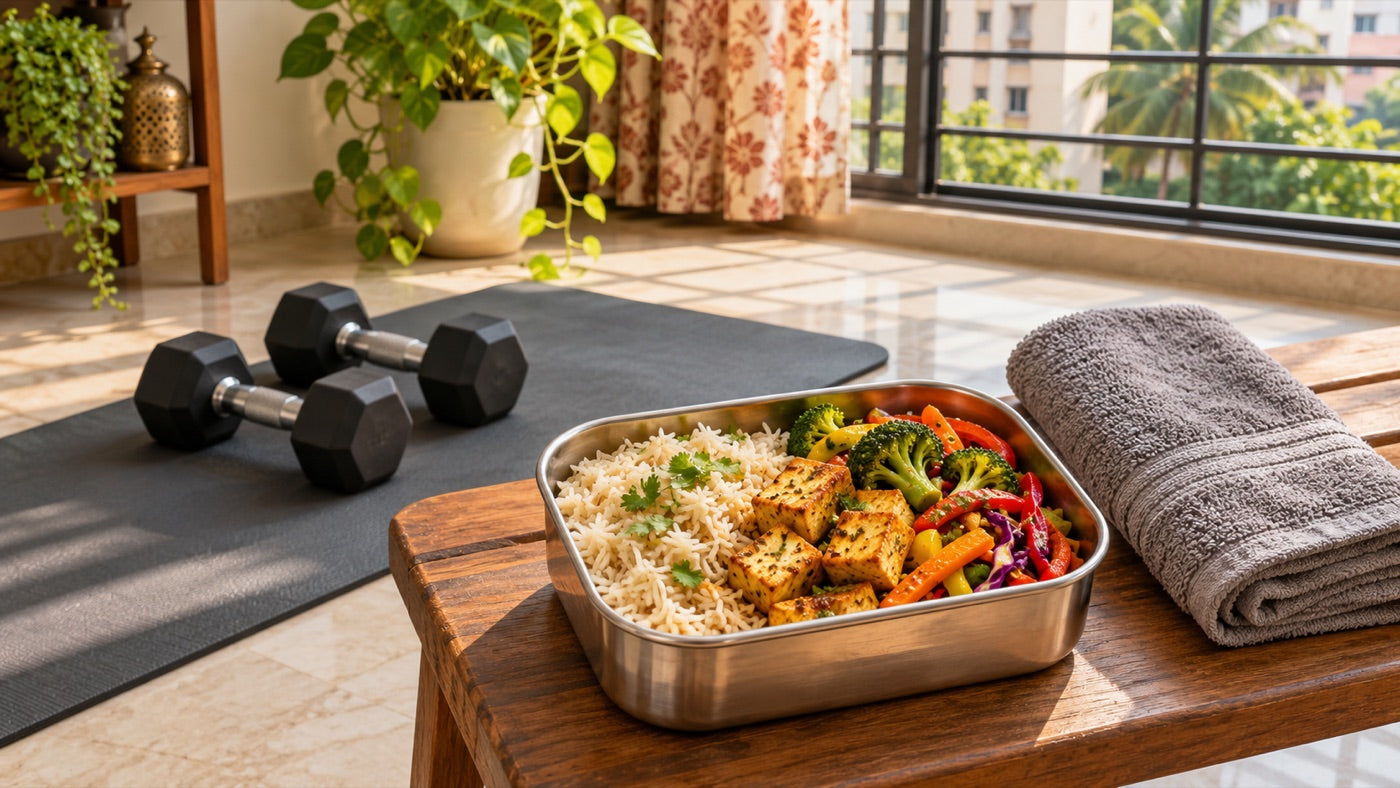
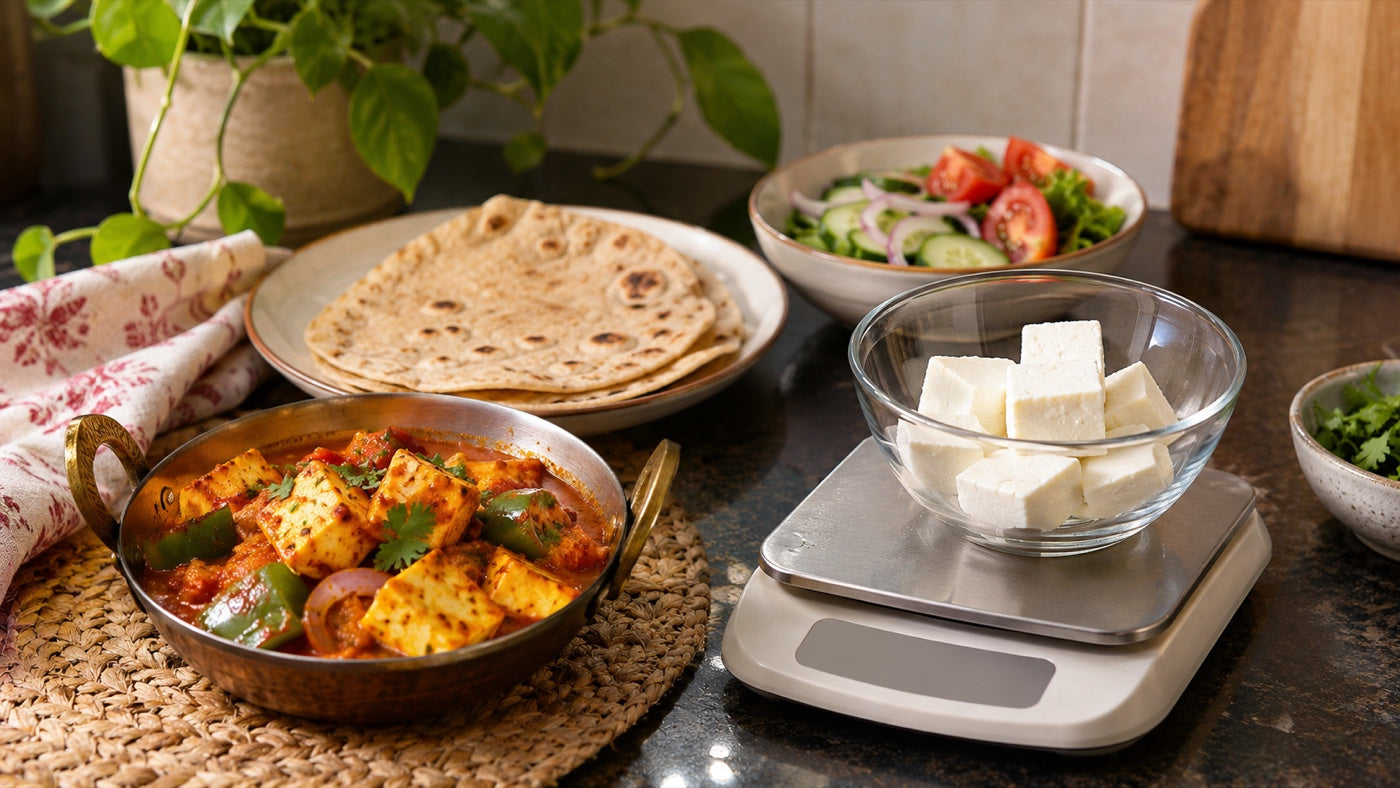
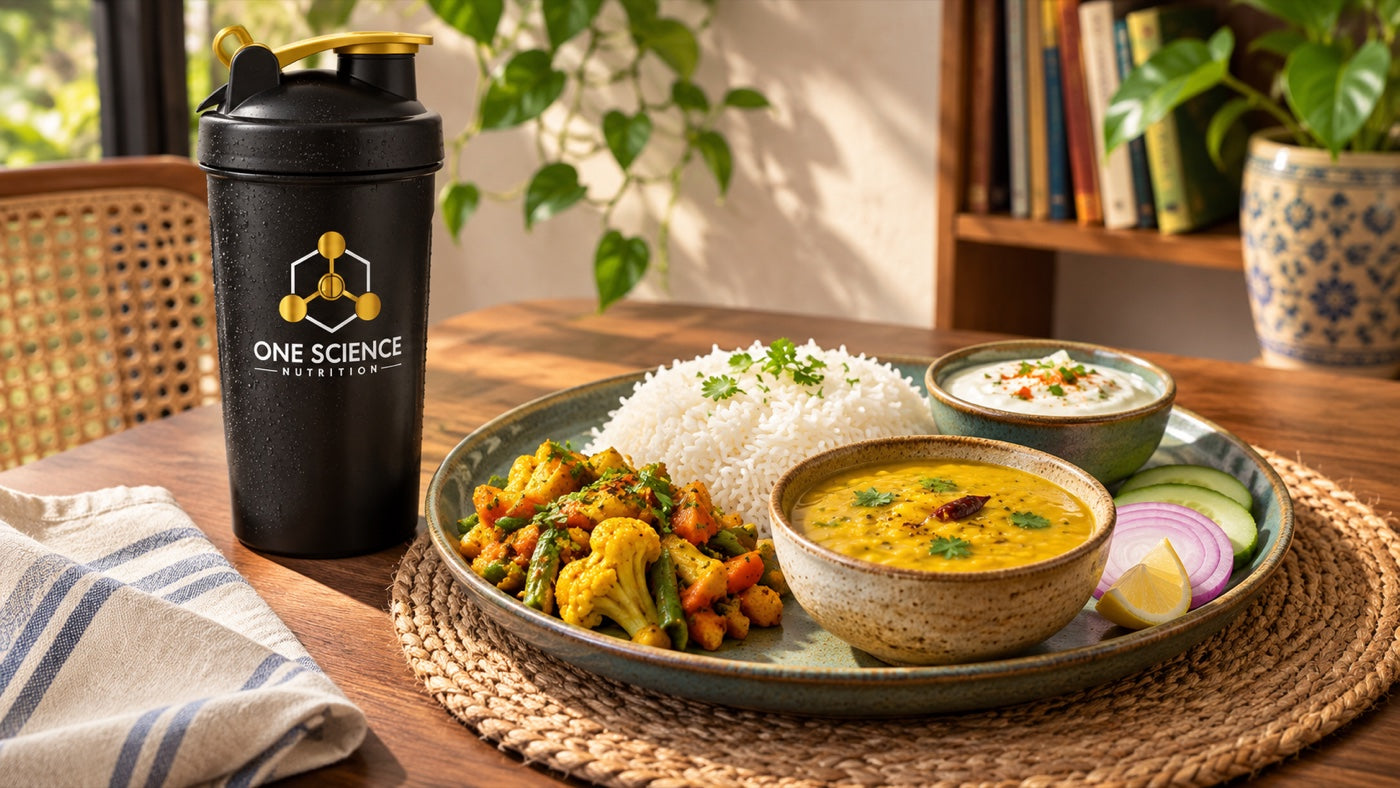
Think about the meals you can prepare repeatedly. A rice meal with a substantial dal portion and curd, roti with tofu and vegetables, or eggs with a suitable breakfast can all help. If you eat fish or meat, they give you other options. The exact amounts depend on the foods and portions you use.
Start by finding the meal that supplies very little protein. Adding a proper protein food to lunch may do more for the day than making an already substantial dinner even bigger. A garnish of paneer or a little dal poured over rice may be enjoyable, but the amount still matters.
A food-based routine needs preparation, storage and enough time to eat. Batch-cooked pulses, suitable chilled dairy and a dependable shopping list can help. Keep perishables cold when needed and use safe storage practices; food only solves a convenience problem if it's suitable to eat when you reach for it.
Use numbers to find the gap, not to make eating exhausting
You don't need to memorise every food value. Use nutrition information for packaged foods and reliable food-composition references for other ingredients. Keep dry and cooked weights separate, especially with pulses and grains, because water changes how much a portion weighs.
Suppose your individually agreed target is 110 g of protein and the food you normally eat provides 85 g. The example gap is 25 g. You could change your meals or use a suitable supplement serving. The calculation identifies a problem you can solve; it doesn't establish that 110 g is everybody's target.
Check the estimate against an ordinary week. If a food plan works only on Sunday when you have time to cook, it may need a simpler weekday alternative. Consistency comes from a routine you can live with, rather than a perfect menu you keep abandoning.

Your training still needs to ask the muscle to adapt
A well-planned diet supports muscle growth, but meals don't replace resistance training. You need a programme that challenges the muscles you want to develop, with technique and progression appropriate to your experience. A qualified trainer can help you build that programme without making every session a test of exhaustion.
Progress can mean doing an exercise more confidently, completing more suitable work or increasing resistance when you're ready. Record what you did so the next session has a purpose. Changing the entire workout whenever a new video appears can make progress harder to follow.
Robert Morton and colleagues' analysis of 49 resistance-training studies found that protein supplementation could add to training-related gains in healthy adults. It studied protein alongside training, not powder replacing training. That distinction keeps the supplement's role in proportion.
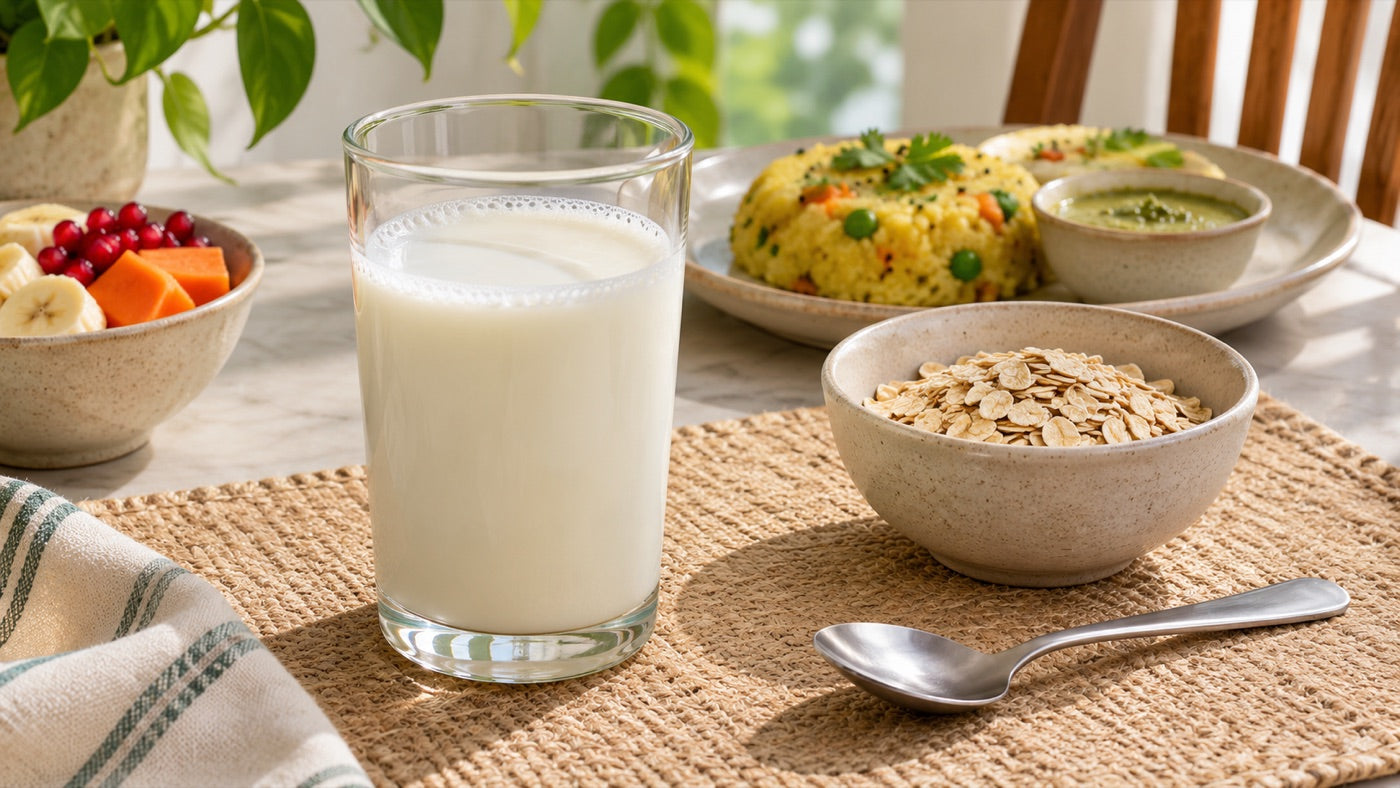
One Science Nutrition High Protein Oats in Dark Chocolate provides 13.3 g of protein, 207 kcal, 28.4 g of carbohydrate and 4.1 g of fibre per 50 g dry serving. It gives you a convenient breakfast base when your usual morning is tea followed by a rushed snack on the way out.
Prepare One Science Nutrition High Protein Oats according to the pack and add suitable foods if you need a larger meal. Milk, curd, fruit or other toppings change the bowl's nutrition, so count them separately when you're tracking. The dry oats value isn't the total for every finished breakfast you might make.
One Science Nutrition High Protein Oats contains soy and almonds, with 4.5 g of added sugar per 50 g dry serving. Those details let you make an informed choice while enjoying the Dark Chocolate preparation. Choose it because it makes breakfast practical, rather than treating the words high protein as permission to overlook the rest of the recipe.
This is one way to improve a meal without adding a separate protein drink. It doesn't mean the product replaces all the other food groups you need. A substantial breakfast can still include variety, and your later meals still deserve attention.
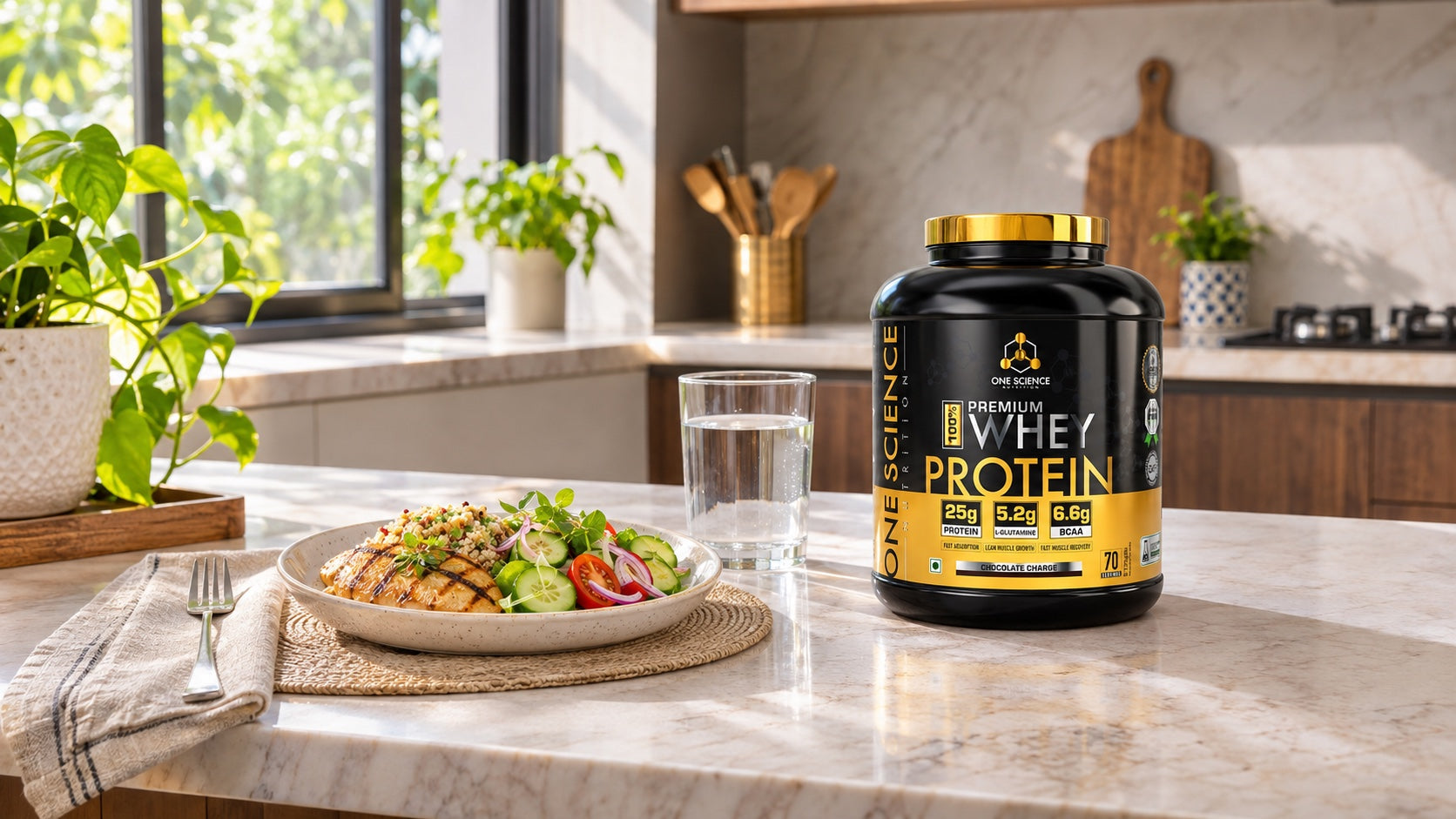
The Chocolate Charge serving of One Science Nutrition Premium Whey gives you 25 g of protein and 117 kcal in 32.5 g of powder. Its whey concentrate and isolate blend offers another way to fill the example 25 g shortage when you're unable to prepare or carry another food portion.
You might use One Science Nutrition Premium Whey after a session when dinner will be late, or at another convenient time when food leaves a gap. It doesn't need to displace a meal that was already working. Keep enough carbohydrate, vegetables, dietary fat and overall food in the day instead of turning every eating occasion into another shake.
Choose from flavours such as Chocolate Charge, Vanilla Swirl and Alphonso Mango, following the selected pack's directions. One Science Nutrition Premium Whey contains milk and soy and is unsuitable for milk allergy. It isn't recommended for children or during pregnancy or breastfeeding. Get individual advice if a medical condition, medication or prescribed diet affects your protein choices.
Judge the plan by what you can keep doing
The food-only route can work if the meals supply enough suitable protein and the wider diet supports training. A supplement-assisted route can work if the product removes a practical difficulty. Neither route deserves a moral label, and neither is automatically better because it looks more disciplined online.
Our guide to protein intake and meal timing can help you organise the day. Begin with your existing food, look for the genuine difficulty and make one repeatable change before buying several products at once.
Explore One Science Nutrition High Protein Oats when breakfast needs attention, or One Science Nutrition Premium Whey when a convenient whey serving would help. Keep the useful addition, continue the training programme and give yourself time to see how the whole routine develops.