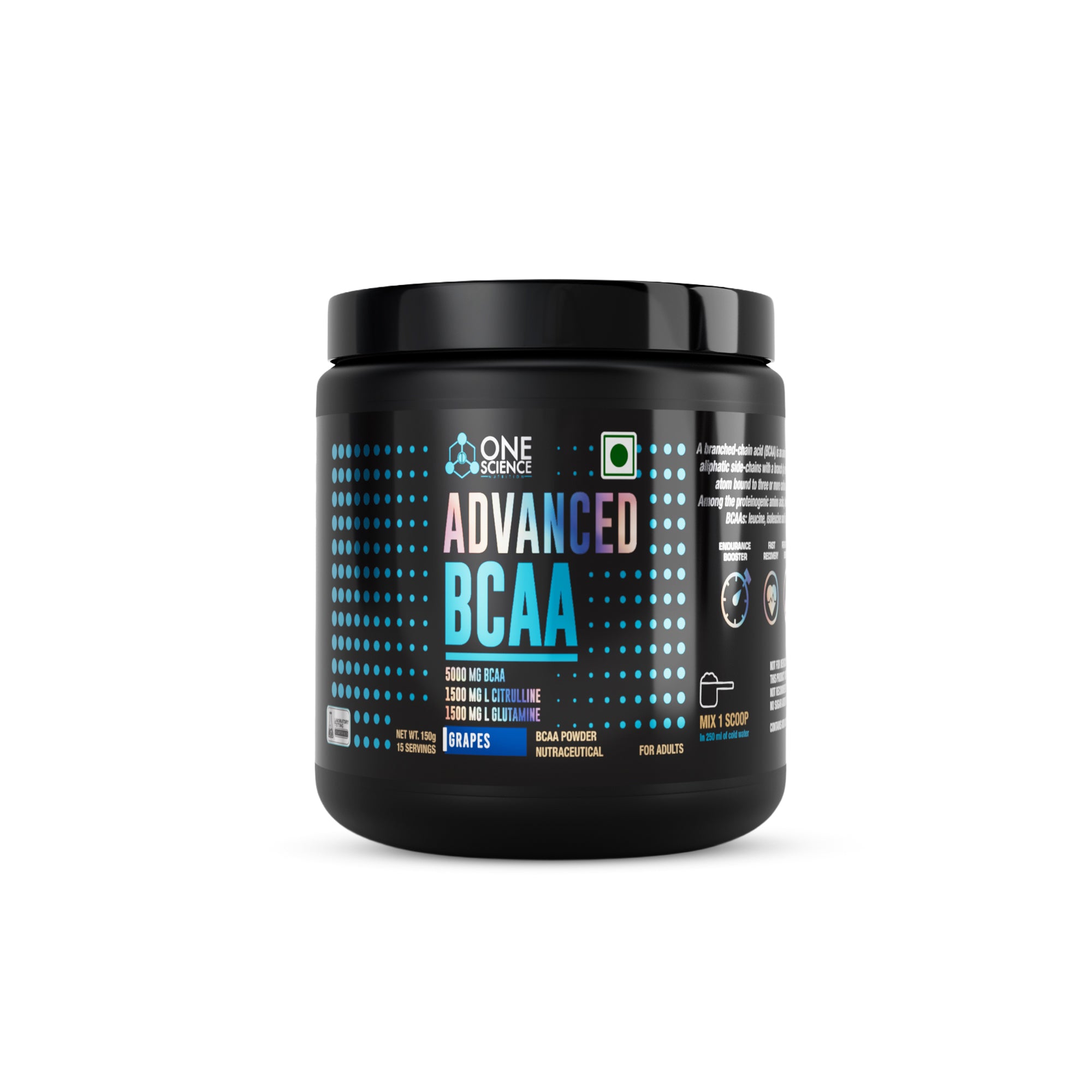
Starting creatine can be straightforward: decide whether it suits your needs, choose a clear formula, follow the pack's daily serving and attach it to a habit you already keep. You don't need a complicated loading schedule, a collection of extra products or an expectation that you will feel something immediately.
One Science Nutrition Micronized Creatine provides 3 g of creatine monohydrate in its recommended serving. For a beginner who wants creatine separately from protein, caffeine or a multi-ingredient formula, that makes the amount easy to understand. Your first month can focus on consistency and learning what the supplement is there to support.
Before day one: make sure the purpose is clear
Creatine helps support the energy system used in brief, demanding efforts, such as repeated hard sets. It isn't protein, a meal replacement or a stimulant. If the main problem is skipped meals, poor sleep or an inconsistent training programme, those problems still need attention alongside any supplement decision.
Ask what you want the product to do. Supporting an appropriate strength-training routine is a clearer purpose than taking it because everybody in a group chat has started. You can understand its role without expecting a certain transformation by the end of the tub.
This guide is for adults. Get professional advice before starting if you have a medical condition, take medication, are pregnant or breastfeeding, or have been advised to restrict supplements. A child's supplement decision needs individual clinical guidance, rather than a smaller version of an adult gym routine.
Choose one formula you can explain
One Science Nutrition Micronized Creatine contains creatine monohydrate as its single ingredient, with 3,000 mg in a 3 g serving. The 250 g pack lists 83 servings. It gives you a clearly identified daily amount without needing to plan around the other active ingredients found in some performance formulas.
That simplicity is a practical reason to choose One Science Nutrition Micronized Creatine. You can decide about protein and caffeine separately, and you don't need a stimulant just to keep the creatine habit on a non-training day. Most of the familiar creatine research also concerns monohydrate, which gives the ingredient a clear evidence base to discuss with a qualified professional.
Buy the actual product and size you intend to use, review the pack on arrival and follow its preparation and measuring directions. Don't assume that a scoop from a different tub provides the same amount. A scoop is a volume measure, and powder weights can differ between products.
Week one: attach the serving to a dependable reminder
Choose something that happens even when your workout moves: breakfast, another regular meal or preparing your bag for the next day. A reminder that depends on a specific gym time can become unreliable when a meeting runs late or a session gets moved.
With One Science Nutrition Micronized Creatine, follow the recommended daily serving rather than increasing the amount because you don't notice an immediate effect. Creatine doesn't need to produce a buzz to be useful. Judge the routine by whether you understand and follow it, not whether the first drink feels dramatic.
Keep the preparation simple and allowed by the pack. You don't need a large sugary drink or several unfamiliar ingredients. Suitable ordinary food and fluids belong in the day, with hydration matched to your exercise, conditions and medical advice rather than an arbitrary extra-water rule.
You can start without loading
The Australian Institute of Sport's guidance explains that muscle creatine can increase gradually without a loading phase. It credits Professor Eric Hultman's work on this approach and describes a slower build-up over roughly four weeks with smaller regular amounts.
That is useful context for a beginner, not a reason to turn every research protocol into product directions. Follow One Science Nutrition Micronized Creatine according to its own recommended daily use. If a sports professional proposes a different protocol for a particular reason, discuss the actual product and your health circumstances rather than multiplying servings yourself.
Loading isn't a compulsory first step. You can begin with a daily habit and allow time. That may be easier to maintain alongside learning a training programme, preparing meals and managing the rest of a working week.

Weeks two and three: keep the rest of the routine understandable
Look through your other supplements before adding anything new. Some protein or performance products already contain creatine, even when another ingredient is the main focus of the front label. Account for their recommended servings rather than assuming every tub has a completely separate role.
If you miss a serving, return to normal directions instead of doubling the next one. A forgotten day doesn't need to become a loading phase or a reason to abandon the routine. Adjust the reminder if needed and continue with a plan that is easy to explain.
Keep the powder dry, use clean measuring equipment and close the container properly after use. One Science Nutrition Micronized Creatine is made in a facility that processes milk and soy. Review that information when allergies affect your requirements, along with the full pack's directions and warnings.
Notice changes without diagnosing them yourself
Body weight can increase with changes in body water after starting creatine. That doesn't establish an equal amount of new muscle or automatically mean body fat has increased. Keep the early reading in context rather than deciding that one morning on the scale tells you everything about the supplement.
Some people experience stomach discomfort, especially when taking larger amounts. Persistent symptoms deserve advice; stop using the product and seek appropriate assessment rather than forcing the routine to work. Severe symptoms, breathing difficulty or a serious allergic reaction need prompt medical attention.
Tell your clinician about creatine use if you have blood tests or a medical review, including the product and amount. Don't dismiss an abnormal result as just a supplement effect, and don't diagnose kidney health from a gym discussion. Your health information belongs in an individual clinical assessment.
Week four: review the habit and the training together
Keep a training record from the start so you can compare similar exercises and sessions. Technique, practice, rest and programme changes can all affect performance. It is more useful to see how a repeatable routine develops than to expect a new supplement to produce a personal best every visit.
The NIH Office of Dietary Supplements describes creatine's usefulness for some repeated high-intensity efforts while separating those findings from broad claims about every kind of performance. Keep your expectations tied to the training you actually do, rather than assuming it will solve every source of tiredness.
At the end of the month, ask whether the routine is clear, suitable and practical. Can you identify what you're taking? Are you following the directions? Have you kept food, sleep and training in place? Those are better questions than whether you look like a before-and-after advertisement after a few weeks.
Explore One Science Nutrition Micronized Creatine if you want a single-ingredient monohydrate option with a clear daily serving. Choose one dependable reminder and keep your training record nearby. When work disrupts the week, return to those simple habits rather than rebuilding the whole plan around a more complicated supplement schedule.