Protein in paneer varies with the milk, moisture and recipe, so one number won't describe every pack or homemade batch. The easiest way to get a useful estimate is to use the information for the paneer you buy and the portion you actually eat, rather than relying on the size of a cube.
For the commercial example below, 100 g supplies 20 g of protein and 50 g supplies 10 g. You can use that to understand portion planning without treating it as the value for all paneer. If another protein serving would make your day easier, One Science Nutrition ISO Gold and One Science Nutrition Pea Protein give you convenient options alongside your meals.
How much protein is in 100 g of paneer?
Sabar Dairy's Amul Fresh Paneer information lists 20 g of protein, 312 kcal and 24 g of fat per 100 g. Those are average values for that particular product. They give us a clear example to work with, while your own pack may have a different recipe and different nutrition.
The energy figure is worth considering alongside the protein. Regular full-fat paneer brings fat as well as protein, which may be useful for your meal or something you want to portion more carefully. You can make either choice without deciding that paneer is automatically good or bad for everyone.
Two packs can look similar and still contain different amounts of protein and fat. If you're comparing a regular paneer with a lower-fat or higher-protein version, the nutrition panel is more useful than the colour or firmness of the block. Compare the products you're actually deciding between.
A serving guide using that 20 g reference
| Paneer portion |
Protein |
Energy |
| 50 g |
10 g |
156 kcal |
| 75 g |
15 g |
234 kcal |
| 100 g |
20 g |
312 kcal |
| 150 g |
30 g |
468 kcal |
The table uses the same commercial example throughout and describes the paneer before you add anything else. A curry made with 100 g of paneer and gravy will weigh more than the paneer alone, with extra nutrients from the rest of the recipe. Keep those parts separate when counting the meal.
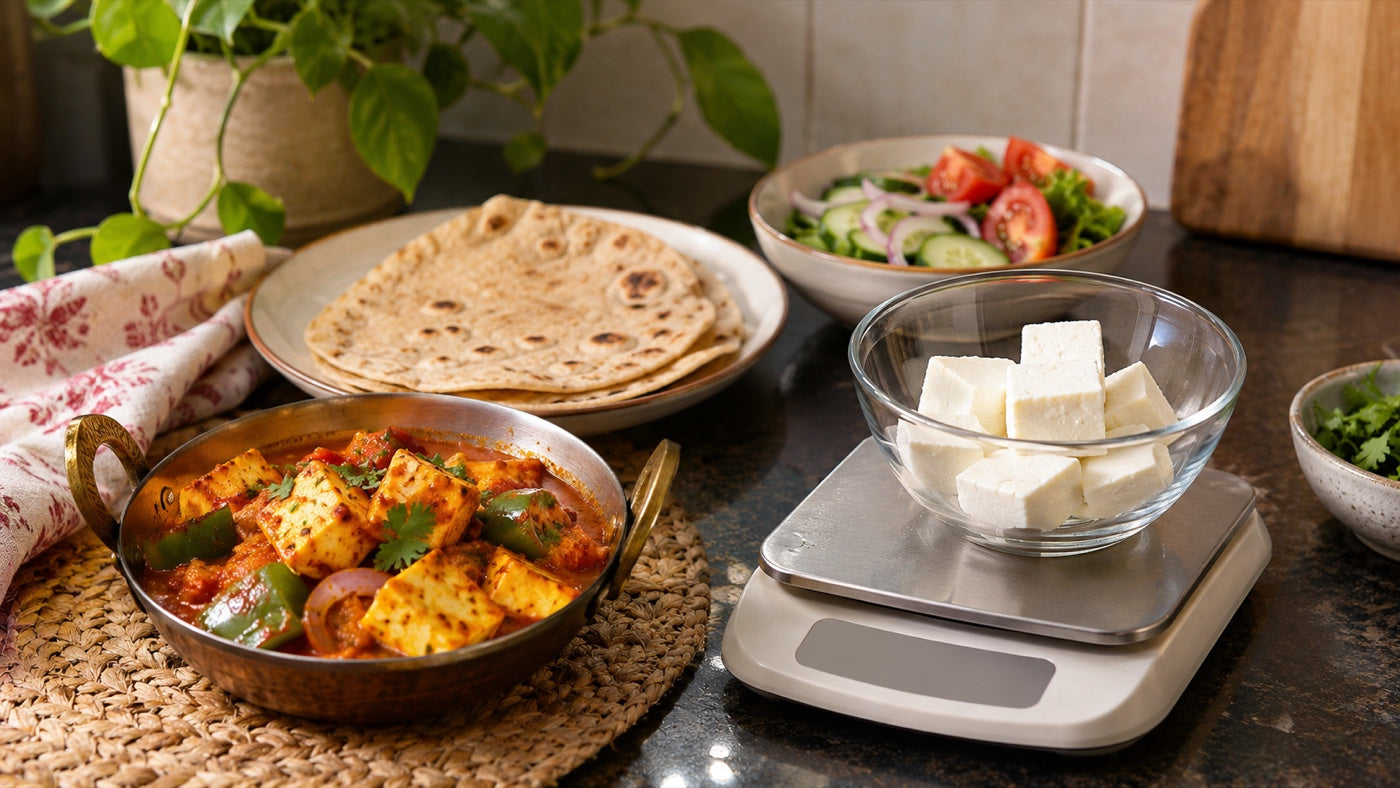
Four cubes can mean very different portions in different kitchens. Weigh a few of your usual servings once so you have a feel for them, rather than assuming that every recipe's 'six cubes' refers to the same amount. That small check makes everyday portion estimates less confusing.
Why homemade paneer varies
If you make paneer at home, the milk and the way you drain or press it influence what you get. A wetter paneer contains more retained water, while richer and leaner milks start with different compositions. The finished block can therefore vary even when you use a familiar method.
Some of the milk's nutrients remain in the liquid whey that drains away. That means you can't simply put all the starting milk's protein into a calculation for the finished paneer. Doing so can overestimate how much protein your portion contains, even if the arithmetic itself looks neat.
Keeping the milk and method consistent makes your usual recipe easier to estimate. If close tracking matters for a medical or sports-nutrition plan, a dietitian can help you work with that recipe rather than expecting every homemade batch to behave like a packaged product.
Does cooking remove the protein?
Cooking doesn't make paneer's protein disappear. Heat changes the protein's structure, and changes in water can alter how concentrated the nutrients are per 100 g. The important thing for meal planning is knowing which weight you're using, so you aren't comparing a raw ingredient with an unrelated finished dish.
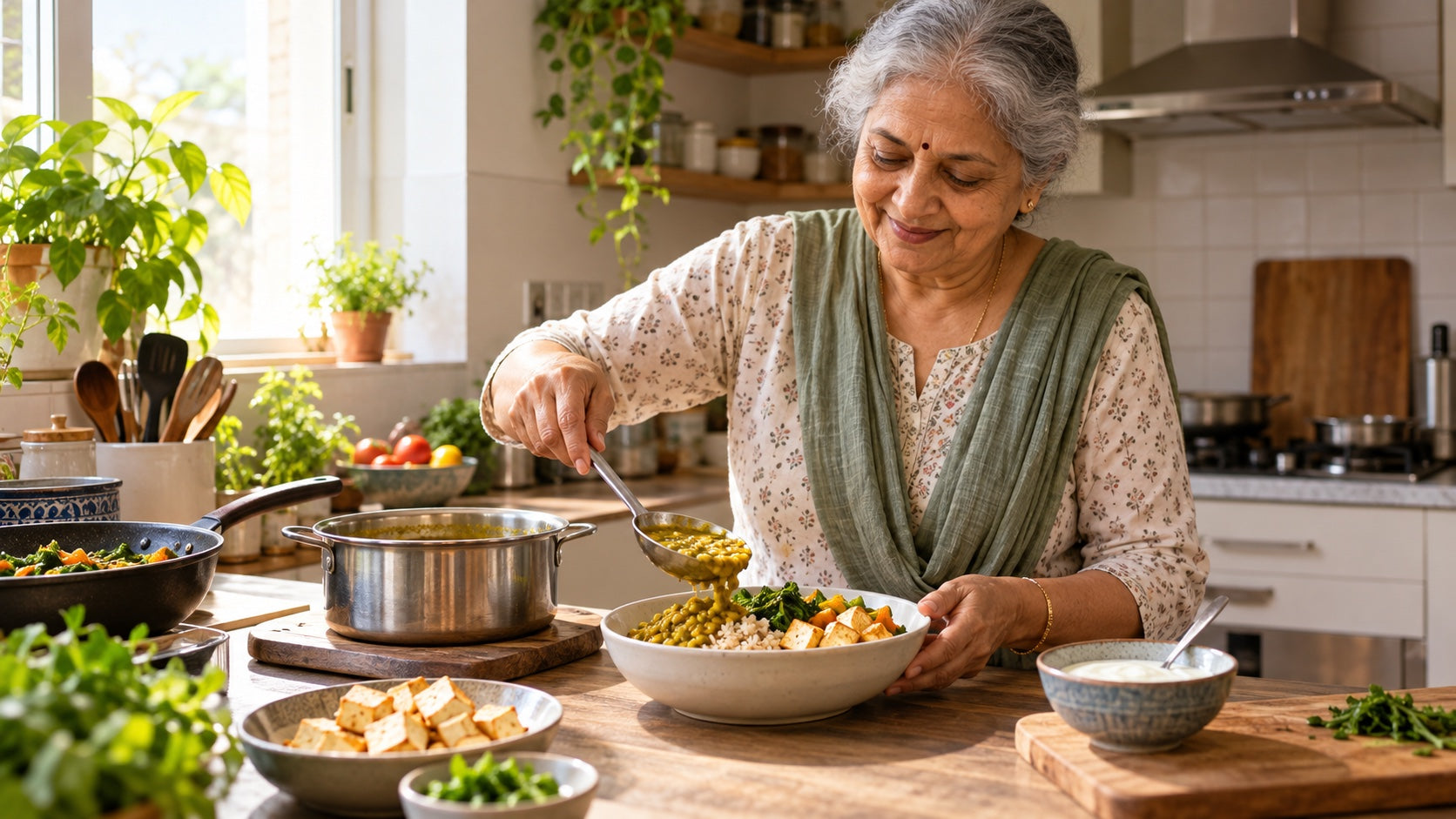
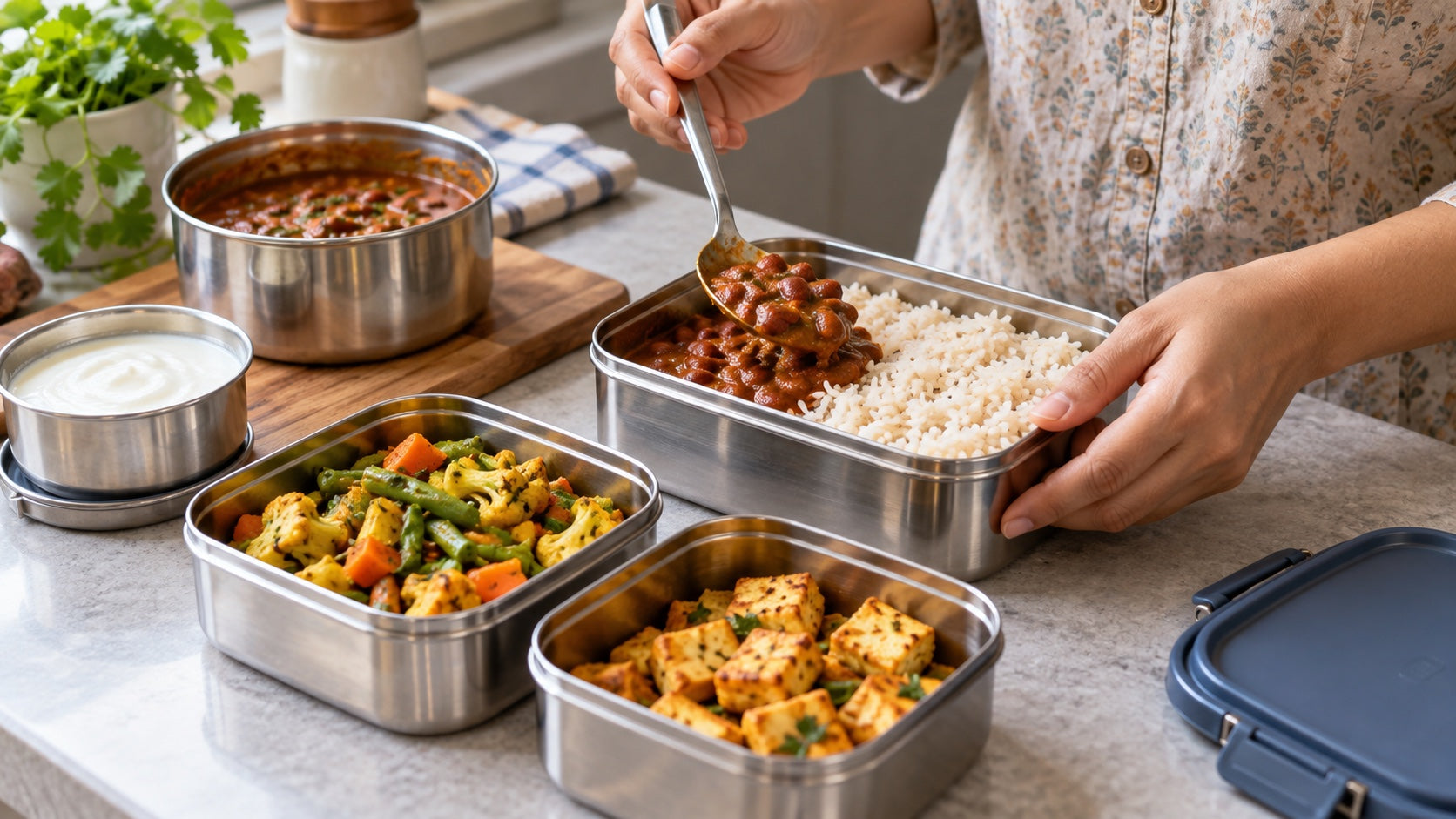
A straightforward approach is to weigh your paneer before adding it to the recipe, then count the other ingredients separately. Adding vegetables makes a bigger dish, but it doesn't remove the protein in the paneer you started with. It simply means the portion contains more than one food.
Oil, butter, cream, nuts and sauces can add substantial energy, and you don't need the same amount in every recipe. A lightly prepared paneer-and-vegetable dish and a rich restaurant curry can both contain paneer while having very different nutrition. Think about the preparation as well as the cubes.
For more on amino acids and dietary fit, read our guide to protein quality.

Where paneer fits in a protein-rich Indian meal
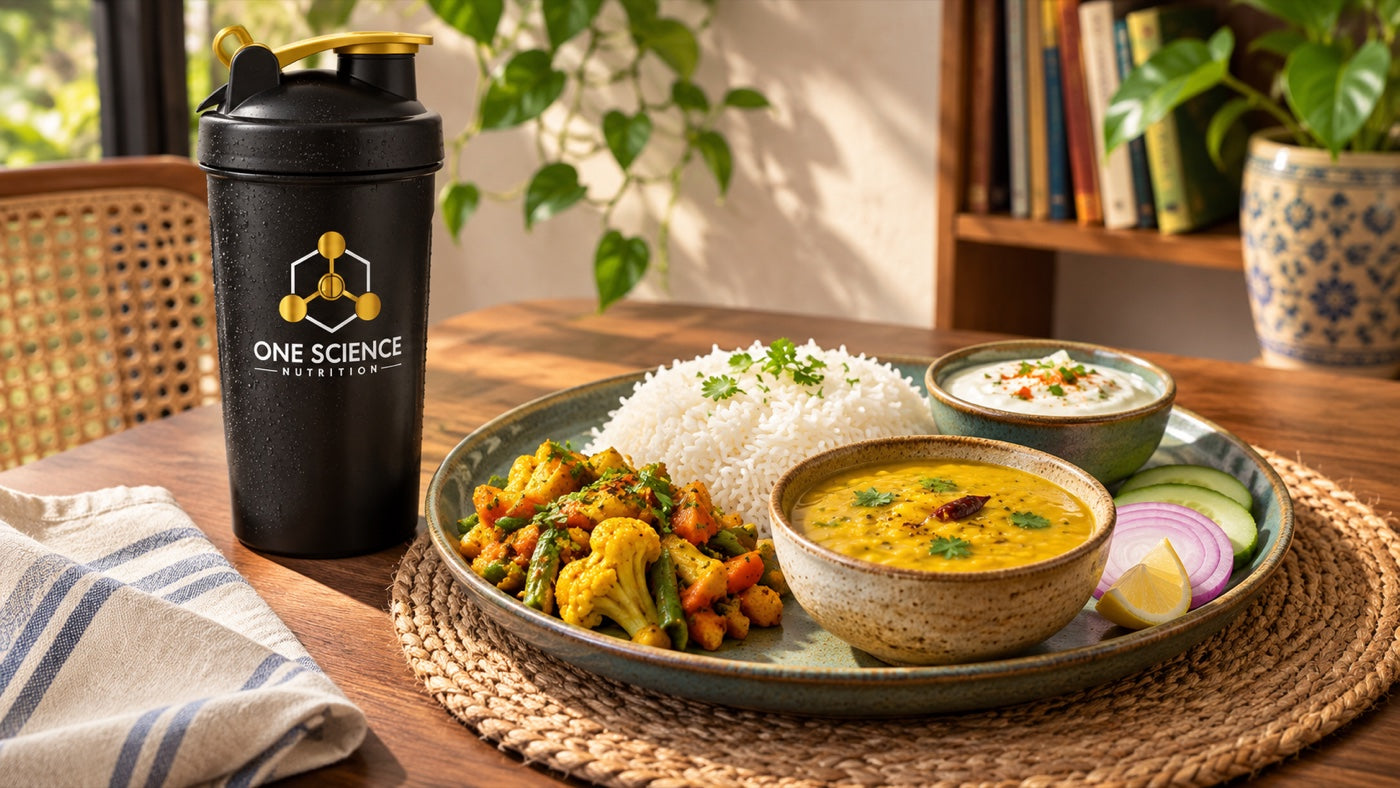
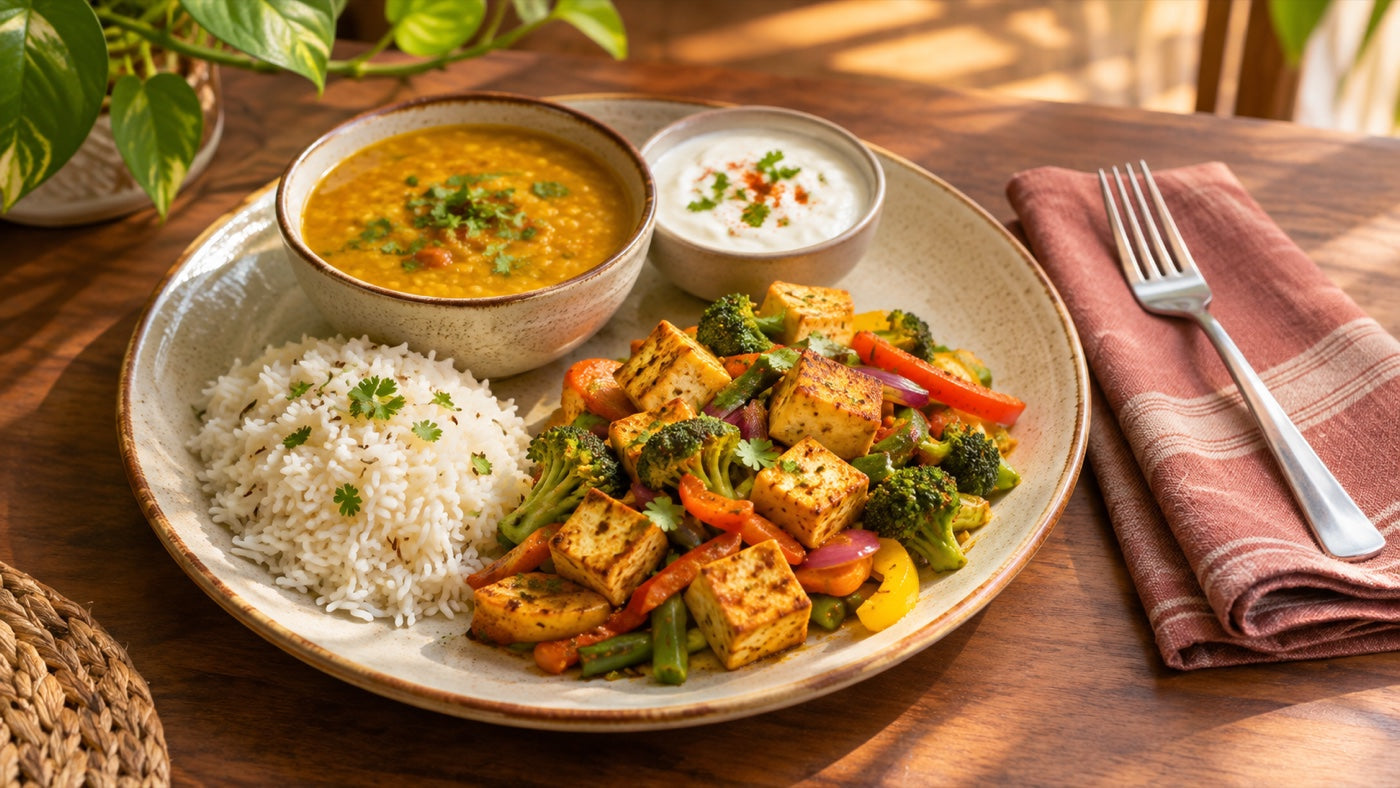
Paneer can be the main protein food beside roti, rice and vegetables, or share the meal with dal or another suitable choice. Start with a plate you enjoy and make the portion suit your appetite and goals. There's no need for every paneer meal to look like a separate gym diet.
If you're trying to gain weight, the energy in a regular paneer portion may be helpful. If you're managing energy intake, the amount and cooking method may deserve more attention. The same food can work differently within two people's plans, which is why the whole meal matters.
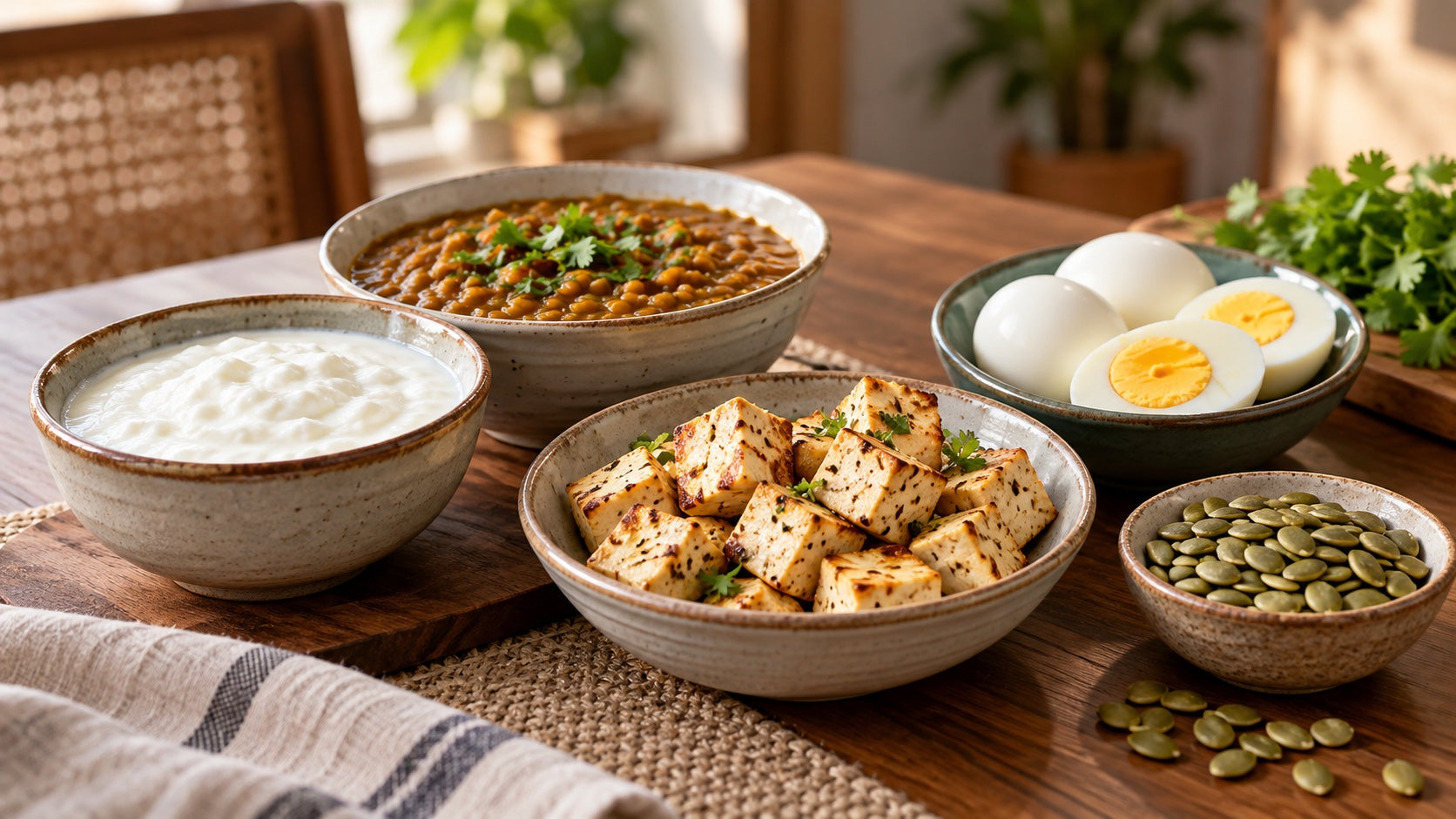
Keep other foods in the week too, whether that's pulses, soy foods, curd, eggs or fish as suitable for your diet. Variety lets you enjoy paneer without expecting it to carry every meal's protein. It also makes an eating pattern easier to live with when you want a change.
When another portion of paneer is not convenient
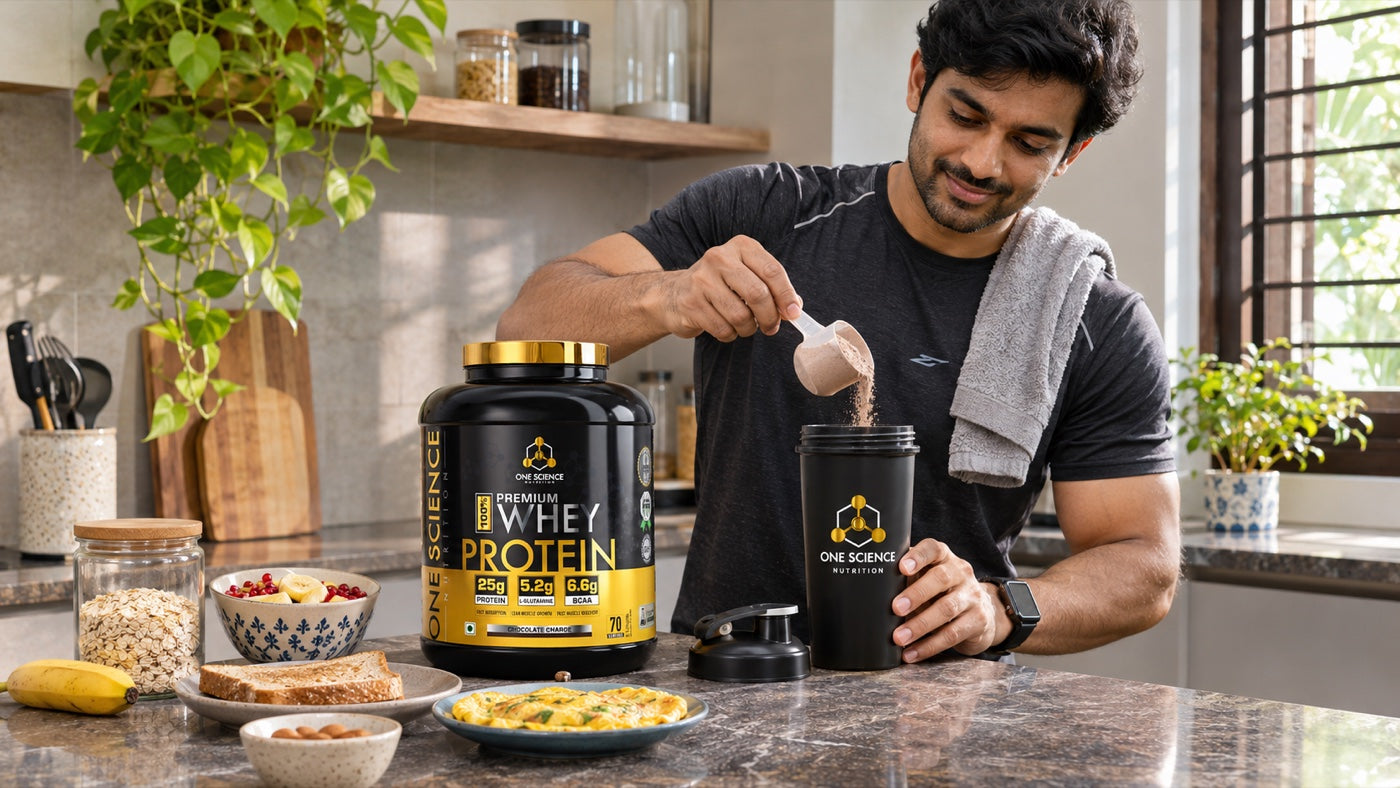
Perhaps you've already had paneer at lunch and would rather not carry another cooked portion for the afternoon. A convenient shake can help at that point without changing how useful the lunch was. You're choosing a different way to add protein, rather than trying to prove that one food has won against another.
Look at the serving, ingredients and dietary fit before choosing the shake. It can make a particular eating occasion easier while paneer and other suitable foods stay in your regular meals. You don't have to ask the supplement to provide everything those meals normally contain.
One Science Nutrition ISO Gold and One Science Nutrition Pea Protein offer whey-based and pea-derived options for that decision. Their serving weights and nutrient amounts differ, so compare the actual product serving rather than the look of the scoop. Choose the source that suits you and the way you plan to use it.
One Science Nutrition ISO Gold provides 27 g of protein in its 32.5 g Chocolate serving, with 113 kcal, 0.5 g carbohydrate and 0.3 g fat. Its protein ingredients combine whey isolate and hydrolysed whey.
If you want a convenient protein drink without the fat contribution of another full-fat paneer portion, that serving may be useful. It doesn't make carbohydrate or fat unnecessary elsewhere in the day, or establish that a shake will build more muscle. Keep enough food and variety around the protein you add.
Use One Science Nutrition ISO Gold according to the selected pack's directions and count any milk or other additions separately. The product is milk-derived and unsuitable for milk allergy. It is not recommended for children, pregnancy or breastfeeding. If lactose or digestive discomfort is a concern, check the selected pack and get advice on whether it suits you.
One Science Nutrition Pea Protein supplies 25 g of protein in its 40 g serving, with 154.52 kcal and 5 g of fibre. It offers another route when you want a plant-derived protein source rather than an additional dairy-based product.
You can choose One Science Nutrition Pea Protein even if you also enjoy paneer. A pea-derived shake at one point in the day and dairy foods at another can be a practical preference, rather than a rule that every meal must use the same source. Keep the usual pulses, grains, tofu and other suitable foods in the picture too.
Flavours include Rich Chocolate, Iced Coffee and Unflavoured. Review the selected flavour's full ingredients, allergens and warnings before buying One Science Nutrition Pea Protein. Check the full product even when the protein comes from plants, especially if you need to avoid particular ingredients.
Make your portion estimate useful
Use your paneer's protein per 100 g and the weight of your portion, then account separately for gravy and cooking ingredients. Once you understand your usual amount, you can make everyday choices with less guesswork. That's more useful than trying to keep track of cubes that change size from meal to meal.
Keep enjoying paneer as food, and choose a shake when convenience would help your day. Explore One Science Nutrition ISO Gold for a concentrated whey serving or One Science Nutrition Pea Protein for a pea-derived option, then give the suitable product a clear place alongside the meals you already enjoy.