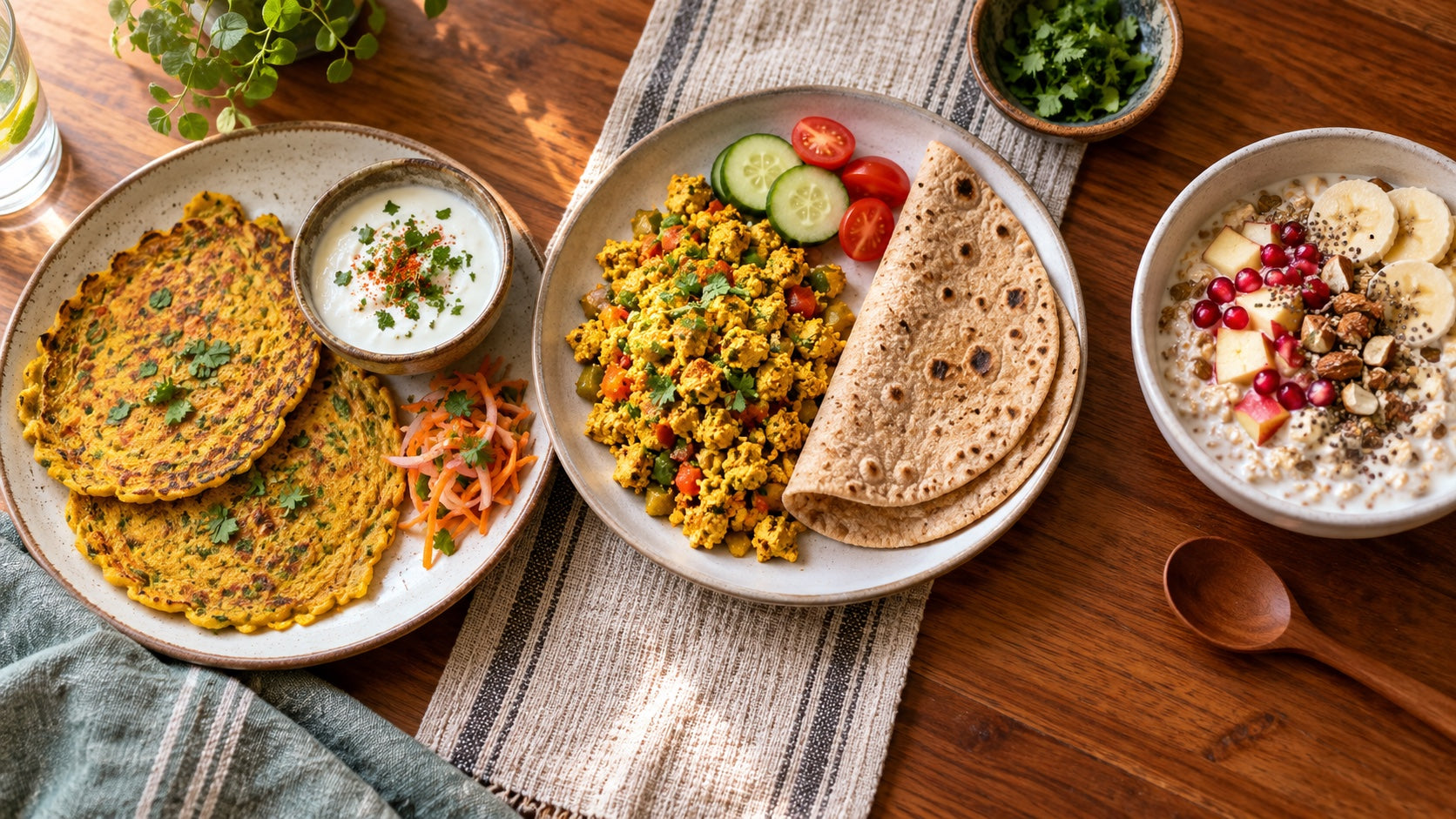
A complete protein supplies all nine essential amino acids in adequate proportions. “Incomplete” usually means a protein source is relatively low in one or more of those amino acids. It does not mean the food has no nutritional value, or that plant foods cannot meet your protein needs.
One Science Nutrition Premium Whey supplies a complete milk-derived whey protein source. One Science Nutrition Pea Protein offers a pea-based protein portion that can fit within a varied diet. Both are worth understanding in the context of what you eat across the day.
What makes an amino acid essential?
Amino acids are the smaller units used to make proteins. Your body can make some of them, but it cannot make enough of the nine essential amino acids to meet its needs. You need to obtain those through your diet.
The nine are histidine, isoleucine, leucine, lysine, methionine, phenylalanine, threonine, tryptophan and valine.
“Essential” describes the dietary requirement. It does not mean the other amino acids are unimportant. The body uses the full set to make its proteins.
Complete and incomplete: a practical distinction
Registered dietitian Gillian Culbertson's Cleveland Clinic explanation of complete proteins focuses on adequate essential-amino-acid amounts and on eating varied protein foods through the day.
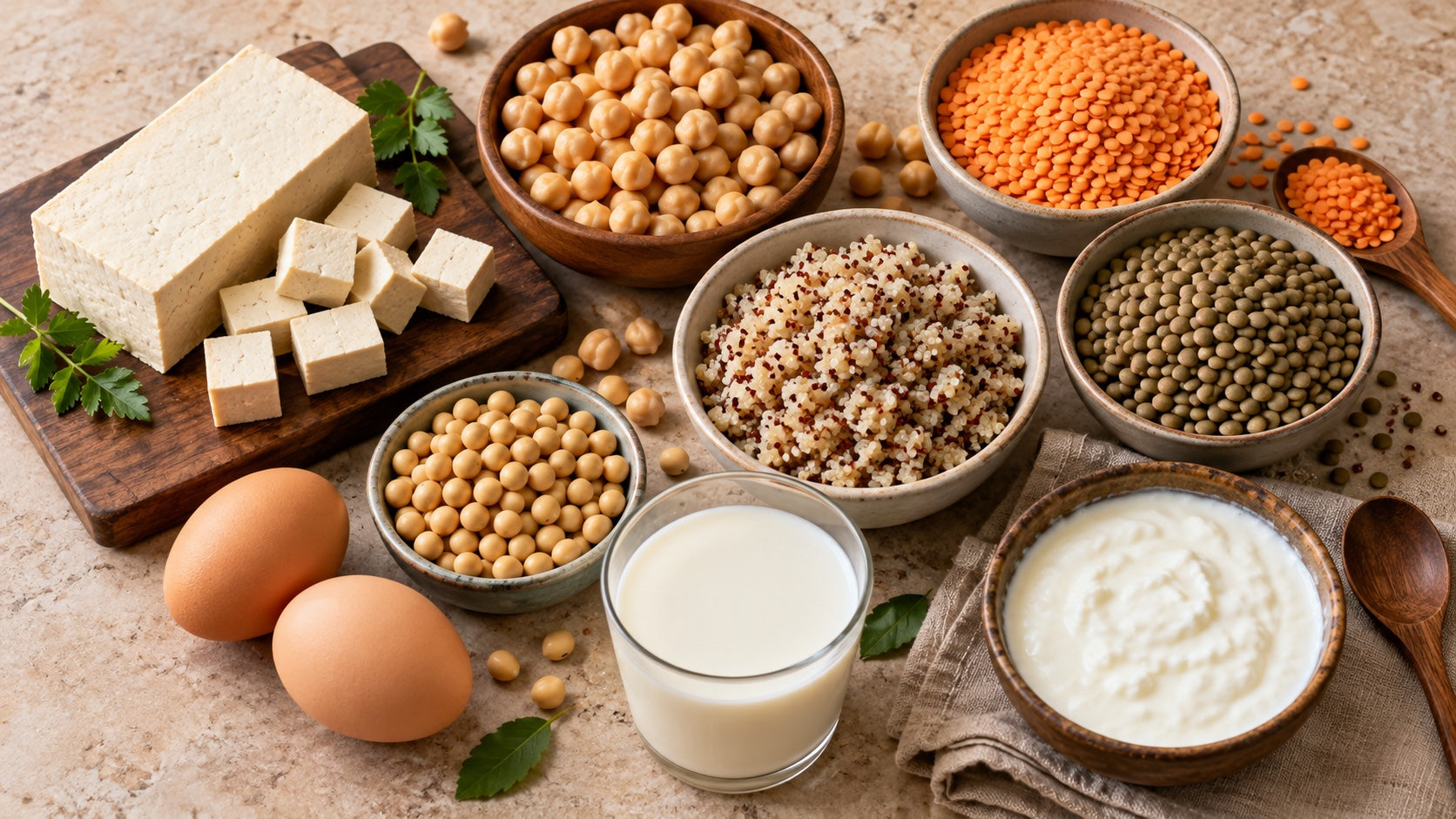
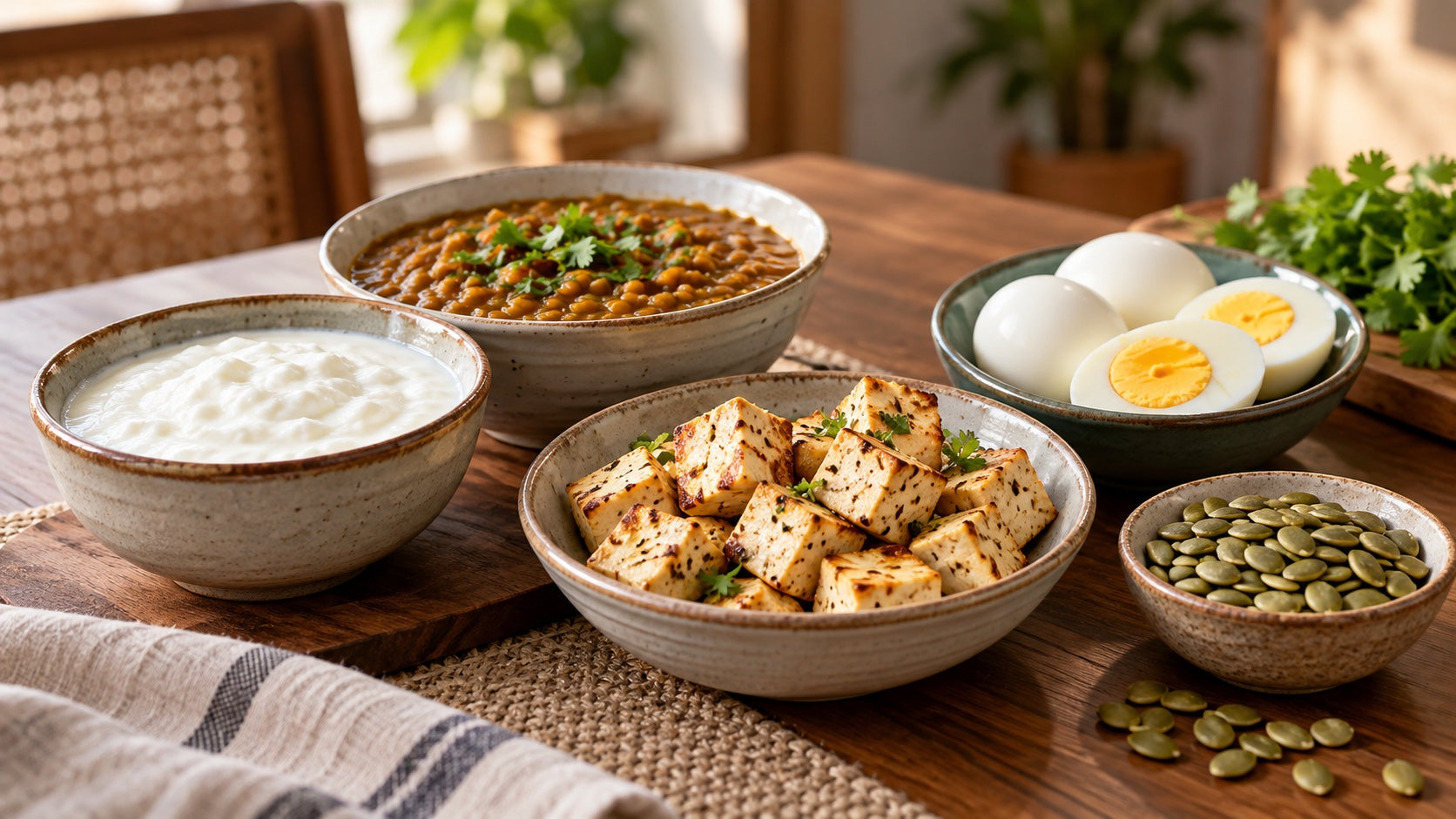
Eggs, milk-derived proteins, fish, meat and soy are familiar examples of foods with complete essential-amino-acid profiles. Many other plant foods have different relative proportions. Grains tend to be lower in lysine, while pulses can help contribute more of it.
The useful question is not whether a food belongs on a good or bad list. It is whether the overall eating pattern supplies enough protein and essential amino acids, alongside the other nutrients you need. Our guide to protein quality covers how digestibility adds another part to the decision.
| Familiar combination |
What it contributes |
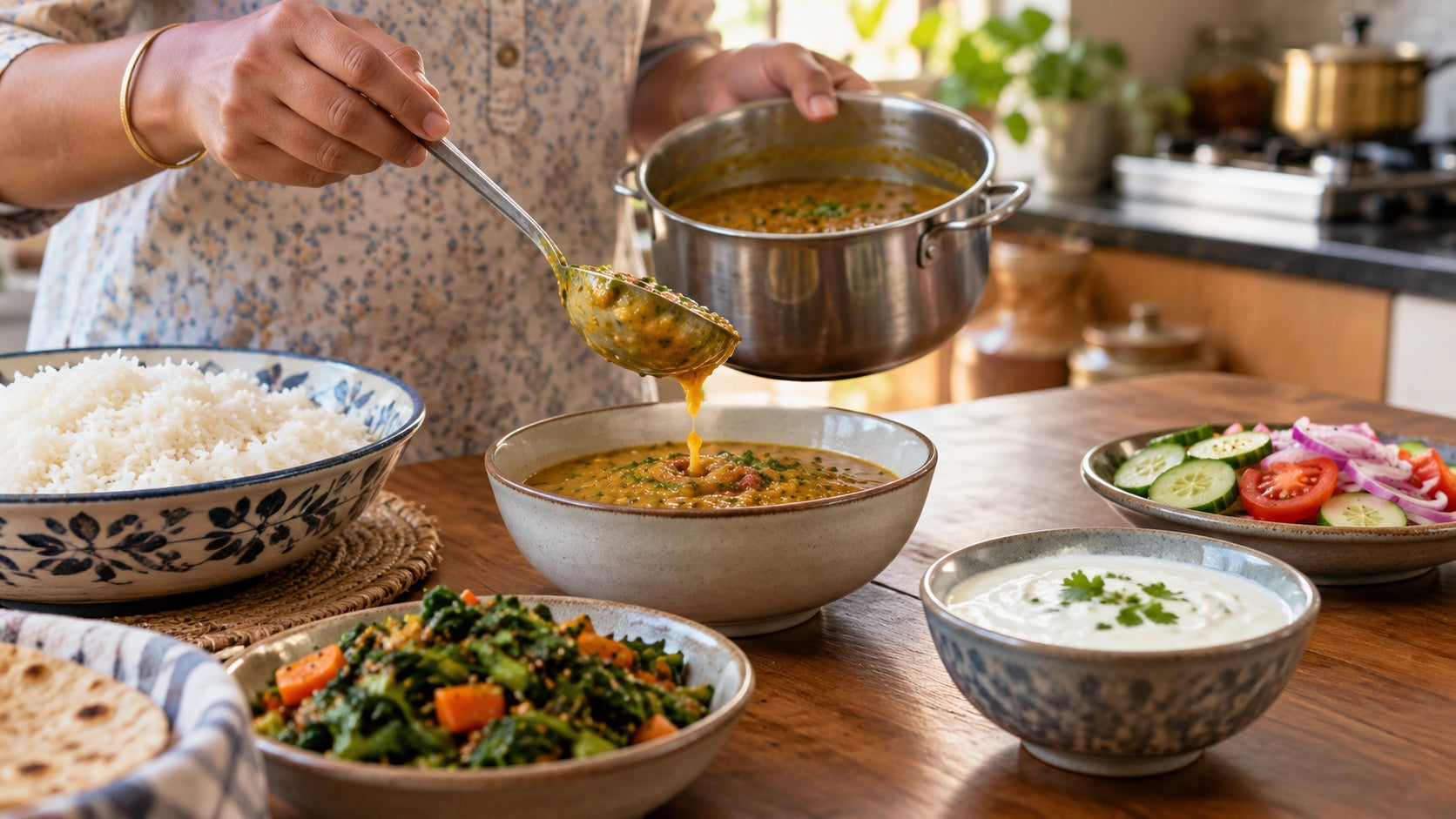
| Dal with rice or roti |
Different plant protein sources within an ordinary meal |
| Rajma with rice and vegetables |
Beans, grain and food variety |
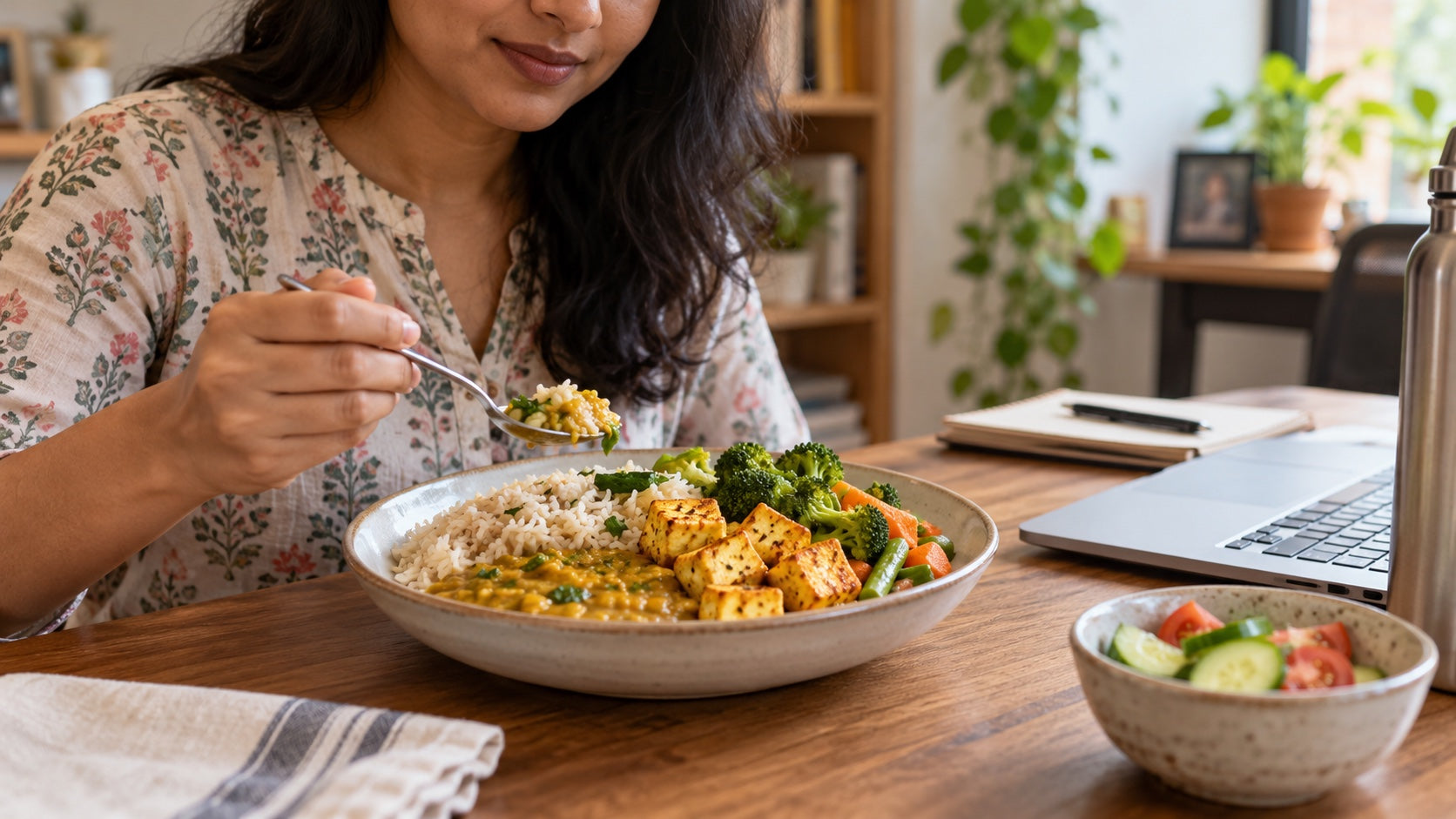
| Tofu with vegetables and rice |
Soy protein within a larger meal |
| Eggs or curd alongside a grain-based breakfast |
Another protein source and a broader mix of foods |
Vary the portions and sides to suit the meal you need.
Must you combine plant proteins in the same meal?
You do not need to carefully pair every mouthful. MedlinePlus guidance on amino acids explains that a variety of foods over the day can provide the needed amino-acid balance.
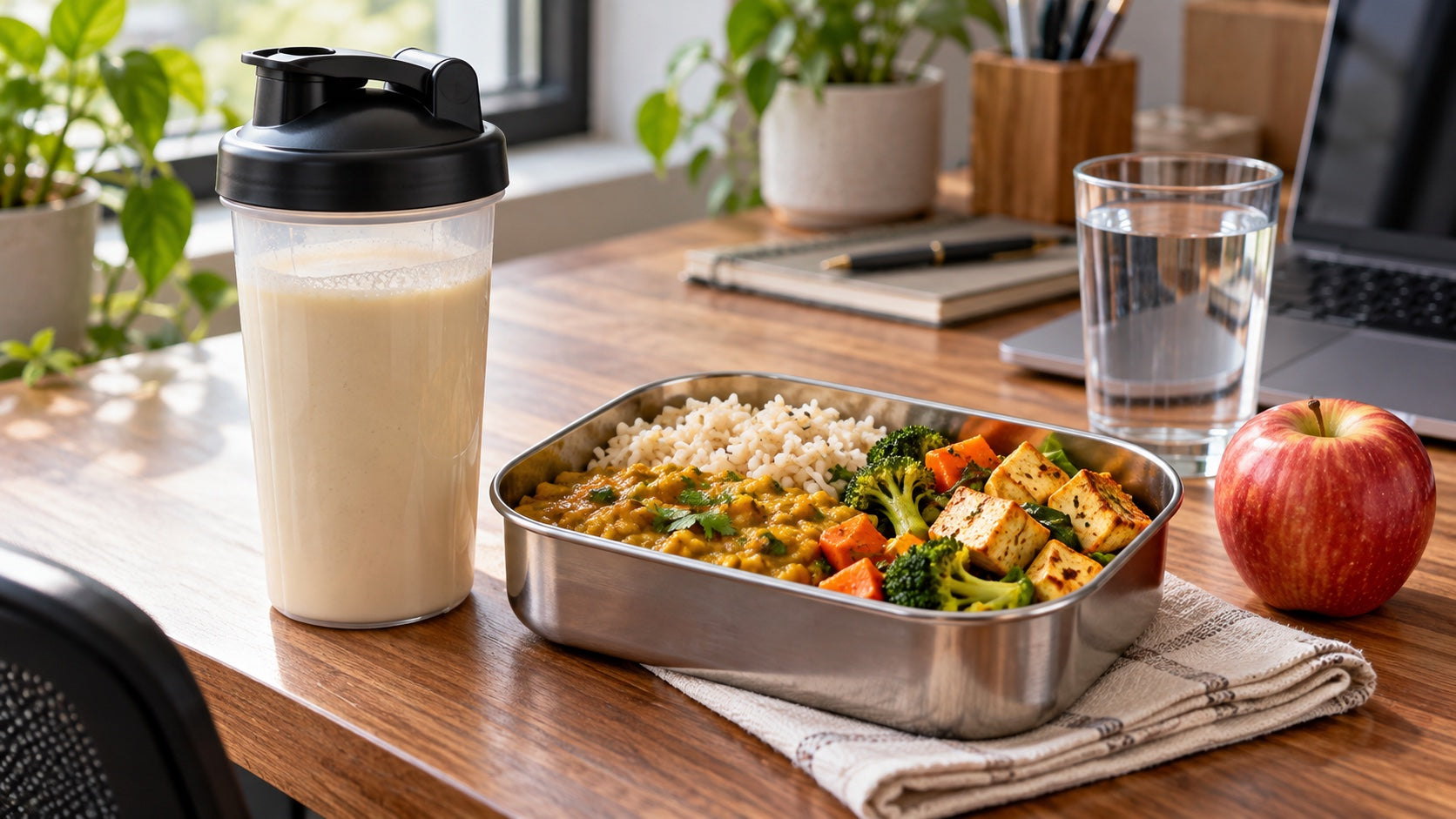
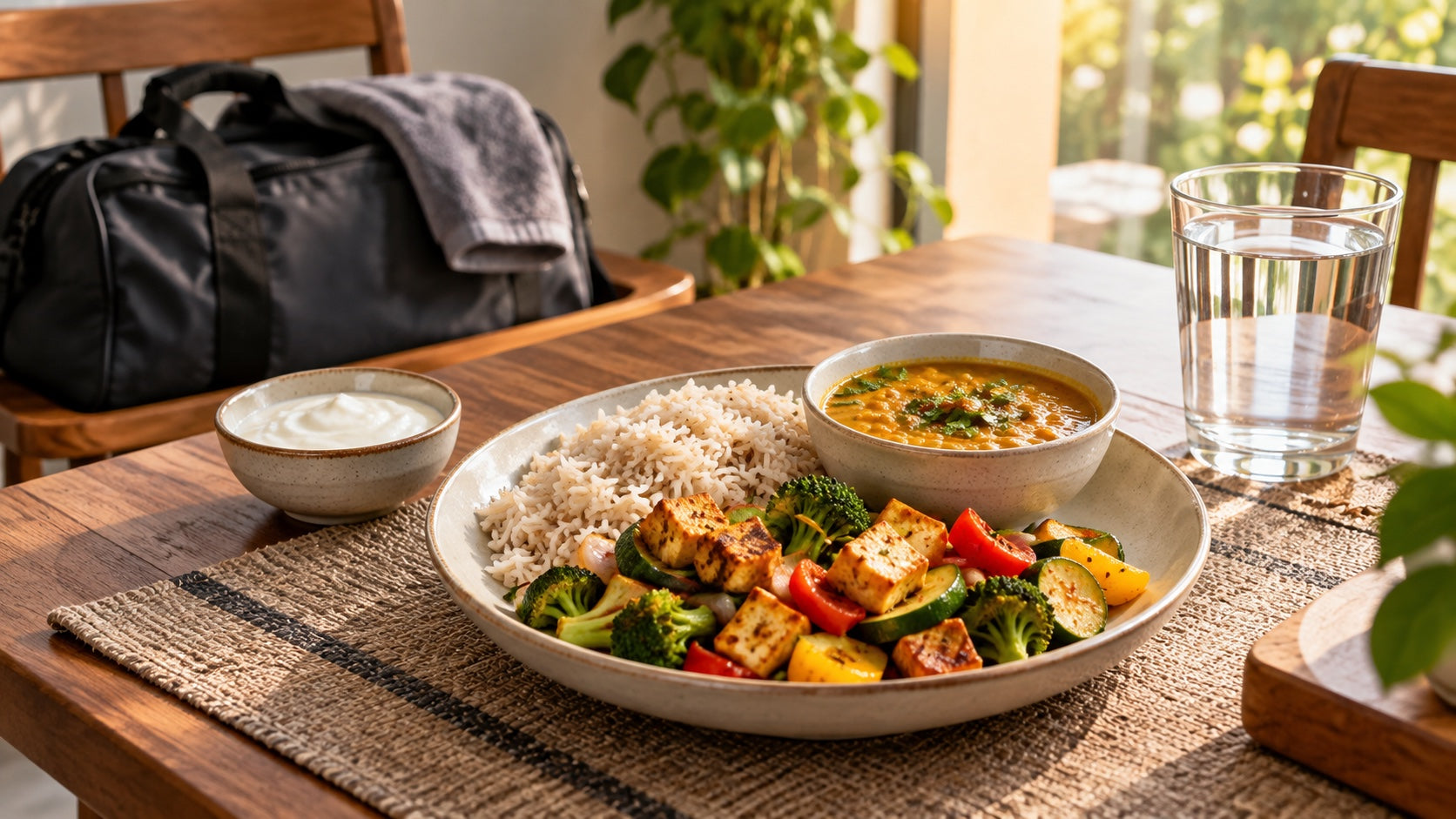
Dal with rice is a useful, familiar combination. So are beans, soy foods, grains, nuts and seeds used across different meals. Total food intake and actual portions still matter; variety cannot make up for consistently eating too little.
One Science Nutrition Premium Whey as a complete protein option
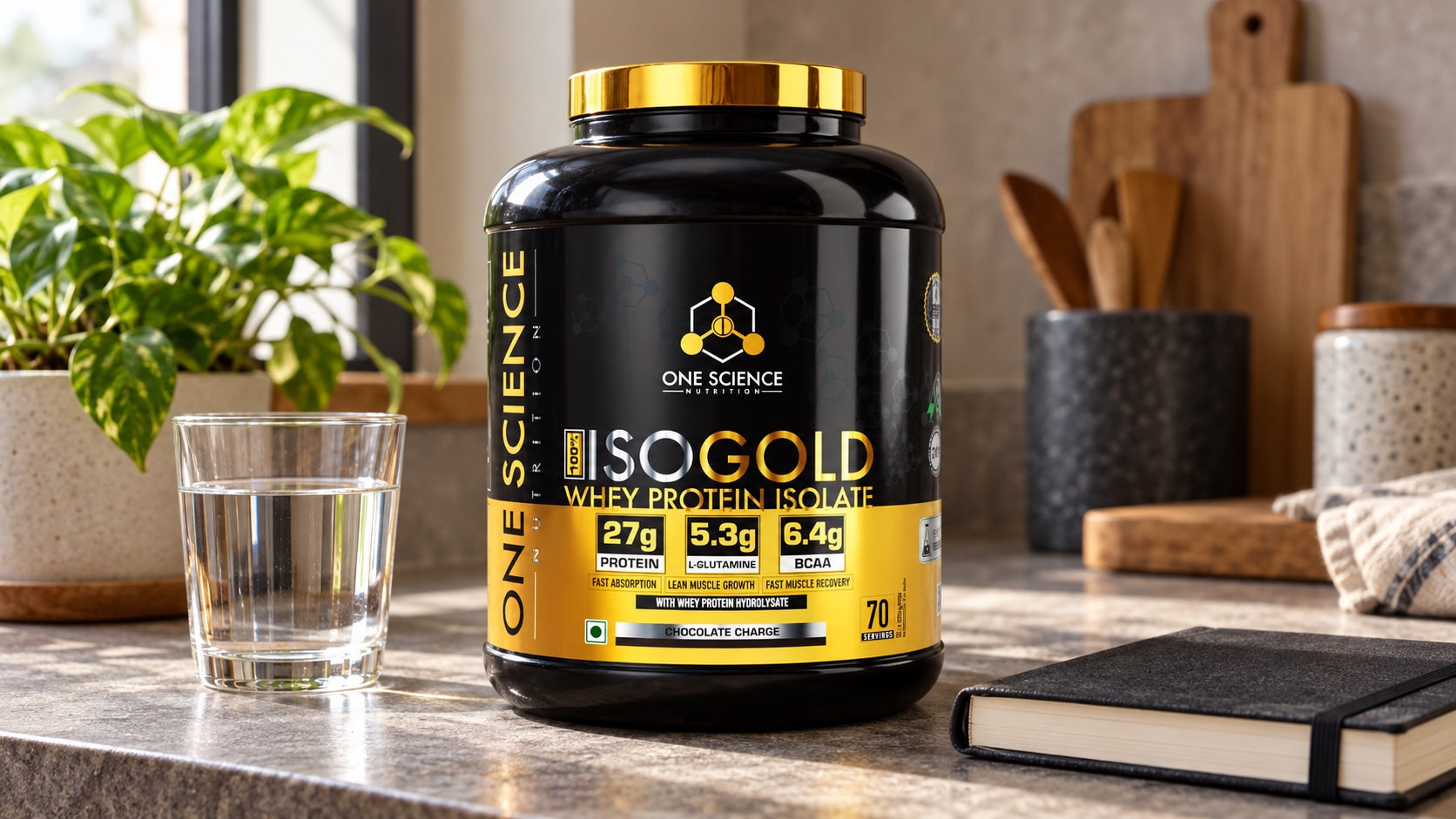
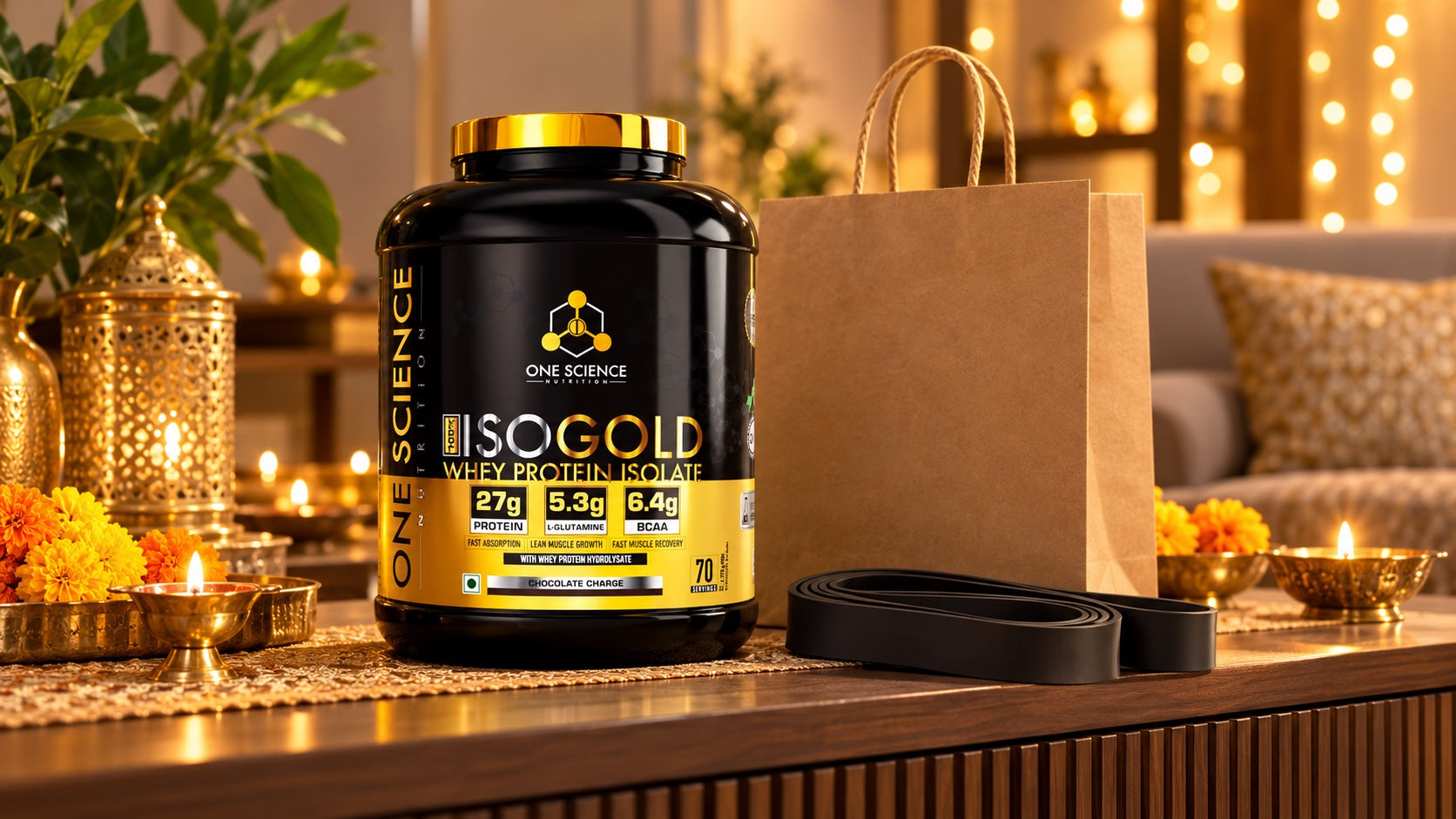
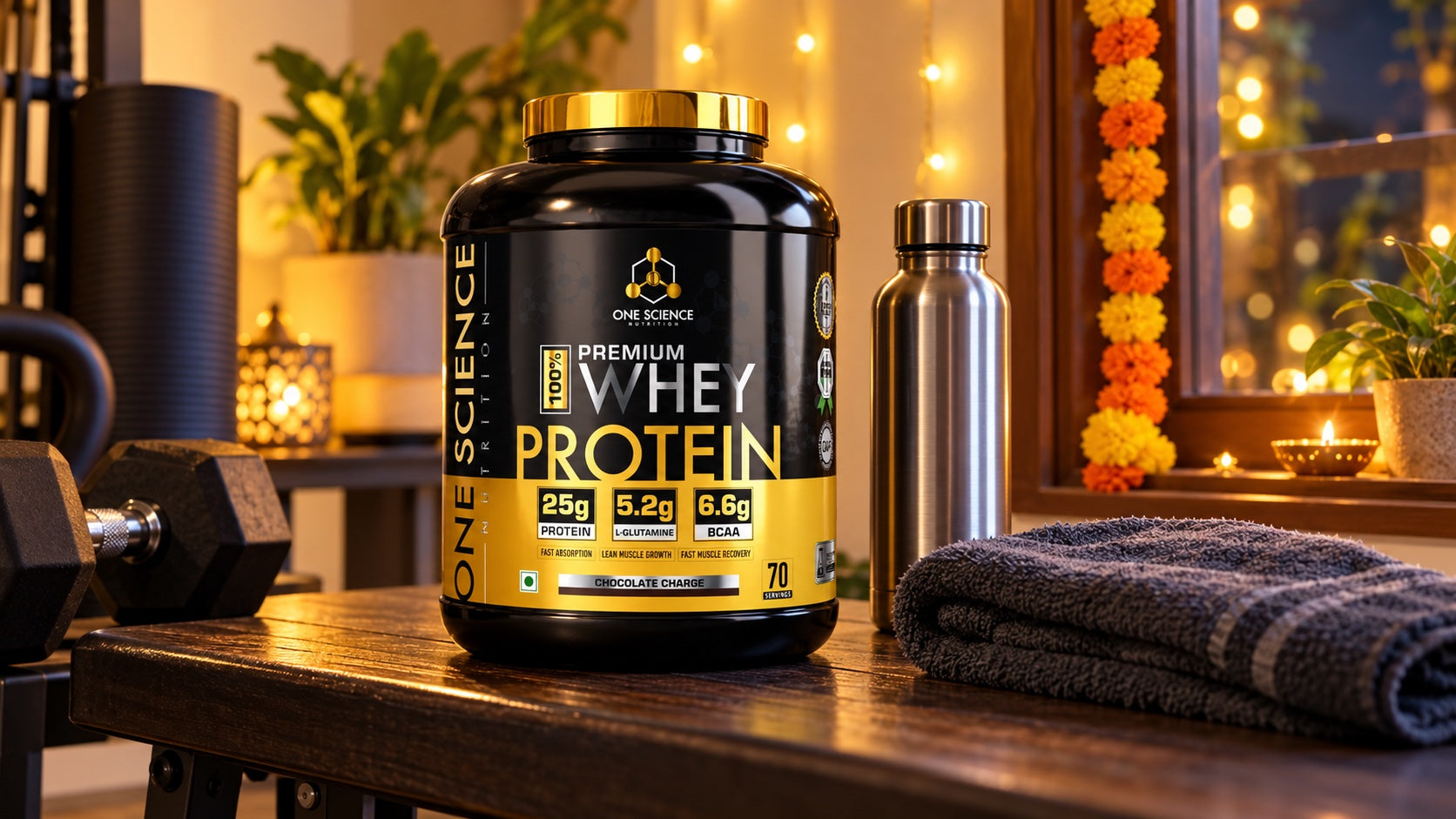
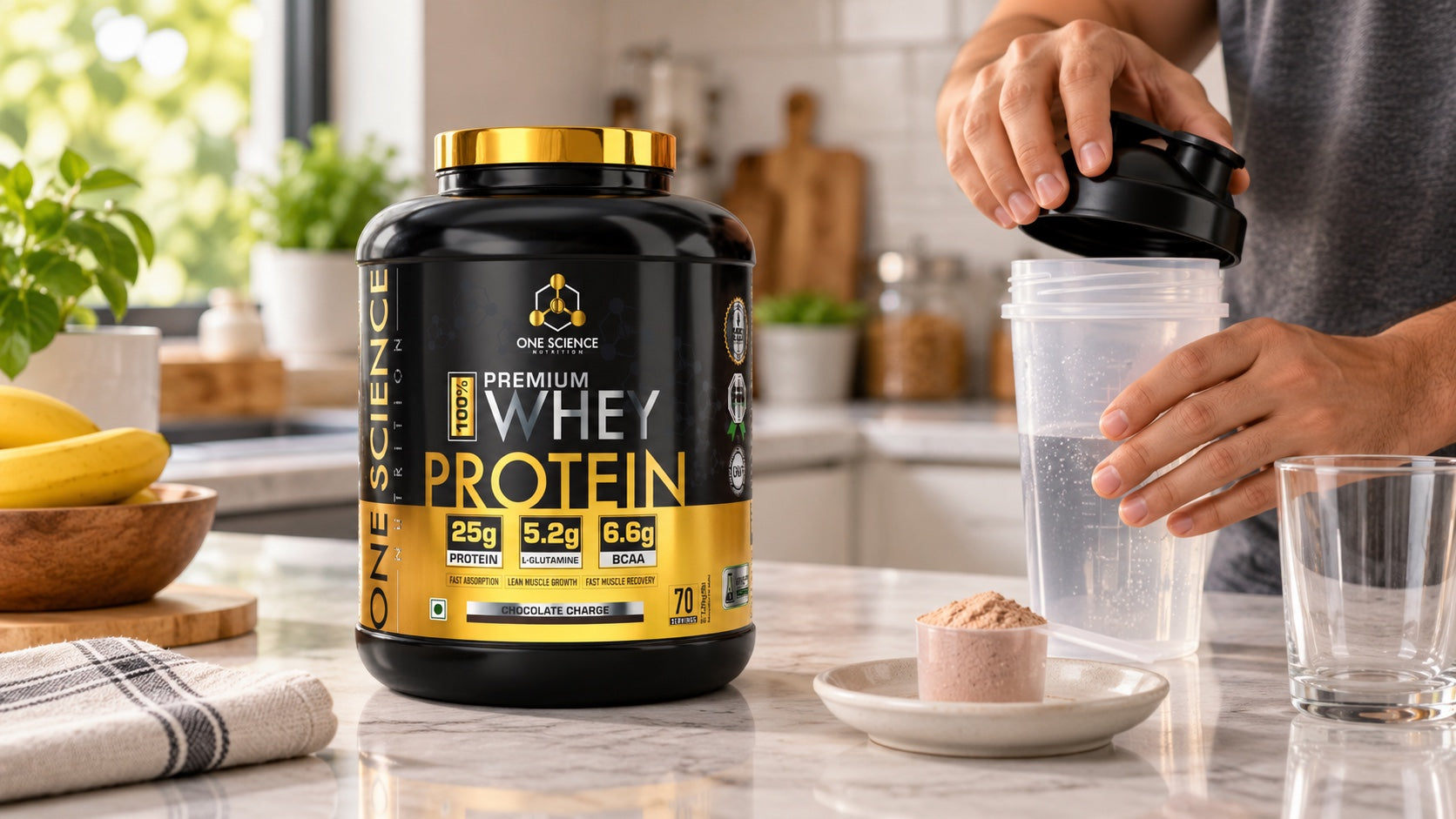
One Science Nutrition Premium Whey combines whey concentrate and isolate. Because whey supplies all nine essential amino acids, it gives you a convenient complete protein source in a measured portion.
The Chocolate Charge serving of One Science Nutrition Premium Whey provides 25 g protein per 32.5 g powder, with 117 kcal. That can help when your usual meals leave a protein gap or another cooked food is inconvenient.
“Complete protein” does not mean “complete meal”. One Science Nutrition Premium Whey is intended to fit around a varied diet. It contains milk and soy and is not recommended for children or during pregnancy or breastfeeding. It is unsuitable for milk allergy.
A pea-based option: One Science Nutrition Pea Protein
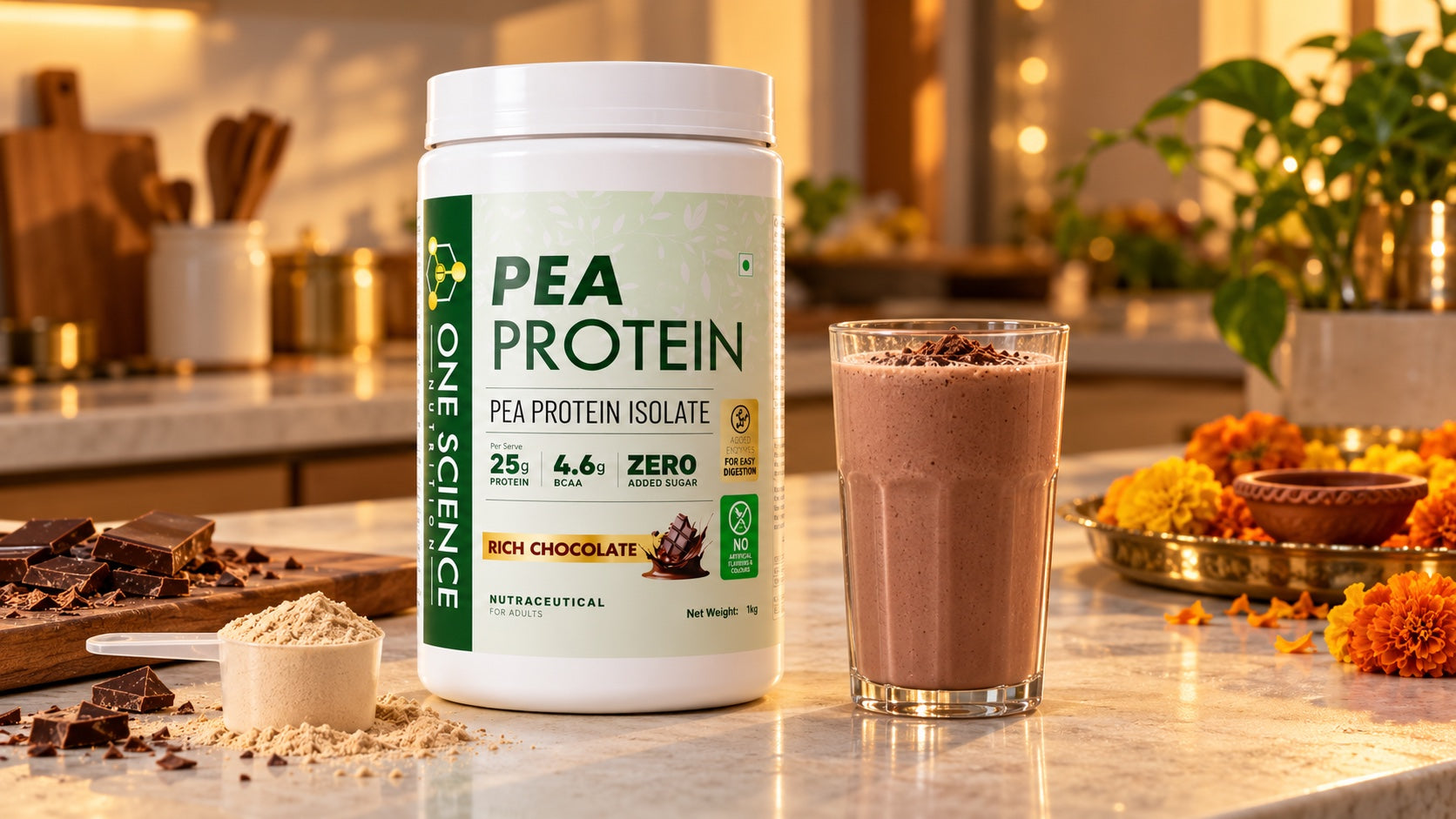
One Science Nutrition Pea Protein provides 25 g protein in a 40 g serving, with 154.52 kcal and 5 g fibre. It offers a convenient way to add pea-derived protein to your day.
Consider One Science Nutrition Pea Protein if pea protein fits your preferences. Keep a variety of other protein-containing foods in the diet too. You do not need to buy a second powder simply to make every shake a blend.
Choose from the listed flavours according to what you enjoy and how you will prepare it. Check the selected flavour's complete ingredient and allergen information; the source name is not a guarantee of allergy suitability.
Apply the idea to your next meal