Protein quality describes how well a protein supplies the essential amino acids the body needs, taking digestibility into account. Protein quantity still matters. A tiny portion of a high-quality protein can leave you short, while a varied diet can combine different protein sources effectively.
For a convenient supplement, One Science Nutrition Premium Whey and One Science Nutrition Pea Protein offer different routes: a whey concentrate-and-isolate blend, or pea protein isolate. Choosing well means looking at how a serving fits your food intake, rather than treating the word quality as a complete buying guide.
Quality begins with the amino acids
Proteins contain amino acids linked together. Nine are called essential because the diet must supply them. The amounts and balance of these amino acids help determine the nutritional quality of a protein.
A limiting amino acid is the essential amino acid present in the lowest proportion relative to the reference requirement. It is not necessarily absent. This is why saying every plant food is missing an amino acid can be misleading.
Digestibility matters too. A food may contain amino acids, but the body must be able to release and absorb them. The FAO expert consultation on protein-quality evaluation brings amino-acid supply and digestibility together when assessing protein quality.
You do not need laboratory terminology at every meal. The practical goal is enough protein from suitable foods, with sufficient essential amino acids across the diet. Our guide to amino acids in dietary protein explains the different groups.
Complete protein does not mean complete meal
Complete protein generally means a source supplies all nine essential amino acids in adequate proportions. Dairy, eggs and soy are familiar examples.
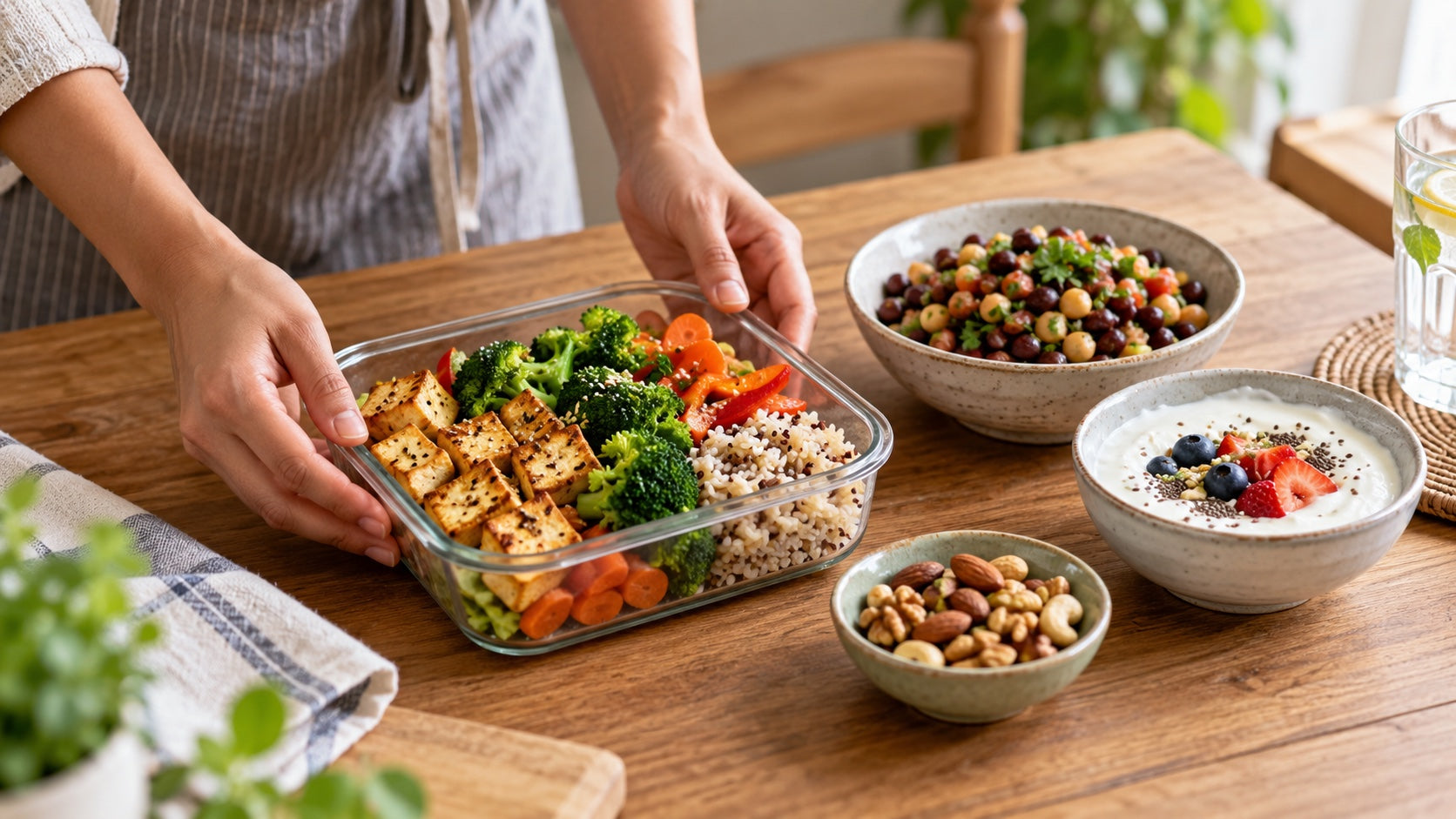
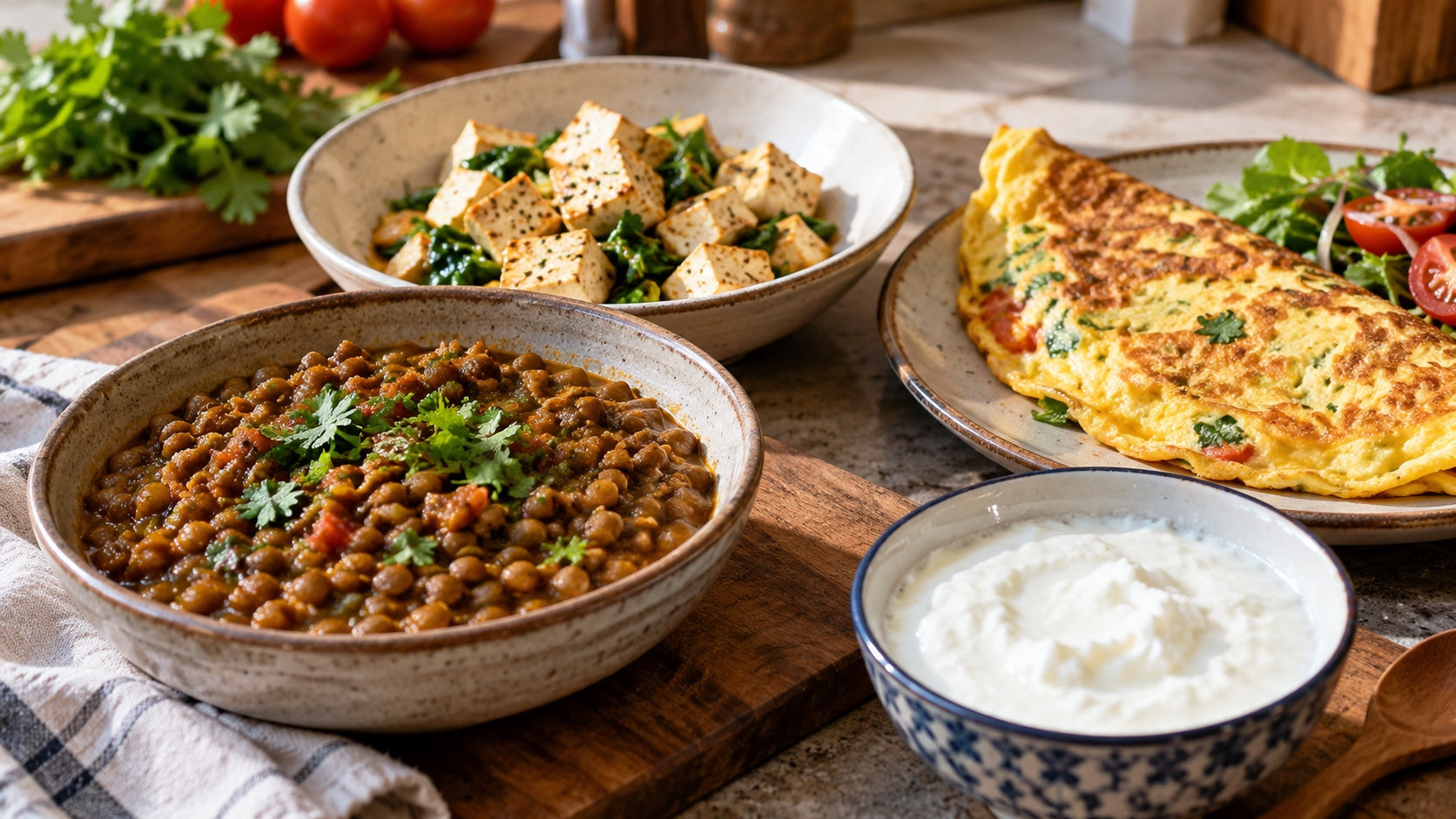
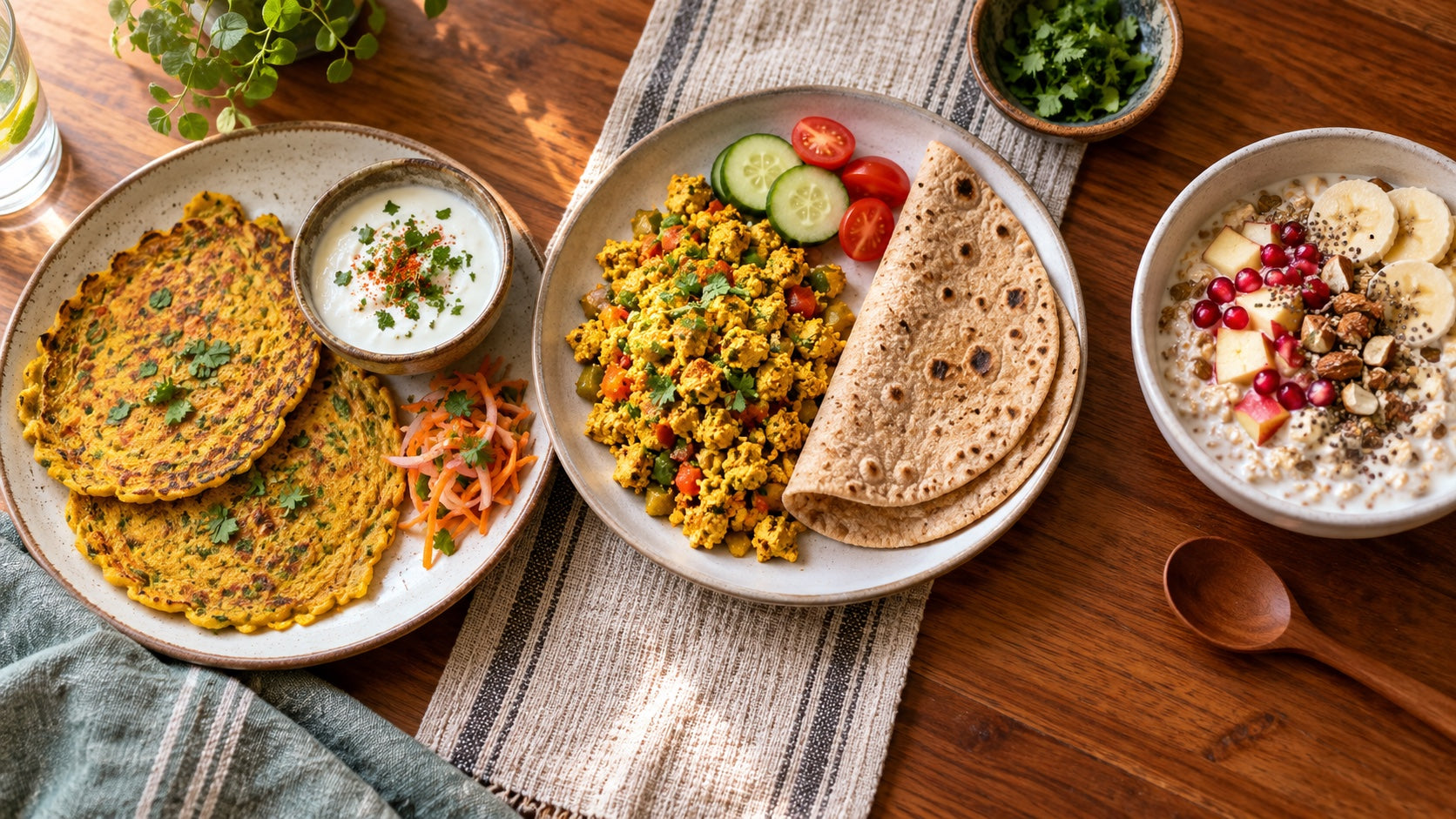
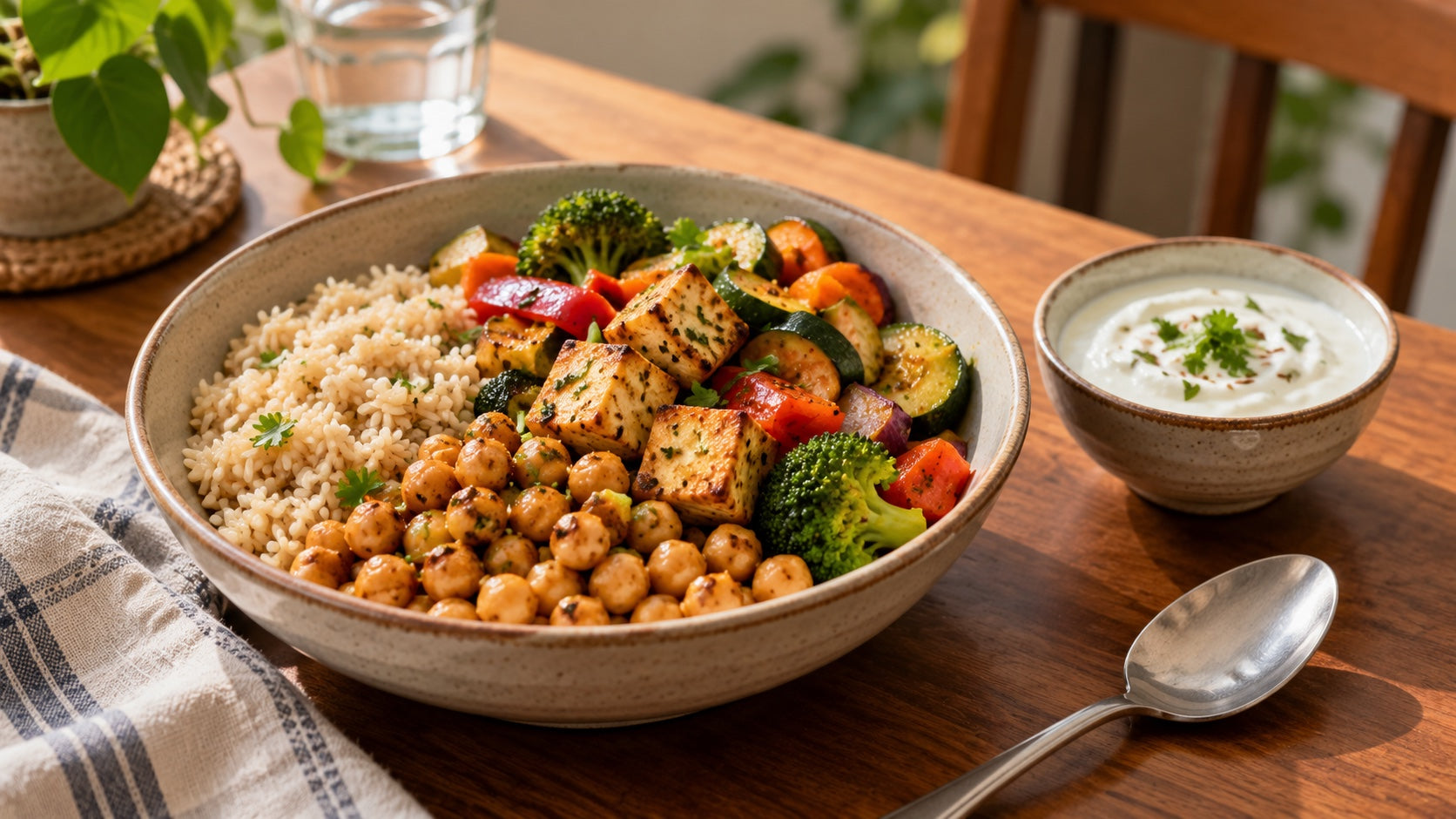
That label does not tell you whether a meal has enough energy, fibre, vegetables or other nutrients. A protein shake can supply useful protein while still leaving breakfast very small. A bowl of dal and rice can contribute a useful combination of foods without either ingredient needing to win a quality contest alone.
The EUFIC protein guide explains that plant proteins vary in their amino-acid proportions. Eating different sources helps cover needs. For most adults eating an adequate varied diet, this does not require exact same-meal pairing rules.
Compare the whole food, not just a score
Here are three ways protein quality can influence an everyday decision:
| Meal or snack |
Useful contribution |
What to consider alongside quality |
| Dal with rice and vegetables |
Pulses and grain contribute different amino-acid proportions |
How much dal is actually in the serving, total food and variety |
| Curd with fruit and cereal |
Dairy contributes protein while the other foods complete the bowl |
Curd type, portion, added sugar and the cereal chosen |
| A protein shake between busy appointments |
A convenient measured protein portion |
Whether meals still supply energy, fibre and a range of nutrients |
Harvard's Nutrition Source guide to protein asks readers to consider the nutrients that come with a protein food. Fibre, fats and sodium can influence the broader food choice. An amino-acid score is not a full health rating.
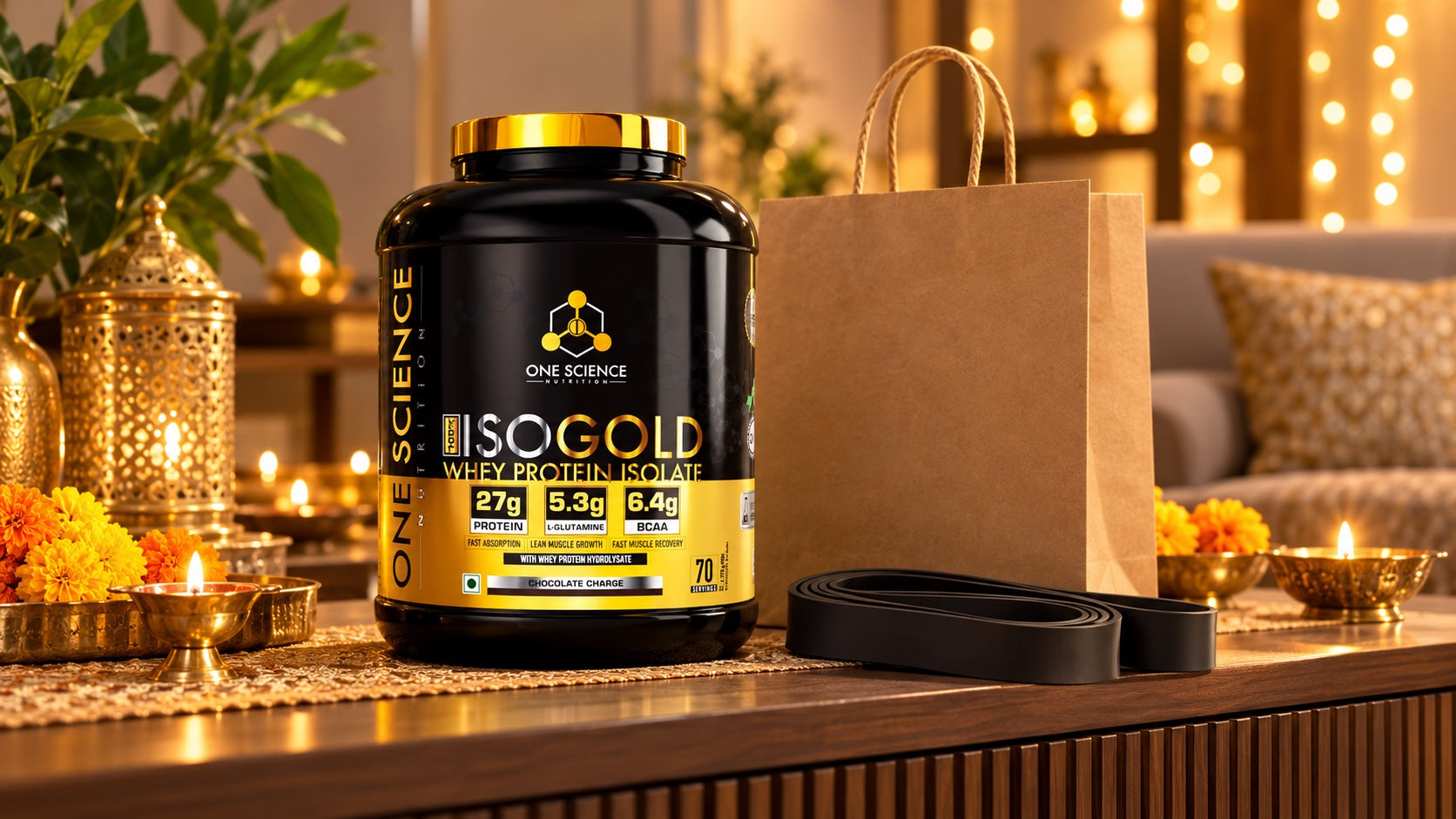
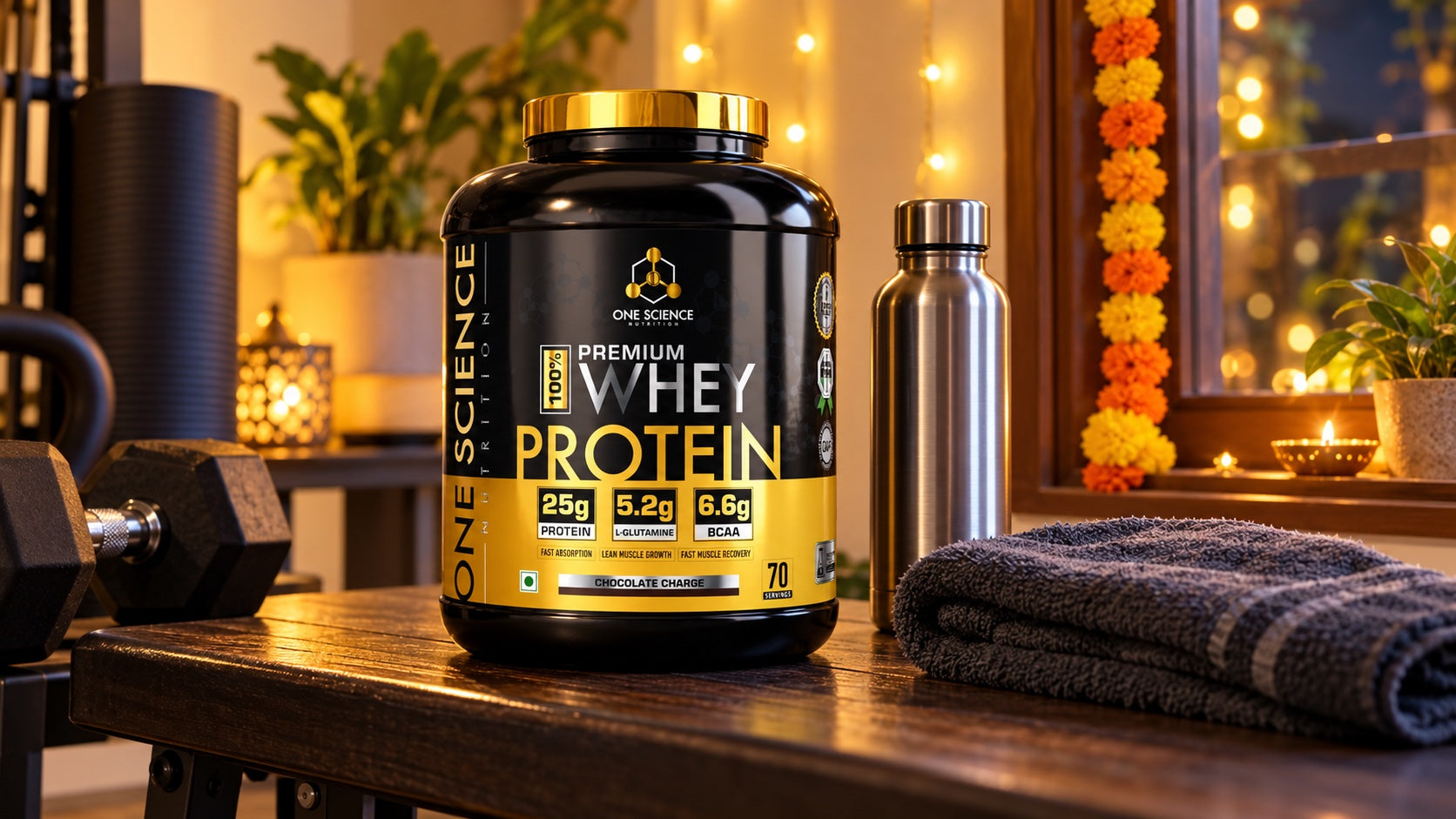
One Science Nutrition Premium Whey in a practical routine
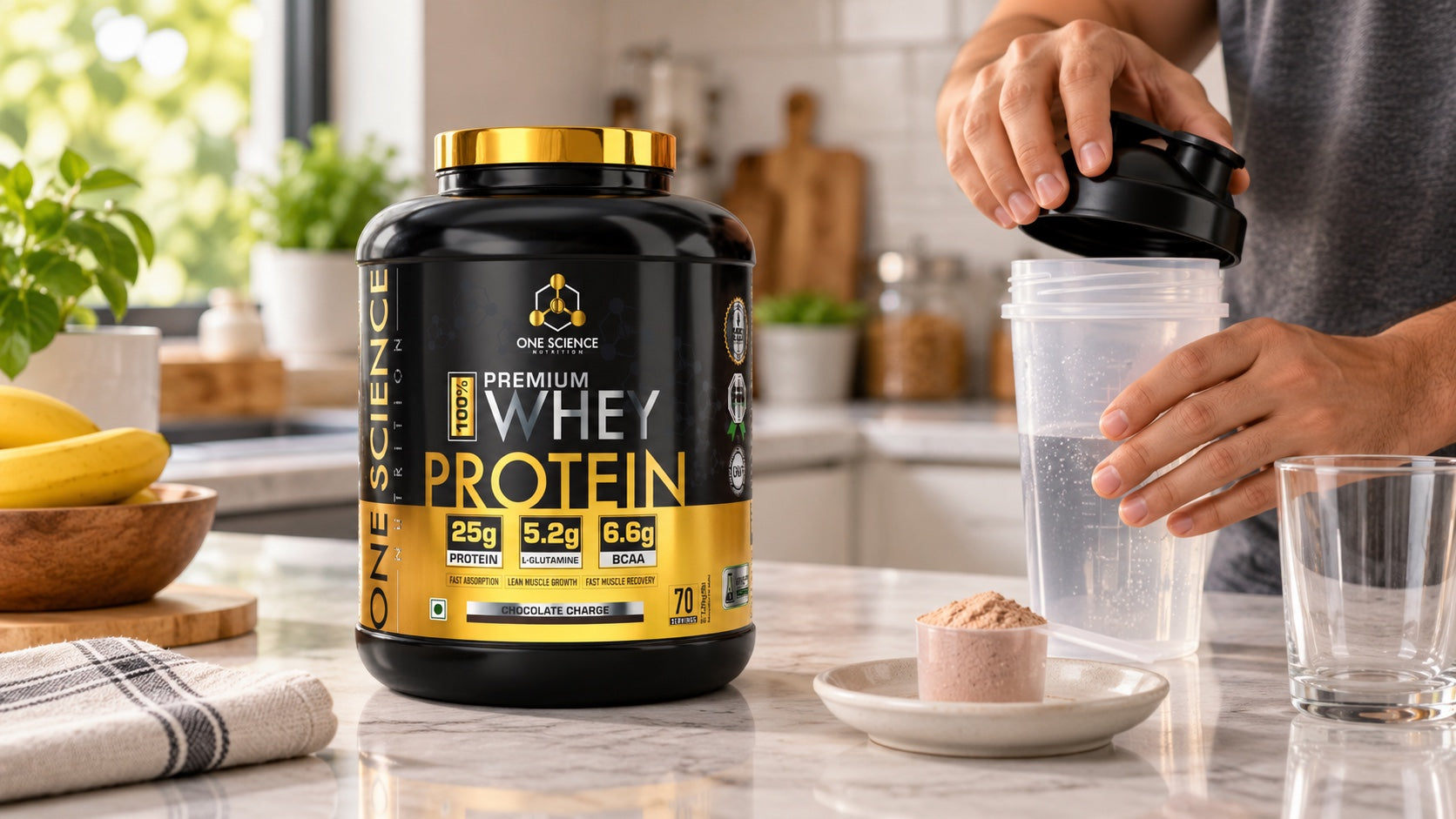
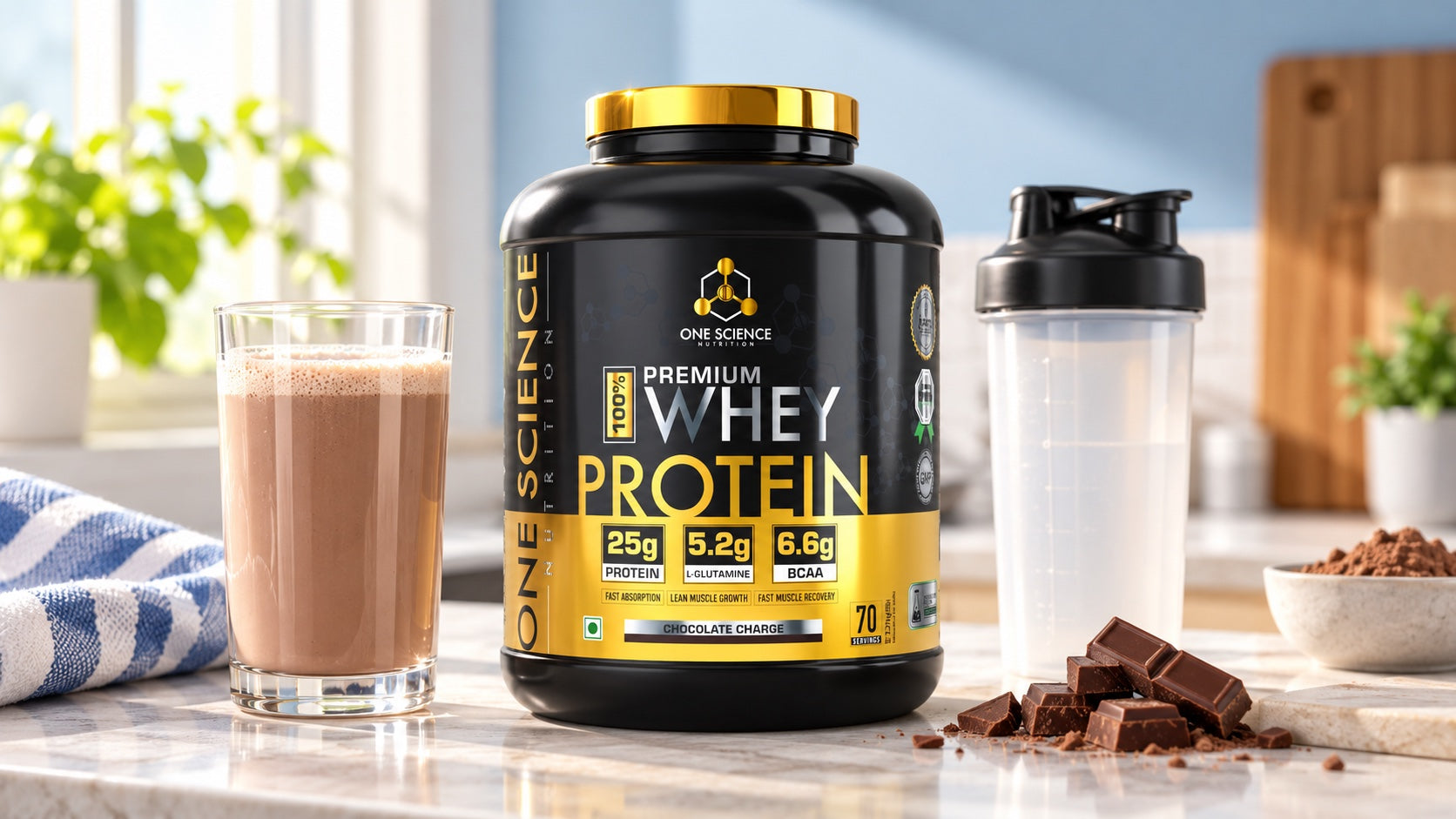
One Science Nutrition Premium Whey in Chocolate Charge provides 25 g protein per 32.5 g serving, with 117 kcal. Its whey ingredients include concentrate and isolate, supplying dairy protein in a convenient format.
Consider One Science Nutrition Premium Whey when your diet includes dairy and you want a defined portion without cooking another meal. It can fit after training, at breakfast or elsewhere in the day if that is where your protein gap occurs. The serving contributes to your total alongside meals.
For busy training weeks, One Science Nutrition Premium Whey makes a protein portion easy to prepare and carry. Choose a flavour you enjoy, keep meals varied and place the serving where it makes your daily intake easier to manage.
It contains milk and soy, is unsuitable for milk allergy, and is not recommended for children or during pregnancy or breastfeeding.
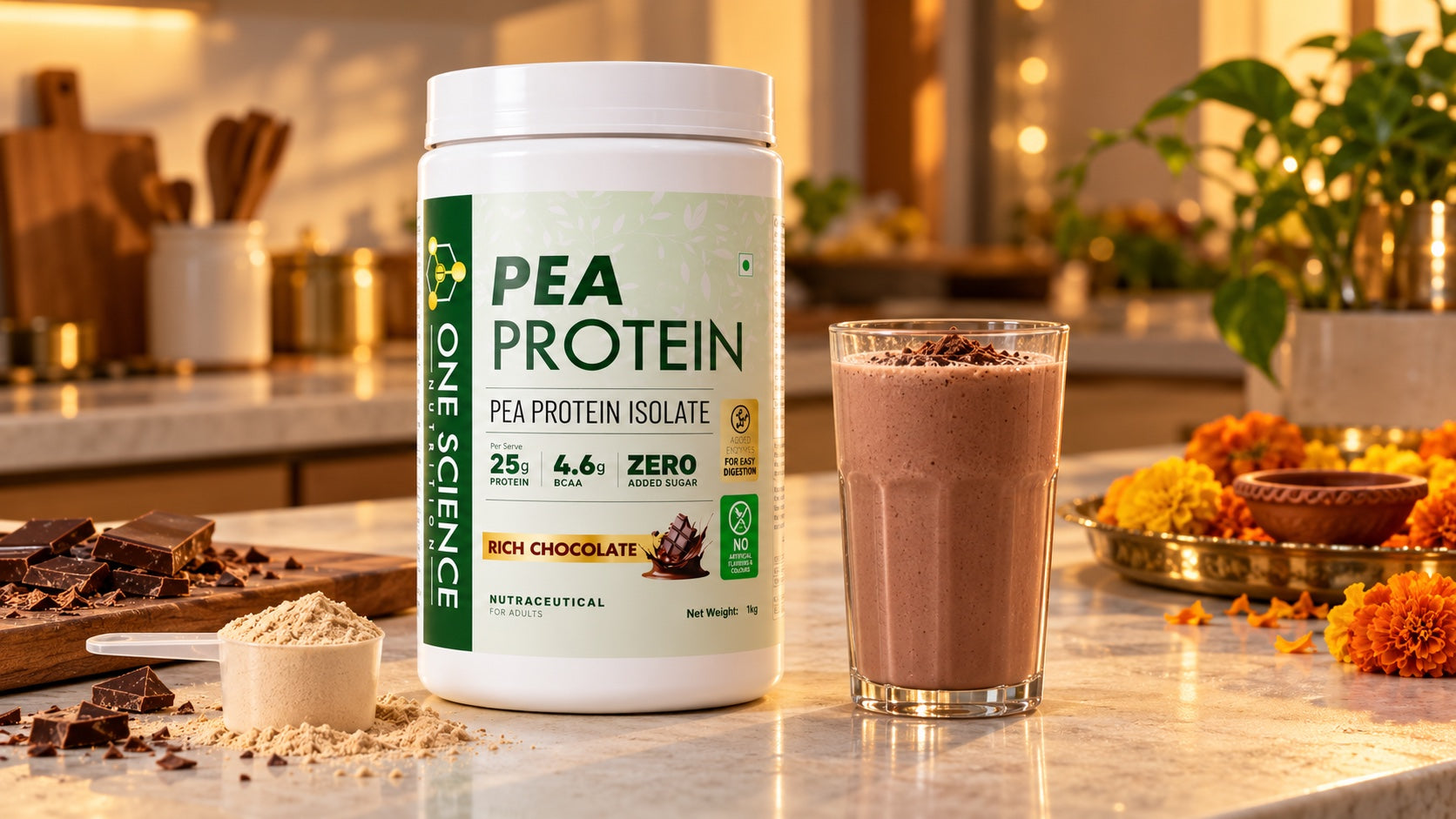
One Science Nutrition Pea Protein in a varied plant-based diet
One Science Nutrition Pea Protein uses pea protein isolate and provides 25 g protein per 40 g serving in its published nutrition example. That serving also provides 154.52 kcal and 5 g fibre.
The appeal of One Science Nutrition Pea Protein is another way to meet protein needs when you prefer pea-based nutrition. It can sit alongside dal, beans, soy foods, grains, nuts and seeds rather than carrying the entire diet alone. Listed flavours include Iced Coffee, Rich Chocolate and Unflavoured.
You do not need to dismiss One Science Nutrition Pea Protein because different proteins have different amino-acid proportions. Choose enough overall protein and maintain variety. Follow your pack directions and check its full ingredient and allergen information.
Four questions worth asking before you buy
- What protein source does this product use?
- How much protein does the serving provide?
- Does it fit my food preferences, allergies and daily intake?
- Can I use it consistently without crowding out meals?
If a whey shake fits those answers, explore One Science Nutrition Premium Whey. If you prefer a pea-based option, explore One Science Nutrition Pea Protein. Protein quality should help you make a sensible choice, not make ordinary eating feel like an exam.