Creatine and protein do different things. Protein supplies amino acids your body uses to build and repair proteins. Creatine supports the rapid recycling of energy during repeated, intense efforts. Creatine cannot fill a dietary protein gap, and a protein shake does not provide the same thing as a serving of creatine monohydrate.
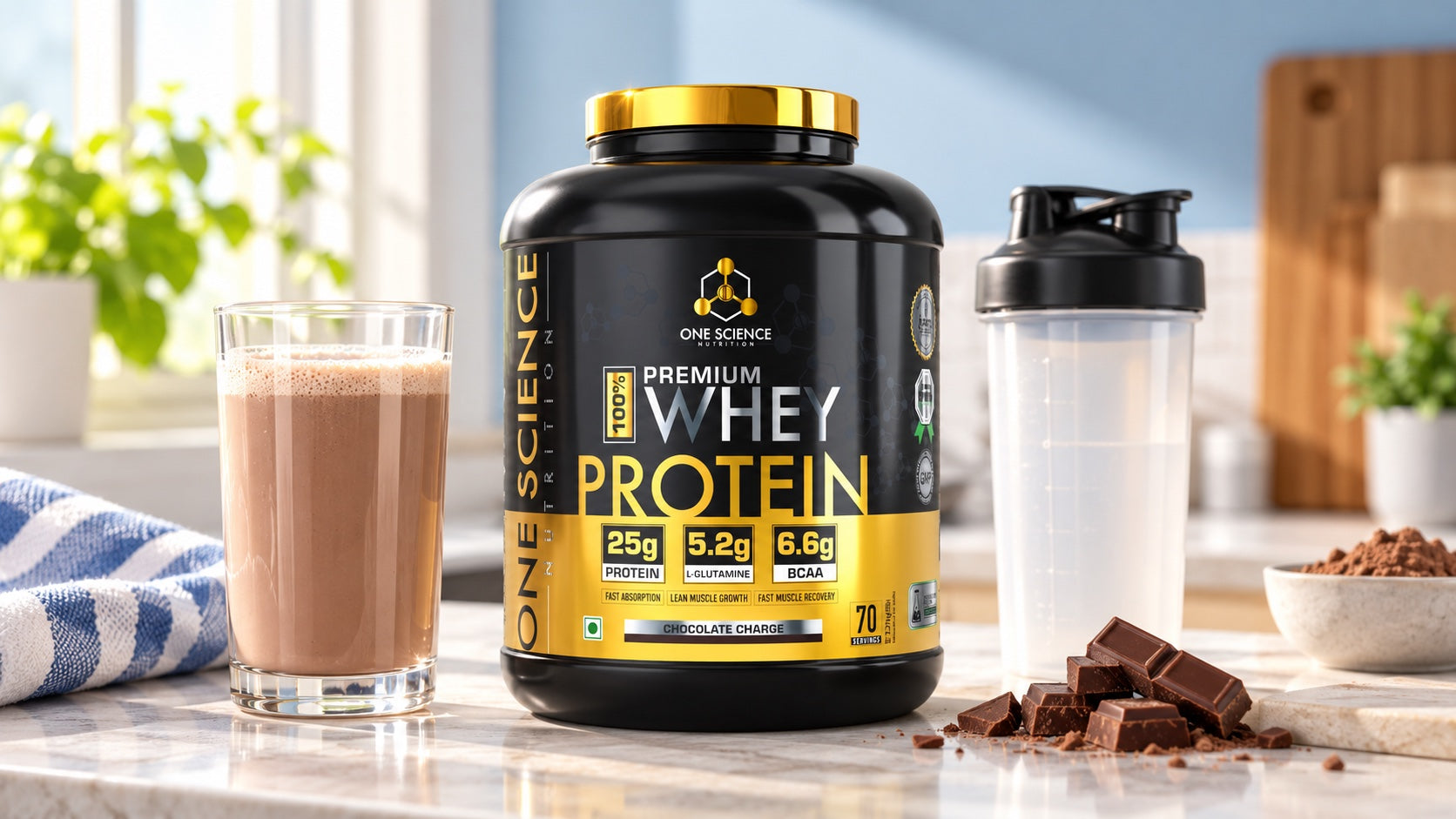
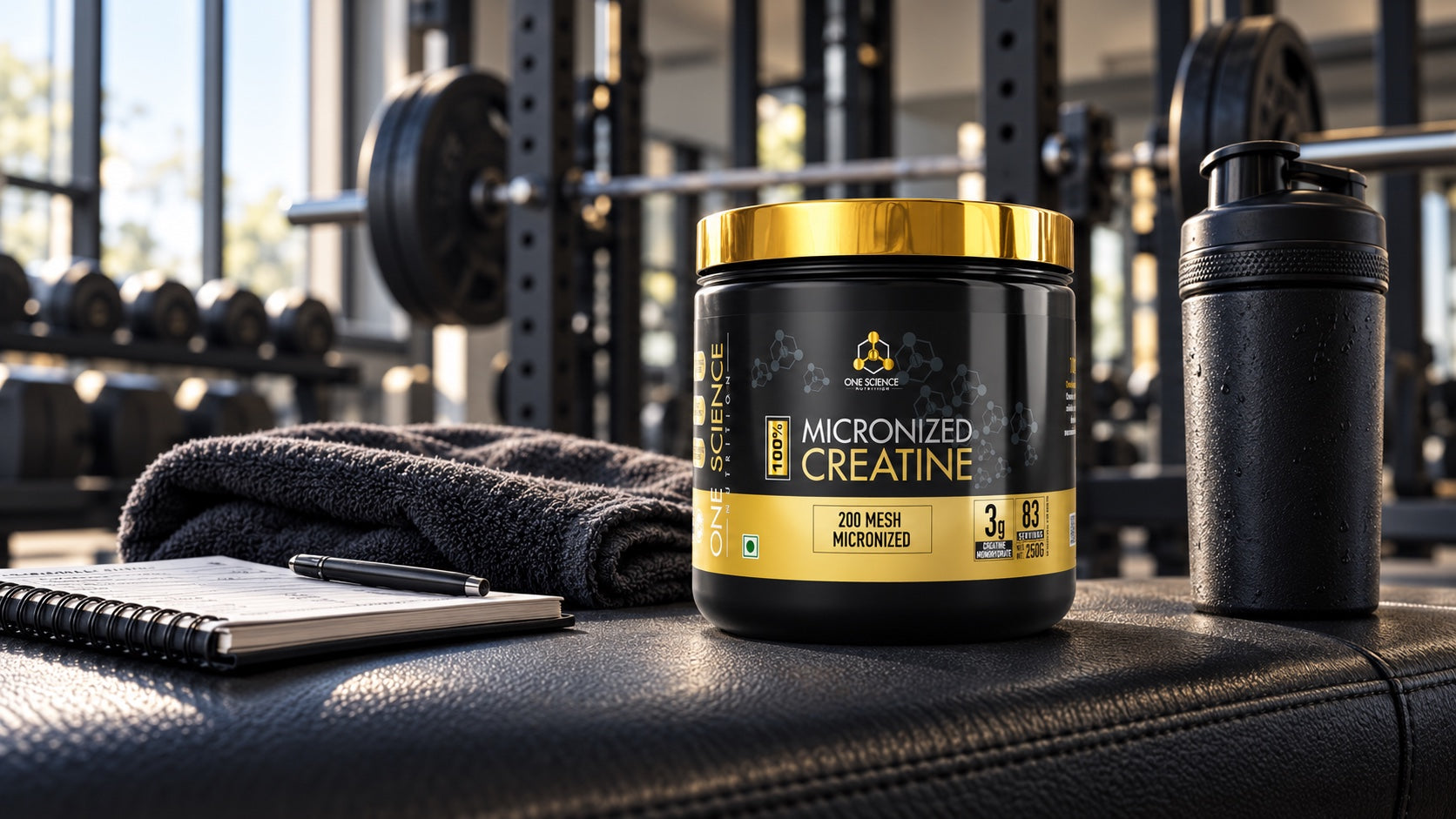
That difference is easy to see in One Science Nutrition Micronized Creatine and One Science Nutrition Premium Whey: one is a single-ingredient creatine supplement; the other is a whey protein blend. Choose by the job you need done.
Creatine vs protein at a glance
| Question |
Creatine |
Protein |
| What is it? |
A compound the body makes and also obtains from food or supplements |
A nutrient made from amino acids |
| What is its main role here? |
Supporting energy availability for repeated high-intensity work |
Supplying building blocks for tissue maintenance, repair and growth |
| Is it a stimulant? |
No |
No; check other ingredients in a formulated product |
| Does it replace meals? |
No |
A protein supplement alone does not replace a varied meal |
| What determines whether to buy it? |
Training demands, suitability and a deliberate supplement plan |
Whether food intake leaves a protein gap or convenience need |
Both can belong in sports nutrition. Neither removes the need for progressive training, sufficient food and recovery.
The difference during a hard set
Your muscles use ATP as an immediate energy source. Stored phosphocreatine helps regenerate it during short, intense efforts. Creatine supplementation can increase muscle creatine stores and support performance across repeated hard efforts.
The NIH Office of Dietary Supplements identifies sprinting and weightlifting as relevant examples, while noting that responses differ between people. Creatine is not a replacement for carbohydrate during a long endurance event, or an instant caffeine-like feeling you must notice to know it is doing anything.
Dietary protein has a different role. After digestion, its amino acids contribute to the body's ongoing work of making proteins, including muscle proteins. A shake is a convenient way to eat protein when food alone is awkward, rather than a substitute for the training stimulus.
One Science Nutrition Micronized Creatine: keep the amount clear
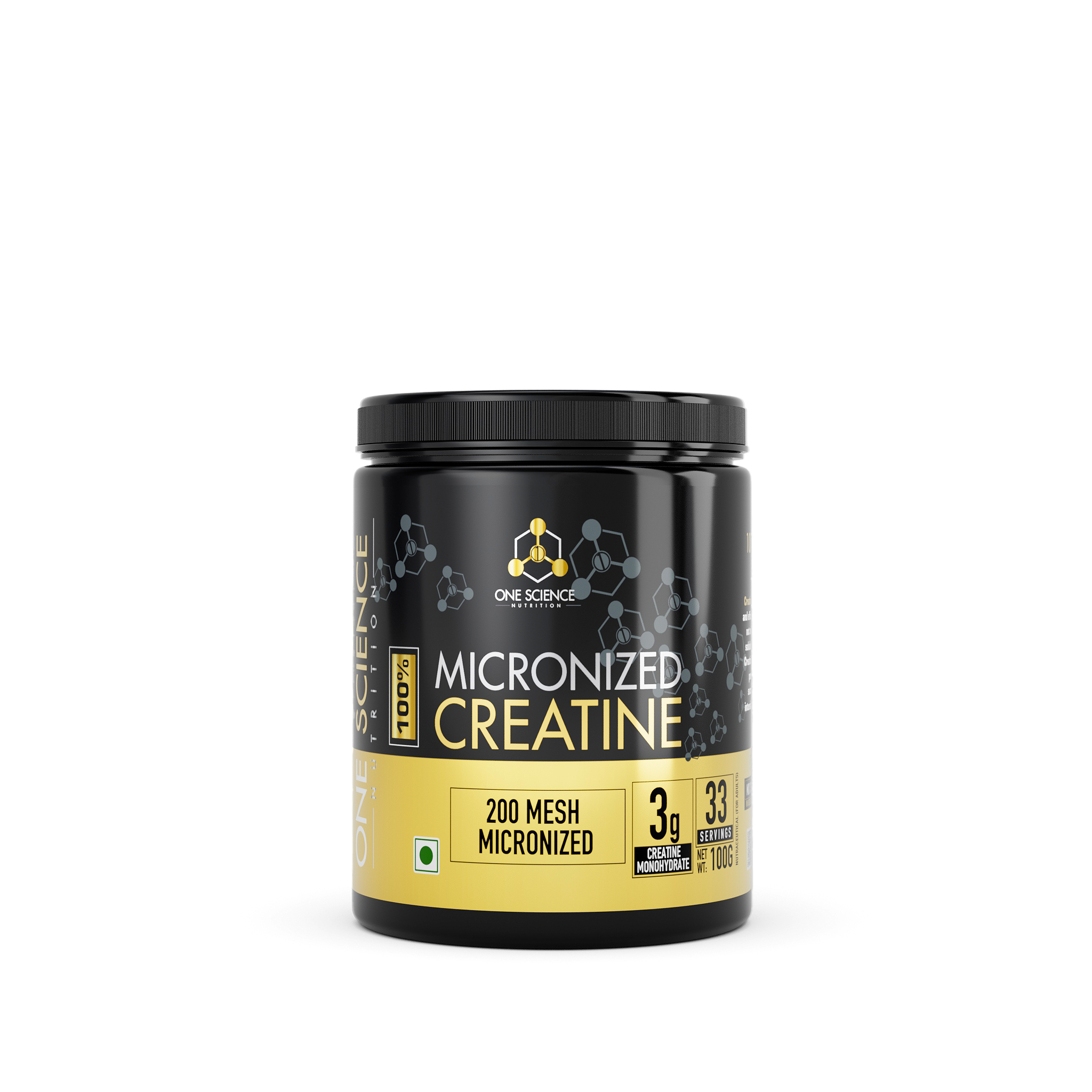
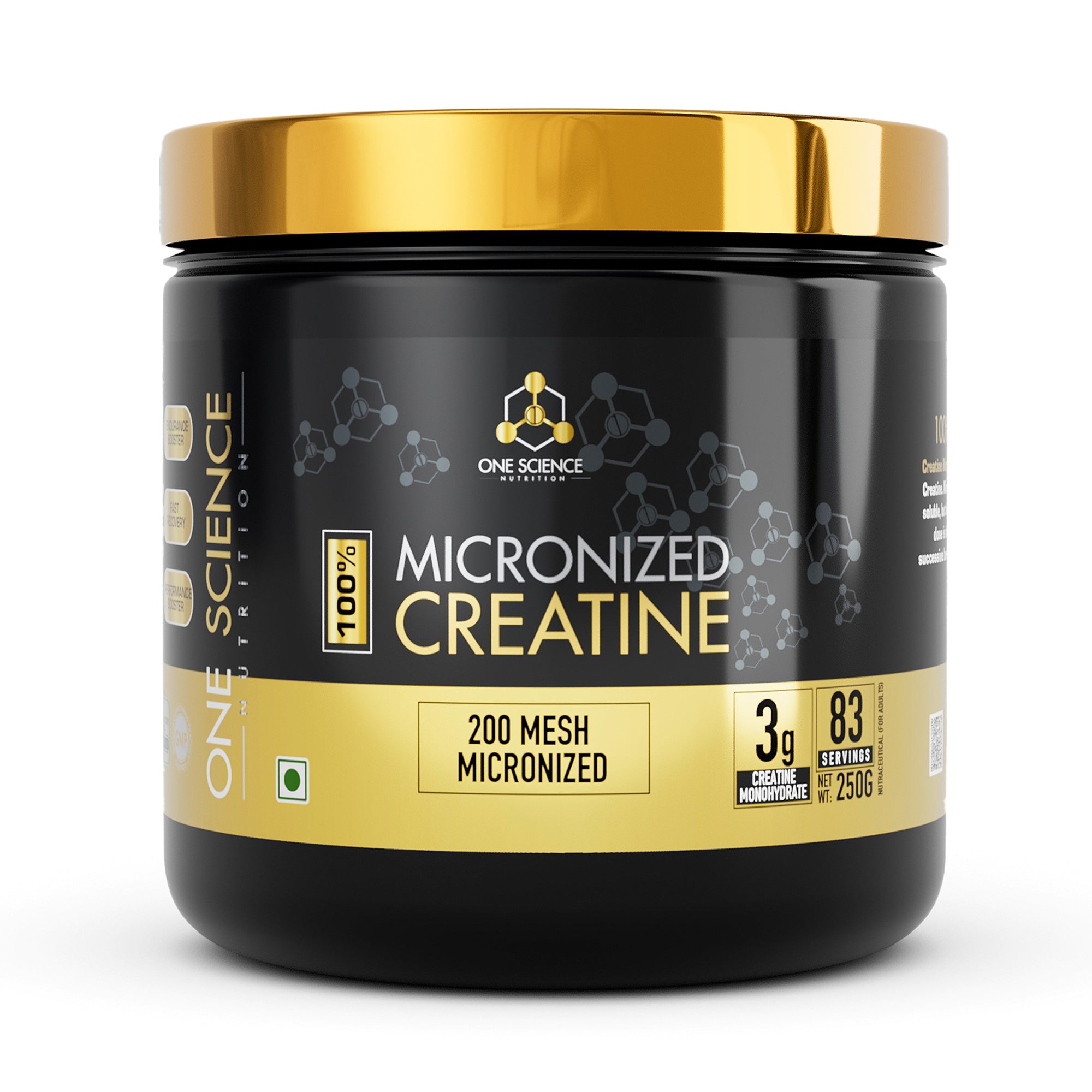
One Science Nutrition Micronized Creatine contains creatine monohydrate only. A 3 g serving provides 3,000 mg creatine monohydrate, with one serving per day in the product's directions. The current listing is a 250 g pack.
The single-ingredient formula makes One Science Nutrition Micronized Creatine useful if you want creatine separately from a protein powder. You can see the creatine amount without having to work around a multi-ingredient scoop.
Research includes different dosing approaches, but a loading phase is not compulsory. The 2021 review by Jose Antonio and colleagues explains the slower daily approach as well as loading. Follow the product directions; do not add a research loading protocol on top of its daily serving.
Check whether any other supplement already includes creatine before using One Science Nutrition Micronized Creatine. Its facility processes milk and soy, which matters for strict allergy management. Medical conditions, medication use, pregnancy, breastfeeding and use by younger people call for individual professional advice before performance supplementation.
One Science Nutrition Premium Whey: fill a protein gap
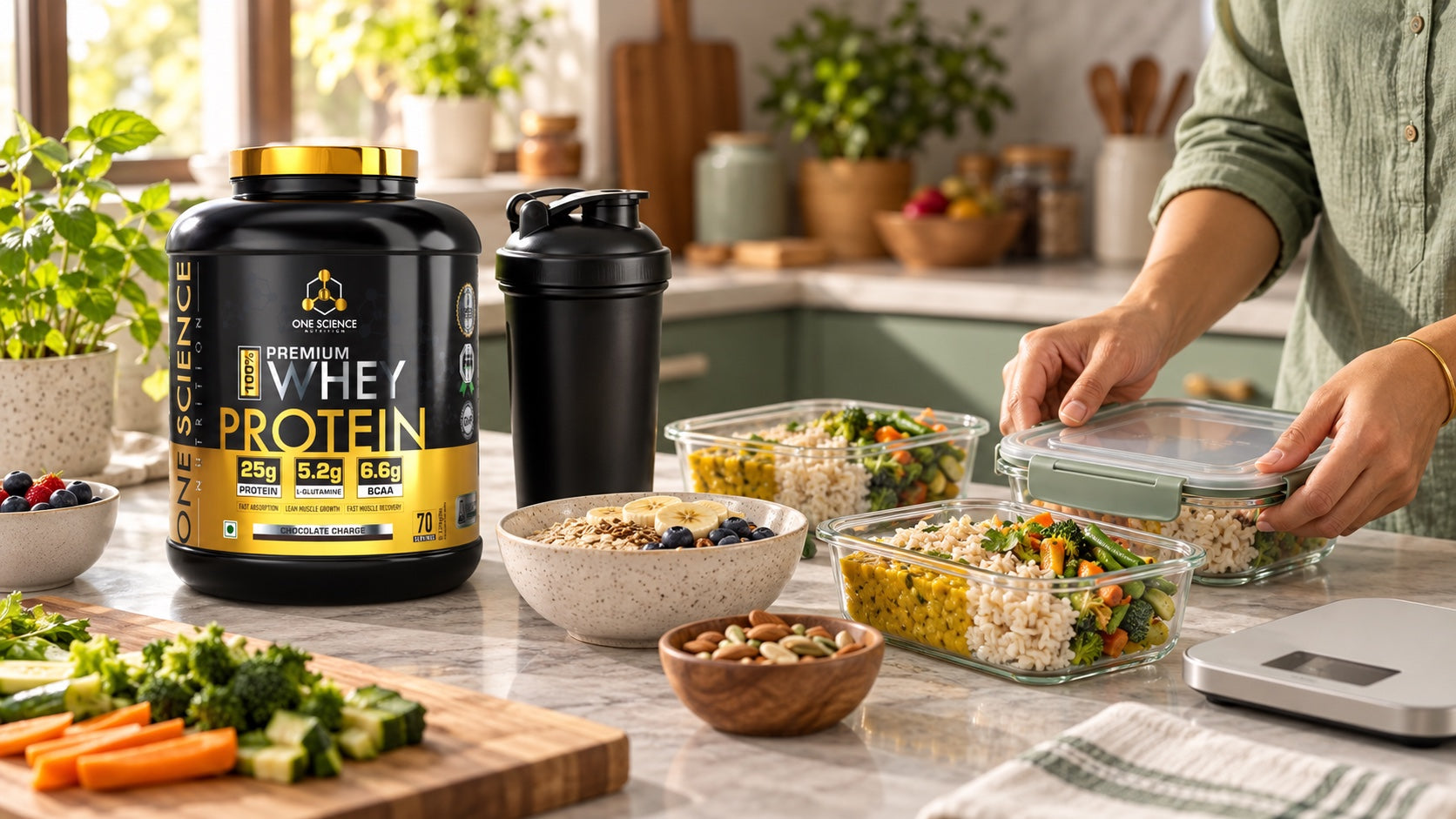
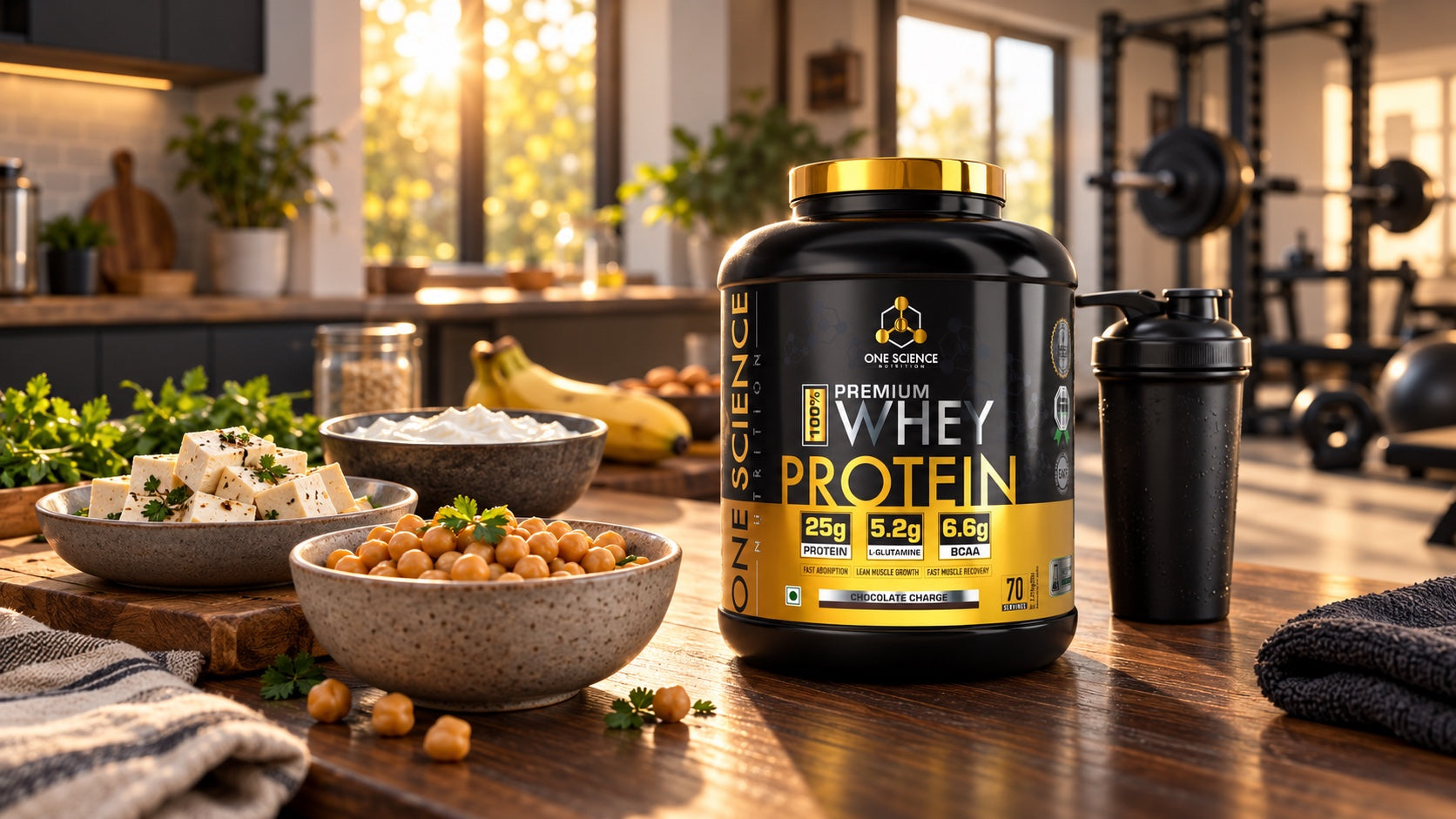
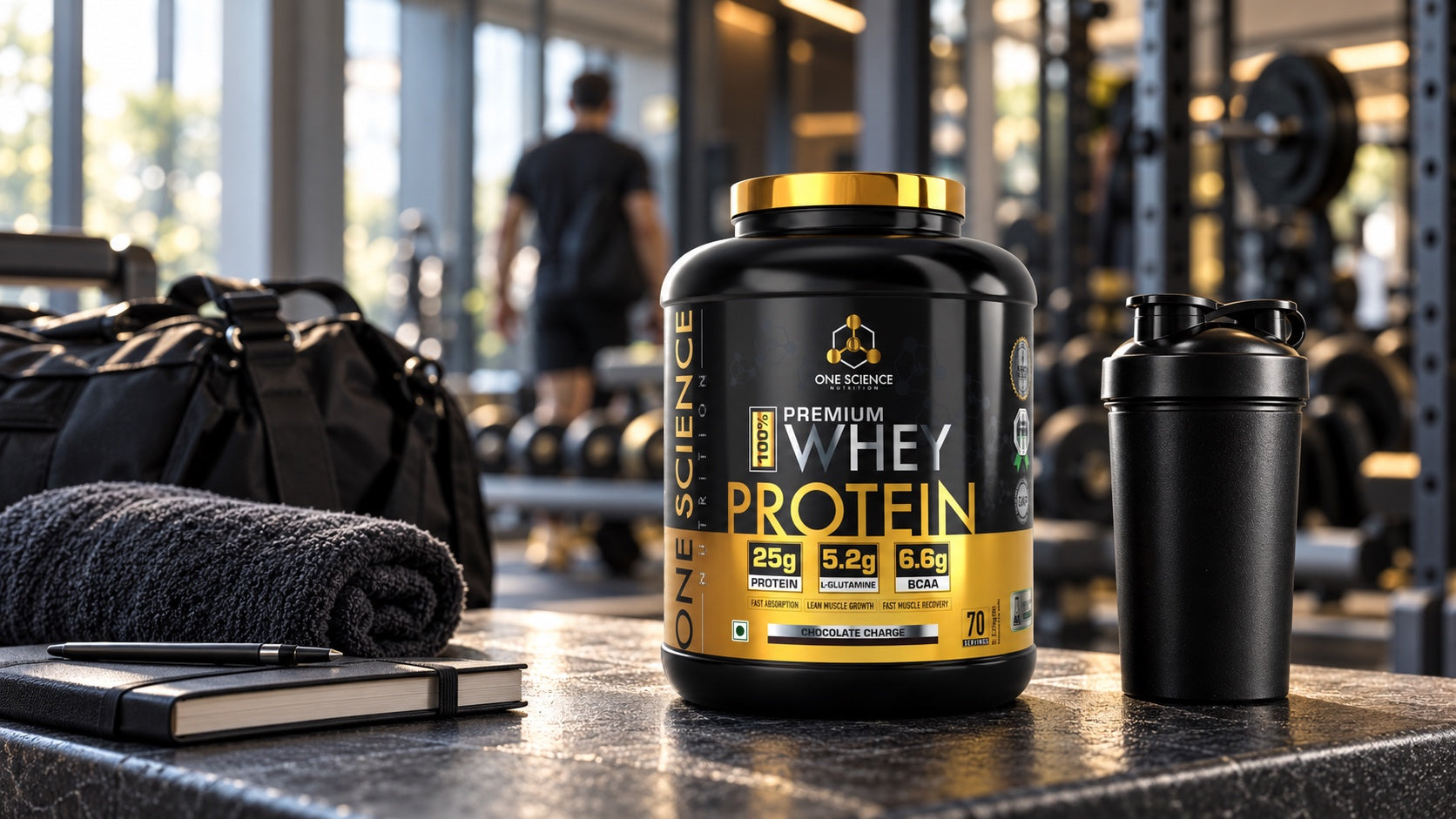
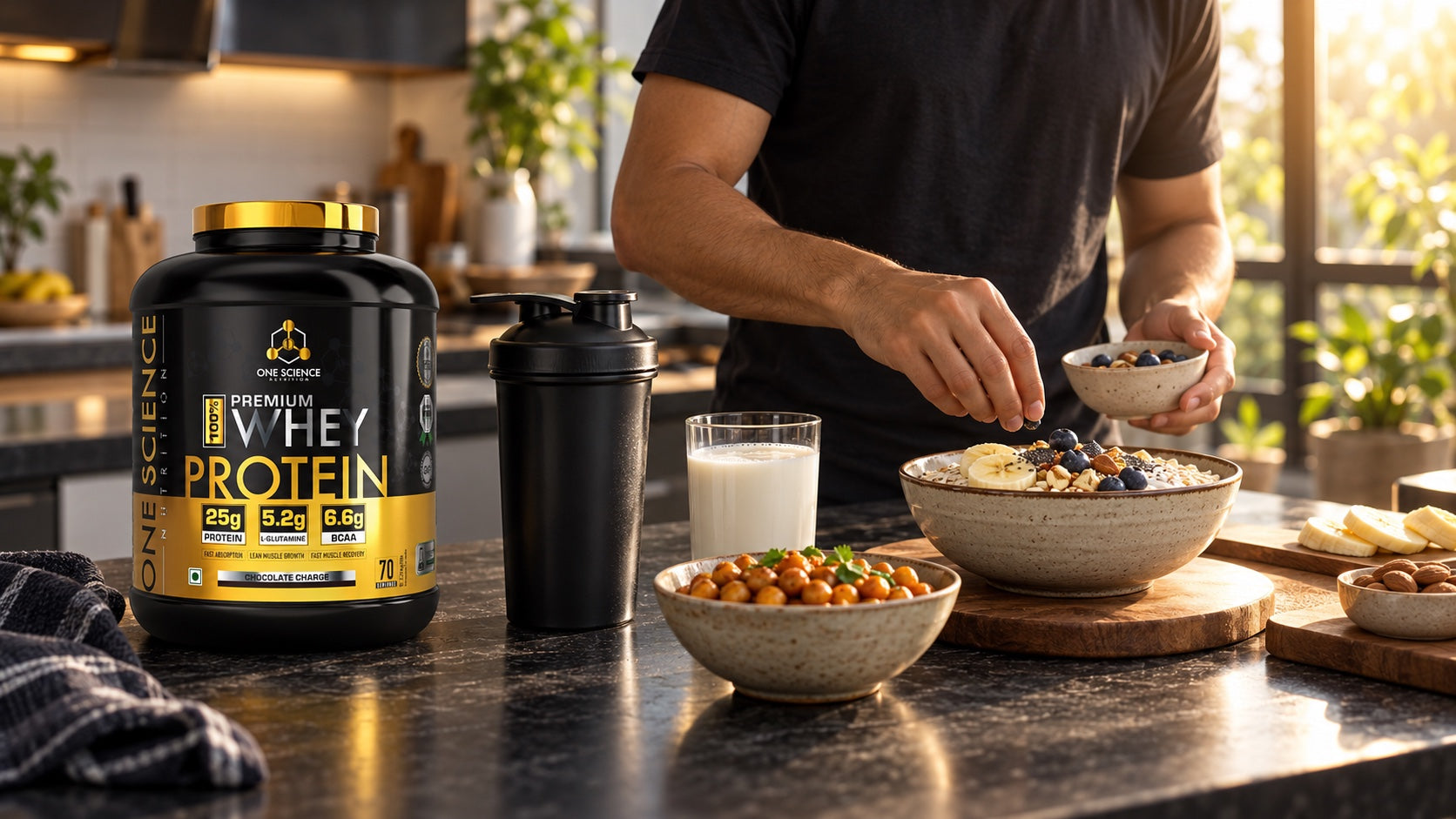
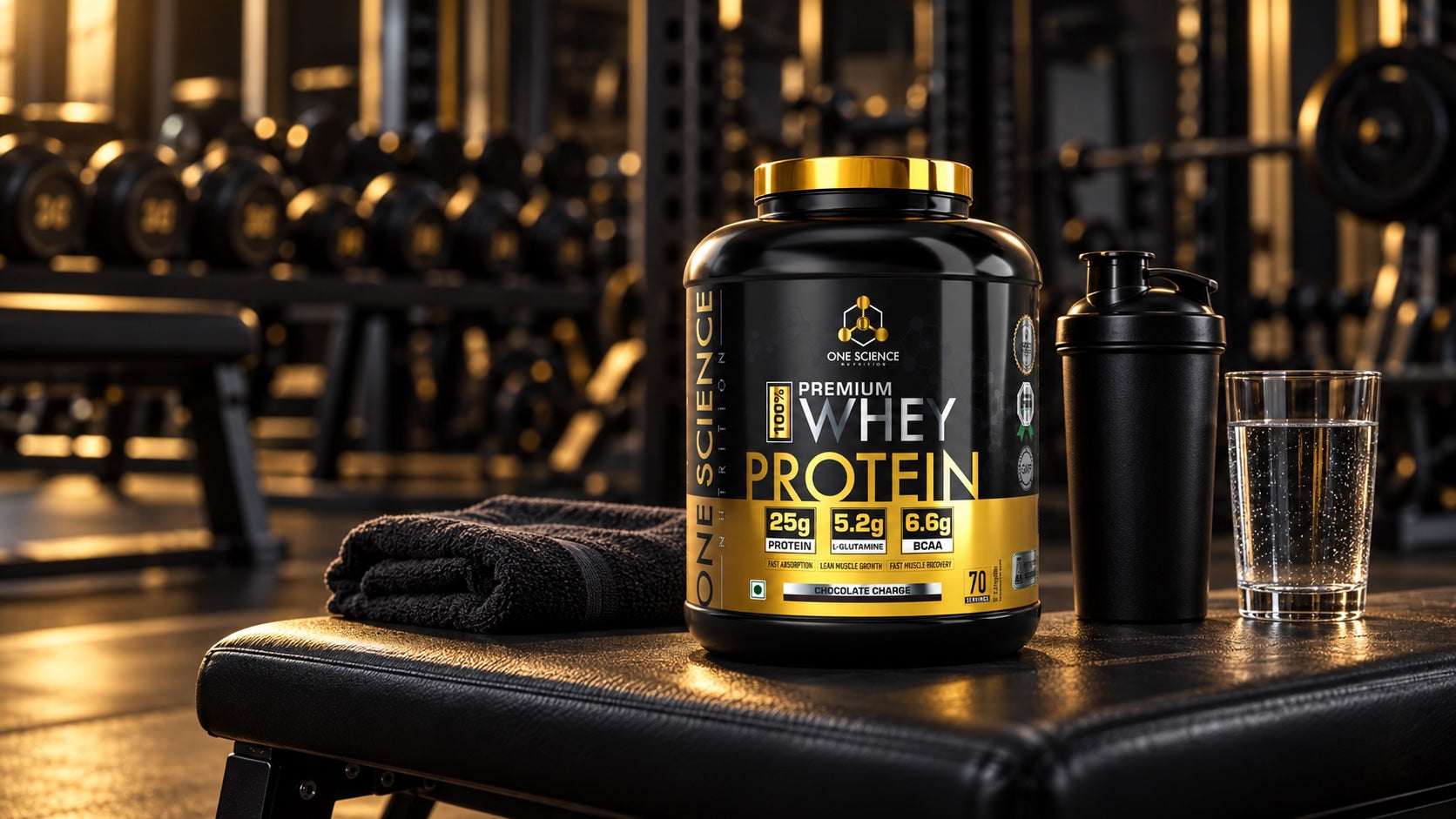
One Science Nutrition Premium Whey combines whey concentrate and isolate. Chocolate Charge provides 25 g protein and 117 kcal in a 32.5 g serving, with 1.6 g carbohydrate and 2.1 g fat.
That makes One Science Nutrition Premium Whey a practical protein option for a busy workday, a delayed meal after training or another gap in the food plan. It is not a creatine product. Count its protein alongside dal, dairy, eggs, meat, soy foods and other sources across the day.
The flavour options also give you a choice when building a routine you want to repeat. Chocolate Charge, Vanilla Swirl and Cafe Mocha are among the listed options. Nutrition and ingredients should be checked for the flavour you buy.
One Science Nutrition Premium Whey contains milk and soy and is unsuitable for a milk allergy. It is not recommended for children or for use during pregnancy or breastfeeding. Milk used for mixing adds its own nutrients.
Which should you buy first?
Your meals regularly fall short on protein: Address that gap first through food or a suitable protein supplement. One Science Nutrition Premium Whey is one convenient option if whey fits your diet.
Your protein intake is already adequate and you want support for repeated hard efforts: Consider whether One Science Nutrition Micronized Creatine fits your training and health circumstances. Buying another protein powder may not address that particular need.
You are struggling to train consistently or skipping meals: Make the routine manageable before expanding your supplement list. A product can make one part easier, but it cannot organise the whole week for you.
Can you use creatine and protein together?
Some healthy adults use both because the roles differ. That does not establish that every person needs both or that combining them guarantees extra muscle gain. Assess dietary protein, training, other product ingredients and suitability separately.
If both fit your plan, keep each product within its own directions. You do not need to buy or take them as a compulsory pair.
Shop One Science Nutrition Micronized Creatine for a defined creatine monohydrate serving, or One Science Nutrition Premium Whey for a whey protein contribution. Start with the gap in your routine, then choose the product that addresses it.