Protein gives your body amino acids to build and maintain tissues, make enzymes and some hormones, support immune functions and transport substances around the body. Muscle is only one part of the story. These jobs continue whether or not you go to the gym.
Everyday meals supply those building blocks. One Science Nutrition High Protein Oats can add a protein-containing breakfast to the day, while One Science Nutrition Pea Protein offers a convenient protein serving when a meal gap is difficult to cover.
From a meal to the proteins your body needs
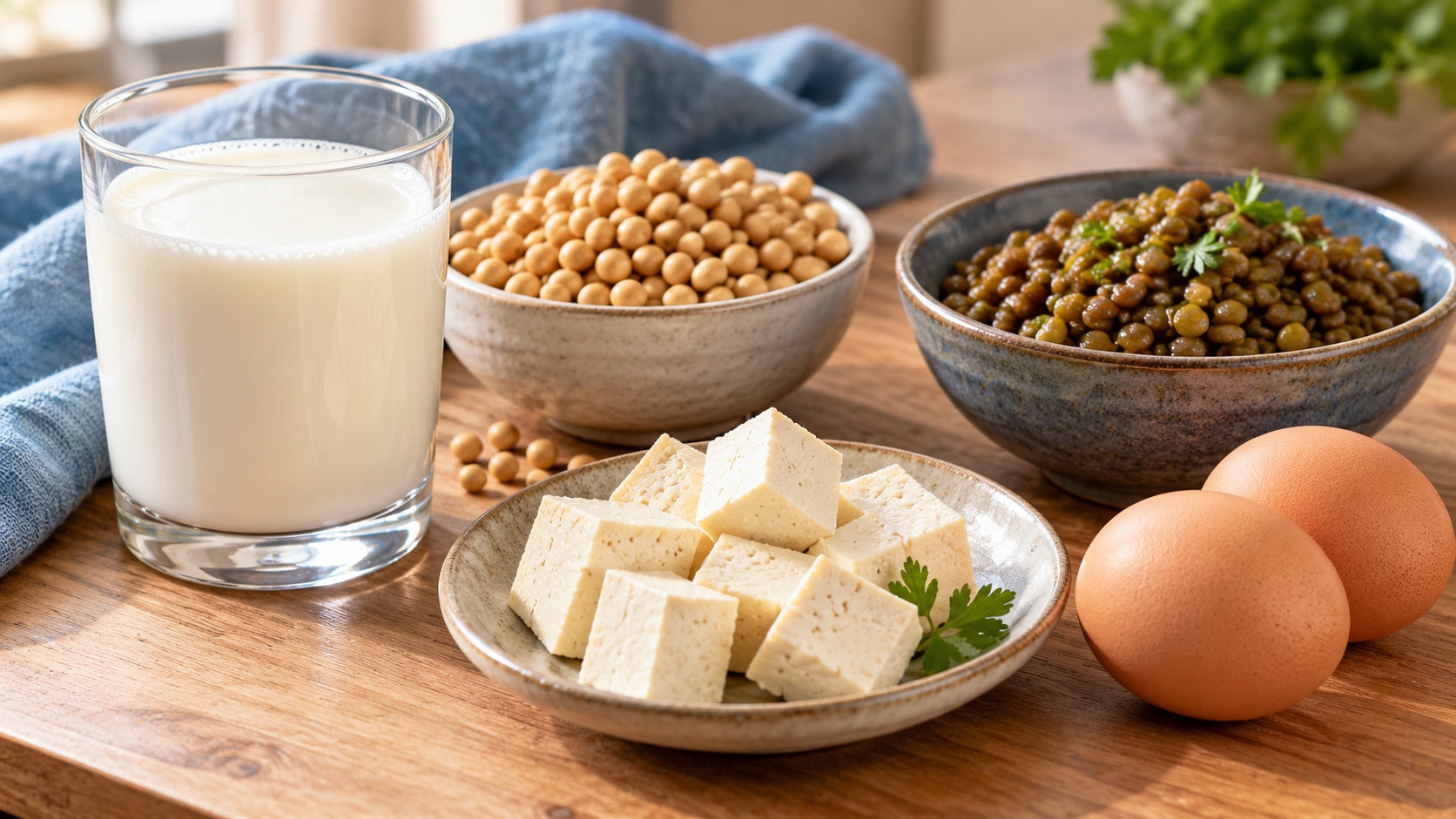
The protein in dal, milk, tofu or a shake does not travel unchanged to a chosen muscle. Digestion breaks it into smaller components, including amino acids. Your body then uses those components to make its own proteins.
The MedlinePlus amino-acid guide explains this link between digestion, growth and tissue repair. Nine essential amino acids must come from the diet. Other amino acids can be made by the body, though some become conditionally essential in particular circumstances.
Think of food as a supply of materials. Your cells determine how those materials are used. Eating a particular protein food does not let you direct it exclusively to your biceps, hair or skin.
Five jobs protein does in the body
1. Build and maintain the body's structure
Proteins help form the working structure of tissues. Collagen provides support in connective tissue. Actin and myosin help muscles contract. These proteins have different shapes and jobs, even though they are built from amino acids.
The body also replaces proteins as part of normal maintenance. That is one reason protein belongs in regular meals, rather than appearing only on training days.
2. Run chemical reactions
Enzymes help chemical reactions happen. Many enzymes are proteins, including enzymes involved in digestion and the body's use of nutrients.
This does not mean that taking more dietary protein makes every reaction run faster. An adequate supply supports normal functions; it is not an instruction to keep increasing intake without a need.
3. Carry messages between cells
Some hormones are proteins or peptides, which are shorter chains of amino acids. Insulin is one familiar example of a hormone involved in regulating blood glucose.
Not every hormone is a protein. The point is that proteins have signalling roles as well as structural ones.
4. Contribute to immune defence
Antibodies are proteins that recognise and bind to specific targets. They are one part of a complex immune system.
Eating enough protein supports the materials needed for these normal functions. A protein powder should not be presented as a way to prevent infections or as a treatment when someone is ill.
5. Transport and store substances
Haemoglobin helps carry oxygen in the blood. Ferritin stores iron. Proteins also help move substances within and between cells.
The MedlinePlus Genetics guide to protein functions describes structural, enzyme, messenger, antibody and transport roles. The examples show why “what does protein do in the body?” has a much wider answer than “build muscle.”
Can the body use protein for energy?
Yes. Amino acids can be used for energy as well as building body proteins. That does not make protein the only food you need, or a reason to remove carbohydrate and fat.
Food brings more than isolated nutrients. Pulses can contribute fibre, dairy brings other nutrients, and meals provide combinations of energy, vitamins and minerals. EUFIC's protein explainer discusses both protein turnover and the value of varied sources.
Put the science into an ordinary day
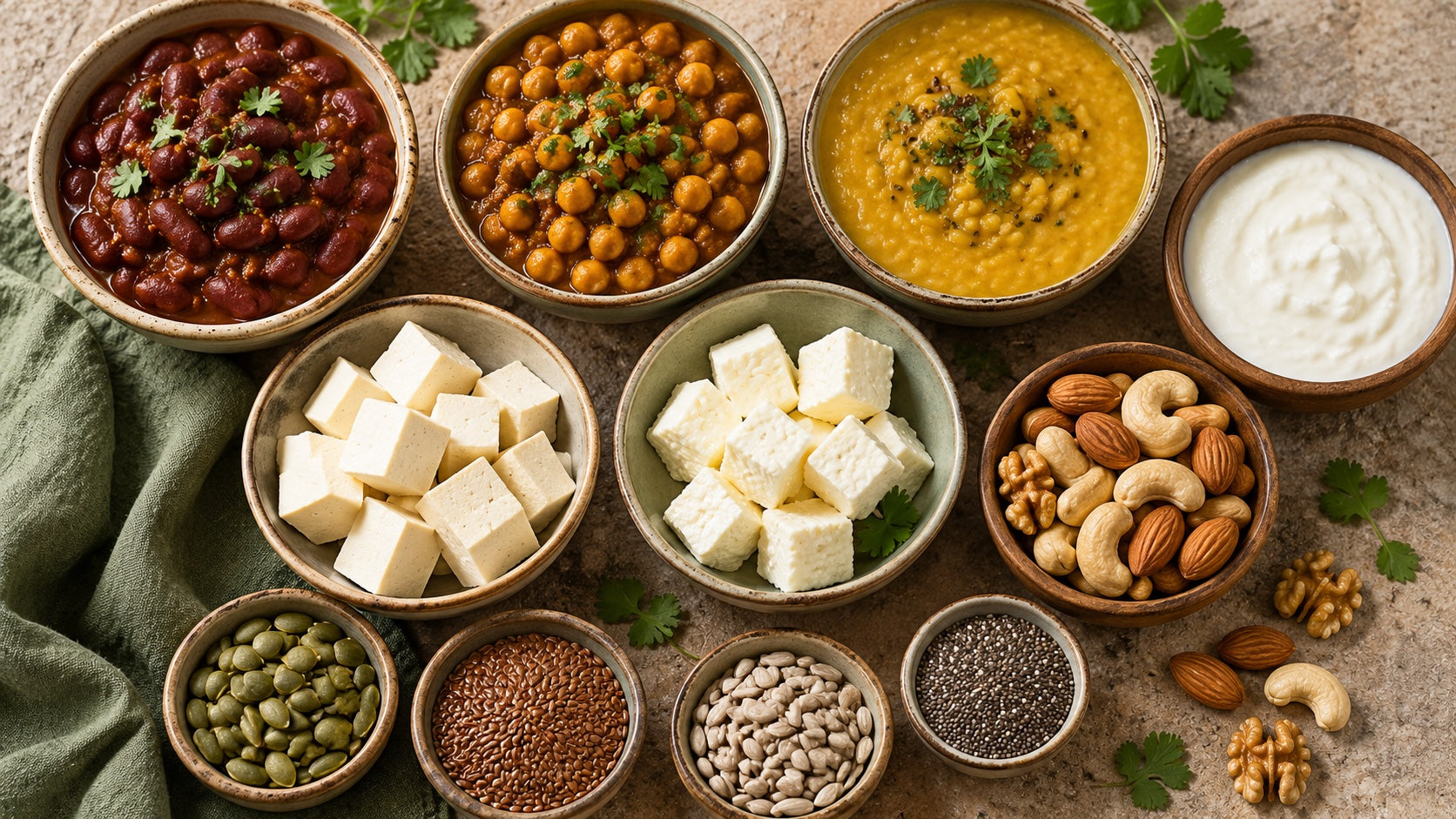
Start with a protein source at breakfast, lunch and dinner. That might mean curd at breakfast, dal and tofu at lunch, and paneer, beans, eggs, fish or chicken at dinner, depending on your diet. The portions and overall intake matter more than collecting as many different protein products as possible.
If breakfast is the weak point, One Science Nutrition High Protein Oats in Dark Chocolate provides 13.3 g protein per 50 g dry serving. It also supplies 28.4 g carbohydrate, 4.1 g fibre and 207 kcal. That combination makes it a useful food base when you want breakfast to include protein and energy together.
One Science Nutrition High Protein Oats contains soy and almonds, and the dry serving has 4.5 g added sugar. Milk and toppings contribute separately. Choose additions that fit your needs rather than treating every bowl as nutritionally identical.
If a portable shake is more practical, One Science Nutrition Pea Protein provides 25 g protein and 154.52 kcal per 40 g serving. Its protein source is pea protein isolate, and the serving includes 5 g fibre.
One Science Nutrition Pea Protein offers another way to cover a genuine gap, especially when carrying or preparing a protein-rich snack is difficult. Check the chosen flavour's ingredients, allergen information and directions. A plant-derived protein source does not establish that the finished product suits every allergy.
Choose a routine you can keep
Protein has everyday jobs in the body, so build a repeatable food pattern around it. You do not need to feel sore or complete a workout for dietary protein to matter.
Explore One Science Nutrition High Protein Oats if you want a protein-containing breakfast base, or One Science Nutrition Pea Protein if a pea-based shake better fits the day. Use the product to make adequate eating easier, while keeping varied meals at the centre of the plan.