Eating more protein than you need can add unnecessary calories and crowd other foods out of your diet. Digestive symptoms may appear when a higher-protein diet also becomes low in fibre, includes ingredients you do not tolerate, or changes too quickly. Symptoms alone cannot tell you that protein is the cause.
You can use One Science Nutrition Premium Whey within a planned intake and keep foods such as One Science Nutrition High Protein Oats in a varied meal pattern. The aim is enough protein for your needs, with room for carbohydrate, fibre, fats and ordinary meals.
What counts as too much protein?
There is no one gram figure that answers this for everyone. Body size, activity, age, health and the rest of the diet all affect the decision. An athlete's intake should not become a target for a sedentary person simply because both want to eat well.
Registered dietitian Julia Zumpano, RD, LD, says: “It starts with understanding your body’s true protein needs.” Her Cleveland Clinic discussion of excess protein also highlights the risk of pushing fibre-rich foods off the plate.
Needing more than someone else and benefiting from endlessly adding more are different things. If you are unsure about your target, get a dietitian to assess your usual food intake and training rather than adding scoops whenever progress slows.
Three things people often notice
Constipation after cutting out plant foods
If your new routine replaces dal, vegetables, fruit and whole grains with shakes and meat, the loss of fibre may be part of the problem. Protein itself is not a diagnosis for constipation.
Johns Hopkins Medicine explains how fibre and fluid support bowel function. Restore variety, increase fibre gradually if needed and drink appropriately. Persistent constipation deserves medical advice, especially if changing food does not help.
Bloating or diarrhoea after a new shake
Look at what changed: the portion, the powder, the liquid used, or several new products introduced together. Milk can add lactose to a shake, and other ingredients may also affect individual tolerance.
NIDDK distinguishes lactose intolerance from milk allergy. They are different conditions. Do not treat persistent symptoms as proof that you need a different protein type, and do not test a milk-derived product on your own if you have a milk allergy.
Weight gain that was not part of the plan
Protein-containing foods and shakes still supply energy. A drink added on top of usual meals can change your overall intake, especially when it also contains milk, nut butter or other ingredients. Check the whole drink before assuming the powder alone explains the change.
Equally, a change on the scale does not identify fat gain by itself. Look at your longer-term pattern and the broader changes you made.
Does eating more protein damage your kidneys?
Existing kidney disease changes the advice. Mayo Clinic notes that a high-protein diet can worsen kidney function in people with kidney disease. It also says higher-protein diets are not known to cause medical problems in healthy people, while noting uncertainty about restrictive diets followed long term.
That supports a careful distinction. Do not claim that an ordinary protein shake automatically damages healthy kidneys. Do not assume that a sports-nutrition intake is suitable for somebody with kidney disease either. A clinician or renal dietitian should set the plan in that situation.
Keep the convenience, lose the guesswork
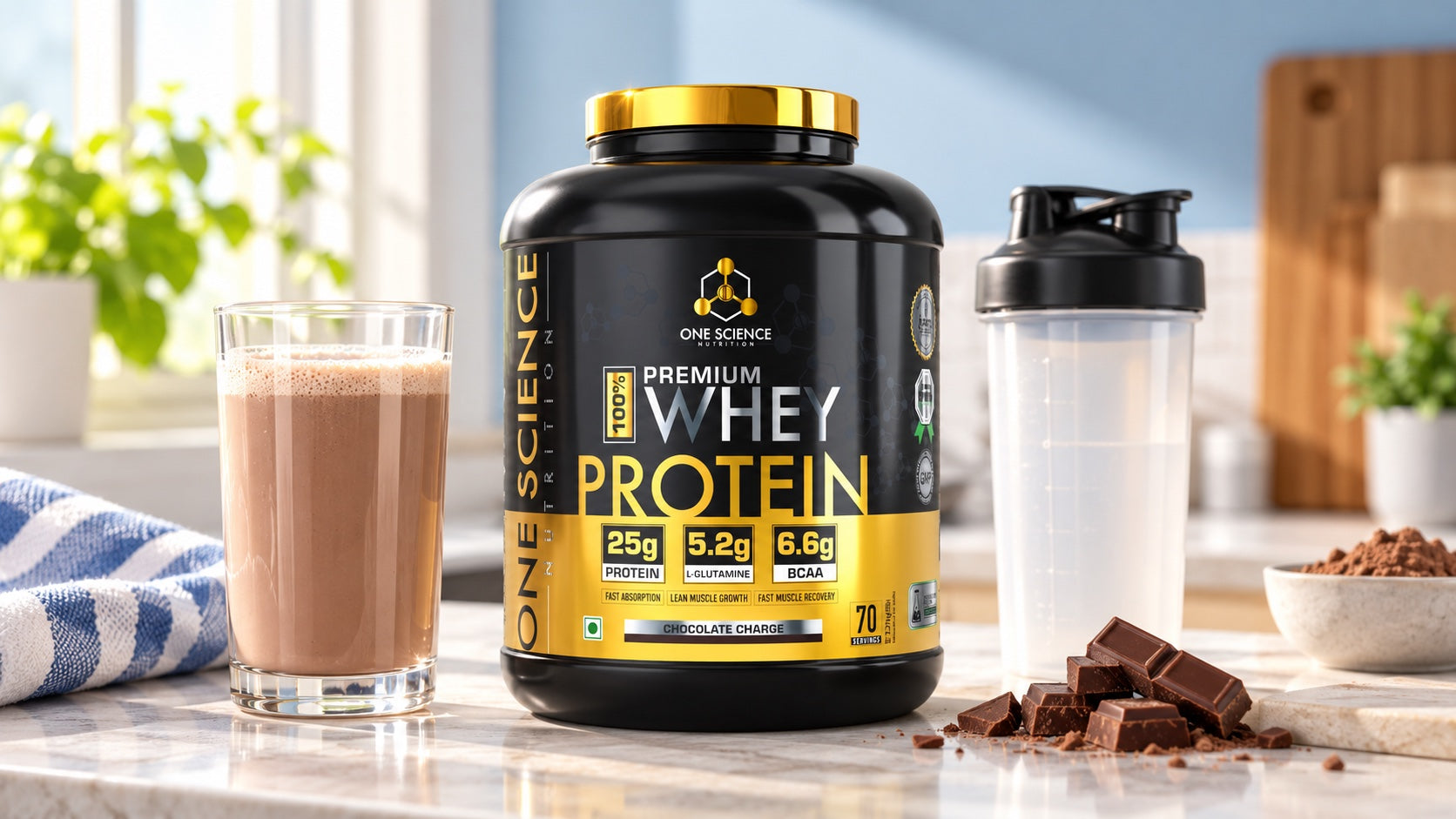
One Science Nutrition Premium Whey: count the serving
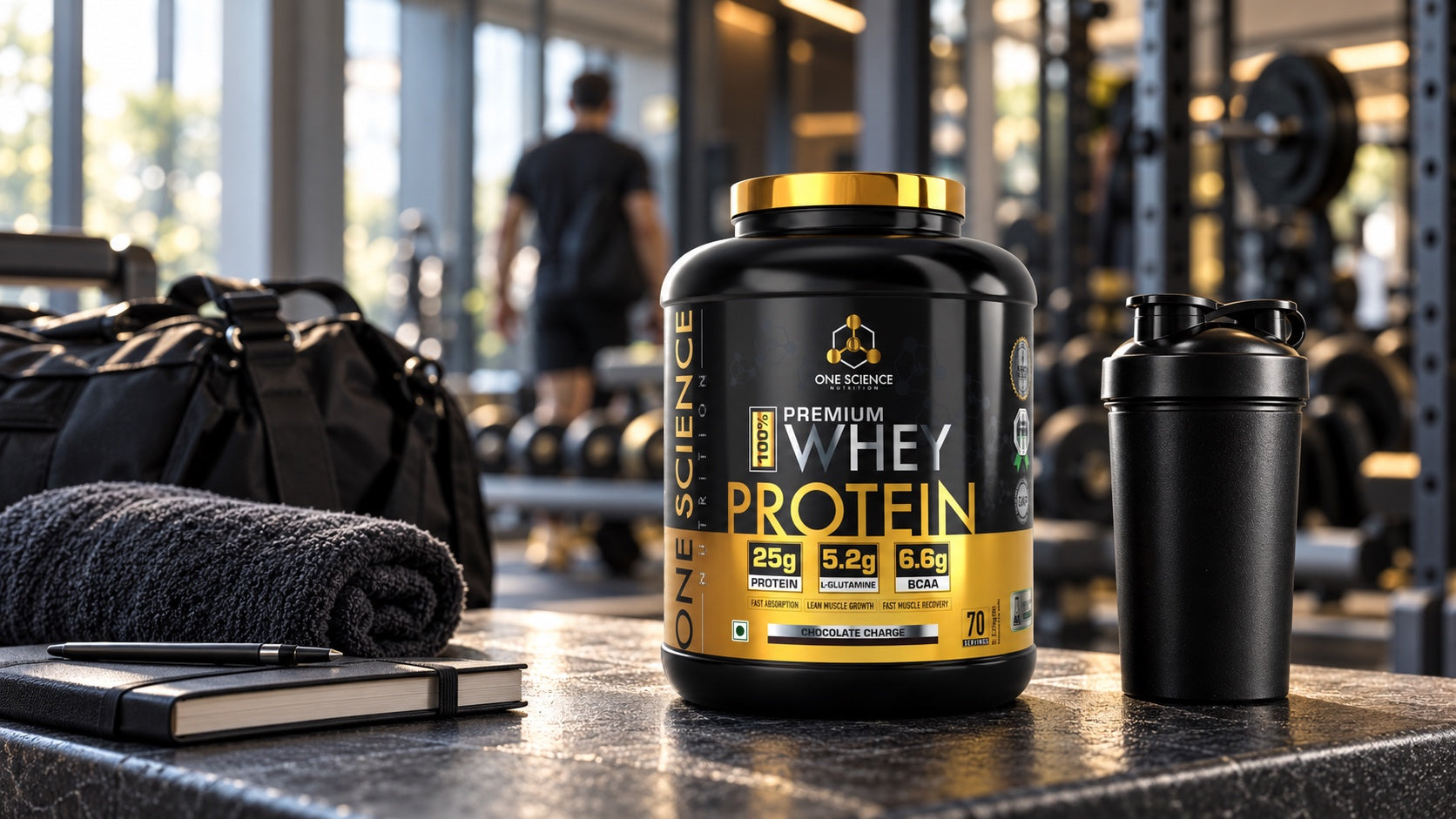
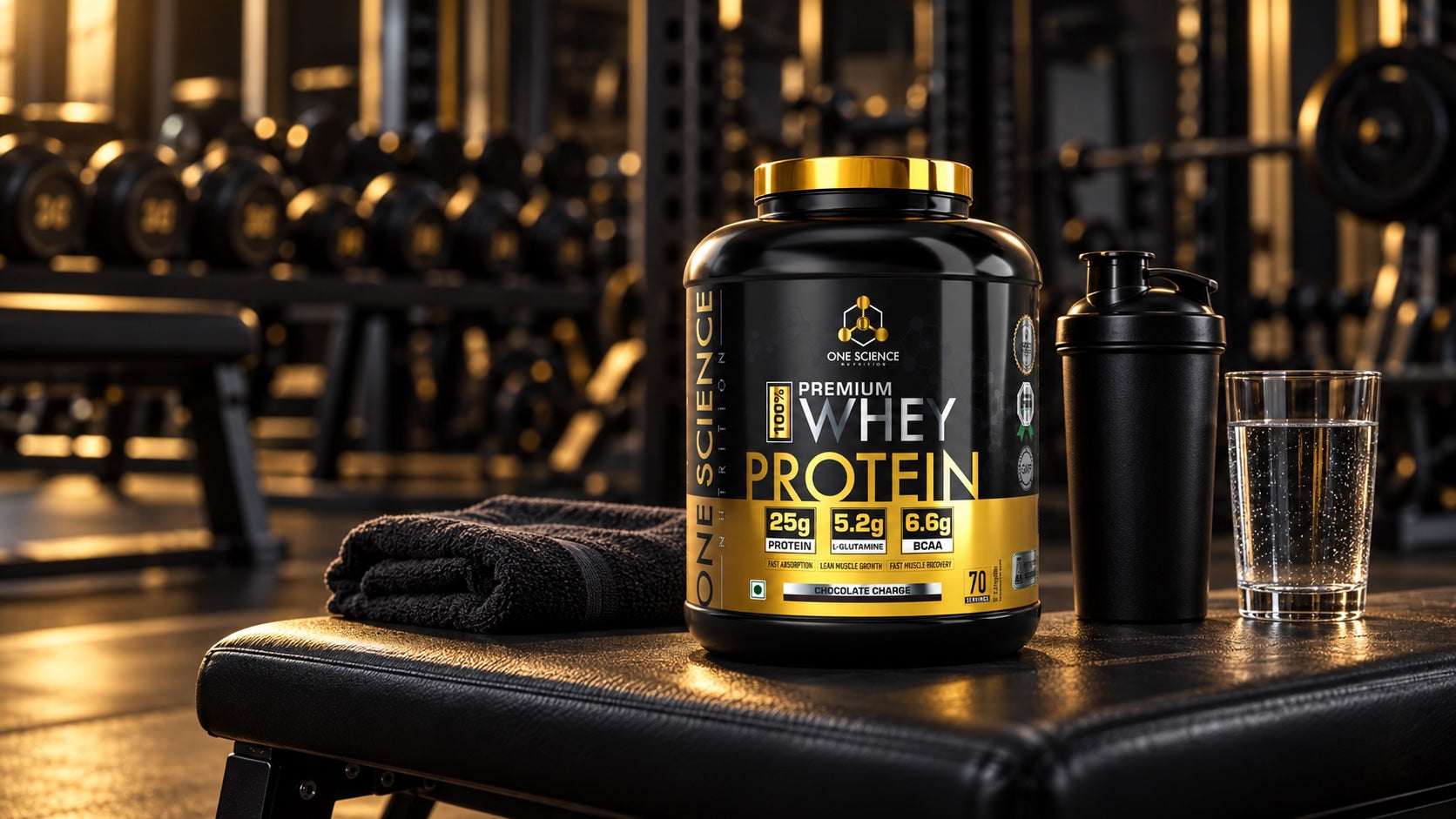
One Science Nutrition Premium Whey in Chocolate Charge provides 25 g protein and 117 kcal per 32.5 g serving. It combines whey concentrate and isolate and contains milk and soy.
The advantage is a defined protein portion you can fit around meals. One Science Nutrition Premium Whey is useful when it covers a genuine gap, such as a busy day when another protein food is impractical. Adding it after an already adequate day is a separate choice, not an automatic route to better results.
Follow the usage on the pack. It is not recommended for children or for use during pregnancy or breastfeeding. More powder is not a way to fix persistent digestive symptoms.
One Science Nutrition High Protein Oats: keep a breakfast in the plan
One Science Nutrition High Protein Oats in Dark Chocolate supplies 13.3 g protein, 4.1 g fibre and 207 kcal per 50 g dry serving. It can be a practical breakfast base when you would otherwise skip food or rely on a drink alone.
One Science Nutrition High Protein Oats contains soy and almonds, and its 50 g dry serving includes 4.5 g added sugar. Add fruit or suitable milk according to your needs, counting those additions separately. The product is food, not a treatment for constipation or an explanation for ongoing symptoms.
Check a normal day before buying another tub
Write down your meals, snacks and all supplements for a few days. Check whether you have doubled up on protein products, removed most fibre-rich foods, or started several new things at once. Take that record to a dietitian if the right amount remains unclear.
Choose One Science Nutrition Premium Whey for a measured whey protein contribution when you need it, or One Science Nutrition High Protein Oats when a protein-containing breakfast fits better. If your intake already covers your needs, focus on making the existing plan work before adding more.