Whey protein concentrate is a milk-derived protein ingredient that supplies essential amino acids, including BCAAs. Its benefits include a convenient protein contribution for meals and training recovery. It generally retains more lactose and fat than whey isolate, so suitability depends on the finished formula and your needs.
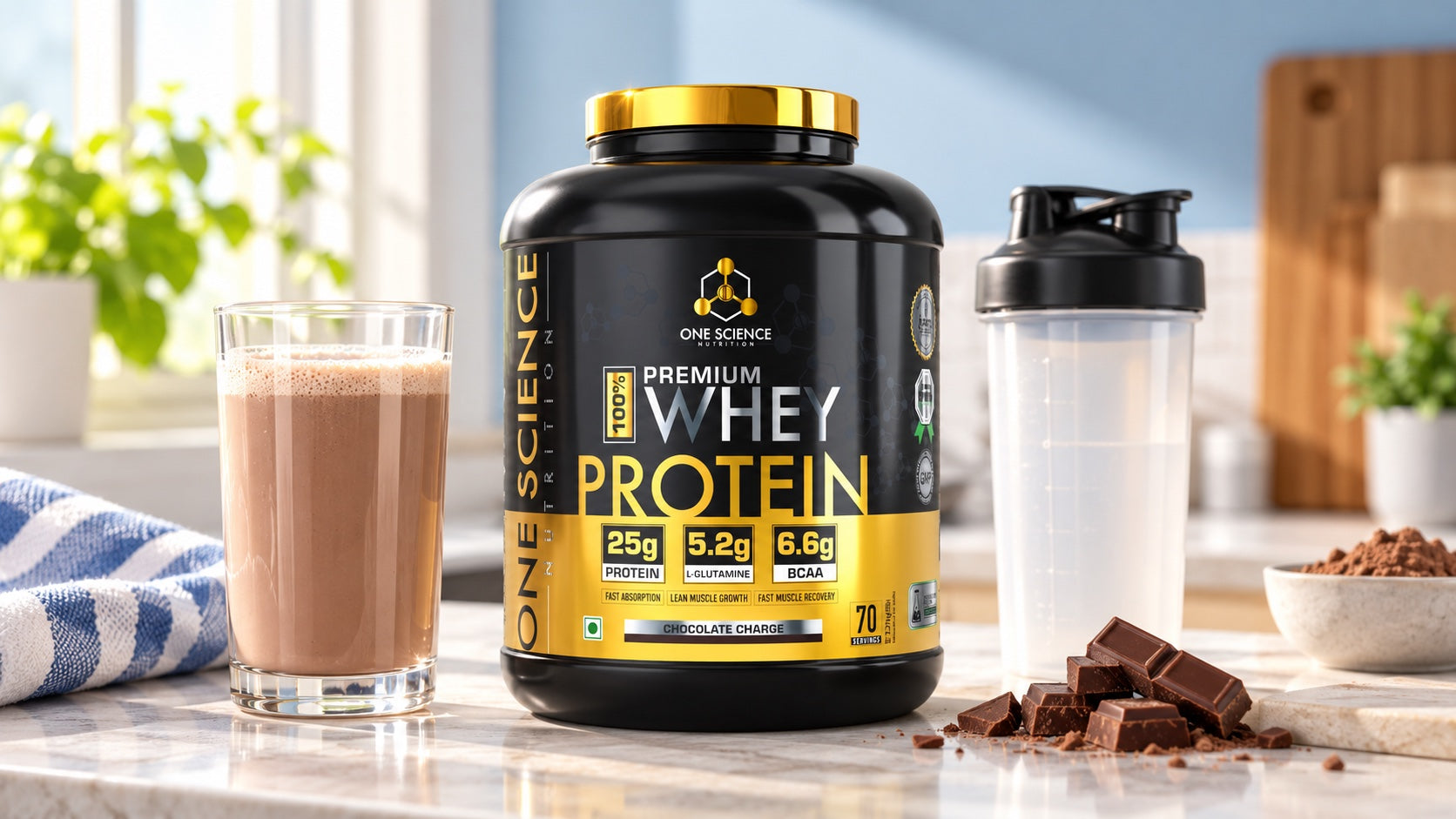
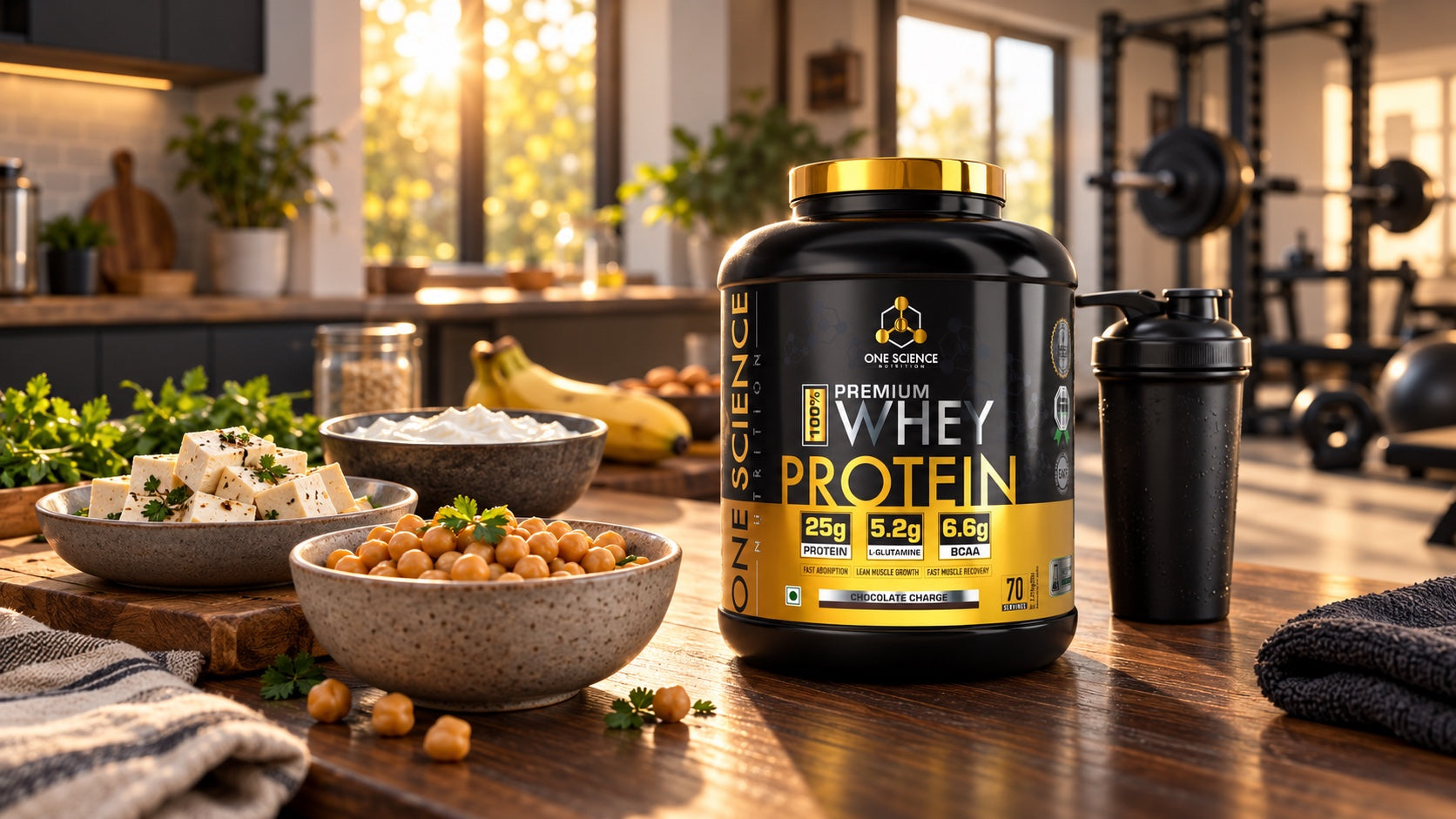
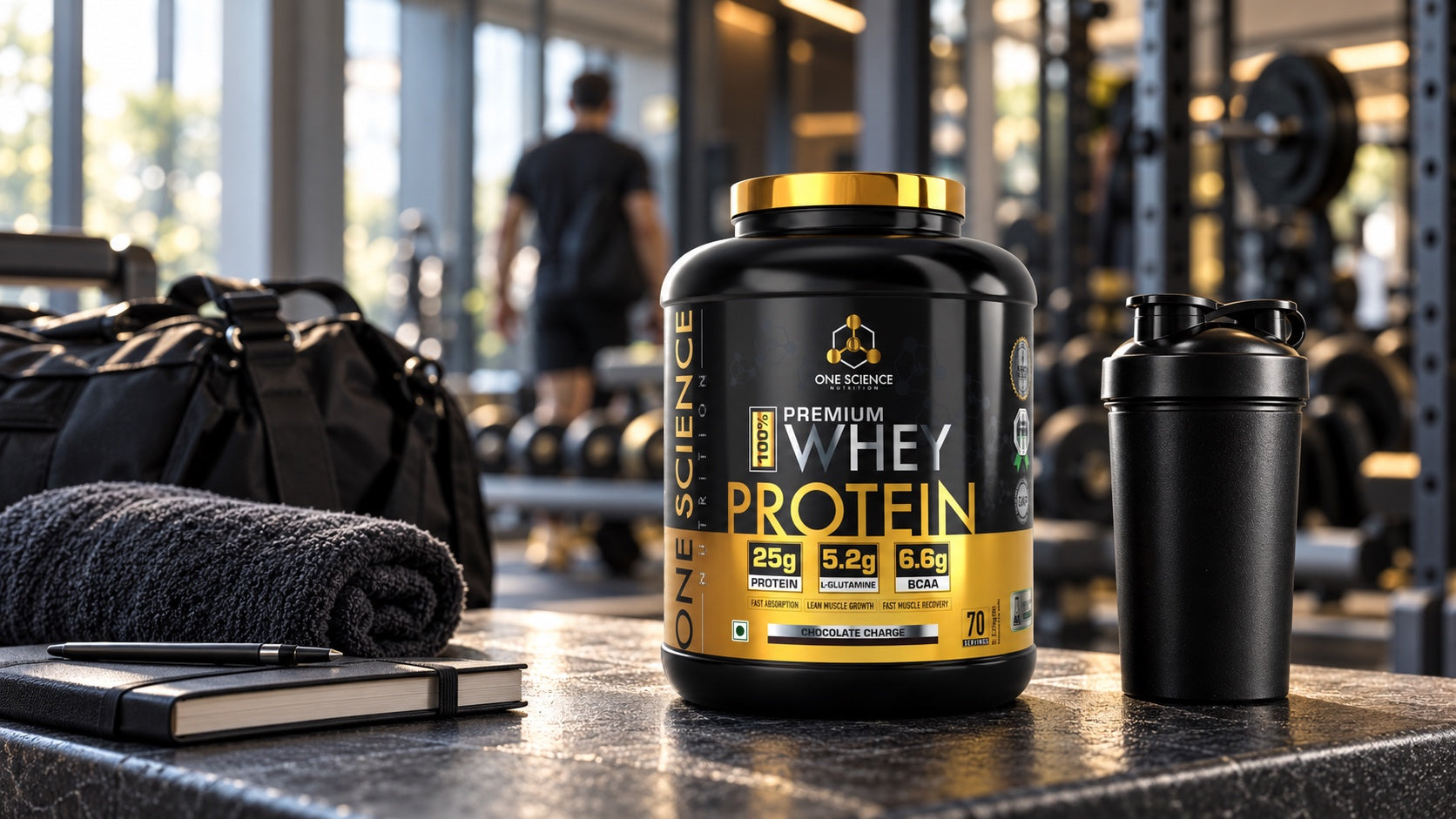
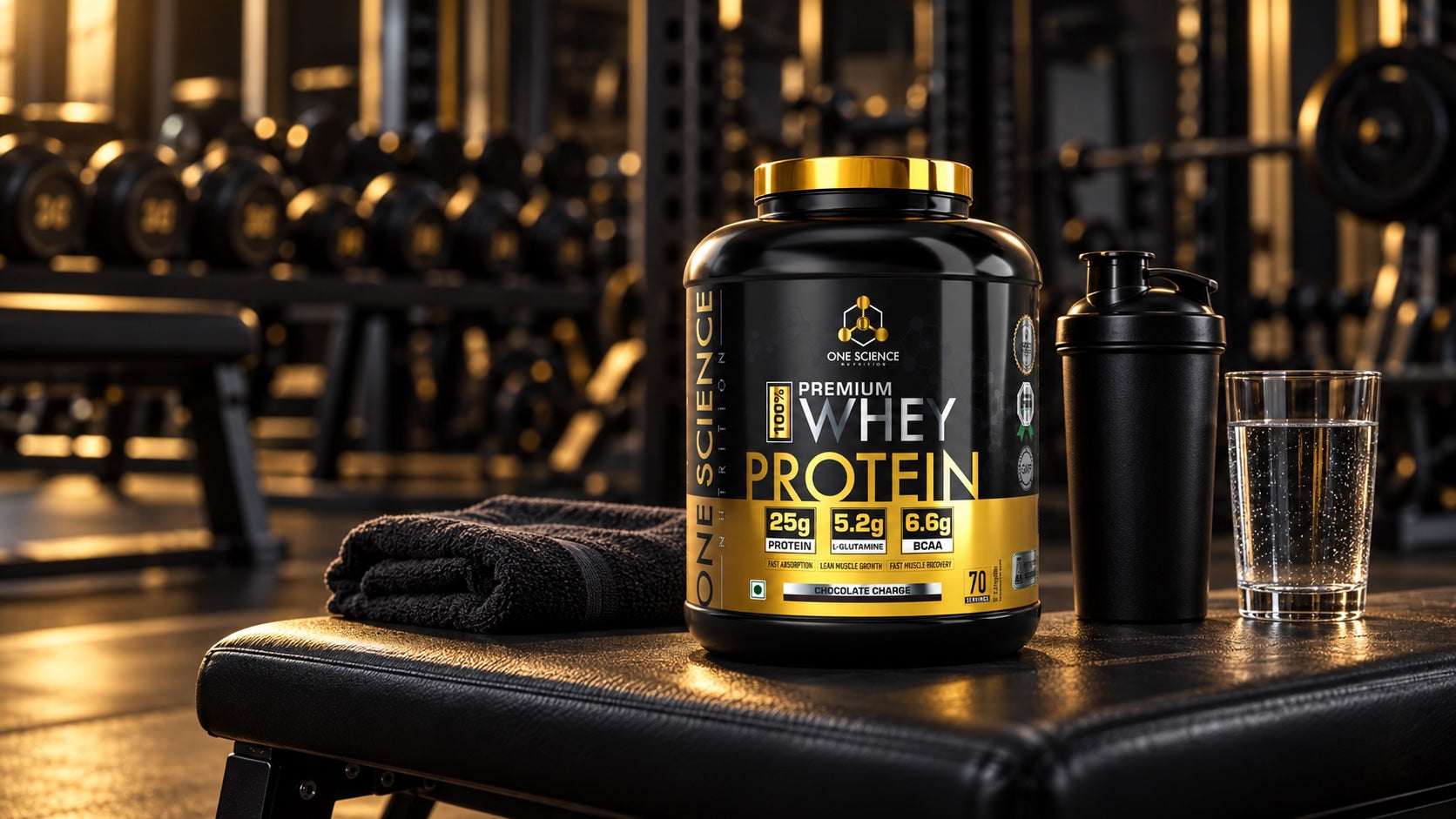
One Science Nutrition Premium Whey includes concentrate alongside isolate, making it a useful example of how this ingredient appears in a real product. One Science Nutrition ISO Gold offers an isolate-and-hydrolysate alternative if you want a different serving composition.
Start with what concentrate actually means
Liquid whey contains water, protein and other milk components. Processing removes water and some non-protein components to produce a more concentrated protein ingredient. Concentrate is one form of that ingredient; isolate undergoes further separation to reduce non-protein components.
You may see concentrate sold on its own or combined with other protein ingredients. A flavoured supplement can also contain cocoa, flavourings, sweeteners and other additions. The finished serving is what you will drink.
Registered dietitian Maxine Smith, RD, LD, explains the different forms in Cleveland Clinic's whey protein guide. Concentrate's protein, lactose and fat amounts can vary, which is why the ingredient name alone does not describe every finished product.
Three useful benefits of whey protein concentrate
A convenient source of essential amino acids
Whey supplies the nine essential amino acids that must come from the diet. Concentrate can help add protein when carrying or cooking another meal is difficult.
That convenience is the benefit to look for first. A shake can be easier to prepare than another protein-rich dish, particularly after a late workout or during a busy workday. It still belongs alongside varied meals.
A way to support resistance-training nutrition
Dietary protein helps supply the materials for muscle repair and adaptation. Concentrate can contribute to that intake just as other suitable protein foods can.
The ISSN protein position stand focuses on adequate quantity and quality for healthy exercising people. It does not establish that a more heavily filtered powder automatically builds more muscle than a concentrate-containing formula.
Flexibility in how you use a serving
A protein powder can fit in a shake or a suitable food preparation, within its directions. Flavour and texture preferences matter because you are more likely to repeat a routine you enjoy.
Do not assume every concentrate product has the same taste or mixes the same way. The full recipe, flavour and preparation affect that experience. Choose on the product information and your preferences rather than a claim that concentrate always tastes better.
When concentrate may be a less suitable choice
Milk allergy rules out ordinary whey products, including concentrate. Lactose intolerance is different: tolerance depends partly on the amount of lactose consumed. NIDDK's explanation of lactose intolerance separates digestive symptoms from an immune reaction to milk proteins.
Isolate generally contains less lactose than concentrate, but that does not make every isolate-based supplement lactose-free. If lactose is a concern, look for relevant information about the exact product rather than choosing by the word “isolate” alone.
You may also prefer a formula with less carbohydrate or fat because of your wider meal plan. Compare actual serving amounts. Small differences do not turn one suitable protein source into a guaranteed better muscle-building choice.
Compare two One Science Nutrition formulas
These are finished-product examples for the named chocolate versions, rather than laboratory specifications for isolated ingredients.
Why consider One Science Nutrition Premium Whey?
One Science Nutrition Premium Whey puts concentrate and isolate in one formula. It suits an adult looking for a practical whey protein serving and a choice of flavours, including Chocolate Charge, Vanilla Swirl and Cafe Mocha among the current listings.
Use One Science Nutrition Premium Whey to cover a real protein gap while keeping meals, training and overall energy intake consistent. It contains milk and soy. It is not recommended for children or for use during pregnancy or breastfeeding. Follow the pack's usage and check the chosen flavour's ingredients.
When might One Science Nutrition ISO Gold fit better?
One Science Nutrition ISO Gold provides a different combination of whey ingredients and a lower-fat, lower-carbohydrate serving in the Chocolate example. That can suit someone who wants those specific nutrition figures within a planned diet.
One Science Nutrition ISO Gold is still milk-derived and unsuitable for a milk allergy. Hydrolysed protein has been broken into smaller pieces; its presence is not a promise of symptom-free digestion or faster visible results. Use the directions for the flavour and pack you buy.
Choose by the serving you will use
Consider your dietary needs, whether you tolerate the ingredients, the protein contribution and the current price of the exact pack. Compare the cost per usable serving if value is a priority, rather than assuming every concentrate blend is cheaper than every isolate product.
Explore One Science Nutrition Premium Whey if a concentrate-and-isolate blend fits your routine. Consider One Science Nutrition ISO Gold if its alternative formula and serving nutrition better match your plan. Neither choice needs a promise that more filtration alone means more muscle.