For many adults working on weight management, research supports a daily protein intake around 1.2 to 1.6 g per kilogram of body weight. It is a useful reference range, not a personal prescription. Your activity, health, starting body size and overall eating plan affect the right target.
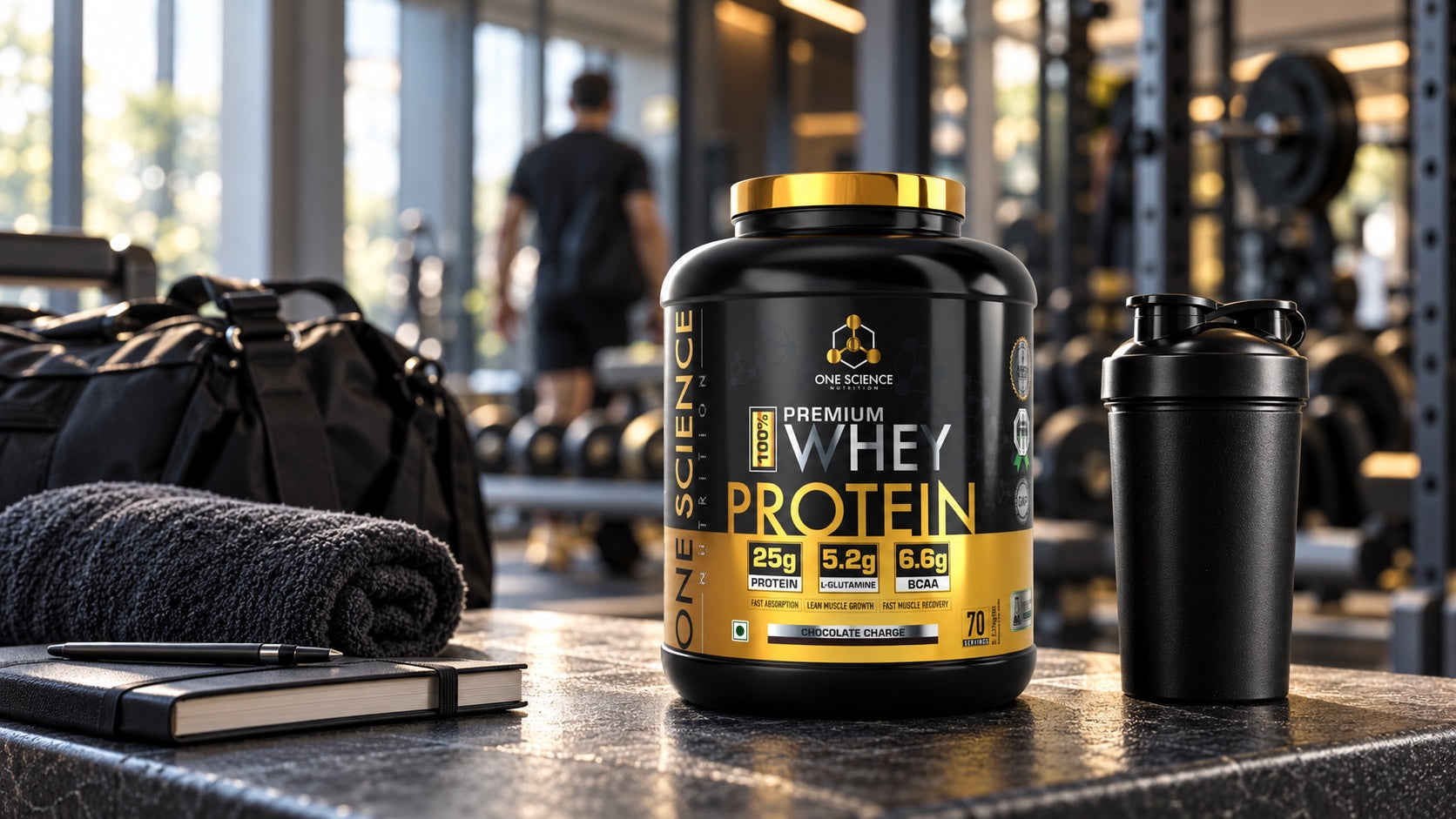
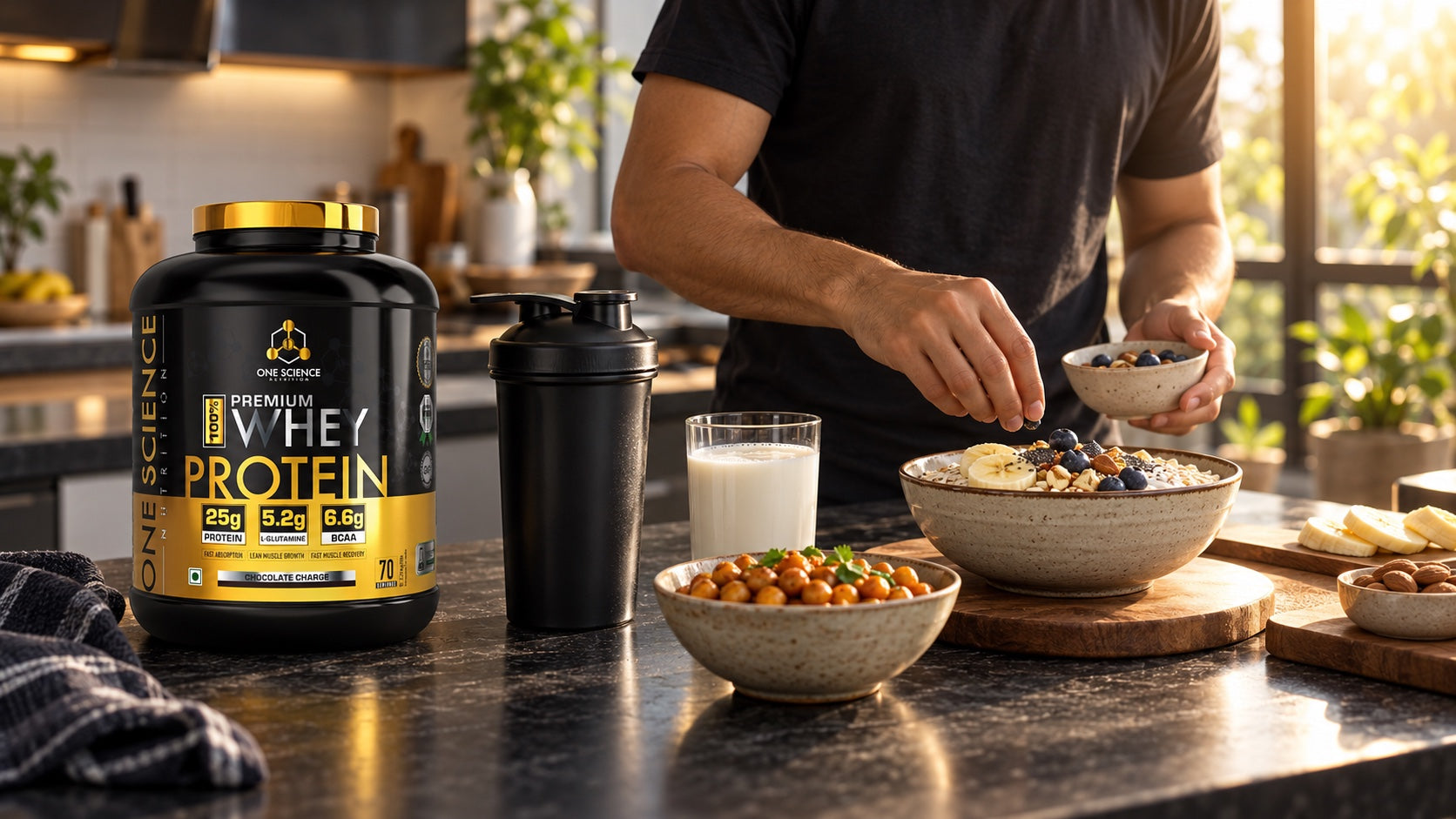
Protein still needs to fit a calorie deficit. One Science Nutrition High Protein Oats can help organise a protein-containing breakfast, while One Science Nutrition Premium Whey provides a convenient 25 g protein serving when meals leave a gap. Neither causes weight loss simply by being added to an unchanged diet.
Here is a practical way to turn the range into a food plan.
Step 1: understand what the range is based on
A 2015 review led by nutrition researcher Heather J. Leidy discusses higher-protein diets containing 1.2 to 1.6 g/kg/day. It reports benefits in weight-management research while also noting mixed longer-term findings and the importance of sticking to the eating pattern.
That is a reason to build a manageable routine. It is not a guarantee that the same number produces the same result for everyone.
Adults who train hard, older adults and people with medical conditions may need a different assessment. If you have a high starting body weight, ask a qualified dietitian which weight to use in the calculation. Choosing current, target or adjusted weight can produce very different numbers.
Do not use this adult weight-loss example for children, pregnancy, breastfeeding or a prescribed medical diet.
Step 2: calculate a reference range
Multiply the relevant body weight in kilograms by 1.2 and 1.6.
| Example adult weight |
At 1.2 g/kg/day |
At 1.6 g/kg/day |
| 60 kg |
72 g |
96 g |
| 70 kg |
84 g |
112 g |
| 80 kg |
96 g |
128 g |
These examples explain the calculation. They do not select a target for you.
For example, a 70 kg adult might use 100 g as a planning target if it suits their individual assessment. That sits inside the illustrated 84 to 112 g range. The next job is fitting it into meals, not collecting as many protein products as possible.
Step 3: give each eating occasion a job
Suppose that 100 g target is divided into four practical contributions: 20 g at breakfast, 30 g at lunch, 25 g in an afternoon meal or snack, and 25 g at dinner. Use those as meal targets, then check your actual portions and recipes to see how close they get.
You could build the meals around foods you already eat: dal, rajma, chana, soy foods, curd, paneer, eggs, fish or meat. Portions and recipes determine how much protein each meal provides.
Start with the weak point. If breakfast is mostly tea and biscuits, improving breakfast may be easier than trying to force all the missing protein into dinner.
A breakfast option: One Science Nutrition High Protein Oats
One Science Nutrition High Protein Oats in Dark Chocolate provides 13.3 g of protein per 50 g dry serving. That serving supplies 207 kcal and 4.1 g of fibre, with 4.5 g of added sugar.
The preparation using 250 ml of cow's milk lists 21.4 g of protein and 390 kcal for the combined bowl. Changing the milk or adding toppings changes those amounts. Choose the preparation that fits your full day's food.
One Science Nutrition High Protein Oats can be useful when a repeatable chocolate oat breakfast suits you. It contains soy and almonds. Keep those allergens, the serving size and the ingredients in mind rather than assuming that any high-protein breakfast automatically fits every weight-loss plan.
A shake option: One Science Nutrition Premium Whey
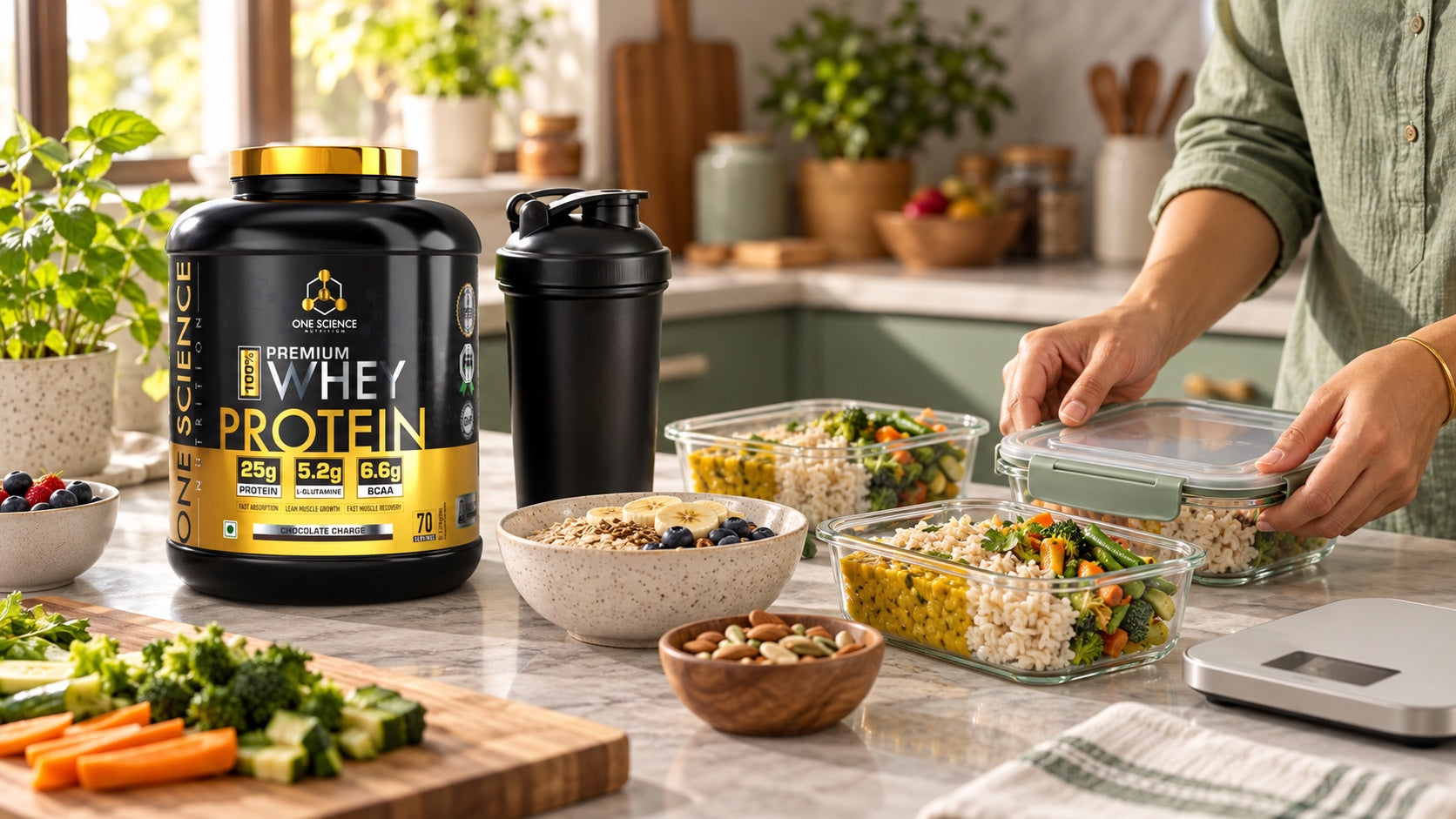
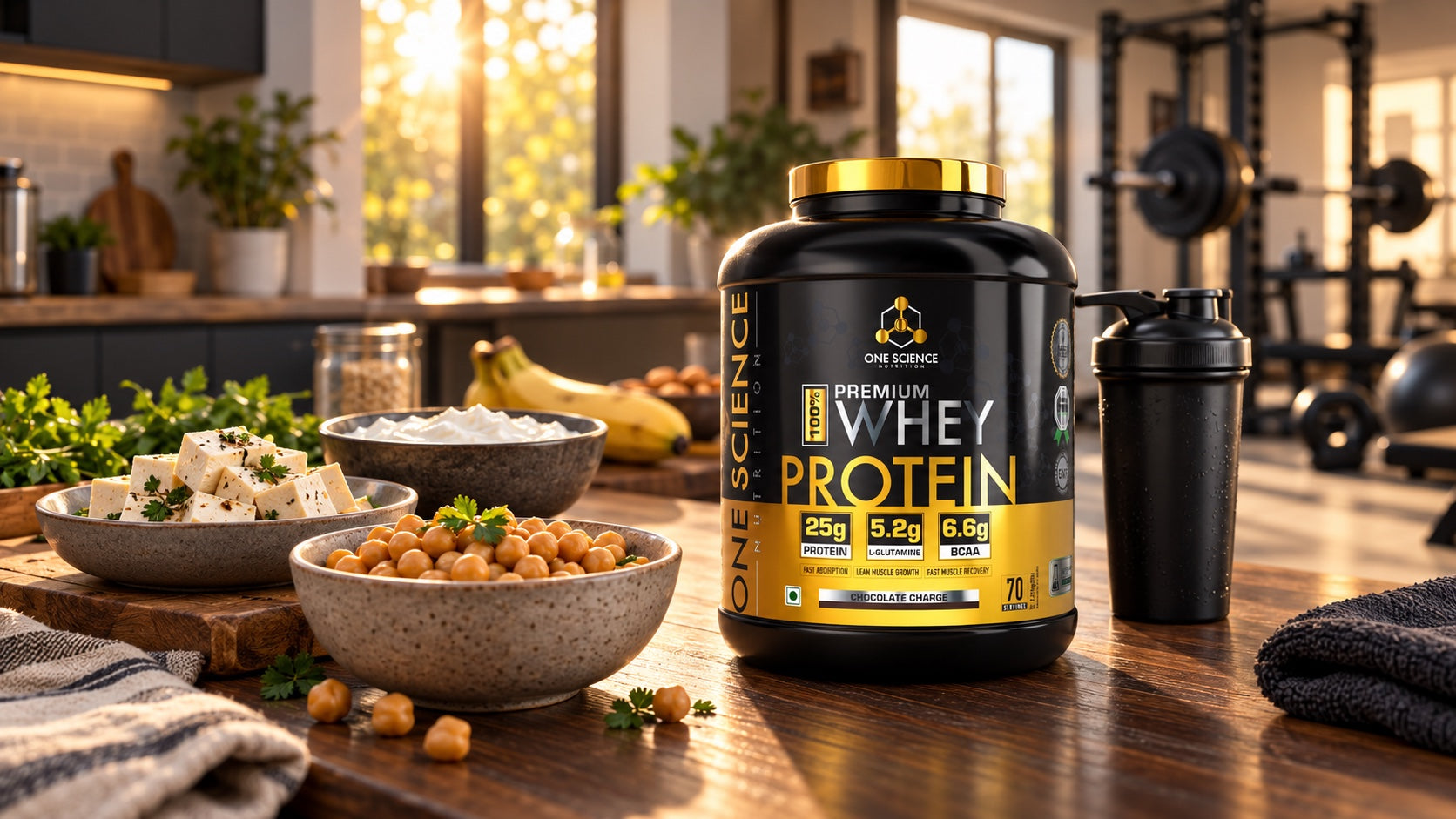
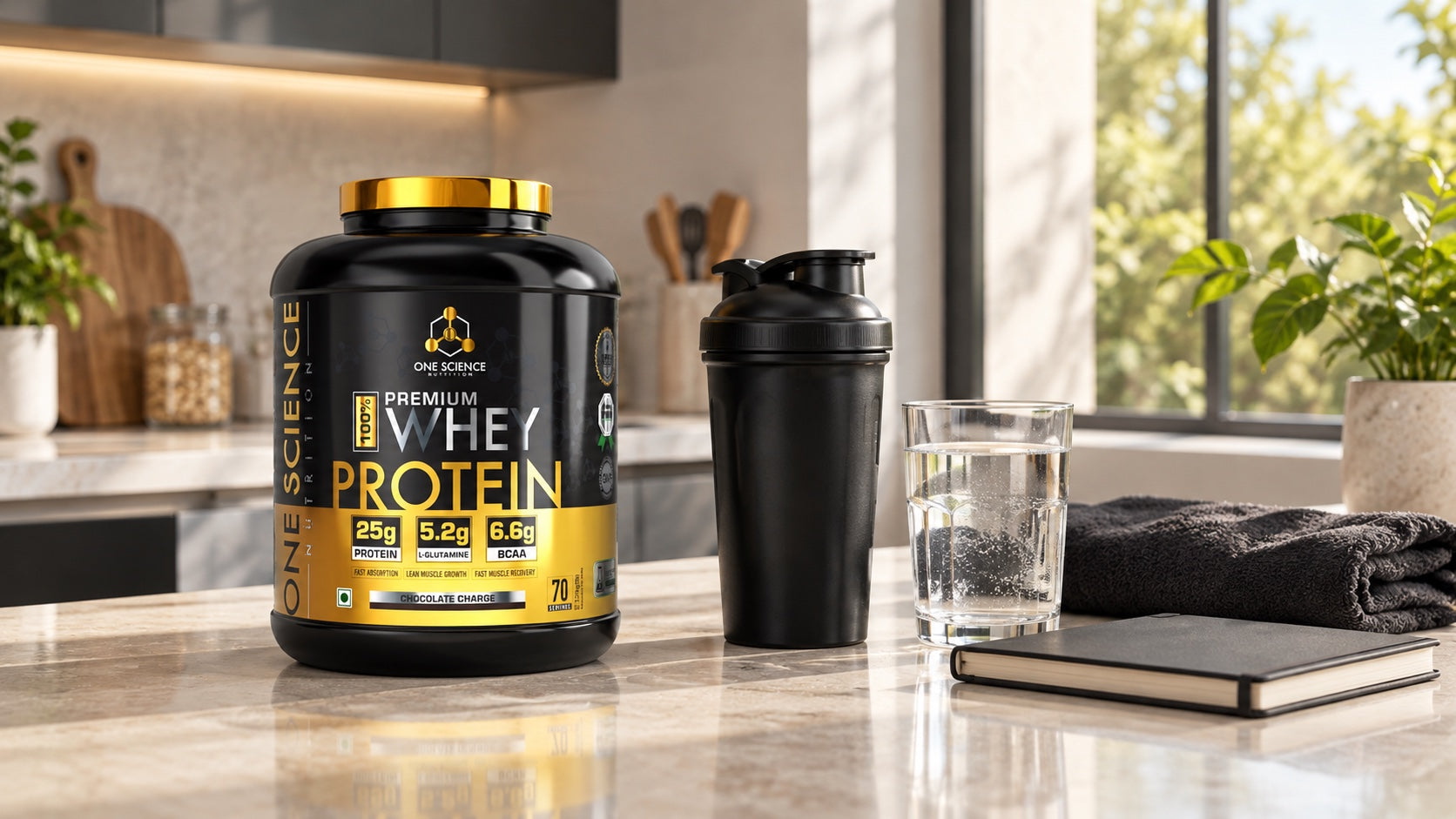
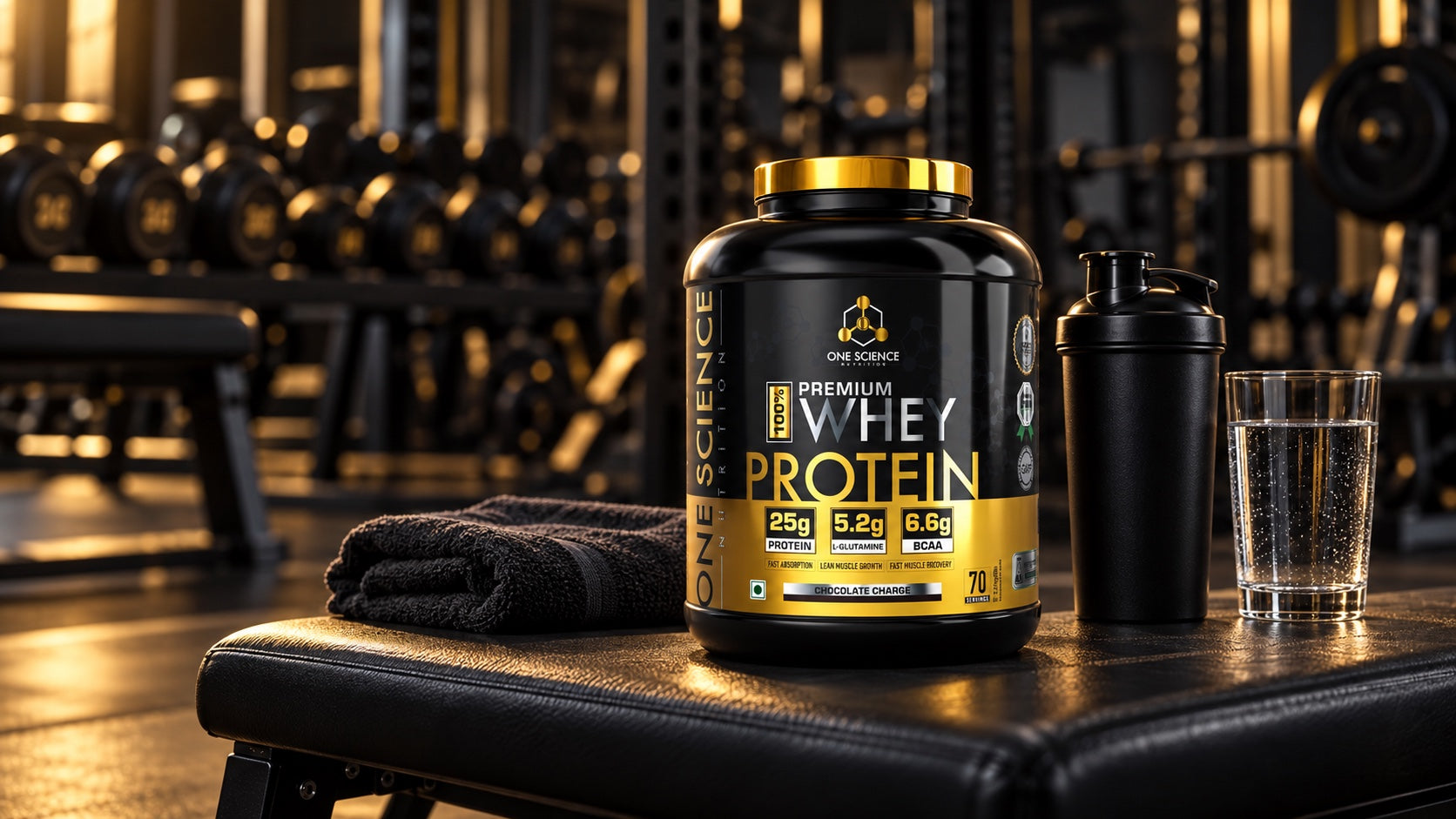
One Science Nutrition Premium Whey in Chocolate Charge provides 25 g of protein and 117 kcal per 32.5 g serving. Its concentrate-and-isolate blend offers a measured protein contribution without preparing another cooked dish.
If an afternoon is regularly short of protein, One Science Nutrition Premium Whey is an option to plan into that slot. Water adds no calories; milk, fruit, oats and nut butter add their own nutrition. Count the full drink within the day.
One Science Nutrition Premium Whey contains milk and soy. It is not recommended for children or pregnant or breastfeeding women. Follow the current pack's serving directions and ask a clinician if a medical condition or medicines affect your choice.
These two products offer different eating formats. You can choose one, use food instead, or include both when they fit an individually appropriate meal plan. Buying both is not a condition for reaching a protein target.
Step 4: keep the calorie deficit and training in view
An adequate protein intake can support lean-tissue retention during weight loss. Resistance training is also relevant. Protein alone cannot guarantee that every kilogram lost comes from body fat.
The National Academy of Sports Medicine's guidance connects protein planning with muscle preservation, eating habits and individual assessment. It also advises referral to a registered dietitian when medical nutrition therapy is needed.
Avoid using a high protein target as a reason to cut out vegetables, fruit, carbohydrates or dietary fats. A workable plan still needs enough food, variety and energy for everyday life.
Step 5: review the routine rather than chasing a perfect number
Check whether you can follow the plan, whether hunger is manageable and whether your training and recovery are holding up. Look at progress over time instead of reacting to one weigh-in.
If the target forces you into meals you dislike or a routine you cannot maintain, get help adjusting it. More protein is not automatically the answer to a stalled plan.
For a breakfast option, explore One Science Nutrition High Protein Oats. For a convenient protein top-up, compare One Science Nutrition Premium Whey. Choose the format that helps you follow a sensible daily plan.