Not gaining muscle despite working out can come down to the training stimulus, inconsistent sessions, too little food or protein, poor recovery, or judging progress too quickly. Check the routine before assuming you need another supplement. Several small problems can add up.
When a protein gap is part of that routine, One Science Nutrition Premium Whey can add a measured protein serving. For healthy adults considering support for repeated high-intensity exercise, One Science Nutrition Micronized Creatine is a separate option. Neither replaces a training programme or a meal plan you can follow.
1. You are judging progress without a consistent record
A mirror check after a few sessions is a rough measure. Lighting, a workout pump and normal day-to-day changes can make comparisons misleading.
Keep a simple record of exercises, repetitions, loads and how the sets felt. If you use photos or measurements, take them under similar conditions and compare over time. A change in body weight alone cannot tell you how much muscle you have gained.
Your first fix may be better information, rather than more food or another tub.
2. Your training sessions are too inconsistent
A programme works through repeated practice. Missing sessions regularly makes it difficult to know whether the programme itself needs changing.
Choose a schedule you can keep alongside work, travel and family commitments. If four sessions rarely happen but two or three are realistic, ask a qualified coach to build around the realistic number.
Track what you complete. A plan written in your notes and a plan followed for several weeks are different things.
3. Your exercises are not becoming more demanding
Repeating exactly the same comfortable work can leave you without a clear progression plan. Progress might mean more controlled repetitions, a suitable increase in load or another planned change. It should not mean sacrificing technique to move a heavier weight.
The American College of Sports Medicine's 2026 resistance-training overview reviews how training prescription affects strength, muscle growth and other outcomes in healthy adults. Use a programme built around your level and goals, rather than assuming one load or routine suits everyone.
If you cannot tell what you are trying to improve from one session to the next, get your programme checked.
4. You are doing plenty of work, but the quality needs attention
Sweating and soreness are not reliable measures of whether a muscle received useful training. Rushed repetitions, unsuitable exercise choices or pain can interfere with the work you intended to do.
A coach can help review technique, exercise selection and whether the workload suits your level. Avoid making every set an all-out test. If an exercise causes pain, address it rather than treating pain as evidence of progress.
5. You are not eating enough for the workload
Busy days can create an unnoticed pattern: little breakfast, a rushed lunch, training, then a large dinner. You may be trying to train hard while struggling to eat enough overall.
Look at meals and weight trends together with your training record. A qualified dietitian can help decide whether your energy intake needs changing. Do not assume every reader needs the same calorie surplus, or that gaining weight quickly means gaining muscle quickly.
Rice, roti, fruit and other carbohydrate foods can help provide training fuel. Dietary fat and a varied diet have a place too. A protein shake is only one part of the food picture.
6. Your total protein intake is lower than you think
Dal at lunch or a shake after training does not tell you the day's total. Check actual portions and count protein from meals as well as supplements.
The International Society of Sports Nutrition's protein position stand gives a daily range of 1.4 to 2.0 g/kg for most healthy exercising adults. Use an appropriate target for your situation rather than automatically choosing its upper end.
As an example, a 70 kg adult using 1.4 g/kg would plan 98 g of protein daily. If food supplied 73 g, a 25 g protein serving would close that illustrative gap. If food already supplied enough, more powder would not automatically fix the training plateau.
One Science Nutrition Premium Whey in Chocolate Charge supplies 25 g of protein and 117 kcal per 32.5 g serving. Its concentrate-and-isolate blend offers a convenient way to organise that protein contribution on a busy day.
7. Your protein routine is difficult to repeat
An ambitious target helps little if you only reach it on days when everything goes to plan. Spread useful protein foods across meals and choose convenient options where they help.
One Science Nutrition Premium Whey can fit a breakfast or afternoon gap when a shake suits you. Its directions use 32.5 g in 150 to 200 ml of water or milk, once daily. The Chocolate Charge serving also provides 1.6 g of carbohydrate and 2.1 g of fat; milk and toppings add to those values.
One Science Nutrition Premium Whey contains milk and soy, and its selected label excludes children and pregnant or breastfeeding women. Ingredients include alpha-amylase and papain, without guaranteeing an individual digestive outcome. Check suitability with your clinician if you have a medical condition or take medicines.
Choose One Science Nutrition Premium Whey for a repeatable protein top-up when that is the gap. Keep ordinary meals in the plan.
8. Sleep keeps getting squeezed out
Late nights can leave you tired before training even begins. Start with sleep opportunity and a schedule you can maintain, rather than trying to cover tiredness with more stimulants.
The CDC sleep recommendations advise at least seven hours per night for adults aged 18 to 60, with different guidance for older adults. Sleep quality matters as well as hours in bed. That is general health guidance, not a promise that a specific amount of sleep produces a particular amount of muscle.
If you repeatedly struggle to sleep or remain unusually sleepy despite adequate time in bed, speak with a healthcare professional.
9. Recovery is not keeping up with the whole week
Gym sessions are only part of the workload. A physically demanding job, other sport, stress and irregular meals can all make the week harder to manage.
Review the pattern when performance drops repeatedly or fatigue keeps building. A coach may adjust the training workload; a dietitian may help with food. Adding supplements while keeping an unsuitable routine unchanged can miss the underlying issue.
Persistent weakness, unexplained weight loss, injury or other concerning symptoms deserve medical assessment. A muscle-gain blog cannot diagnose a hormone problem from a plateau.
10. You expect supplements to fix a missing foundation
Creatine is worth understanding because it has a different role from protein. The International Society of Sports Nutrition's creatine position stand reviews creatine monohydrate for exercise performance and training adaptations. It does not establish guaranteed results for every individual or every branded product.
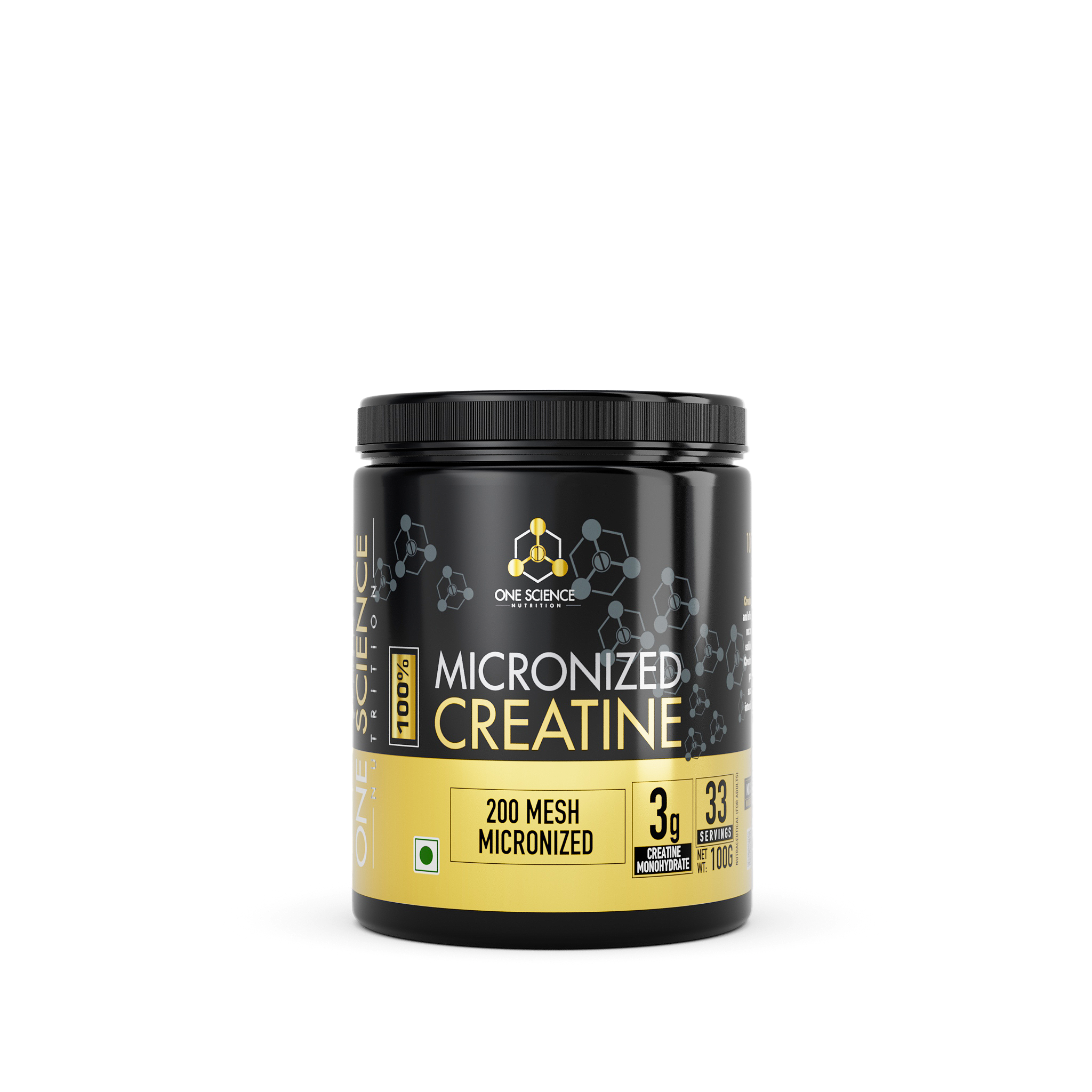
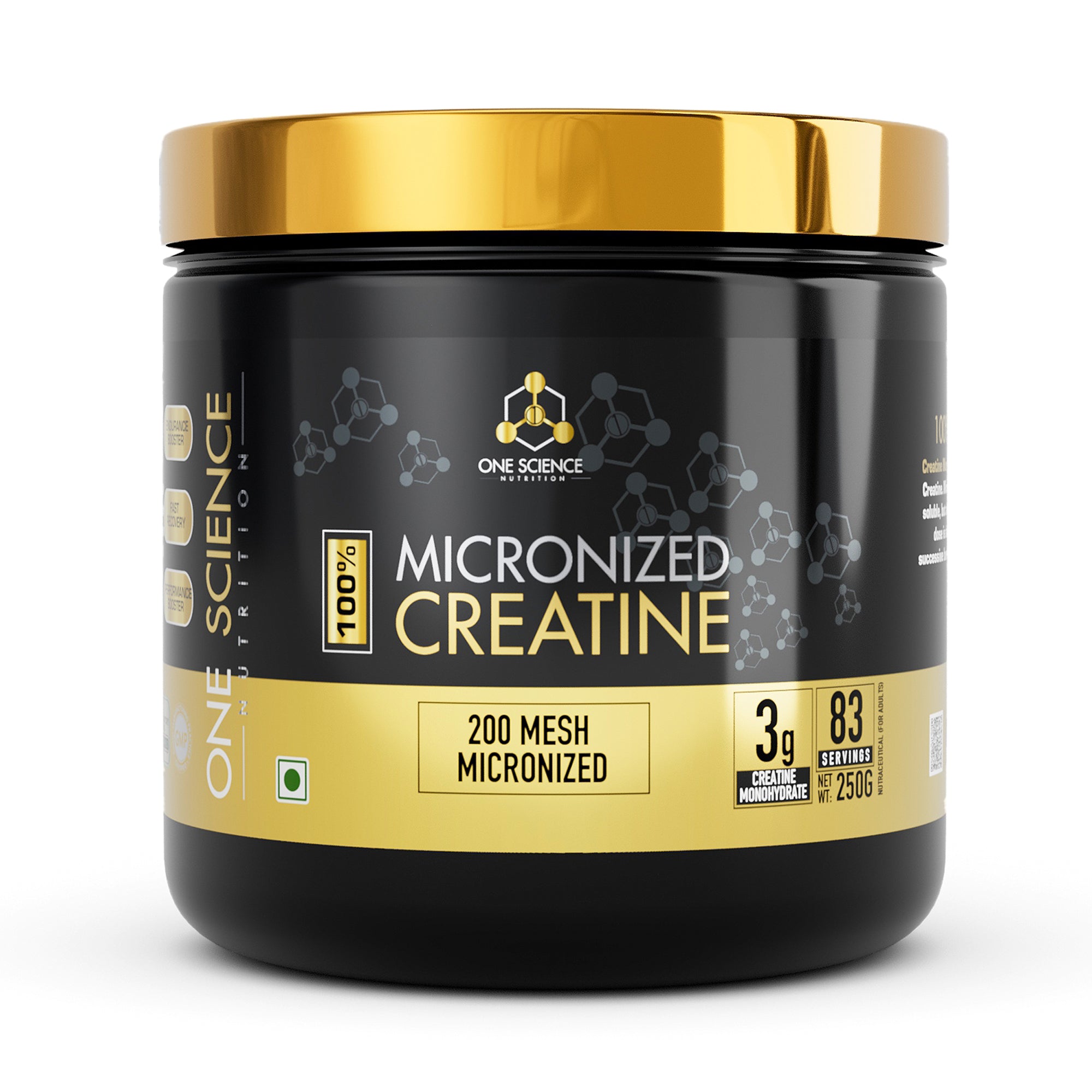
One Science Nutrition Micronized Creatine currently offers a 250 g pack with 3 g of creatine monohydrate per 3 g serving. The unflavoured formula gives you a clearly identified creatine contribution, rather than a protein serving.
Use the current pack's directions, which specify one daily serving. Check how much creatine your other supplements contain before adding a separate product.
The facility warning includes milk and soy. Keep the product away from children. The label asks for professional advice for use during pregnancy, in children or with medical conditions; check with your clinician if you take medicines or are breastfeeding. A micronized ingredient name alone does not prove better muscle gain than another creatine monohydrate product.
Compare One Science Nutrition Micronized Creatine when creatine fits your situation. Compare One Science Nutrition Premium Whey when you need convenient protein. Buy for the role you need, rather than treating both as a compulsory stack.
What should you change first?
Choose the clearest issue in your records and make a manageable change. That could be following your actual training schedule, eating a proper lunch before an evening session, or closing a measured protein gap. Keep enough consistency to see what happens before changing everything again.
Why am I gaining weight but not seeing more muscle?
Weight gain can include fat, fluid and other changes. Check training progress and how much food you are adding. A faster increase on the scale is not automatically better muscle growth.
Should I double my protein shake if progress is slow?
No. First check total dietary protein, training, energy intake and recovery. Stay within the product's directions and seek individual advice if you need a different nutrition plan.
Will creatine break every muscle-gain plateau?
No. Creatine monohydrate can support appropriate training, but it cannot correct missed sessions, unsuitable programming or insufficient meals.
If the gap is convenient protein, explore One Science Nutrition Premium Whey. If you are considering creatine separately, review One Science Nutrition Micronized Creatine and its directions before deciding.