Whey protein isolate is a filtered, milk-derived protein ingredient with much of the original fat and lactose removed. It supplies all nine essential amino acids. Its main appeal is a concentrated protein contribution with relatively little fat or carbohydrate, which can make meal planning easier.
For an isolate-based option, consider One Science Nutrition ISO Gold. Its Chocolate serving provides 27 g of protein in a 32.5 g serving, with 113 kcal, 0.5 g of carbohydrate and 0.3 g of fat. One Science Nutrition Premium Whey offers a concentrate-and-isolate blend for readers who want a different everyday whey formula.
The right choice depends on what you want from the serving. Start there.
What whey isolate changes in your shake
Whey begins as milk protein. Further processing separates more of the non-protein components, creating an isolate ingredient. A flavoured supplement then combines its protein ingredients with the other ingredients in its recipe.
In its guide to whey protein, Cleveland Clinic describes isolate as high in protein and low in fat or lactose. Registered dietitian Maxine Smith, RD, LD, also distinguishes lactose intolerance from milk allergy. A milk-derived isolate remains unsuitable for a milk allergy.
That distinction matters when you are shopping. A formula can suit your preferred carbohydrate or fat intake without being suitable for every digestive issue. Low lactose and lactose-free are different claims. Check the specific product rather than assuming the word isolate settles the question.
Three useful whey isolate benefits
A convenient protein serving. Whey provides essential amino acids used in making and maintaining body proteins. A shake can help when meals leave a protein gap, especially around a busy work and training schedule.
A lower fat and carbohydrate contribution in some formulas. This gives you more flexibility to obtain those nutrients from the rest of your meals. It does not mean carbohydrate or dietary fat should disappear from your diet.
An option for people who prefer an isolate-based formula. Ingredient choice, available flavours and serving nutrition can all matter. You do not need to be an advanced athlete to compare them.
The International Society of Sports Nutrition's protein position stand places adequate total protein and essential amino acids within a wider training diet. Isolate is one way to contribute to that intake. It is not a shortcut around resistance training, meals or recovery.
What One Science Nutrition ISO Gold offers
One Science Nutrition ISO Gold lists whey protein isolate and whey protein hydrolysate in its ingredients. Hydrolysate is protein that has been broken into smaller pieces during processing. The formula therefore gives you an isolate-and-hydrolysate option rather than a concentrate-based whey blend.
For the Chocolate serving, One Science Nutrition ISO Gold provides:
| Per 32.5 g serving |
Amount |
| Protein |
27 g |
| Energy |
113 kcal |
| Carbohydrate |
0.5 g |
| Fat |
0.3 g |
Those are practical amounts to plan around. If you want a chocolate shake that contributes 27 g of protein while adding little fat or carbohydrate, One Science Nutrition ISO Gold is worth comparing with your current routine.
The ingredient list also includes sunflower lecithin, sweeteners and the enzymes papain and alpha-amylase. Read the full recipe if you avoid particular ingredients. These additions do not establish that the finished shake will be comfortable for every person.
One Science Nutrition ISO Gold lists several flavour choices, including Chocolate Charge, Vanilla Swirl and Blueberry Muffin. Check the selected flavour's current nutrition and directions before buying. Adding milk, fruit or nut butter changes the nutrition of the finished drink.
Who should consider an isolate-based option?
You want a specific protein amount with little added fat or carbohydrate. One Science Nutrition ISO Gold gives you a clear serving contribution to compare with the rest of your meals.
You already use whey and want to change the formula. Compare ingredients, flavour choices, pack size and current price. A different protein type should solve a practical need, rather than simply sound more advanced.
You find a daily protein gap difficult to cover through food alone. A suitable shake can be convenient. For example, if your individually appropriate daily target is 110 g and your meals supply 83 g, a 27 g protein serving fills that illustrative gap.
If your meals already meet your needs and your current whey suits you, there is no automatic reason to change to isolate. Useful nutrition is something you can keep doing.
When One Science Nutrition Premium Whey may fit better
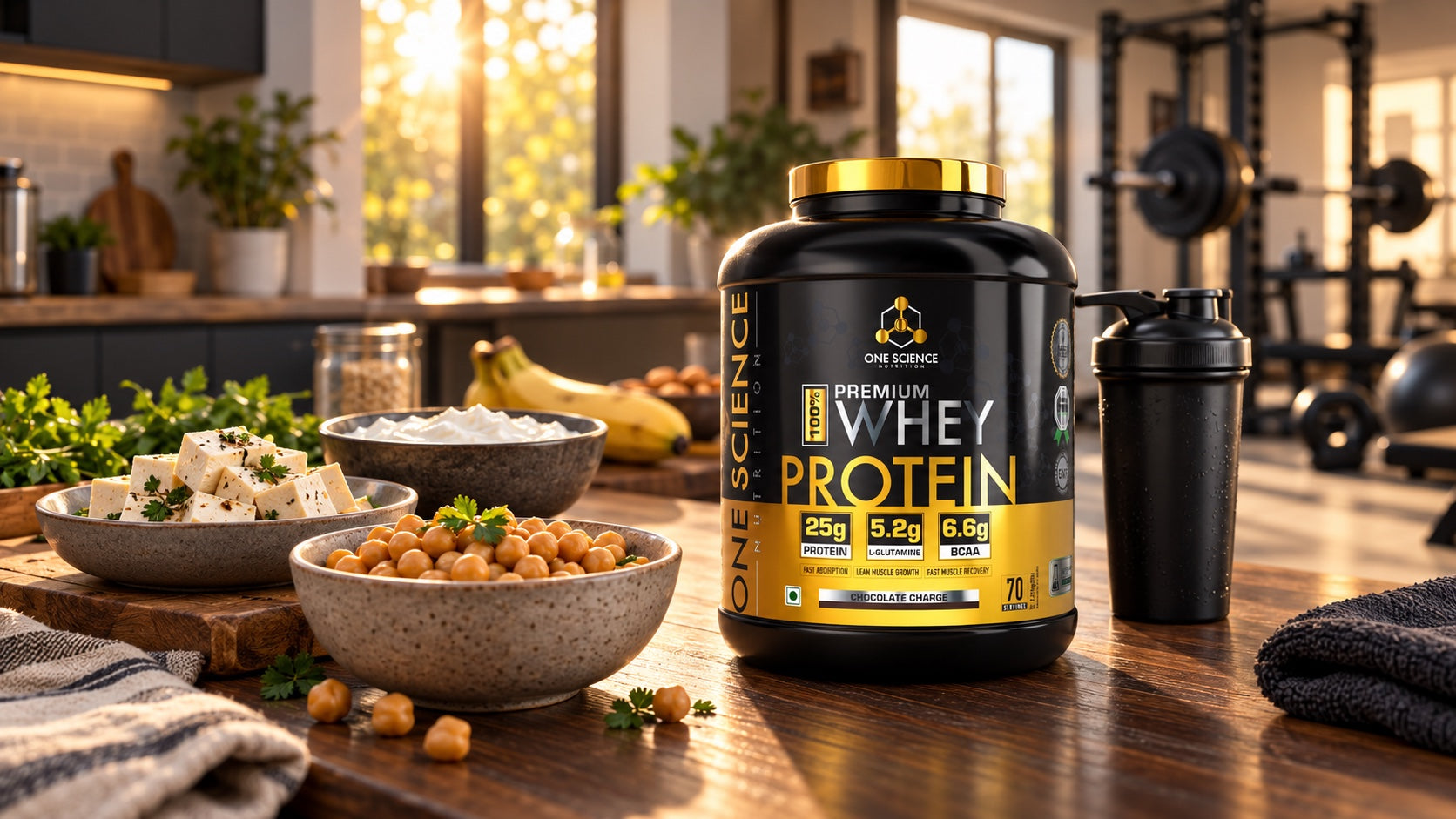
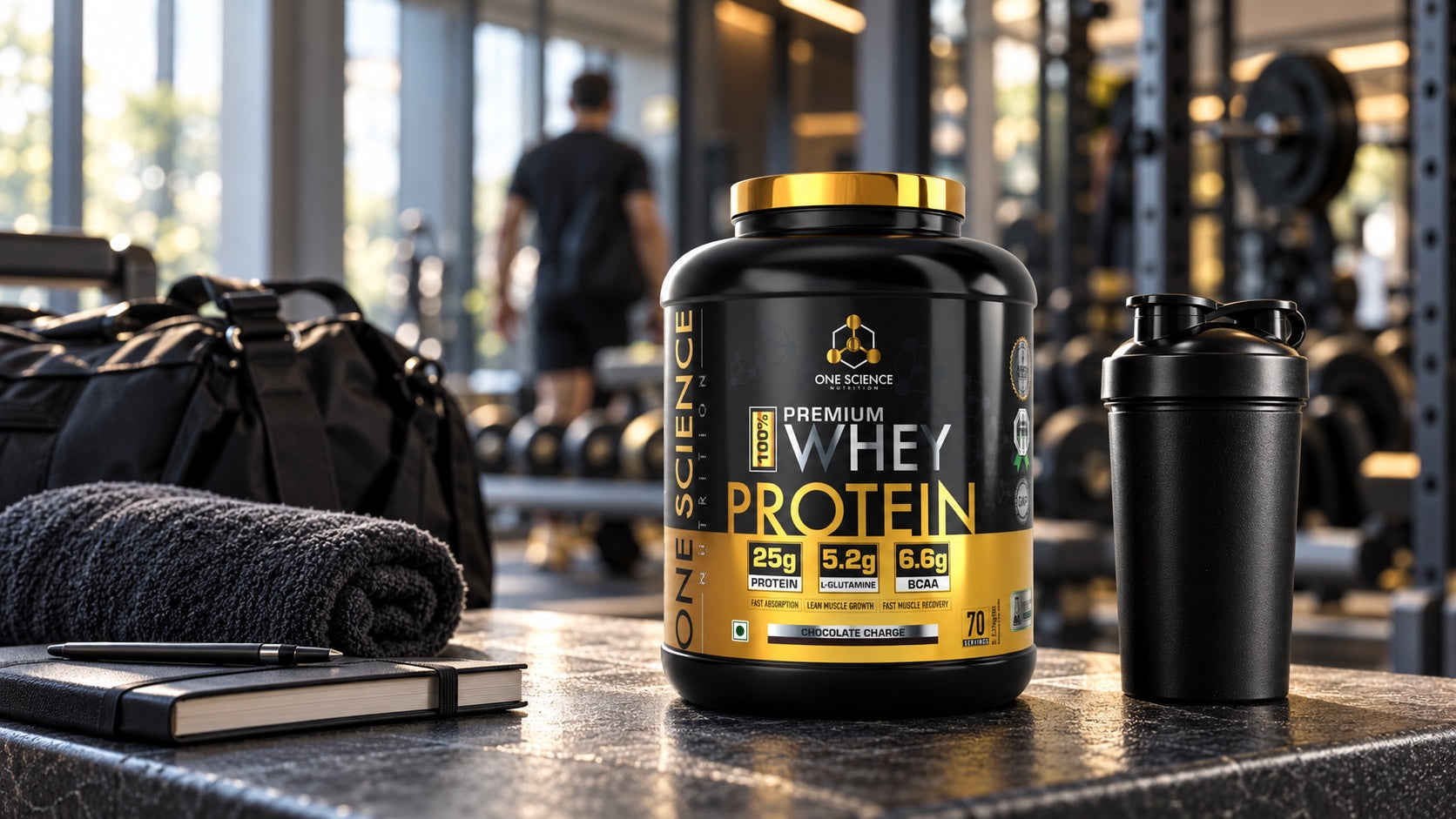
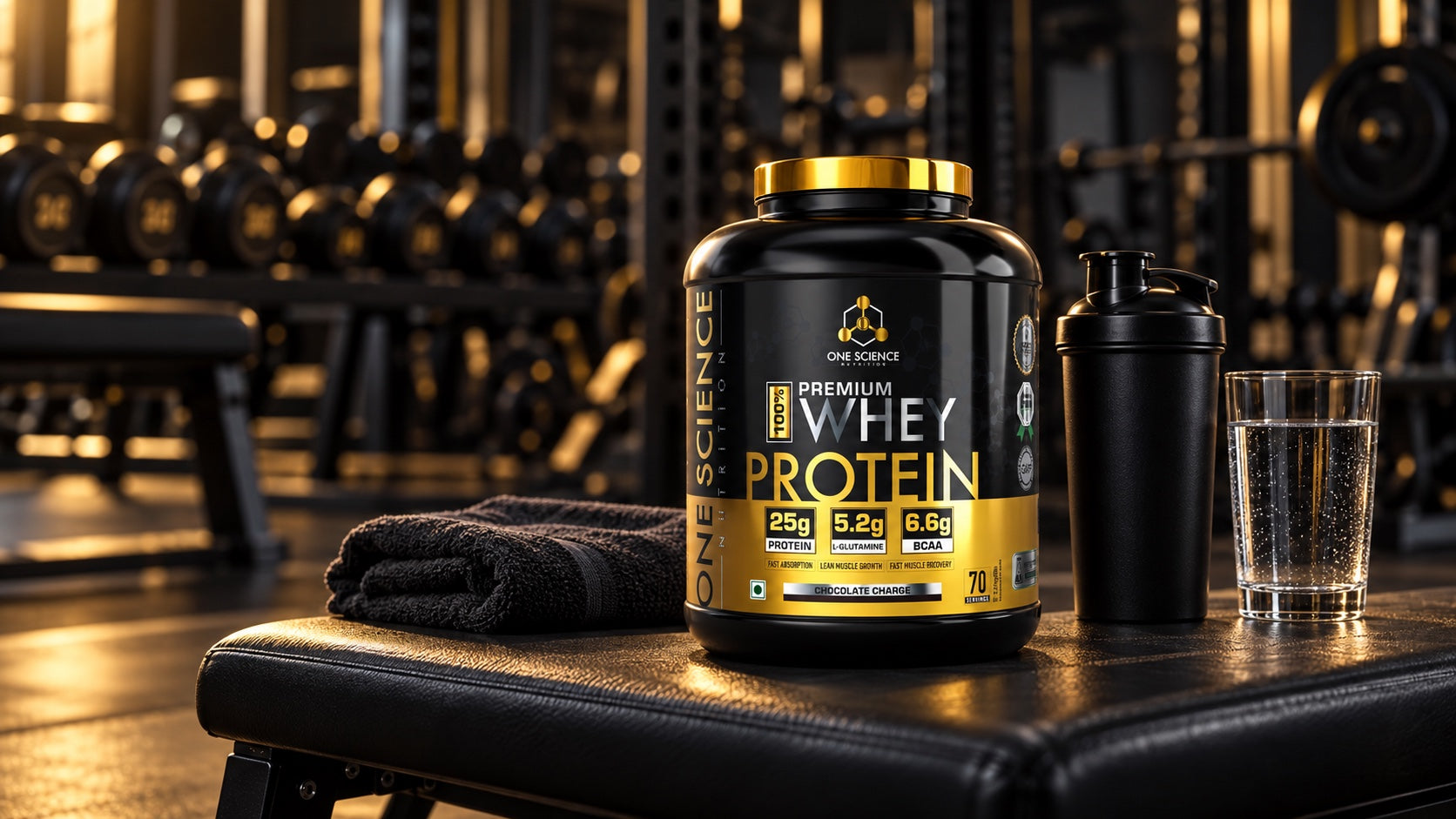
One Science Nutrition Premium Whey combines whey concentrate and isolate. Chocolate Charge provides 25 g of protein, 117 kcal, 1.6 g of carbohydrate and 2.1 g of fat per 32.5 g serving.
The difference from the Chocolate serving of One Science Nutrition ISO Gold is 2 g of protein and 4 kcal per product serving. Those differences can help you compare the formulas, but they do not predict a different amount of fat loss or muscle growth.
Choose One Science Nutrition Premium Whey when its concentrate-and-isolate blend and available flavours fit your daily routine. Consider One Science Nutrition ISO Gold when you specifically prefer its isolate-and-hydrolysate formula and serving nutrition. They are alternatives; you do not need to buy both to use whey sensibly.
Before you choose your pack
Both products are milk-derived. One Science Nutrition Premium Whey also declares soy. The selected product warnings exclude children and pregnant or breastfeeding women. Ask a clinician or qualified dietitian before use if you have a medical condition, take medicines or need a prescribed diet.
Use the directions on your purchased flavour and pack, and keep the rest of your meals in view. For an isolate-based protein choice, explore One Science Nutrition ISO Gold. For a concentrate-and-isolate whey blend, compare One Science Nutrition Premium Whey.