Gym beginners do not need a cupboard full of supplements. Start with regular training, enough food, sleep and a diet that supplies adequate protein. Protein powder can help cover a food gap. Creatine can support repeated, high-intensity training. They solve different problems.
One Science Nutrition Premium Whey and One Science Nutrition Micronized Creatine are two options worth understanding before you buy. Choosing one, both or neither should follow from your diet and training, rather than a ready-made supplement stack.
First decision: what is actually missing?
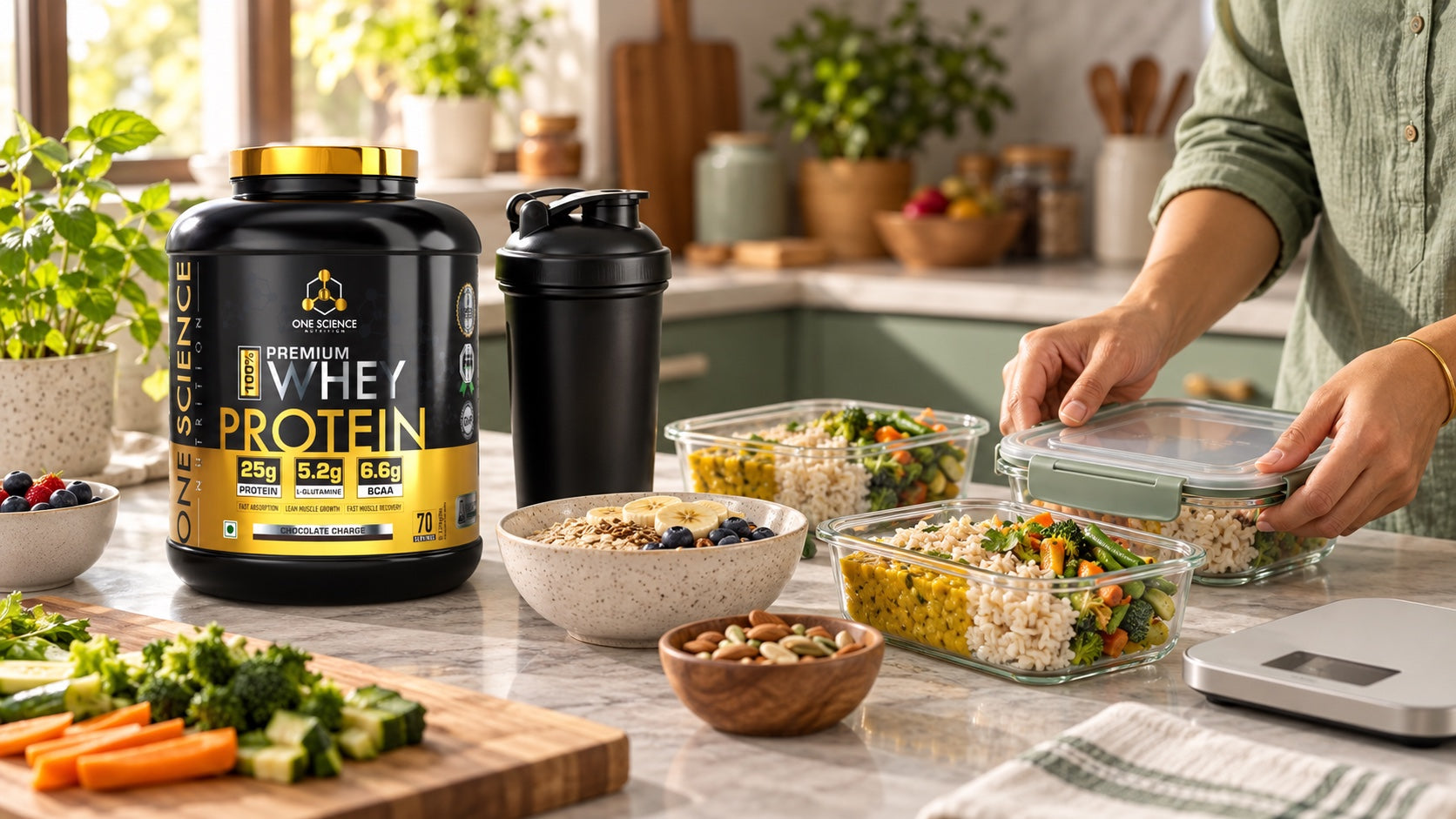
Before adding anything to your basket, write down what you eat on a normal training day and a rest day. Include breakfast, snacks, drinks and the portions you usually serve.
Then ask:
- Am I eating proper meals, or regularly skipping them?
- Does each main meal contain a useful protein source?
- Am I following a training plan I can repeat and progress?
- Is late-night scrolling or an awkward schedule cutting into sleep?
A supplement is easier to judge once the problem has a name. “Lunch has very little protein” is a problem you can address. “Everyone in the gym has a stack” is not a nutritional assessment.
The NIH Office of Dietary Supplements explains that performance supplements cannot replace a healthy diet, and that their value depends on the activity. Its advice also highlights medical conditions and medication interactions when choosing products.
If food leaves a protein gap, consider protein powder
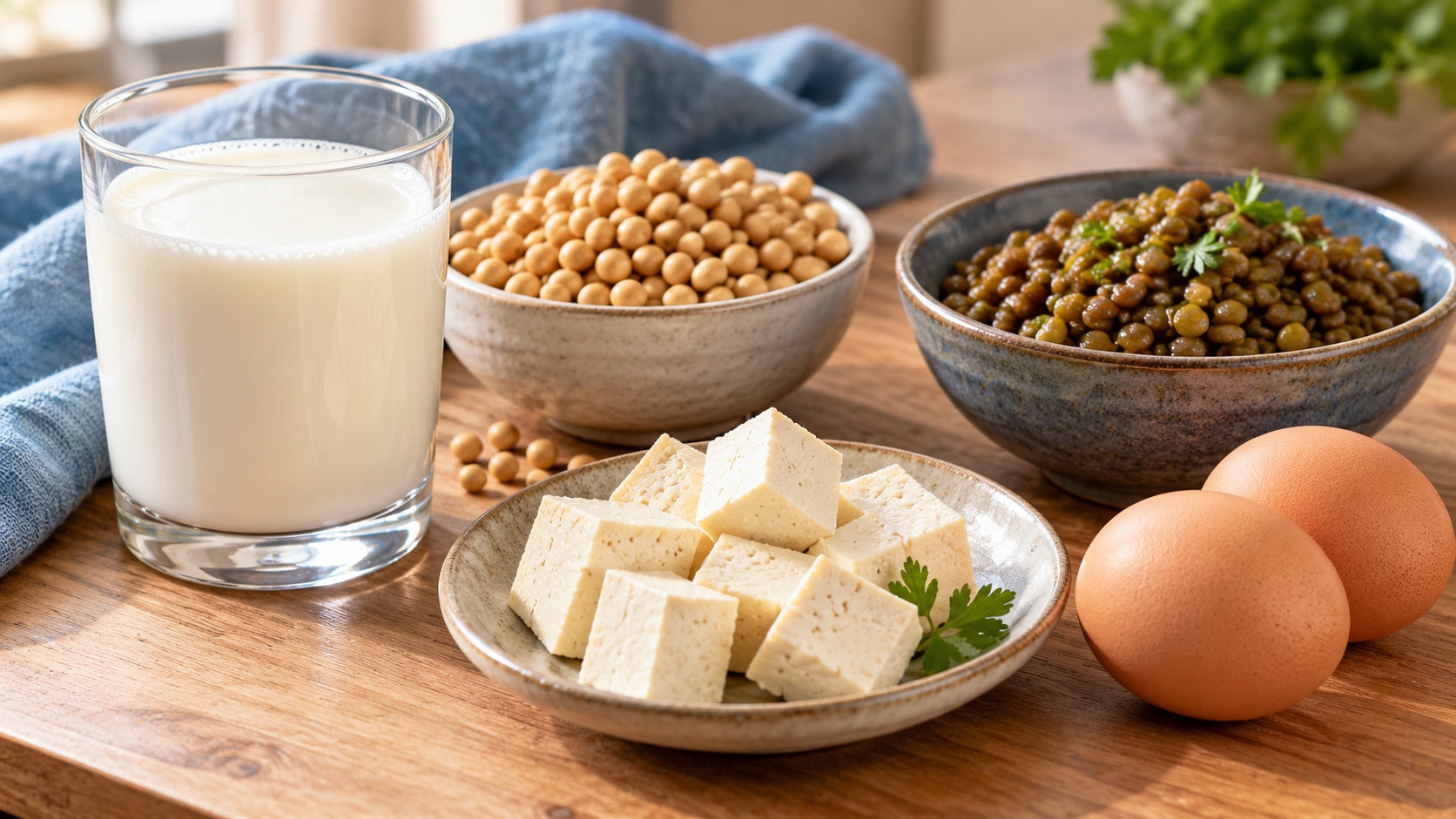
Protein powder is a convenient protein source. It does not make a beginner's training programme effective by itself, and you can meet protein needs through meals without using it.
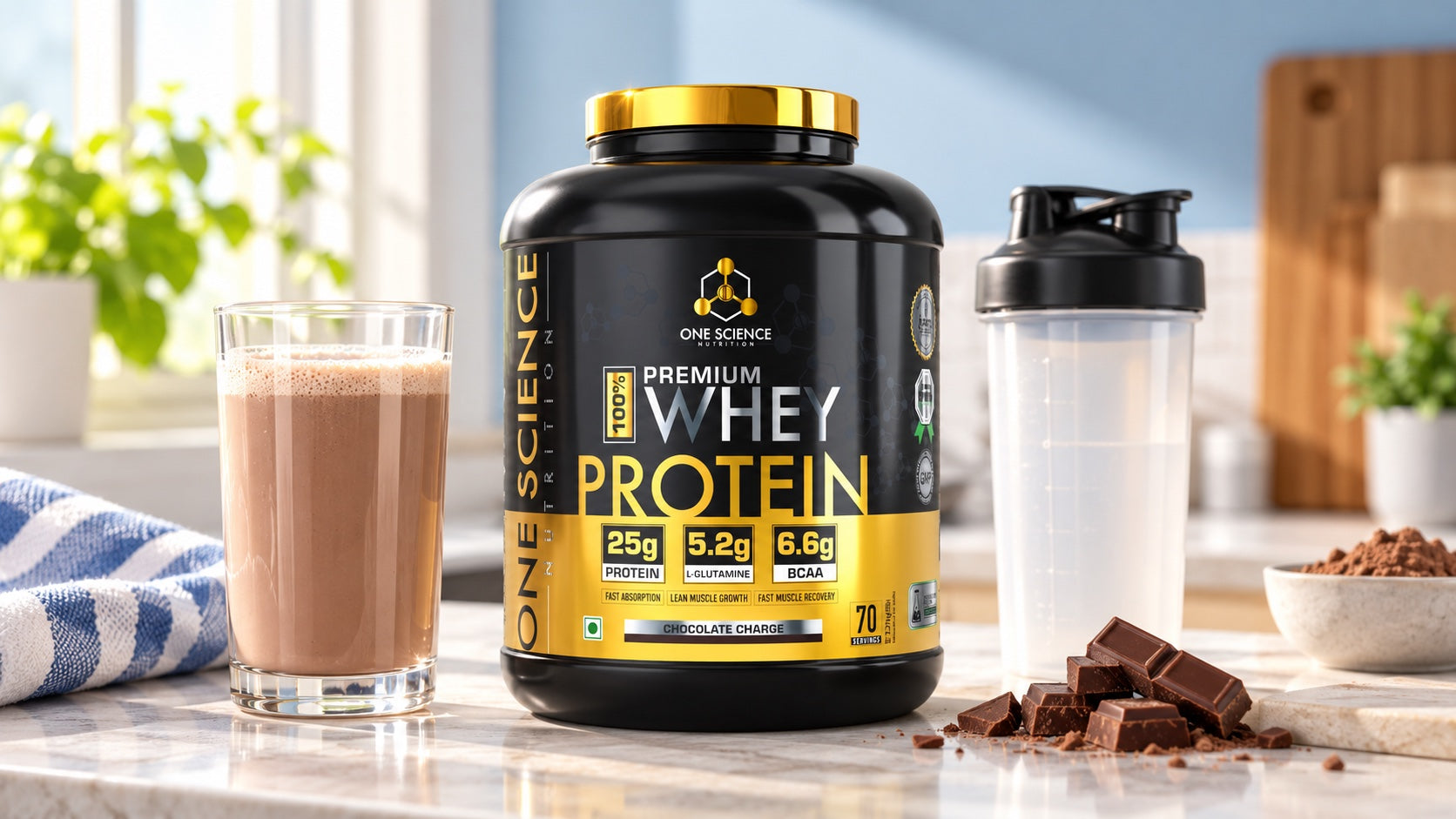
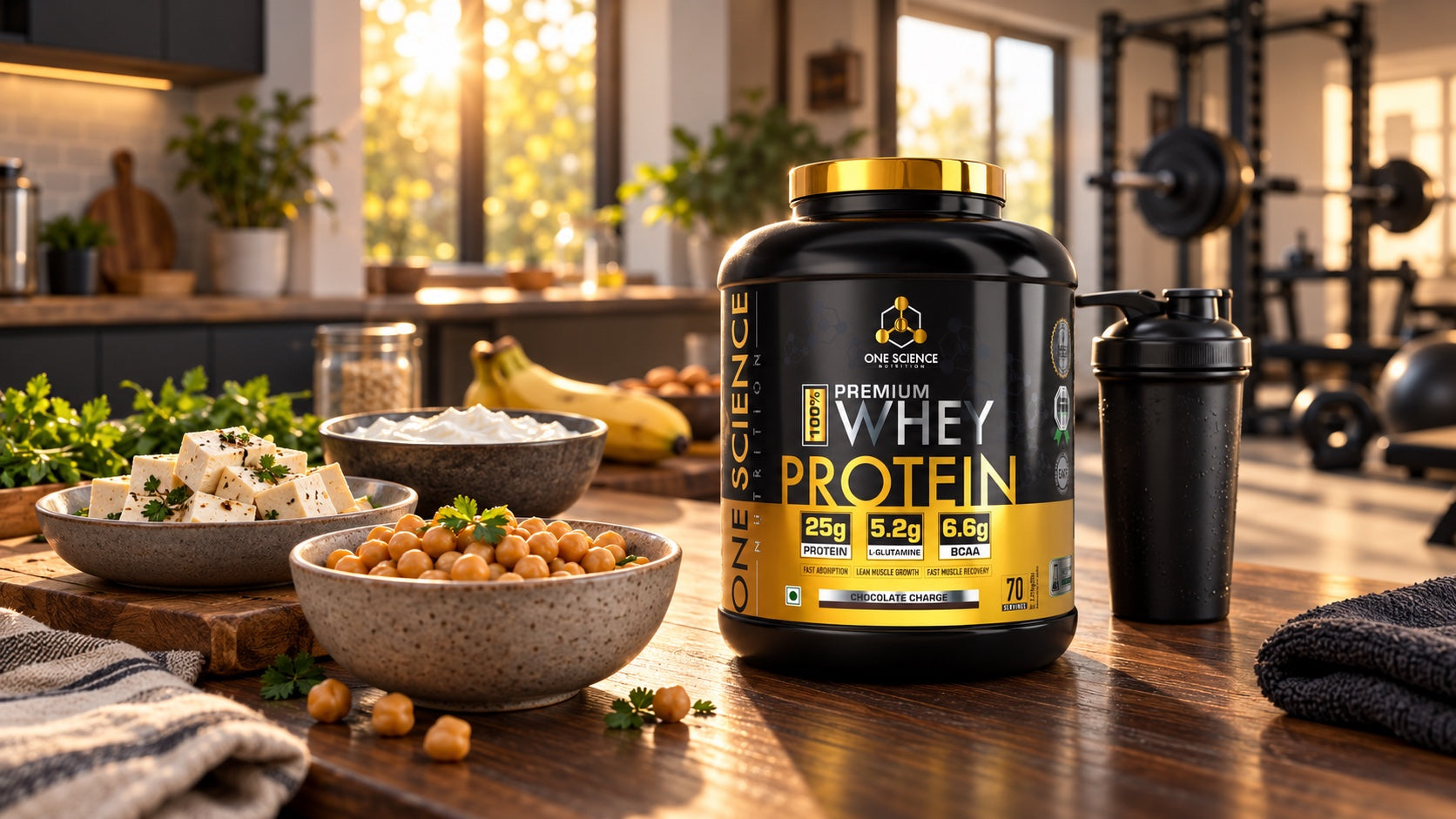
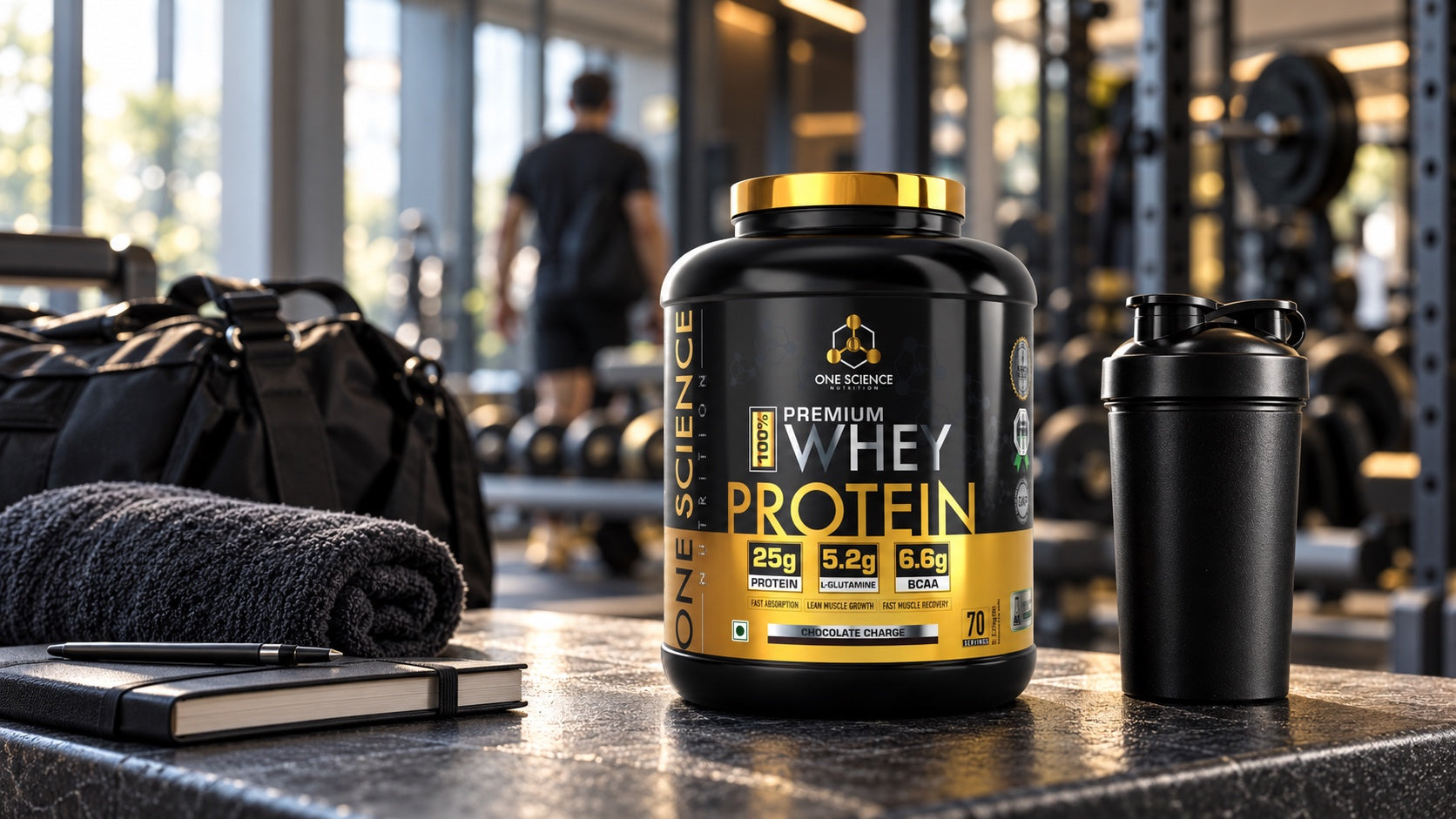
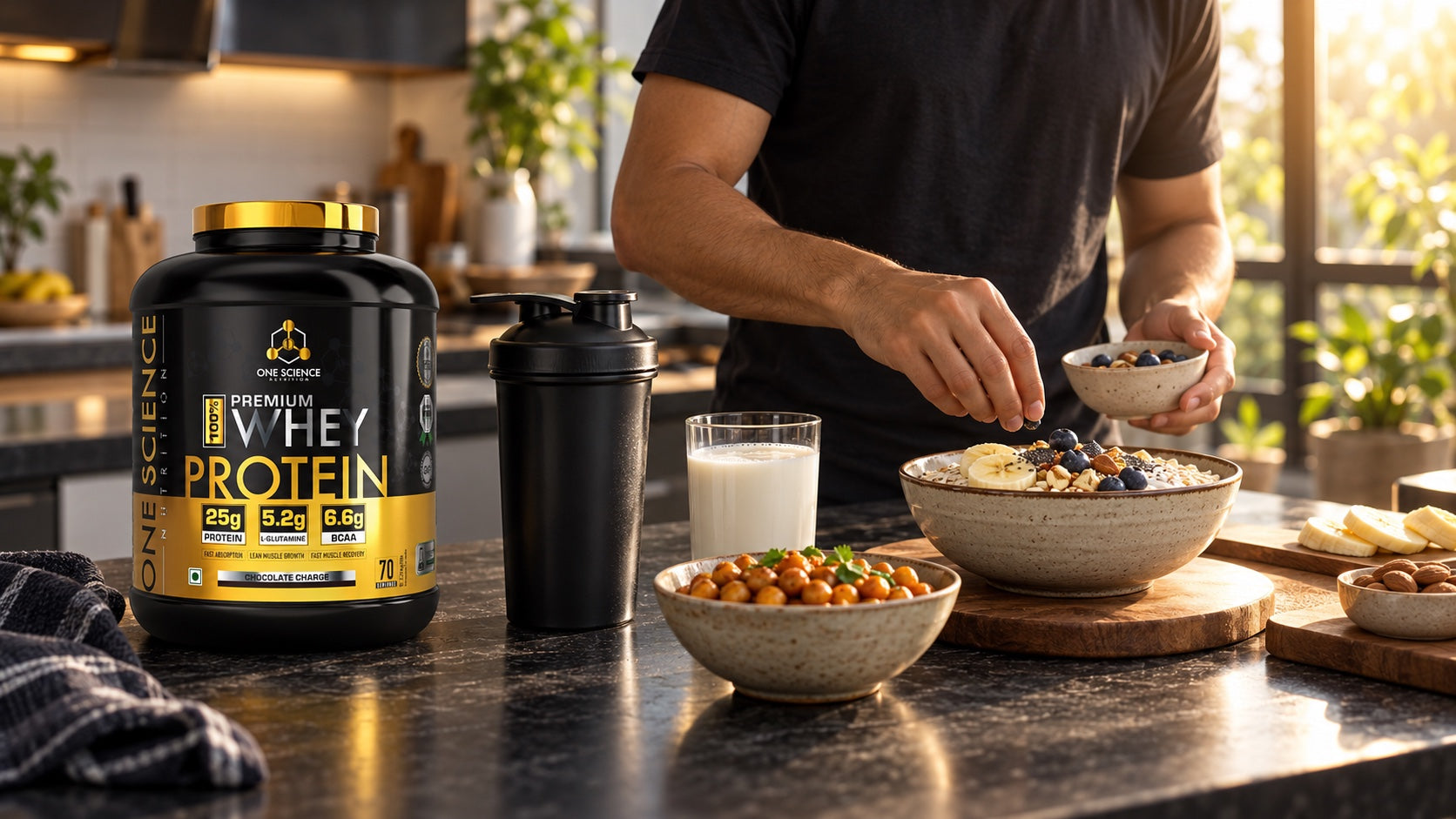
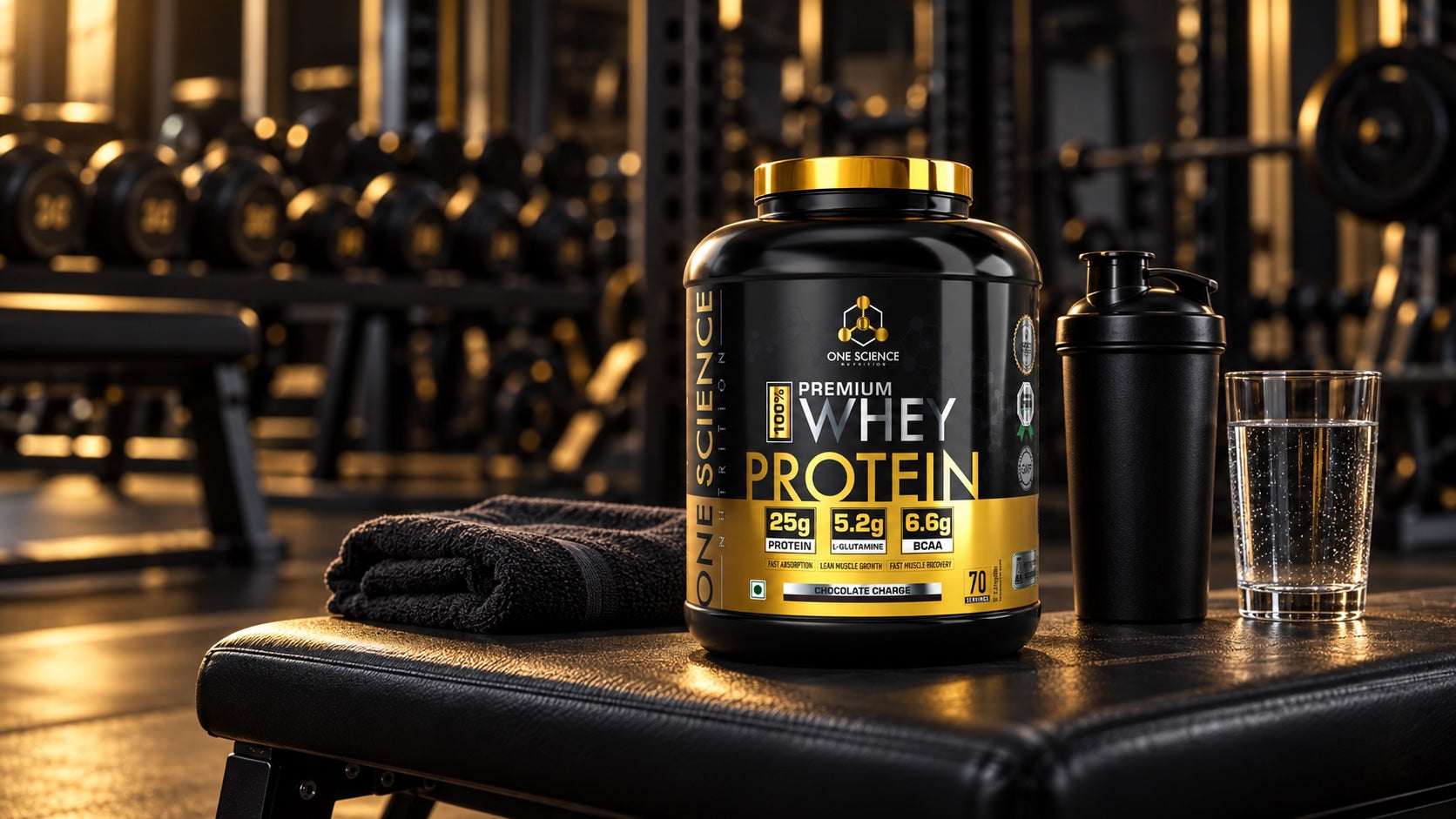
One Science Nutrition Premium Whey combines whey concentrate and isolate. In Chocolate Charge, a 32.5 g serving supplies 25 g protein and 117 kcal. That is a clear, portable protein portion for a day when cooking or carrying another meal is difficult.
For example, imagine that a dietitian has helped you set a target and your usual meals fall short by about 25 g. A serving of One Science Nutrition Premium Whey could help fill that gap. The example is a way to plan food, not a target for every beginner.
Count the shake within the day's intake. If you mix it with milk, count the milk too. If a meal already covers the gap, there is no need to add another shake simply because the workout was hard.
One Science Nutrition Premium Whey contains milk and soy. It is unsuitable for a milk allergy, and it is not recommended for children or for use during pregnancy or breastfeeding. Check that the product fits you before making it a daily habit.
If your goal is repeated hard efforts, understand creatine
Creatine helps muscles regenerate ATP, an immediate energy source used during short, intense efforts. It does not replace dietary protein or act like the caffeine in a stimulant drink.
The 2021 review by Jose Antonio and colleagues describes creatine monohydrate as the most studied form and explains that a loading phase is not compulsory. That does not mean beginners need to copy a research loading protocol.
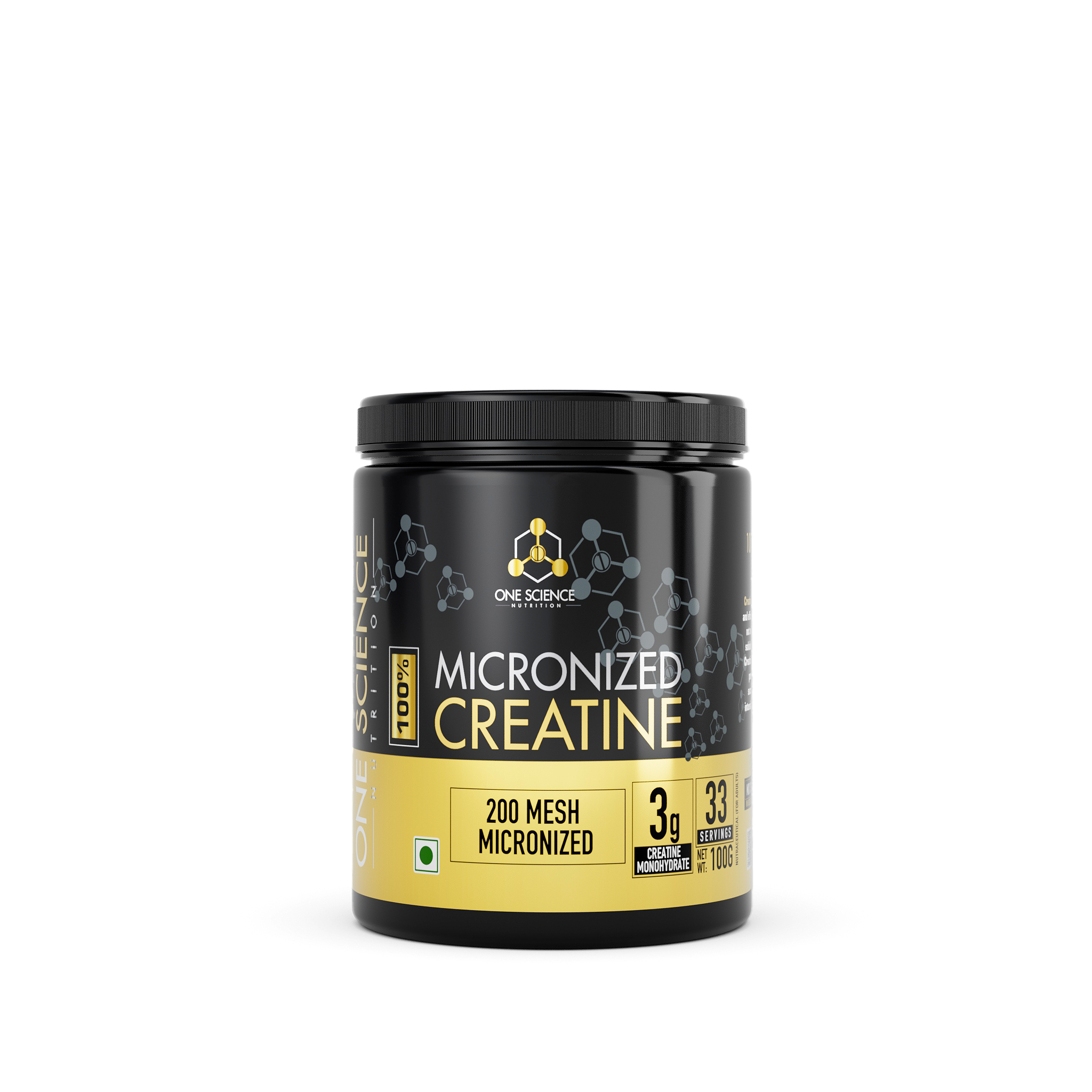
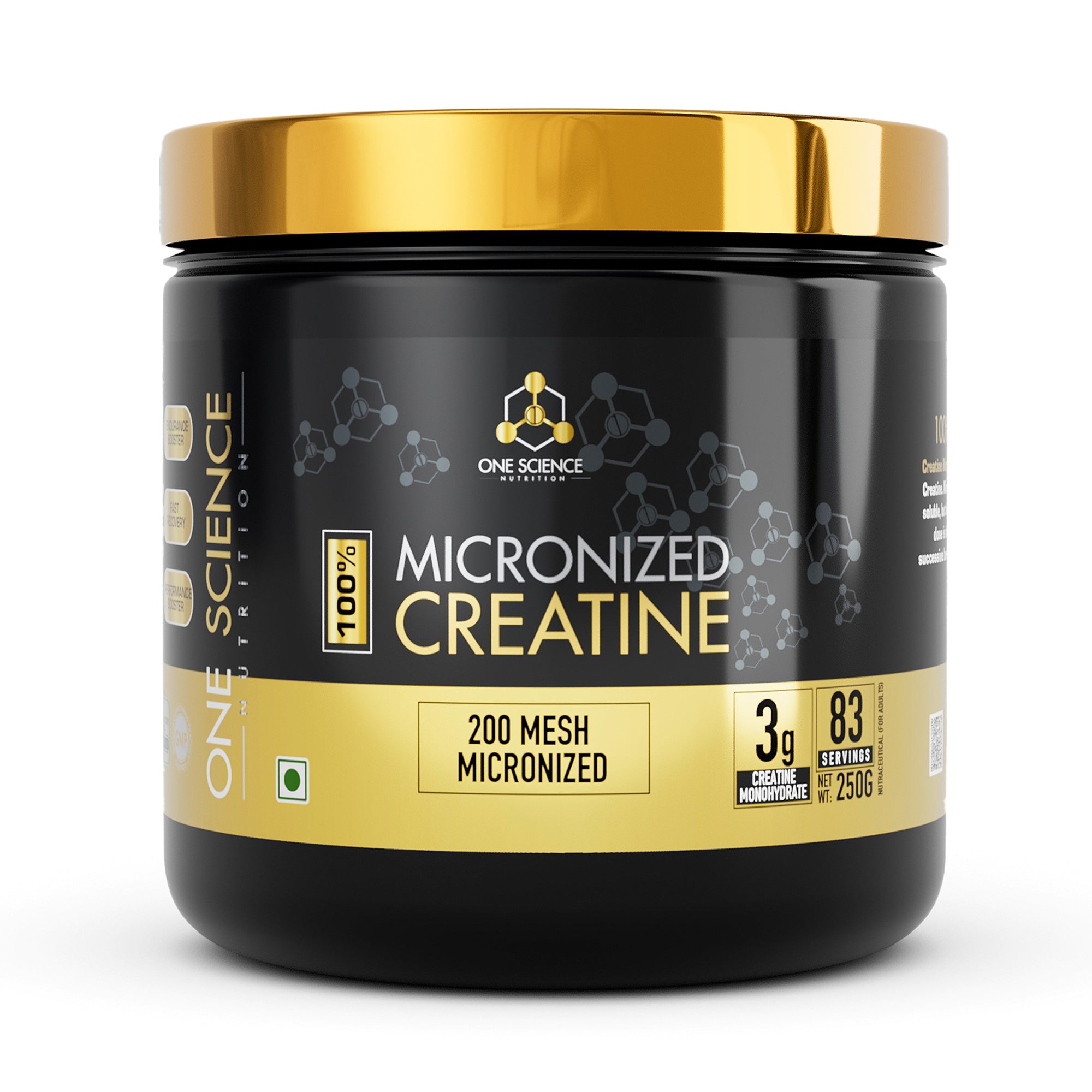
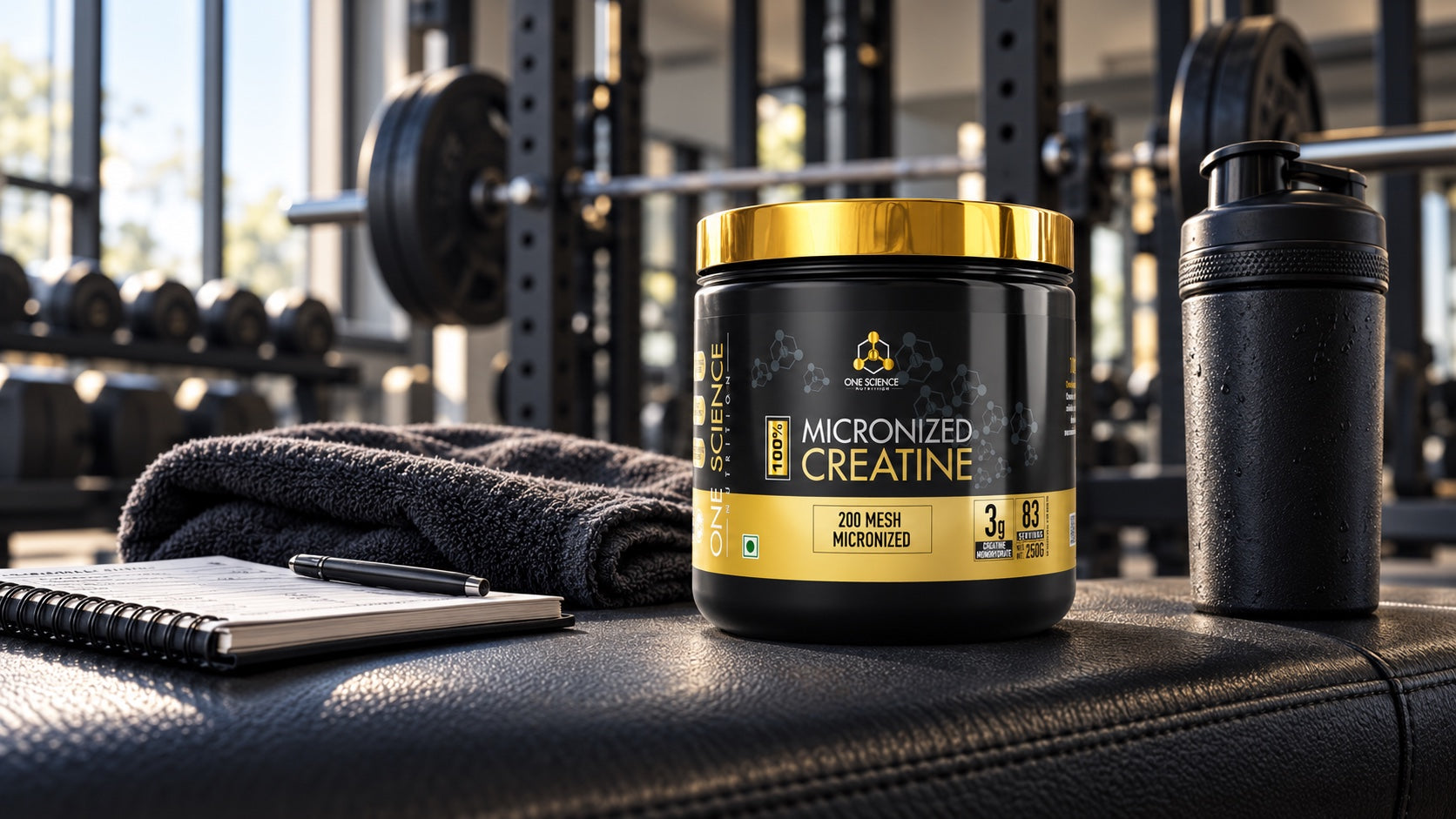
One Science Nutrition Micronized Creatine contains creatine monohydrate as its sole ingredient. Its serving is 3 g, providing 3,000 mg creatine monohydrate, and the page recommends one serving daily. Follow the pack's directions rather than adding extra servings to chase faster results.
The simple formula makes One Science Nutrition Micronized Creatine relevant when you want creatine separately from your protein powder. You can account for each product independently. Check other supplements for included creatine before adding another source.
If you have a medical condition, take medication, are pregnant or breastfeeding, or are under 18, seek individual professional advice before using performance supplements. The product's facility handles milk and soy, which matters if you need strict allergen control.
What can wait while you learn the basics?
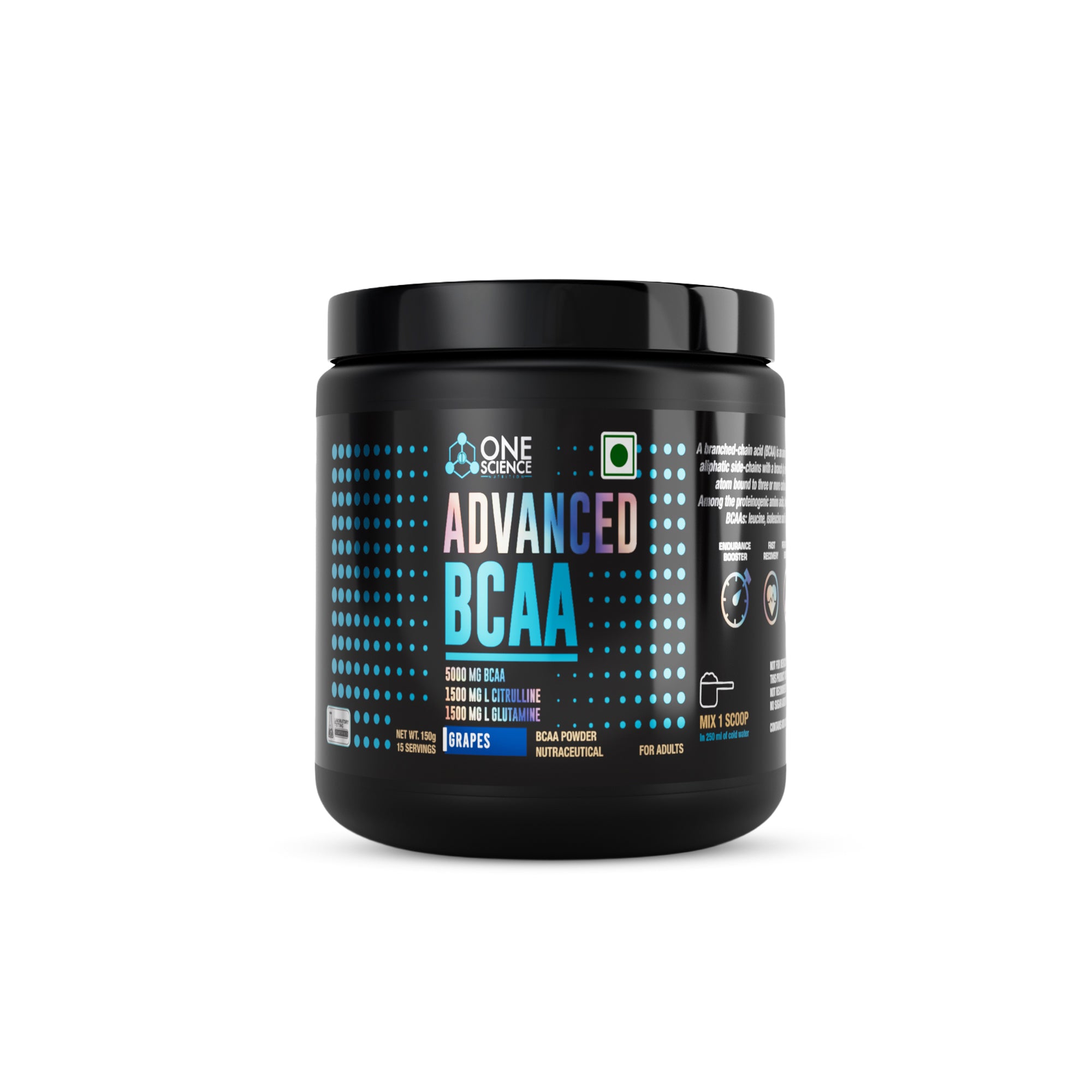
A large pre-workout stack: Feeling tired may call for a change to sleep, meals or training load. More stimulants can make that harder to recognise. Check caffeine across coffee, energy drinks and supplements before considering a stimulant product.
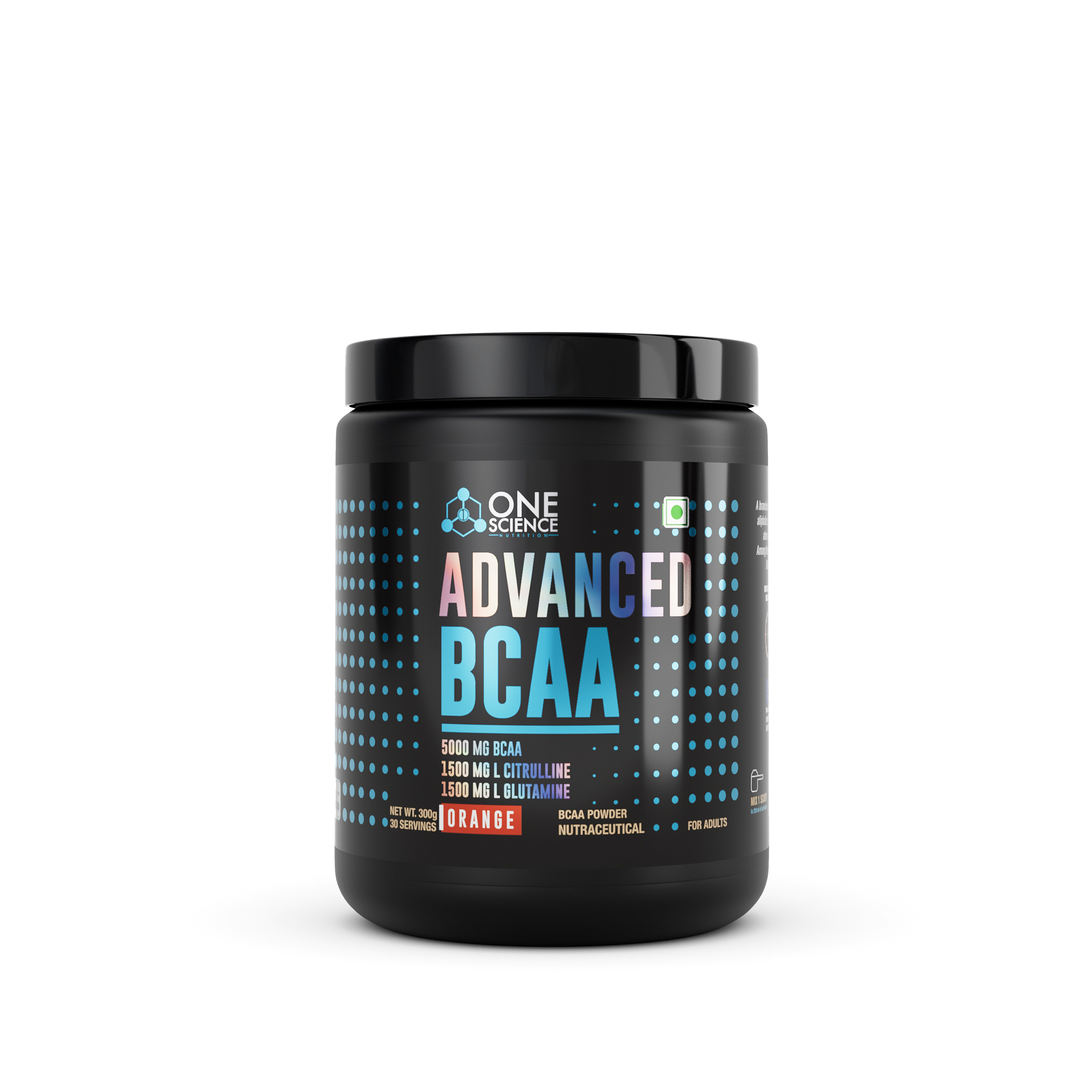
Amino acids added to an already adequate diet: Whole protein foods and protein powders already supply amino acids. A separate amino-acid product should have a specific purpose, rather than appearing automatically in every beginner's basket.
Vitamins taken without a reason: A restricted diet, diagnosed deficiency or professional advice can justify targeted supplementation. Starting the gym alone does not establish that you need every vitamin and mineral in supplement form.
A mass gainer chosen only because you want muscle: Work out whether you need more food energy first. A higher-calorie product has a different role from a straightforward protein supplement.
A small purchase you can explain
Choose One Science Nutrition Premium Whey if a convenient whey protein serving addresses an actual food gap. Consider One Science Nutrition Micronized Creatine separately if creatine fits your adult training routine and health circumstances.
Start with a clear reason, follow the product directions and keep track of how the choice fits your meals and training. You should be able to explain every product you buy in one plain sentence.