Protein bioavailability describes how much of the amino acids supplied by a food can become available for the body to use. Digestion and absorption matter, but they are only part of the picture. A fast-digesting protein is not automatically the one that will produce the most muscle growth.
That distinction helps when choosing between One Science Nutrition ISO Gold and One Science Nutrition Pea Protein. One uses whey ingredients and the other uses pea protein isolate. Both can contribute dietary protein. The right choice depends on your diet, requirements and tolerance, rather than a universal absorption league table.
Three questions that often get mixed together
Can you digest it? Digestion breaks food protein into smaller pieces and amino acids that can be absorbed.
Are those amino acids available in a usable form? Food structure, preparation and processing can affect that. The FAO expert consultation on protein quality explains why bioavailability includes more than digestion alone.
What will your body do with them? Absorbed amino acids can support many tissues and other metabolic needs. Availability is not the same as a guarantee that the amino acids become new muscle.
Think of a protein serving as contributing to the body's supply of materials. Training, enough energy, the rest of the diet and recovery influence what happens next. No percentage printed on an absorption chart can describe that entire process for an individual.
Why scientists use protein-quality scores
Two names appear repeatedly in protein research: PDCAAS and DIAAS. Both consider essential amino acids in relation to a reference pattern, with a correction for digestion. They are assessment tools, rather than clocks telling you how quickly a shake works.
| Method |
What it considers |
What the score does not tell you |
| PDCAAS |
Amino-acid pattern and an estimate of overall protein digestibility, traditionally using faecal measurements |
Exactly how many grams will become muscle |
| DIAAS |
Digestibility of individual indispensable amino acids at the end of the small intestine |
A personal muscle-gain prediction or complete rating of a food's health value |
The test conditions and reference age group matter. A score for a research ingredient should not be transferred automatically to every branded product containing it. Different recipes and processing can change the final food.
For routine shopping, you rarely need to calculate these scores. They are useful for understanding why grams of protein, amino-acid balance and digestion answer different questions.
Cooking and food structure change the picture
Food is more than isolated protein. Plant cell structures, fibre and other compounds can influence digestion. Processing can sometimes make protein easier to access, but the effect depends on what is done and to which food.
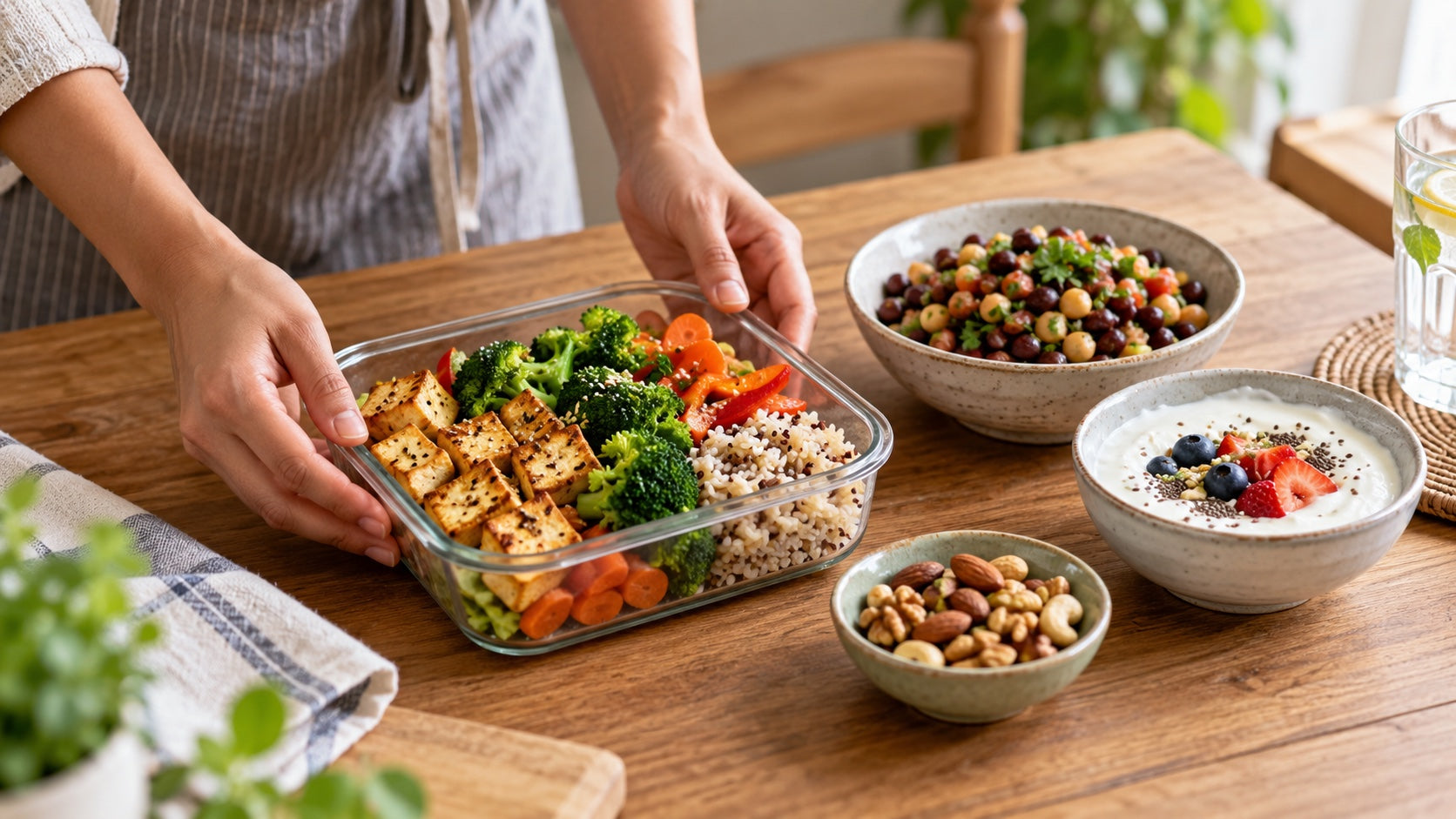
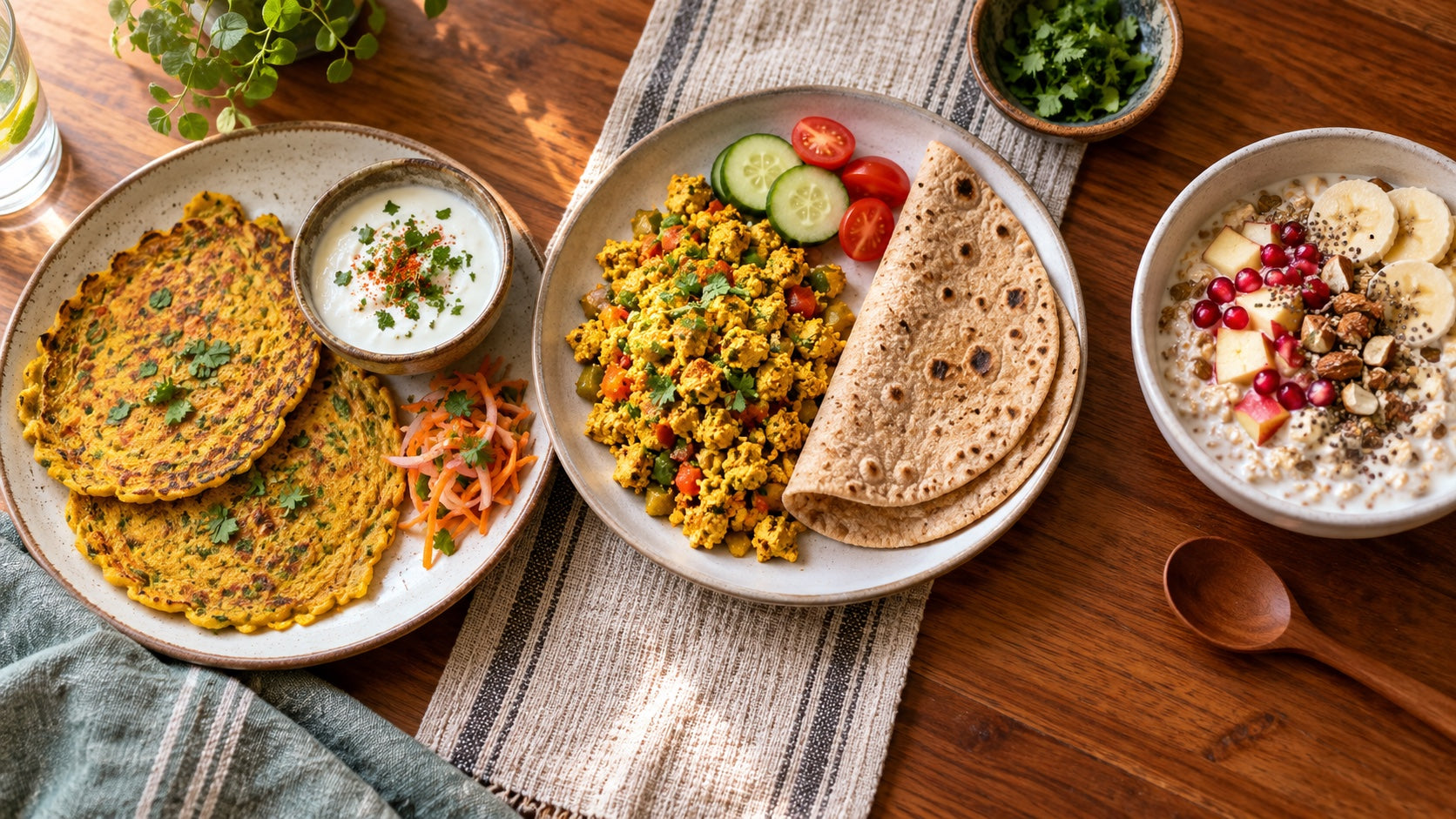
The EUFIC protein explainer also emphasises variety and the different amino-acid proportions in foods. A day's combination of pulses, grains, soy, dairy or other suitable foods matters more than judging every ingredient in isolation.
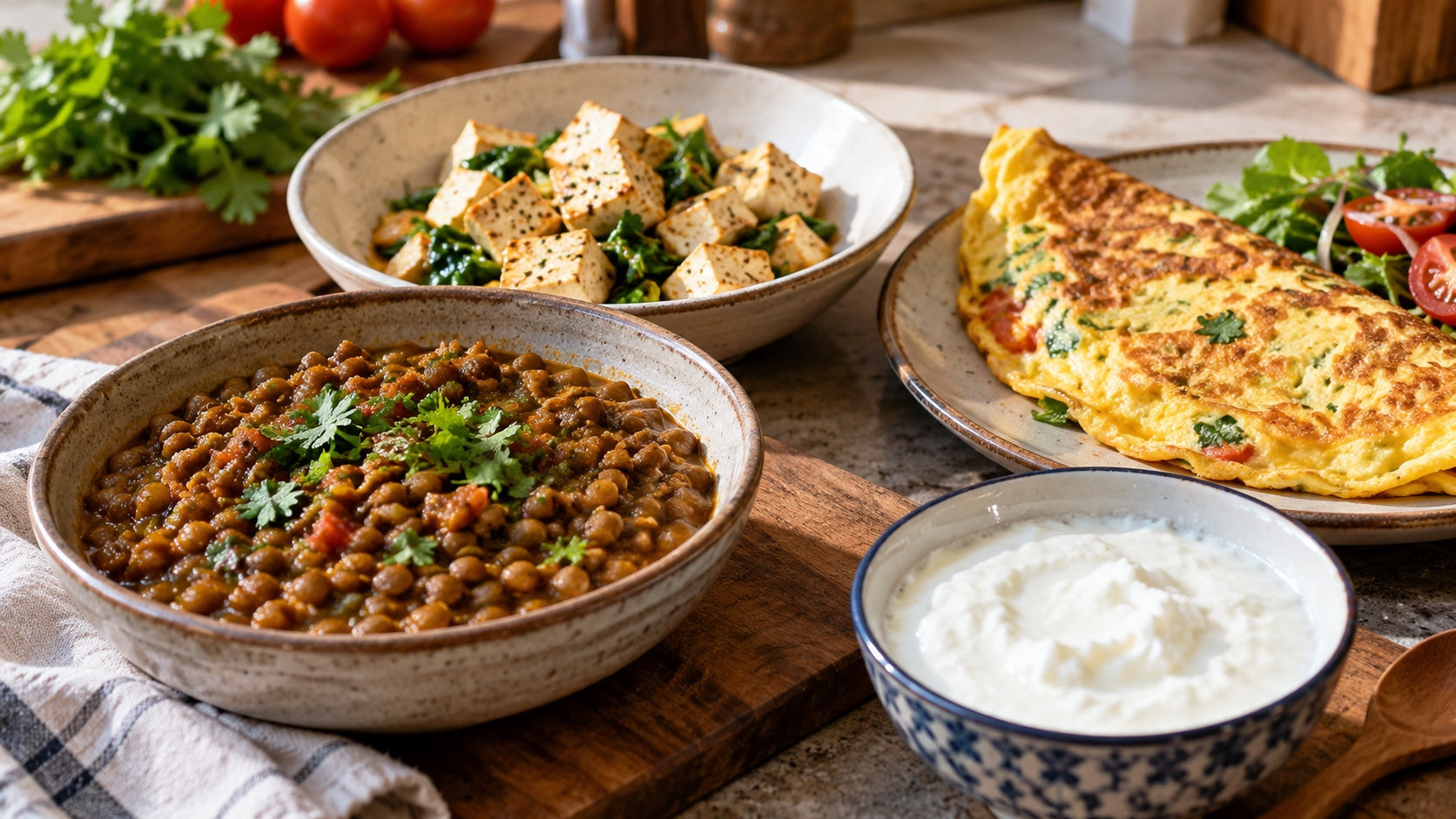
This is not a reason to abandon dal because a chart gives another protein a higher score. Dal also supplies food volume, carbohydrate, fibre and other nutrients. You can build a varied diet and use a supplement where convenience helps.
One Science Nutrition ISO Gold: whey in a defined serving
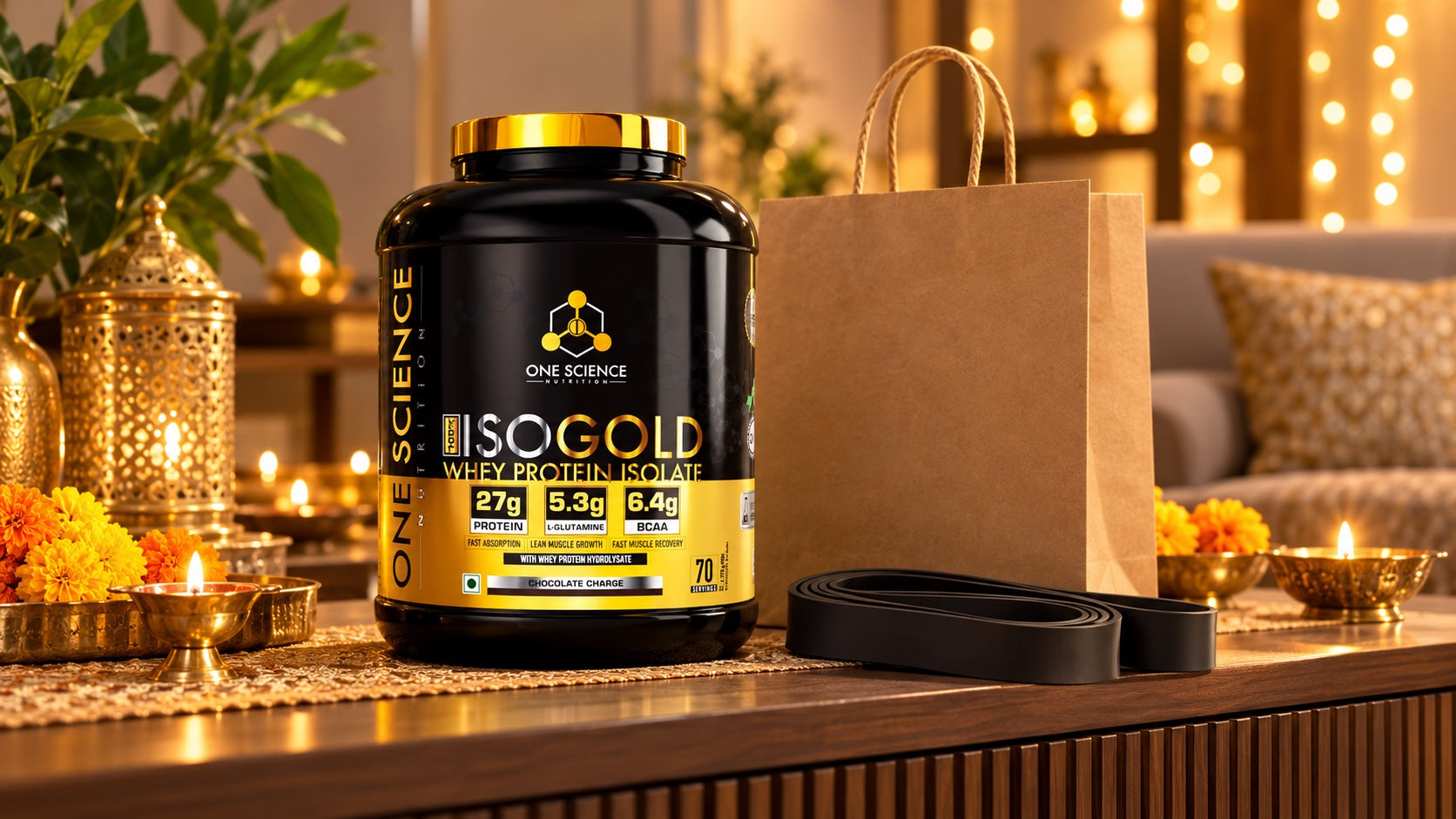
One Science Nutrition ISO Gold uses whey protein isolate and whey protein hydrolysate. Its Chocolate nutrition example supplies 27 g protein, 113 kcal, 0.5 g carbohydrate and 0.3 g fat in a 32.5 g serving.
Consider One Science Nutrition ISO Gold when you prefer a whey shake and want a small carbohydrate and fat contribution with your protein. Hydrolysate describes protein that has been partly broken into smaller fragments during processing. That ingredient description alone cannot promise superior results for every user.
For more on the ingredient types, see our whey concentrate and isolate guide. The practical value of One Science Nutrition ISO Gold is a convenient, measurable protein portion. It remains milk-derived, is unsuitable for milk allergy and should not be assumed lactose-free. It is not recommended for children or during pregnancy or breastfeeding.
One Science Nutrition Pea Protein: another dietary route
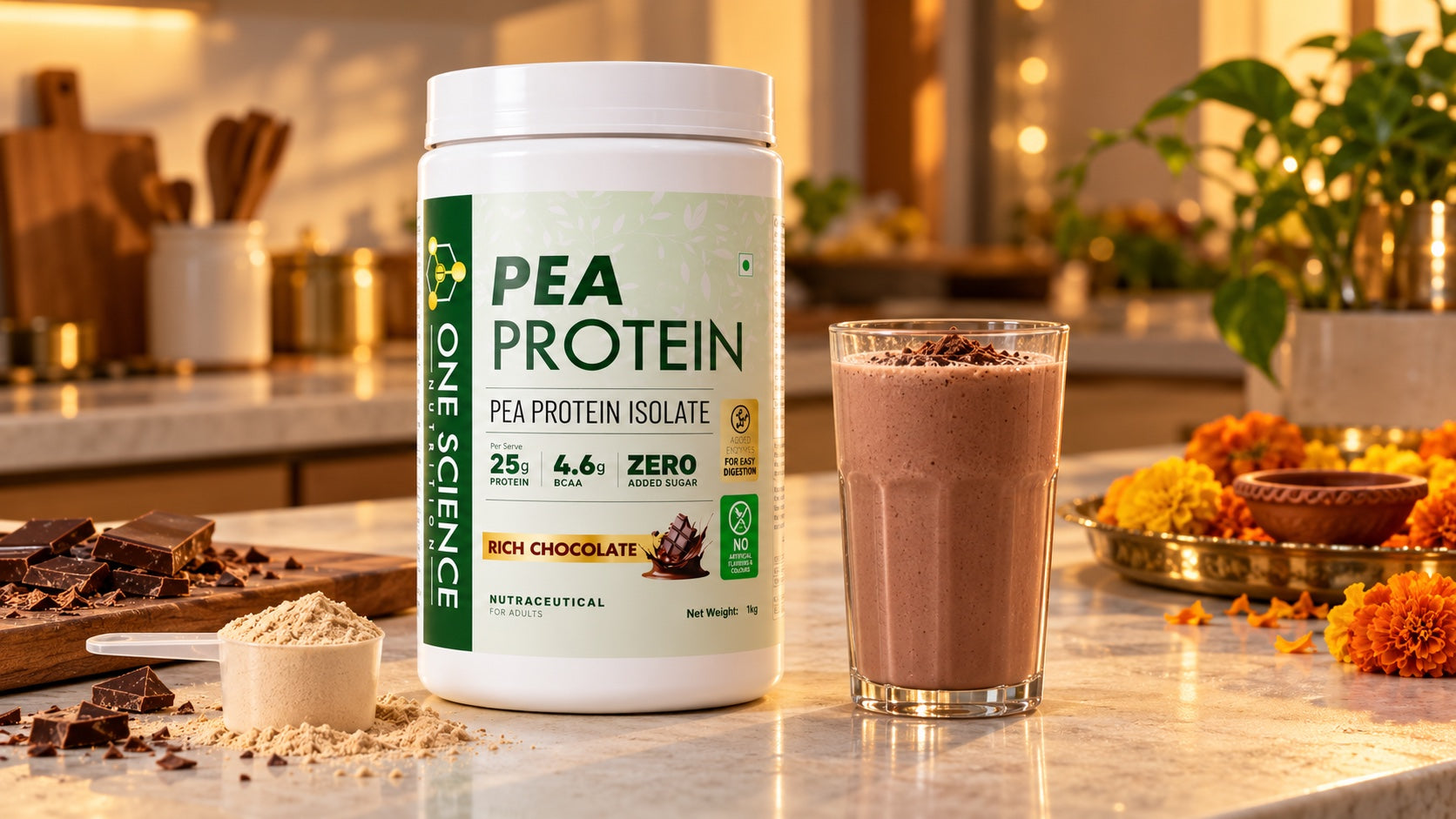
One Science Nutrition Pea Protein uses pea protein isolate. Its published nutrition example provides 25 g protein per 40 g serving, with 154.52 kcal and 5 g fibre.
That makes One Science Nutrition Pea Protein worth considering when you want a pea-based source rather than whey. Iced Coffee, Rich Chocolate and Unflavoured options let you choose a taste or a more flexible smoothie ingredient. Use the instructions and complete ingredient information for the flavour you buy.
Use One Science Nutrition Pea Protein alongside other suitable protein foods across the day. Its pea-based ingredients and choice of flavours give you another way to organise your intake when you prefer a plant-protein shake. Check the full allergen declaration if allergies influence your decision.
Choose a routine you can actually maintain
Start with enough dietary protein, a range of foods and appropriate training. If a supplement makes the routine easier, compare One Science Nutrition ISO Gold with One Science Nutrition Pea Protein by protein source, serving nutrition, ingredients and your preferences.
Persistent digestive symptoms need their own assessment. They cannot be diagnosed from a generic bioavailability chart, and buying the fastest-sounding powder is not a reliable solution.