Women's protein needs depend on body size, activity, age, health and life stage. There is no single daily amount that fits every woman, and a powder labelled for women is not automatically necessary. Start with your requirements, then count what food already supplies.
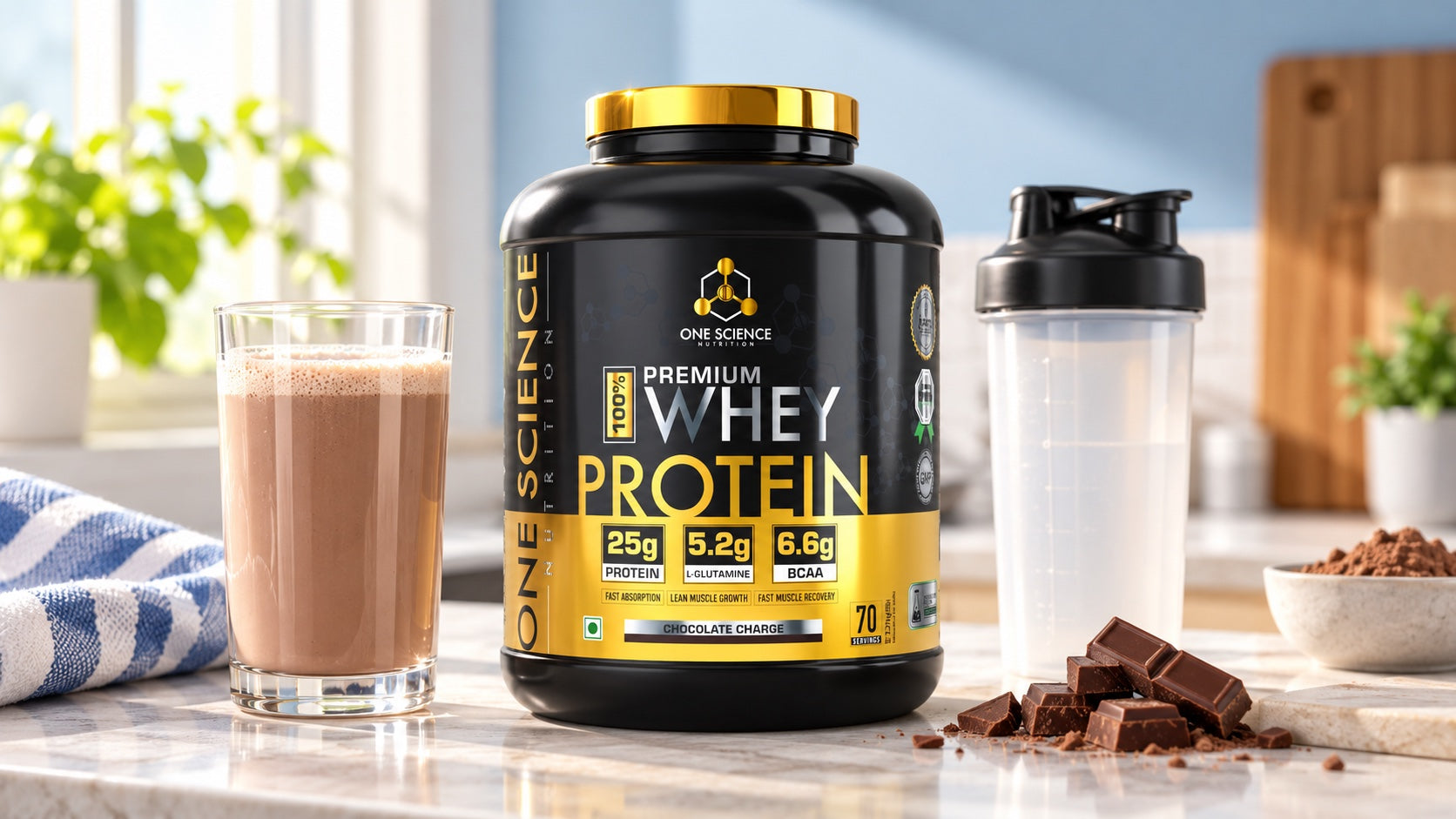
If meals leave a gap, One Science Nutrition Premium Whey offers a whey option and One Science Nutrition Pea Protein offers a pea-protein option. They are convenient ways to add protein for suitable adults, rather than reasons to replace a varied diet.
A reference intake is a starting point
The European Food Safety Authority's protein reference assessment sets a population reference intake of 0.83 g per kg of body weight per day for healthy adults. This is a reference for general needs, not a sports target or a personalised prescription.
For example, multiplying 60 kg by 0.83 gives about 50 g daily. That is an illustration using the reference value. A woman who trains regularly, an older woman with muscle loss, and someone recovering from illness may need a different plan.
Body weight alone is also not enough to set every target. Significant weight change, obesity, medical conditions and unusual training demands are reasons to ask a dietitian which body weight and intake range to use.
If you lift, run or train regularly
The ISSN protein position stand, led by Ralf Jäger and colleagues, gives 1.4 to 2.0 g/kg/day as a useful range for most healthy exercising people. It is not a separate rule requiring women to use a special protein product.
For a healthy 60 kg adult to whom that range applies, the calculation is 84 to 120 g daily. That total includes food and supplements together. It is not 84 to 120 g from powder in addition to meals.
Choosing a place within the range depends on training, energy intake and goals. You do not have to jump to the top end because you have just joined a gym. A sustainable food routine is more useful than a target you cannot practically eat.
Turn the daily number into ordinary meals
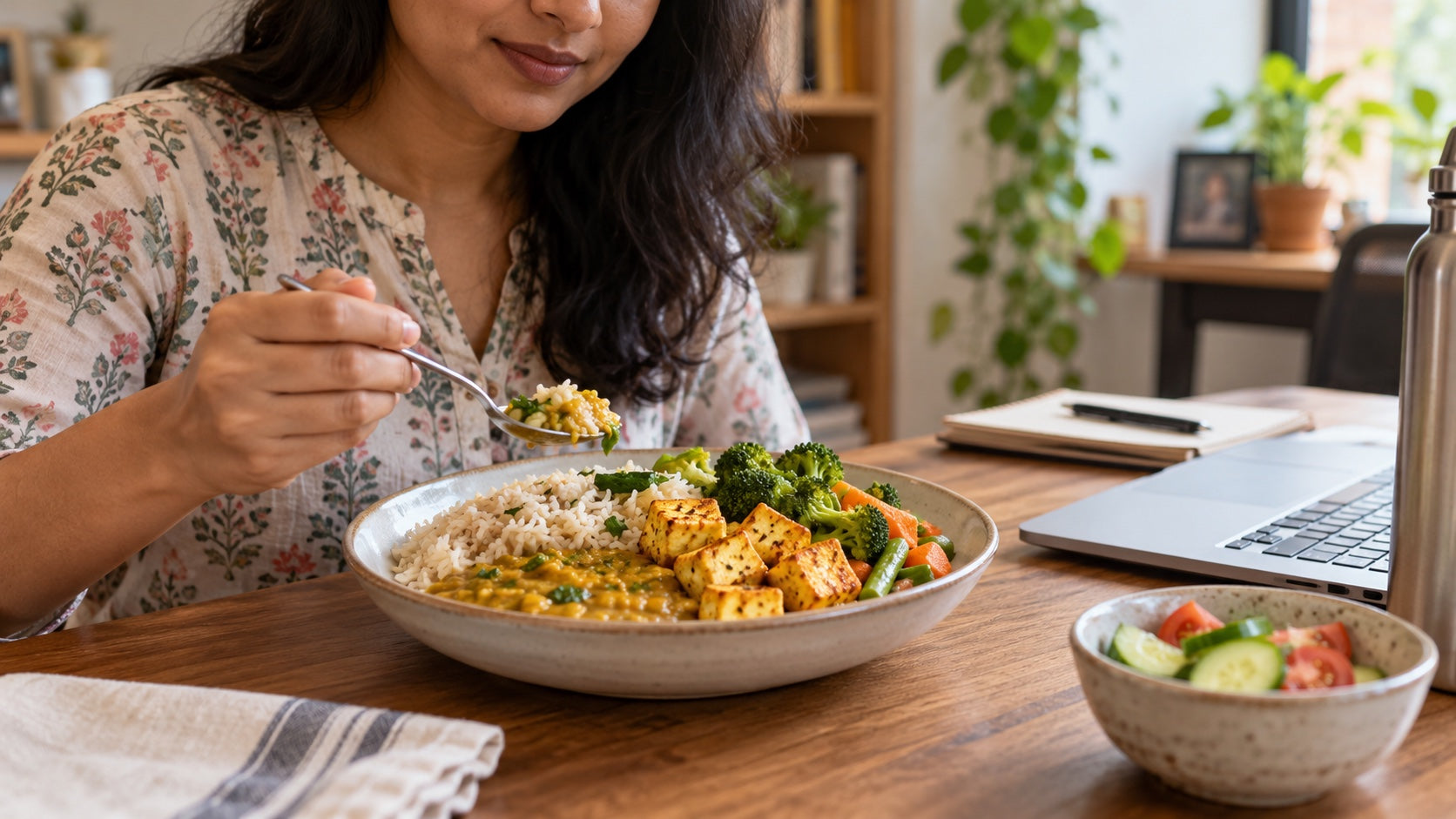
Look at the meals you actually eat for a few days. Include drinks, snacks and weekends. Then identify where protein is missing or the portion is very small.
| Usual situation |
A practical change |
| Breakfast is tea and a few biscuits |
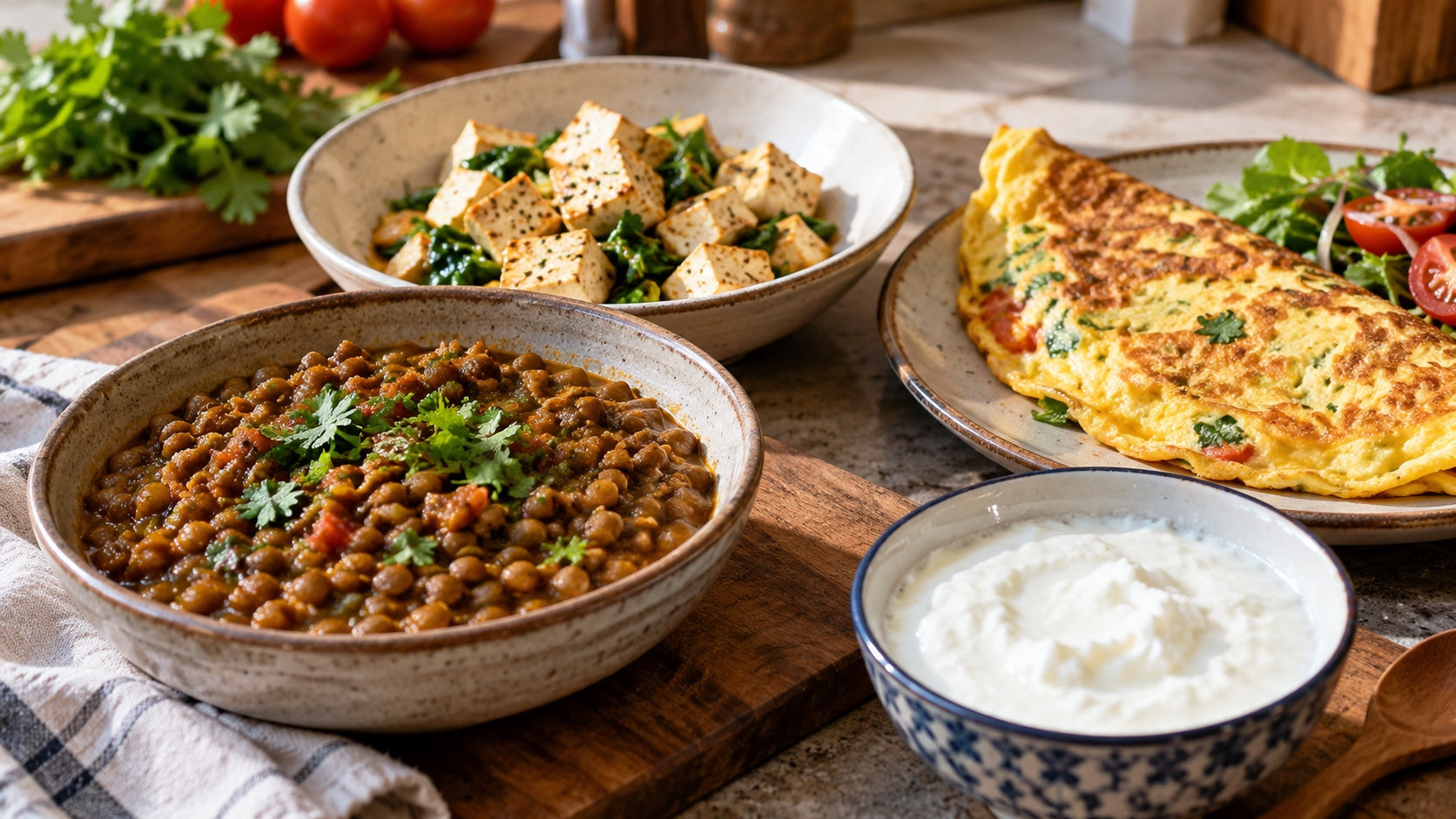
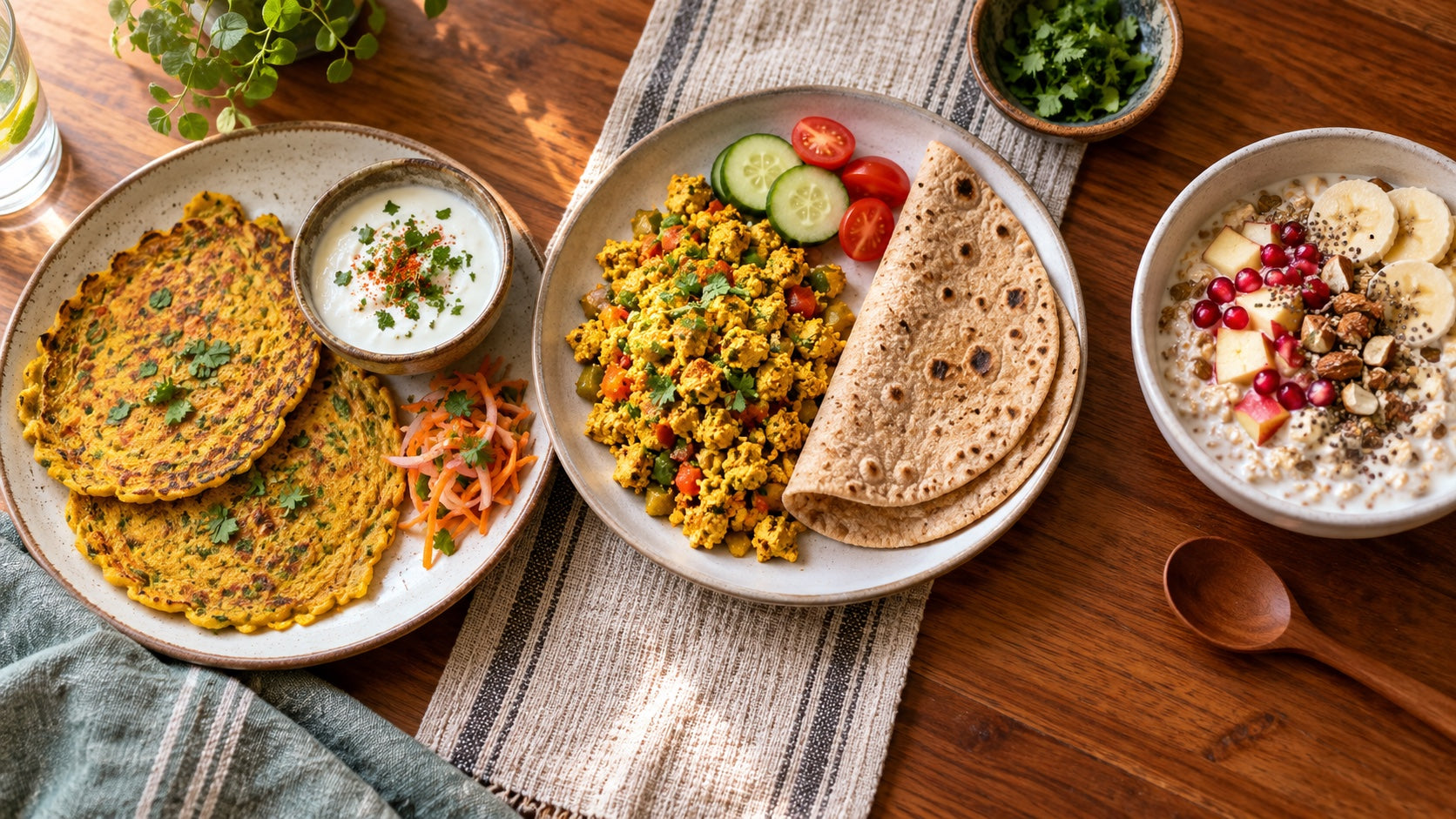
Add a substantial option such as eggs, besan chilla with curd, or a suitable yogurt bowl |
| Lunch has rice and vegetables but very little dal |
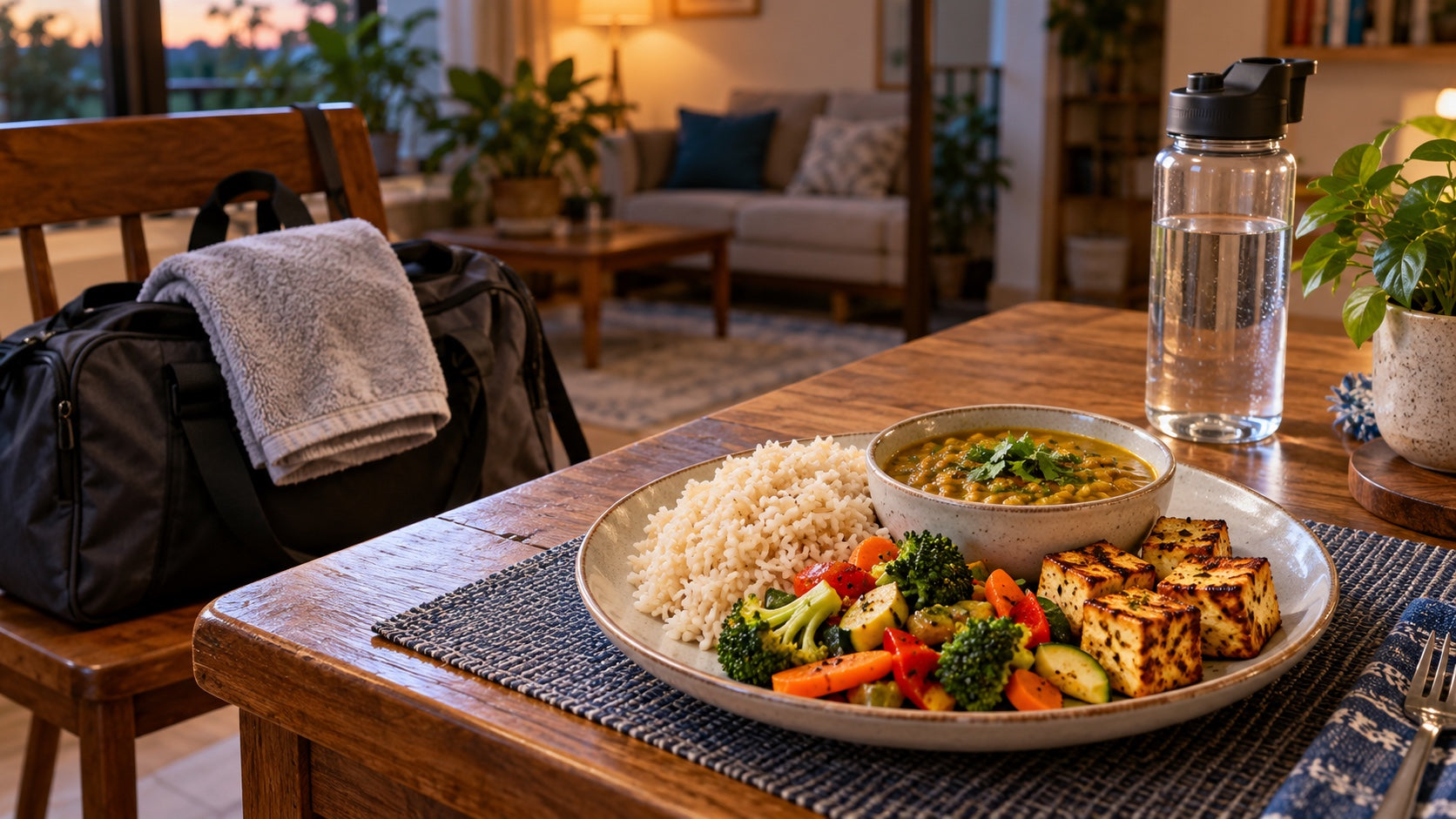
Increase the dal or add tofu, paneer, eggs, fish or another suitable protein source |
| Office snacks rarely include protein |
Pack curd, cooked chana, soy foods or another convenient option |
| Meals still fall short despite planning |
Consider a measured protein shake if suitable |
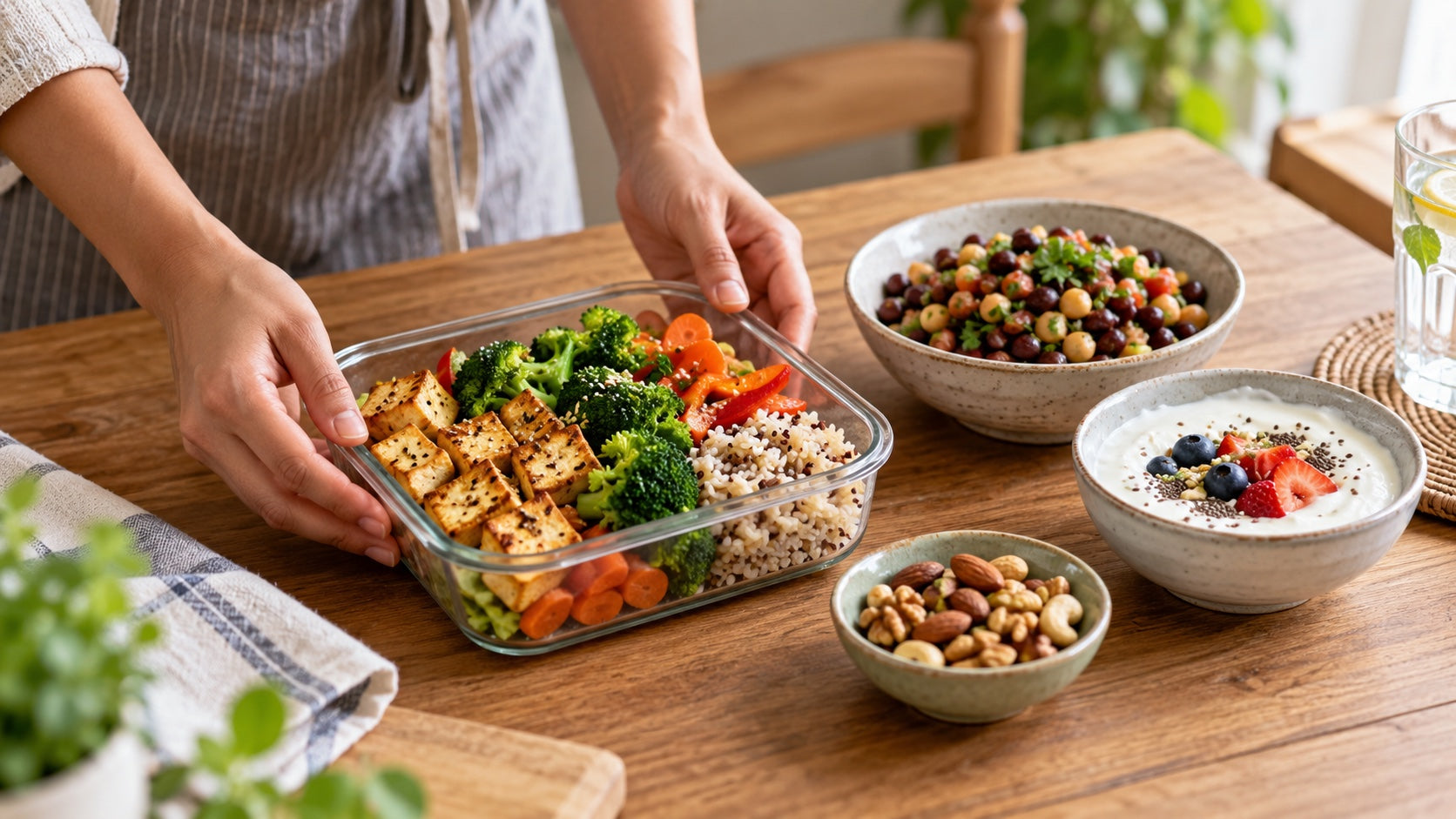
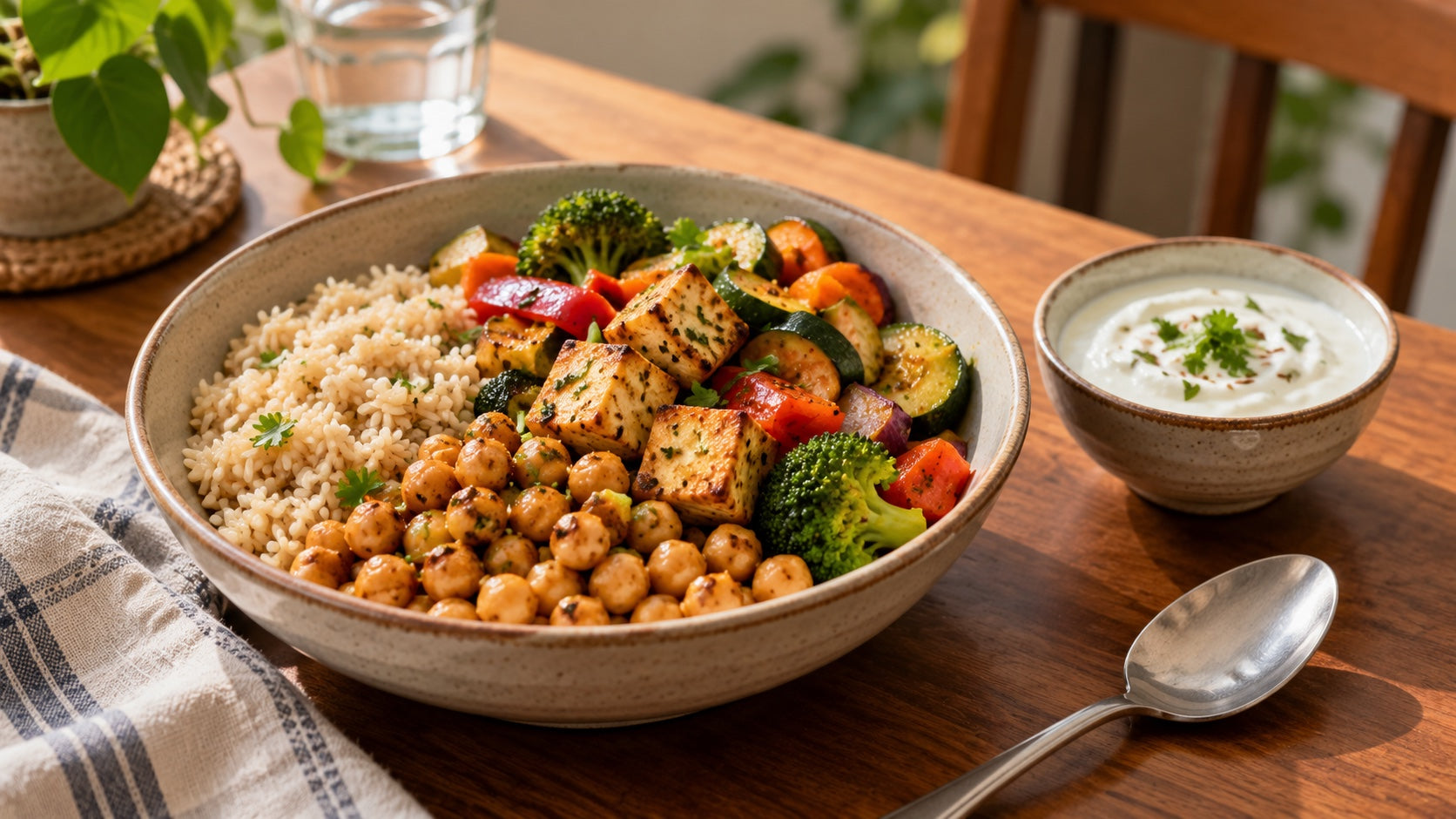
These are ways to distribute food, not a demand to eat all the options. Vegetarian and plant-based diets can supply protein when portions and variety are adequate.
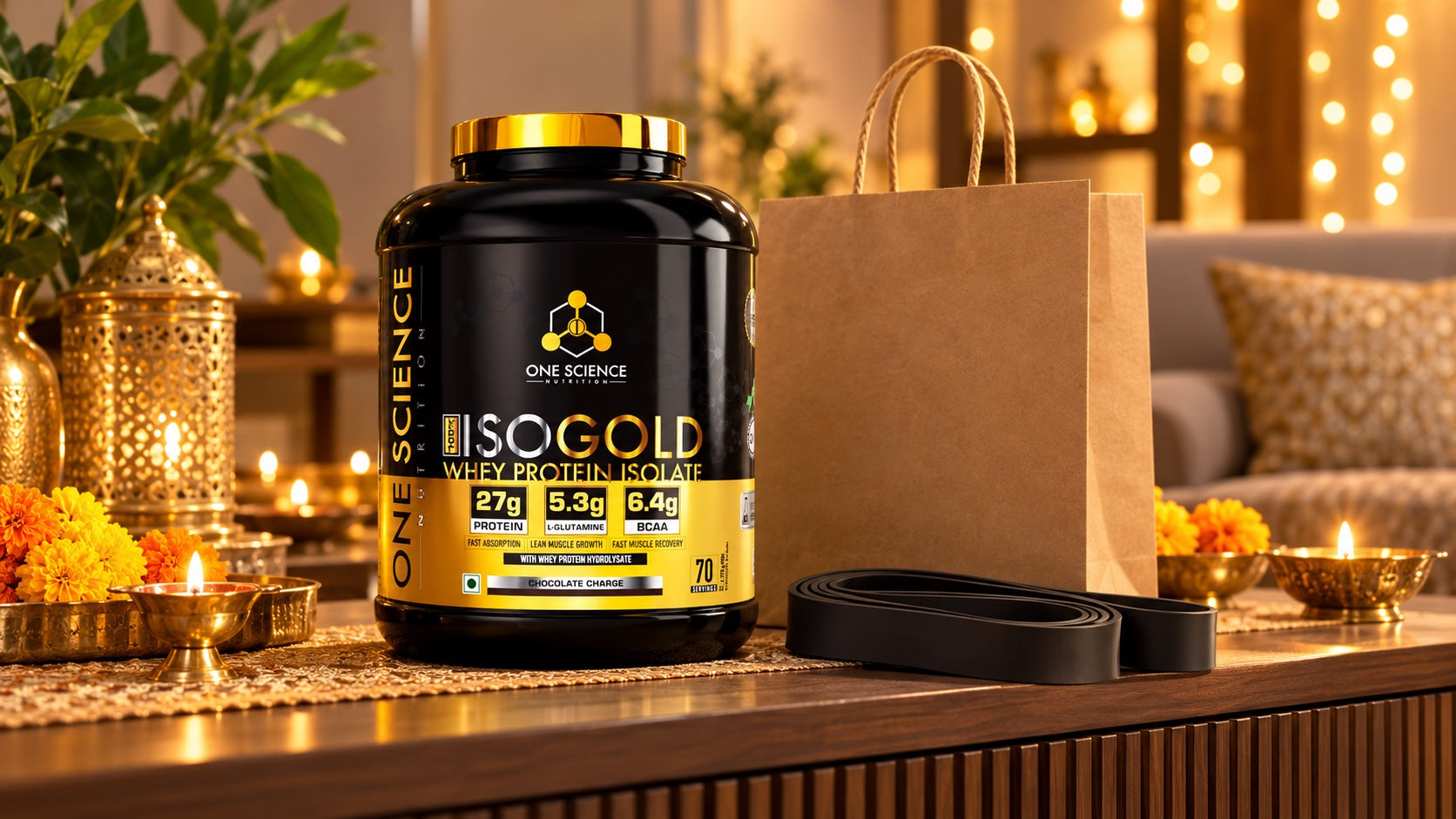
One Science Nutrition Premium Whey for a convenient serving
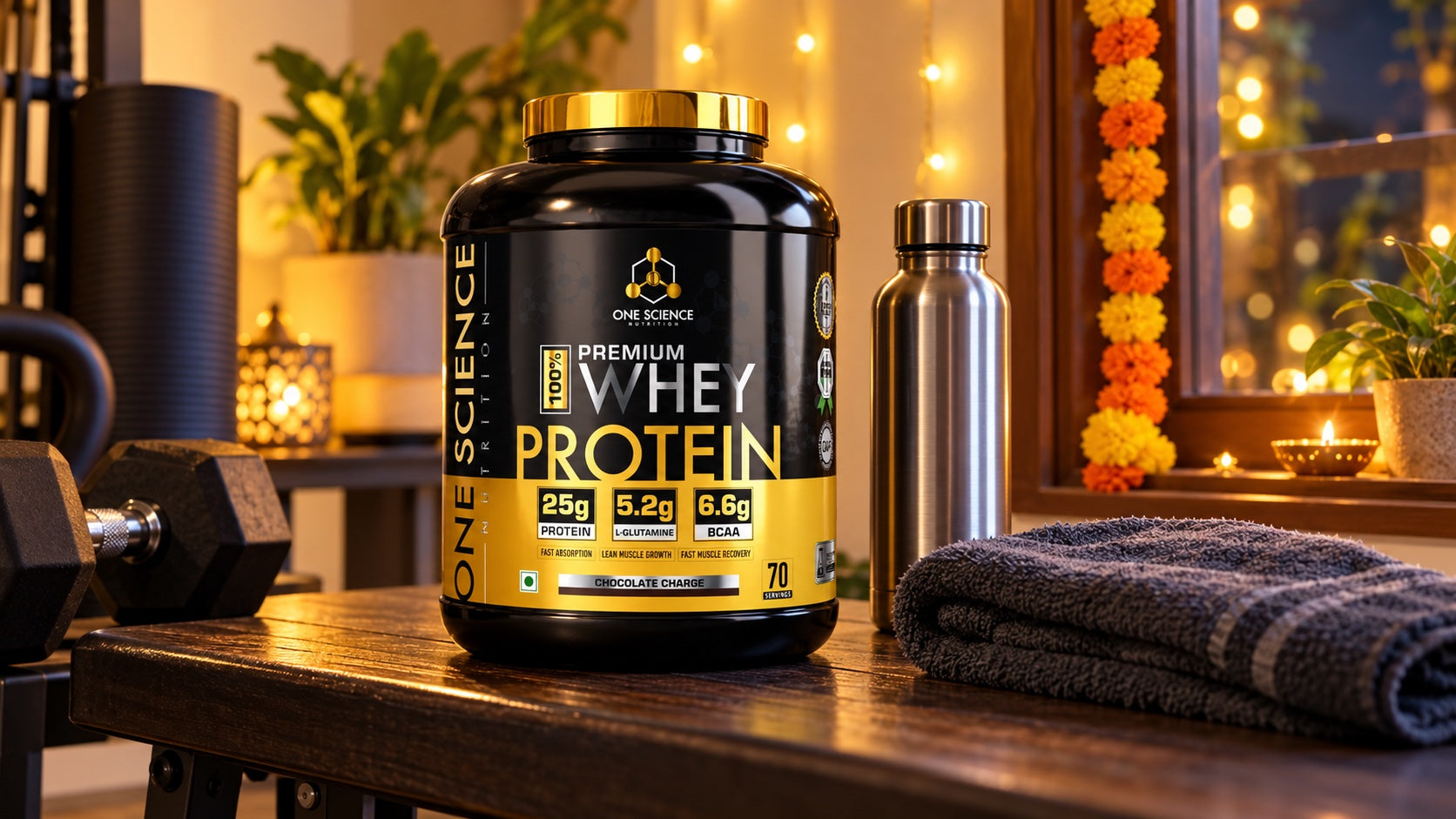
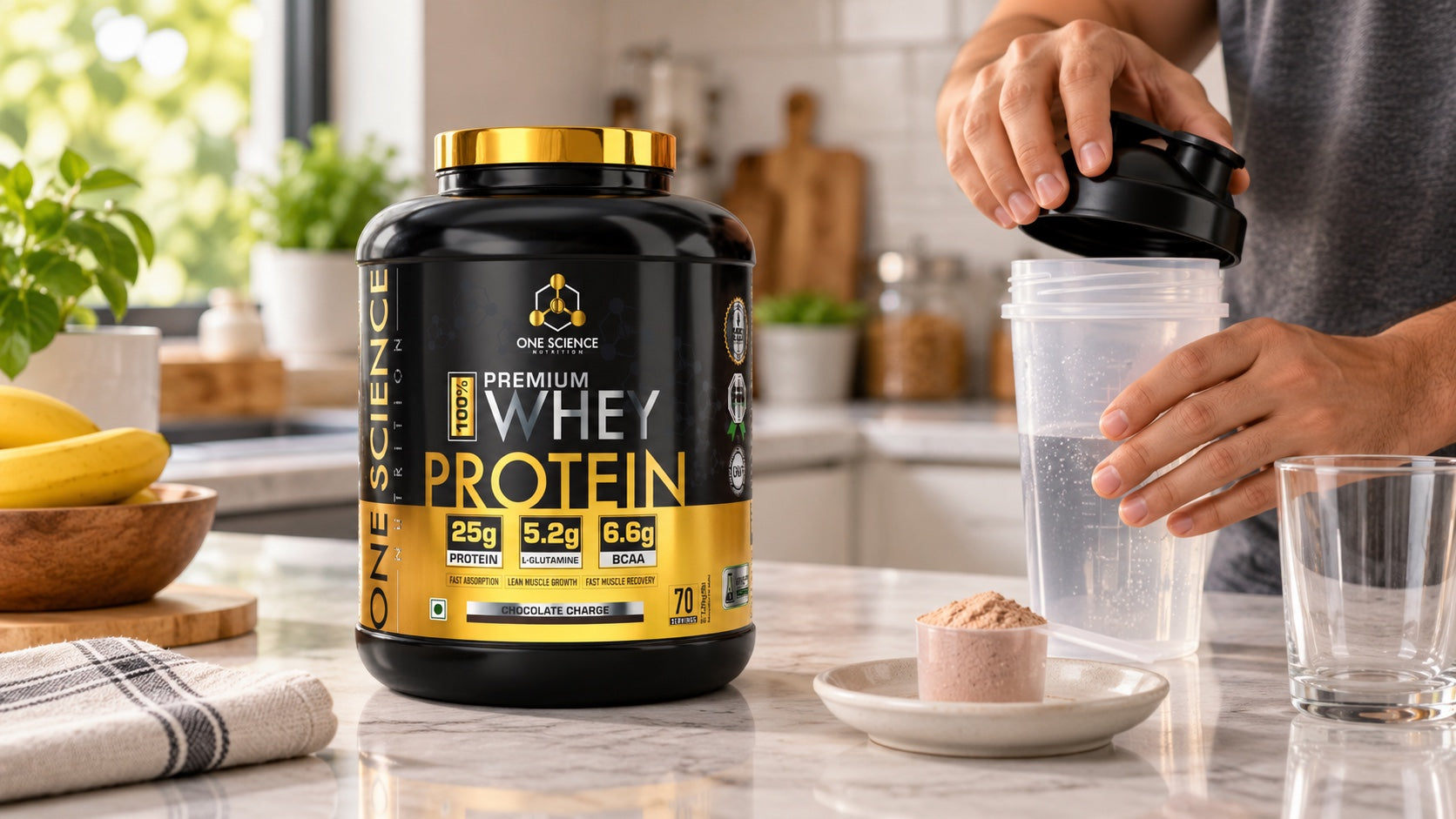
One Science Nutrition Premium Whey in Chocolate Charge provides 25 g protein per 32.5 g serving, with 117 kcal. Its protein ingredients combine whey concentrate and isolate.
This makes One Science Nutrition Premium Whey useful when you want a defined protein portion without preparing another cooked meal. Place it where it solves a real gap: a busy afternoon, a delayed meal, or a day when food intake is lower than planned. Follow the serving directions on the pack.
There is nothing inherently male about whey protein. Muscle does not require a pink label. The useful questions are whether the formula, serving and ingredients suit you.
One Science Nutrition Premium Whey contains milk and soy. It is unsuitable for milk allergy and is not recommended for children or during pregnancy or breastfeeding. Those restrictions matter even though protein itself is needed throughout life.
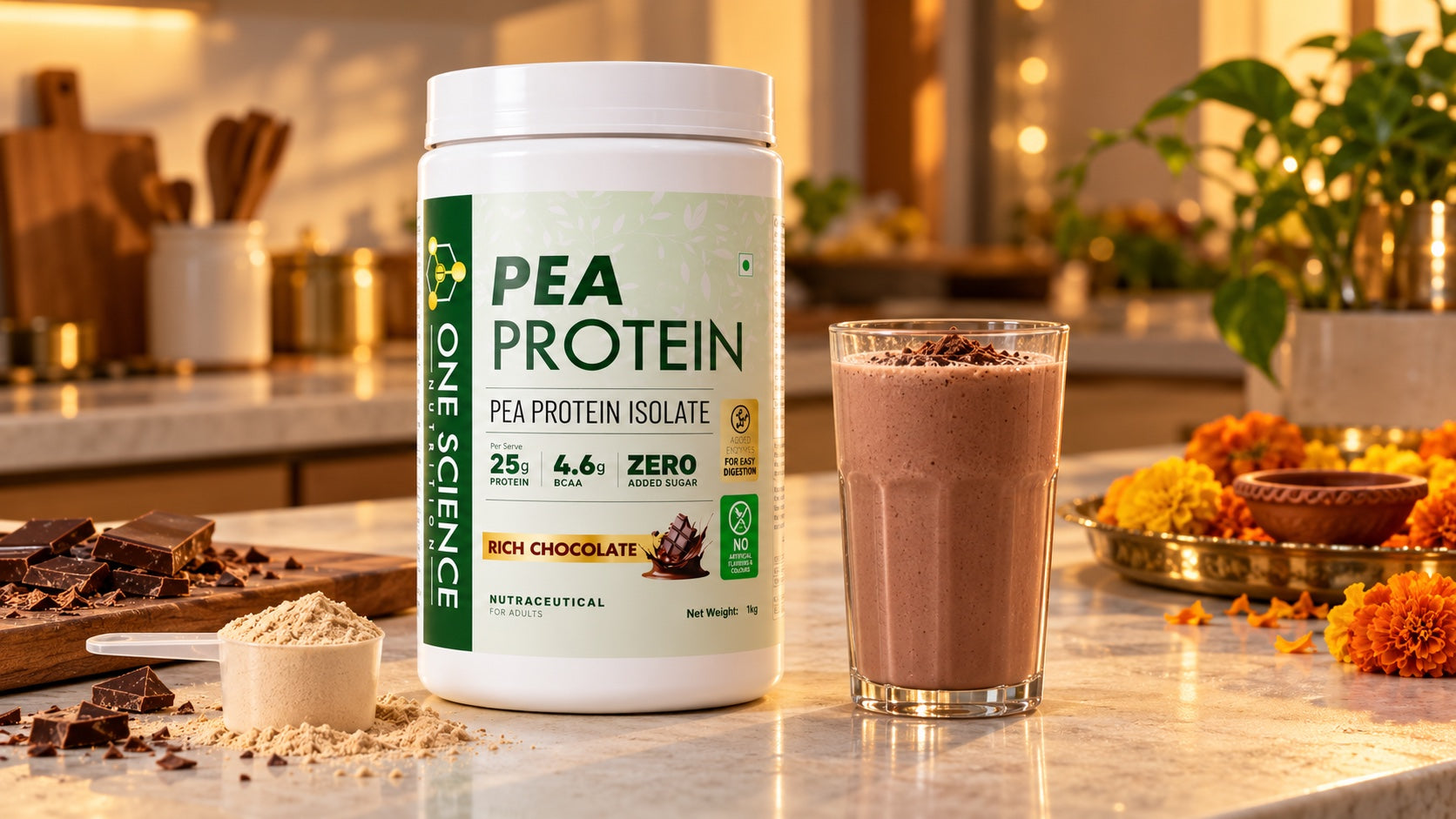
One Science Nutrition Pea Protein for a plant-protein option
One Science Nutrition Pea Protein provides 25 g protein per 40 g serving in its published nutrition example, with 154.52 kcal and 5 g fibre. It uses pea protein isolate, and listed options include Iced Coffee, Rich Chocolate and Unflavoured.
Consider One Science Nutrition Pea Protein when you prefer a pea-based protein source or want to avoid whey. The Unflavoured option can fit a smoothie when you want the other ingredients to set the taste. Use the preparation directions for the pack you buy.
A plant-protein formula is not automatically suitable for every allergy or medical situation. Check the full ingredients and allergen declaration, especially if a severe allergy affects your choices. Neither of these products is a hormone treatment or a promise of better digestion.
Pregnancy, breastfeeding and health conditions need their own plan
Protein requirements change during pregnancy and breastfeeding. Do not use the exercise example above as a maternity nutrition plan. Your clinician or qualified dietitian can consider the stage of pregnancy, food intake, medicines and product restrictions.
The same applies if you have kidney disease, unexplained weight loss or difficulty eating enough. Fixing the number in an app does not address the underlying problem.
For everyday adult use, choose the product around the need: explore One Science Nutrition Premium Whey for whey or One Science Nutrition Pea Protein for a pea-based option. Keep the focus on enough protein from a diet you can maintain, alongside training and adequate food overall.