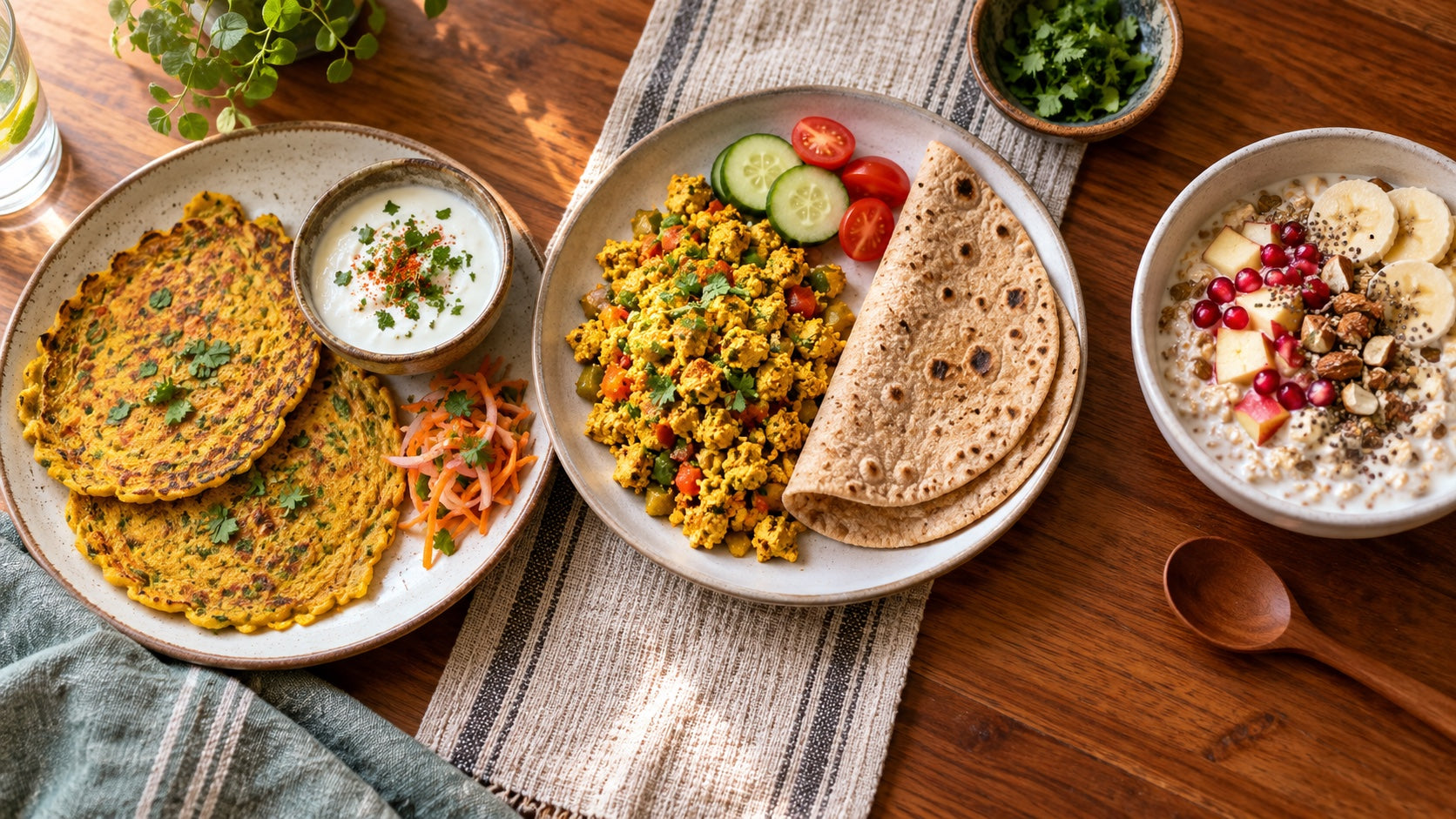
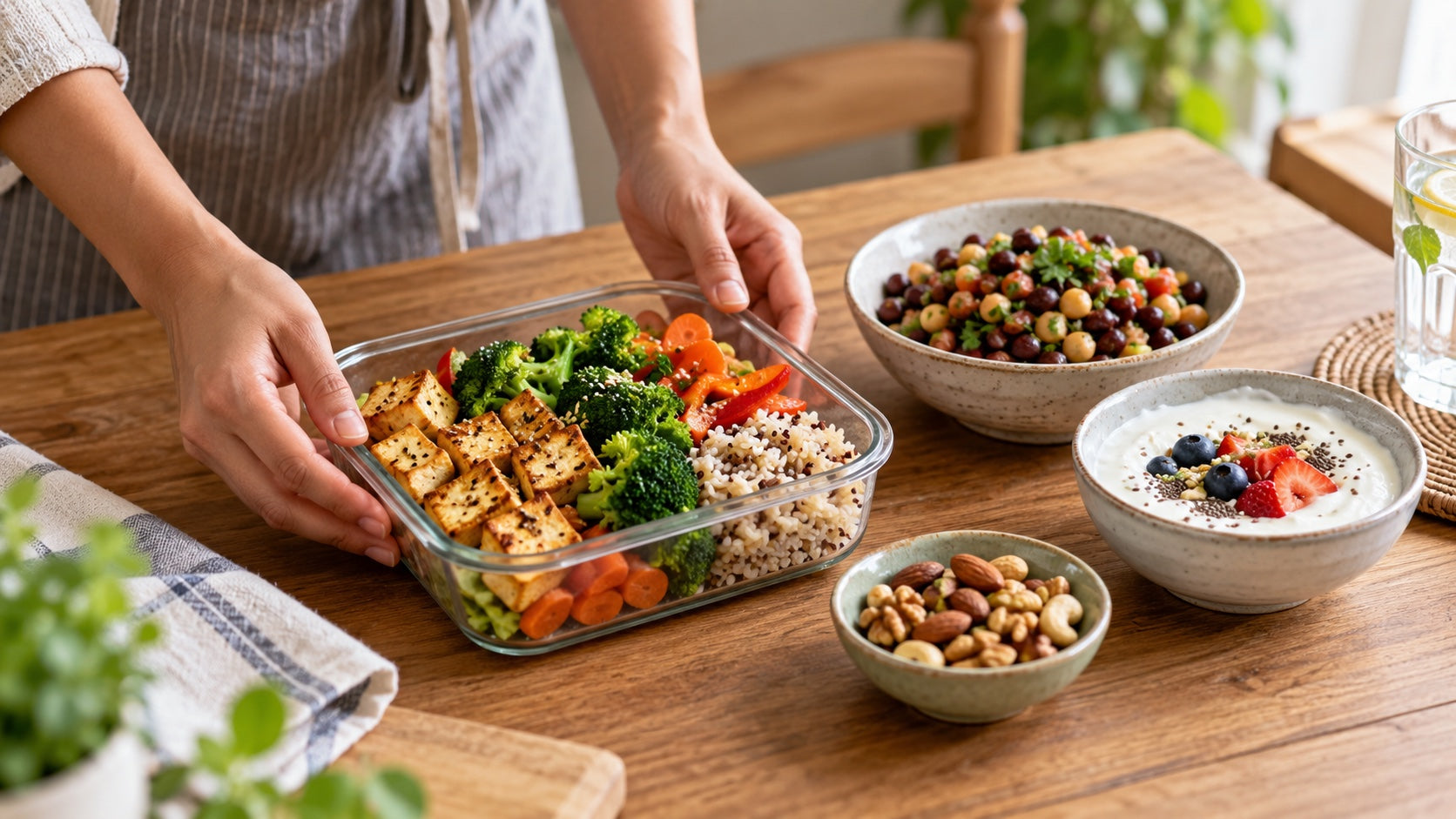
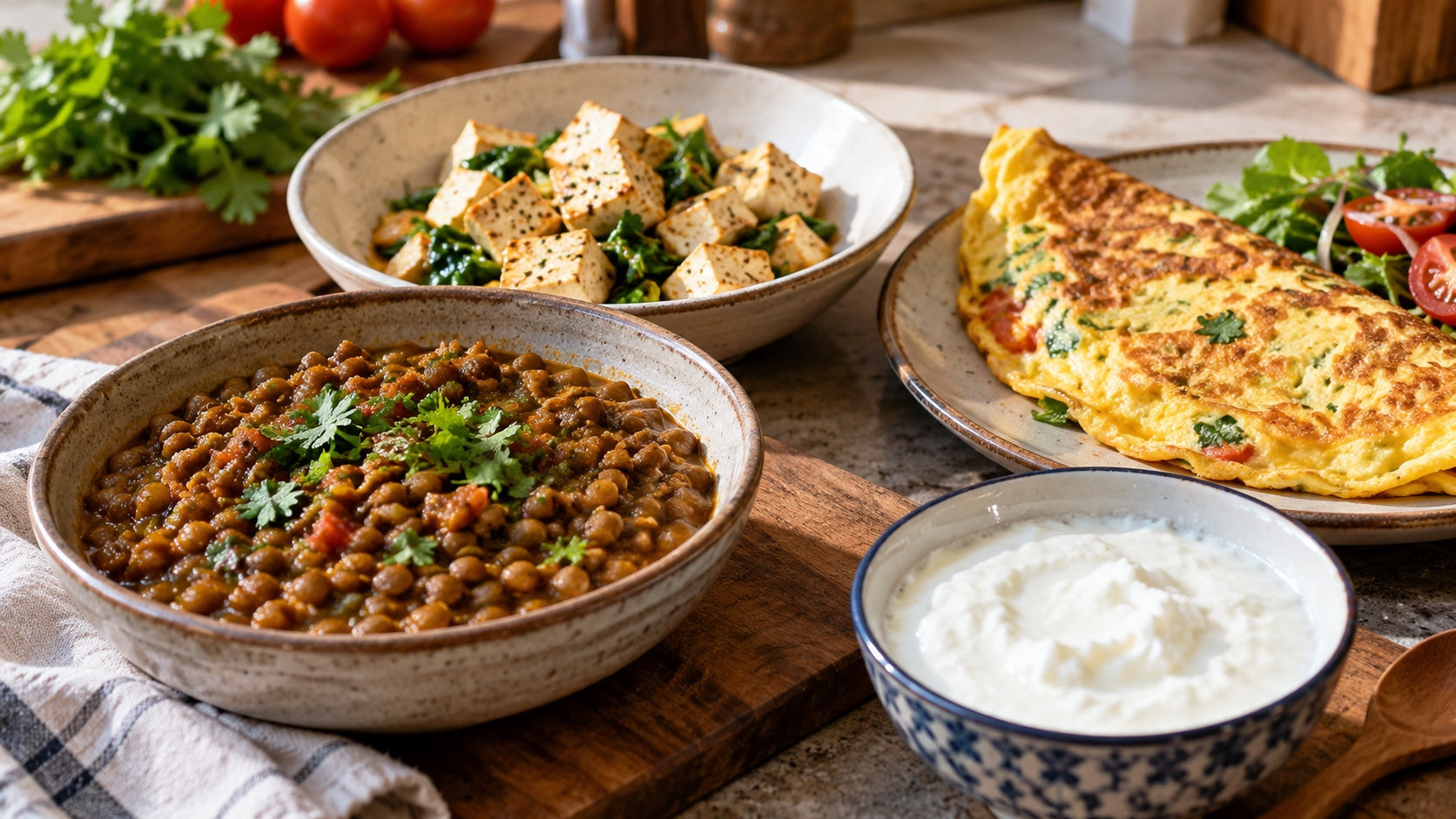
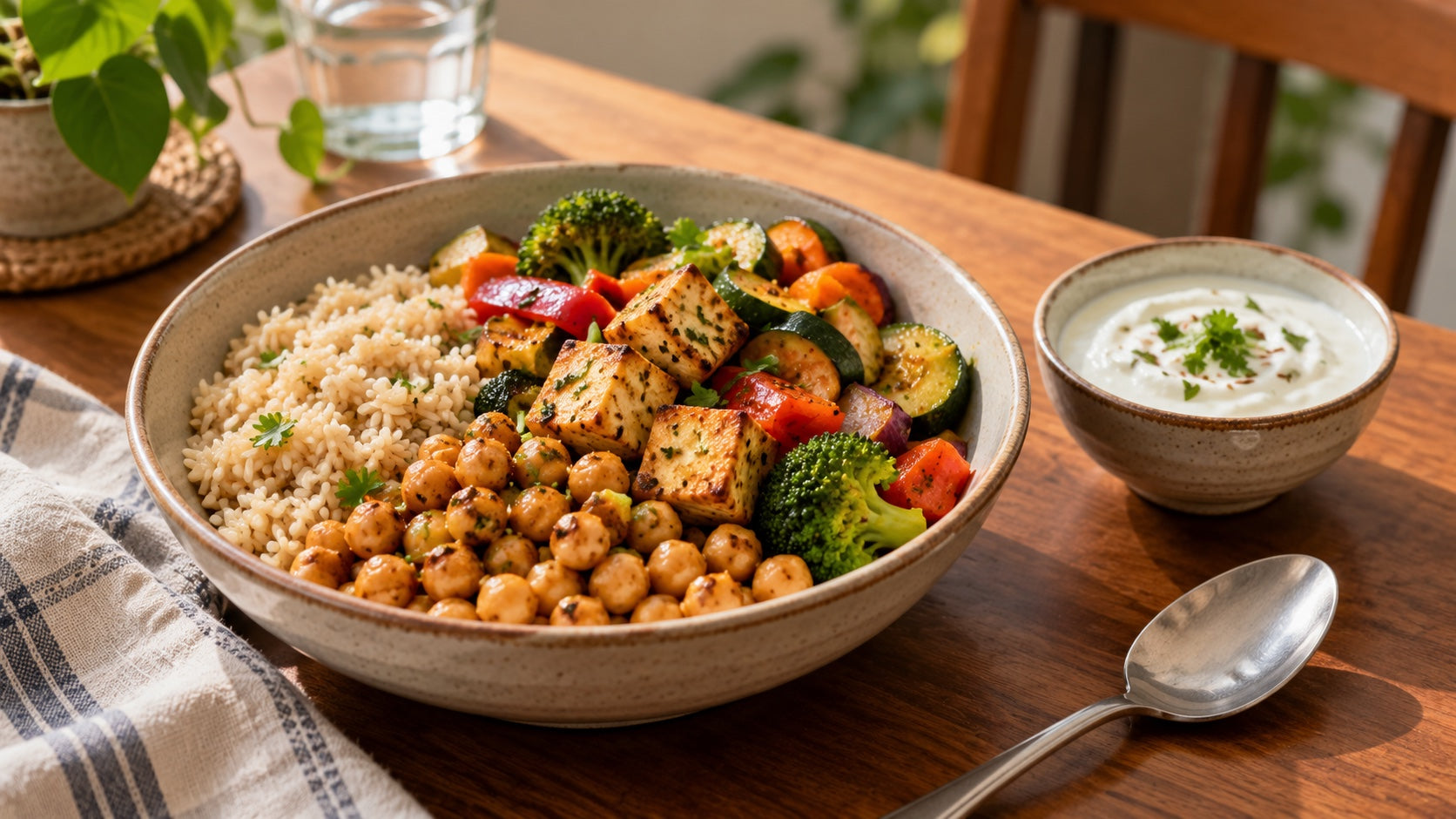
A high-protein Indian breakfast starts with a substantial protein source: dal, besan, eggs, paneer, tofu, curd or a protein-containing cereal. Keep the foods you enjoy, then build the plate around them. A few scattered peanuts rarely do the same job as a proper portion of a protein food.
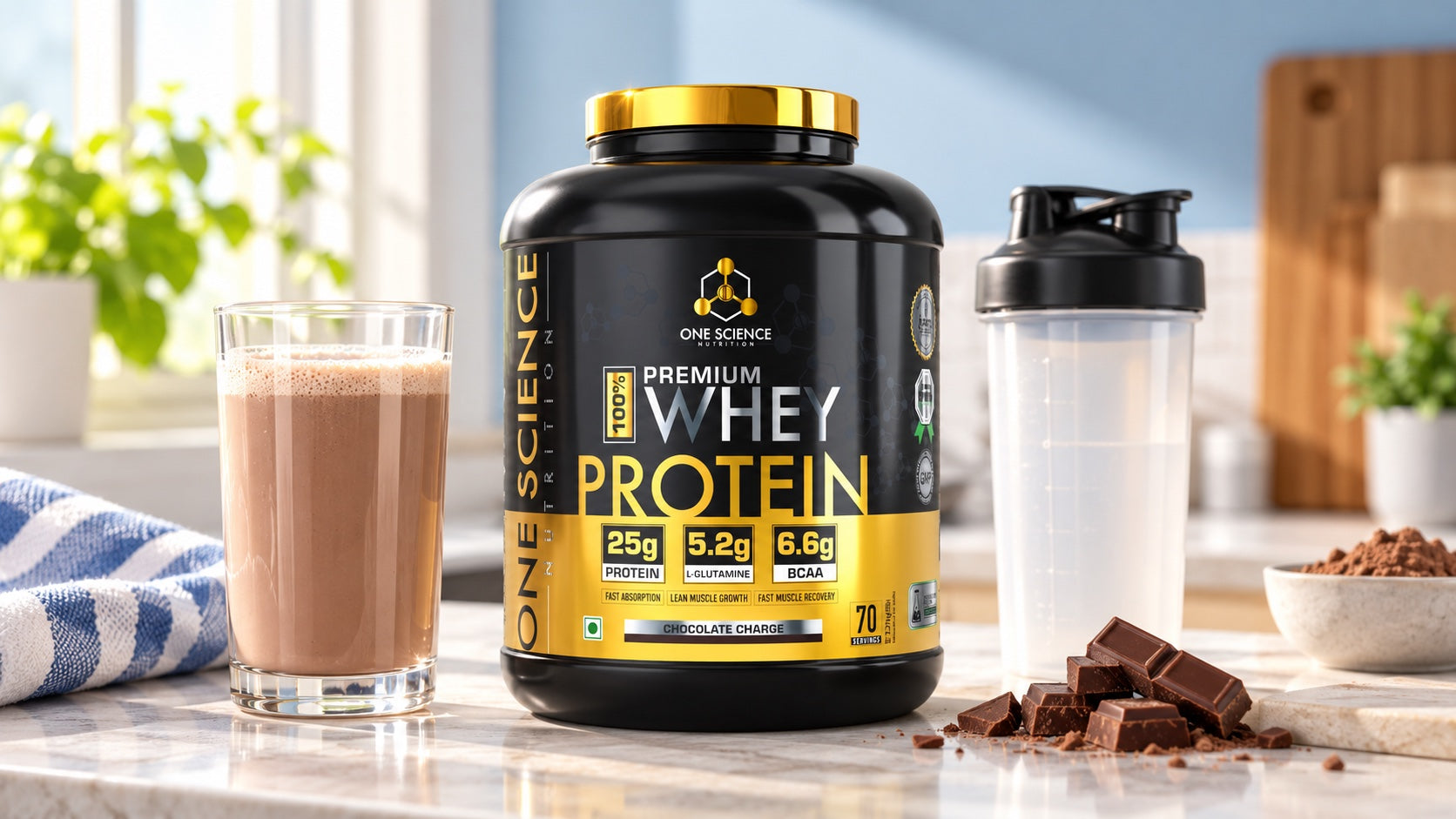
For mornings when you want a chocolate bowl, One Science Nutrition High Protein Oats and One Science Nutrition High Protein Muesli provide convenient alternatives to cooking from scratch. The fifteen ideas below mix those options with familiar savoury breakfasts.
Build the breakfast before counting it
Portions change the result. Two small chillas and two large paneer-filled chillas do not have the same nutrition. Nor does a bowl of plain curd match every thick, high-protein yogurt.
Dietitian Richa Anand puts one useful upgrade simply: “Paneer or tofu can increase the protein substantially”. Her original interview about oats and besan cheela also stresses the amount of flour and what you serve with it. Use the ideas as meal combinations, then size them for your appetite and daily needs.
Fifteen breakfasts to rotate through the week
1. Besan chilla with a paneer filling
Make a besan batter with water, onion, coriander and your usual spices. Cook it on a tawa, then fill it with crumbled paneer. The besan and paneer both contribute protein; vegetables add variety. Measure the flour and filling if you are tracking intake.
2. Moong dal chilla with curd
Soak moong dal, grind it with ginger and seasonings, then cook the batter into chillas. Serve with a generous bowl of plain curd rather than expecting chutney alone to finish the meal. Soaking is a preparation step, not a promise that the breakfast becomes instantly digestible.
3. Pesarattu with tofu on the side
Make the green-gram dosa you enjoy and add a small tofu bhurji. Keep the filling or side substantial. A few crumbs of tofu add texture but will not contribute as much protein as a full portion.
4. Paneer bhurji and roti
Cook paneer with onion, tomato and spices, then serve with roti. This is handy when you prefer a savoury breakfast that feels like a proper meal. Adjust cooking oil, roti and paneer portions together if you have a specific energy target.
5. Tofu bhurji and roti
Use firm tofu with turmeric, onion, tomato and coriander. Tofu varies in protein content and firmness, so choose one you like and use its nutrition information. This can be a dairy-free meal when the other ingredients are suitable too.
6. Egg bhurji with toast
Scramble eggs with vegetables and serve with whole-grain toast. Use the number of eggs and bread slices that fit your meal plan. A side of fruit can bring some freshness without turning breakfast into a complicated recipe.
7. Masala omelette with leftover dal
An omelette and a small bowl of reheated dal make use of food already in the kitchen. Reheat stored dal thoroughly and keep cooked leftovers refrigerated. The protein comes from both components; the exact amount depends on their portions.
8. Idli with a substantial bowl of sambar and curd
Keep the idli. Pay attention to the sides. A watery spoonful of sambar does not supply the same amount of dal as a generous serving. Adding curd is another way to make this a more protein-containing breakfast.
9. Adai with a suitable yogurt side
The mixed pulses in adai give you a different breakfast from a mostly rice-based dosa. Pair it with dairy yogurt or a protein-containing soy alternative that suits you. Coconut yogurt and soy yogurt are not automatically equivalent in protein.
10. Poha with cooked soy chunks
Prepare the soy chunks according to their pack instructions, chop if needed, and fold them into vegetable poha. Peanuts can add crunch. Keep the soy portion meaningful rather than relying on a garnish to justify the meal's protein content.
11. Cooked chana chaat with curd
Use thoroughly cooked chickpeas, cucumber, tomato, lemon and spices. Add plain curd if you eat dairy. This is useful when you can cook the chickpeas in advance and refrigerate them safely for a quick morning assembly.
12. Sattu drink with a paneer or tofu roti roll
Mix food-grade roasted chana sattu with water and seasonings according to the pack. Pair it with a simple paneer or tofu roll. The combination makes a more substantial breakfast than assuming a small sattu drink will cover the whole meal.
13. One Science Nutrition High Protein Oats with milk and banana
One Science Nutrition High Protein Oats in Dark Chocolate supplies 13.3 g protein and 207 kcal per 50 g dry serving. Prepare it according to the pack and add milk and sliced banana if they suit your diet. Milk contributes extra protein and energy, so the final bowl is different from the dry portion. The oats contain soy and almonds and provide 4.5 g added sugar in that dry serving.
14. One Science Nutrition High Protein Muesli with plain curd
One Science Nutrition High Protein Muesli in Dark Choco Crunchy provides 13.2 g protein and 194 kcal per 50 g dry serving, plus 3.5 g fibre. Pair with curd and fruit for a bowl with crunch. It contains soy, wheat and almonds, and 4.4 g added sugar per dry serving. Check the complete pack if allergies affect your choice.
15. Thick yogurt, fruit and a crunchy cereal topping
Choose a yogurt with a protein amount that suits your meal, then add fruit and a measured topping of One Science Nutrition High Protein Muesli. This reverses the usual cereal-heavy bowl: yogurt forms the base and the cereal brings crunch. Use the amount of cereal you actually add when counting the bowl's nutrition.
Make two choices for busy mornings
Keep one savoury breakfast and one easy bowl in your weekly routine. Soak dal or cook chana ahead, and make sure perishable ingredients stay refrigerated. That reduces the number of decisions between waking up and leaving home.
For the bowl option, choose One Science Nutrition High Protein Oats when you want a warm chocolate breakfast, or One Science Nutrition High Protein Muesli when you prefer crunch. Build your portion around the whole meal, rather than expecting every idea on this list to deliver an identical protein total.