Essential amino acids are nine amino acids your body needs from food because it cannot make enough of them itself. They help supply the material used to build and maintain body proteins. Getting enough total protein from varied foods is the starting point.
Two One Science Nutrition products serve different needs here. One Science Nutrition ISO Gold supplies dietary protein from whey ingredients. One Science Nutrition Premium EAA supplies a blend of essential amino acids in a flavoured drink. Choosing between them starts with whether you need more protein in your diet or specifically want an amino-acid supplement.
Meet the nine essential amino acids
The MedlinePlus medical reference, reviewed by dietitian Stefania Manetti and its clinical editorial team, identifies these nine:
| Essential amino acid |
One role or distinction |
| Histidine |
Used to make histamine, a chemical messenger |
| Isoleucine |
A BCAA involved in muscle metabolism |
| Leucine |
A BCAA involved in protein building |
| Lysine |
Involved in producing proteins, including some hormones |
| Methionine |
Involved in tissue growth and metabolism |
| Phenylalanine |
Used to make other amino acids and chemical messengers |
| Threonine |
A component of structural proteins such as collagen and elastin |
| Tryptophan |
Used to make serotonin, a chemical messenger |
| Valine |
A BCAA involved in tissue repair and energy processes |
These are examples of normal biological roles, as described in Cleveland Clinic's amino-acid reference. They are not promises that taking an individual amino acid will treat a symptom or improve a specific body function.
You do not need nine separate foods or nine separate supplements. Protein-containing foods supply combinations of amino acids.
The other amino acids used to make proteins are often called nonessential or conditionally essential. Nonessential means your body can make them under ordinary conditions. It does not mean they have no function. For the wider classification, read our guide to amino acids and their role in protein.
What happens after you eat protein?
Digestion breaks food proteins into smaller pieces and amino acids. After absorption, the body uses amino acids for many jobs, including making and replacing its own proteins.
Muscle is one destination. Enzymes and other tissues also need them. Eating a particular amino acid does not direct it exclusively into your biceps.
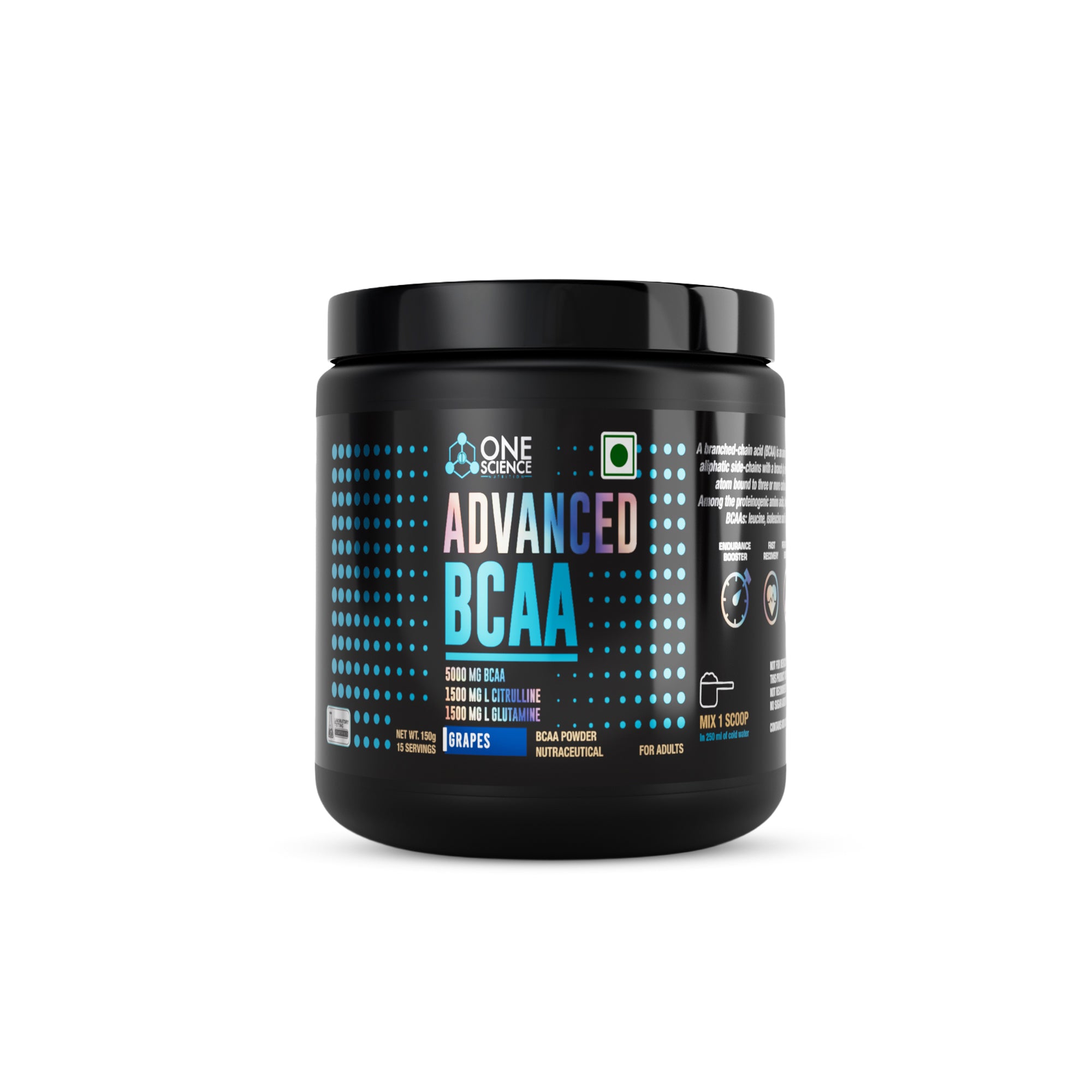
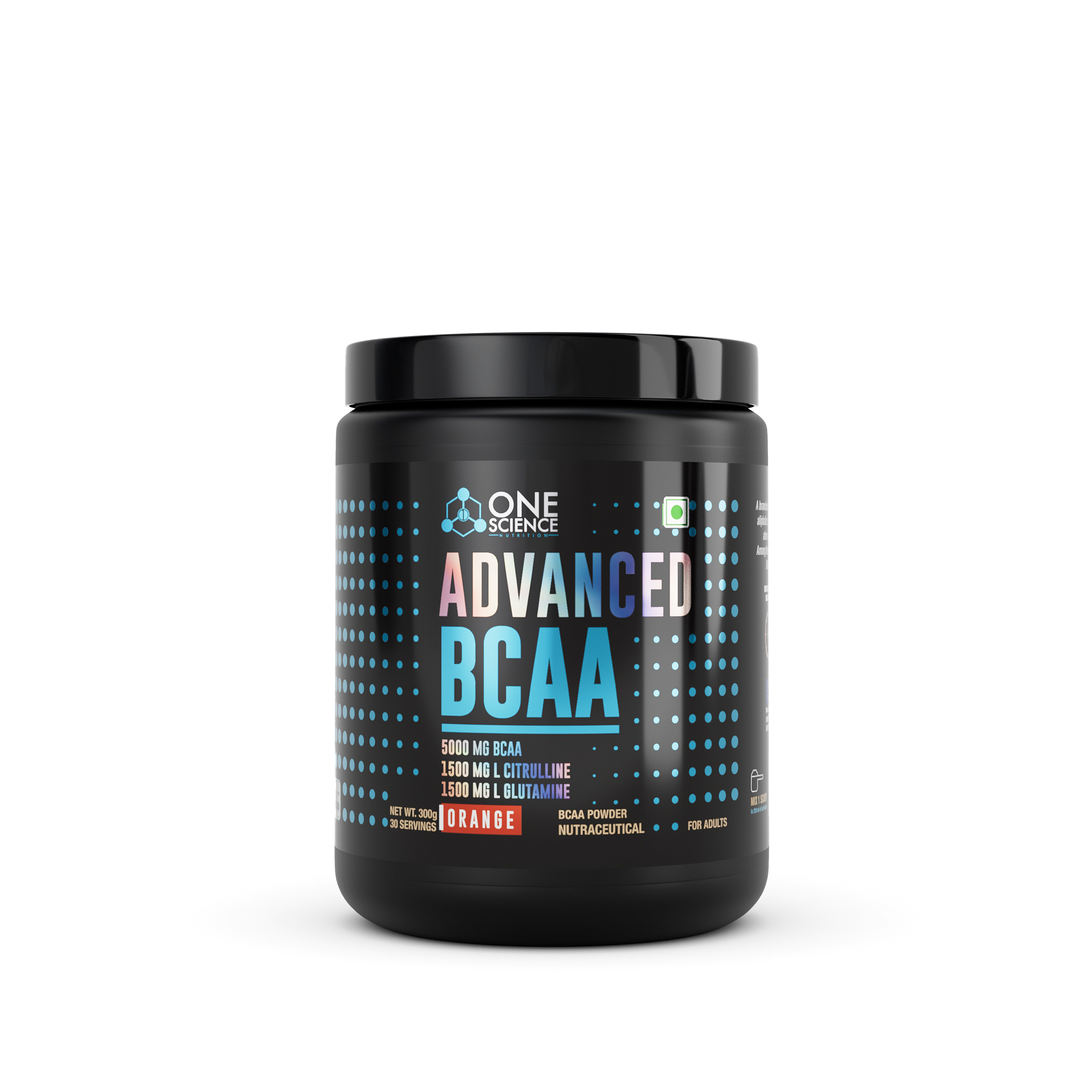
Leucine has a role in signalling muscle protein synthesis, but building new protein also requires the other necessary amino acids. This is why a three-amino-acid BCAA drink and a nine-essential-amino-acid blend are not interchangeable.
The ISSN protein position stand discusses essential-amino-acid-containing protein in healthy exercising adults. It does not establish that everyone who trains needs an additional amino-acid drink.
Food can cover the essentials
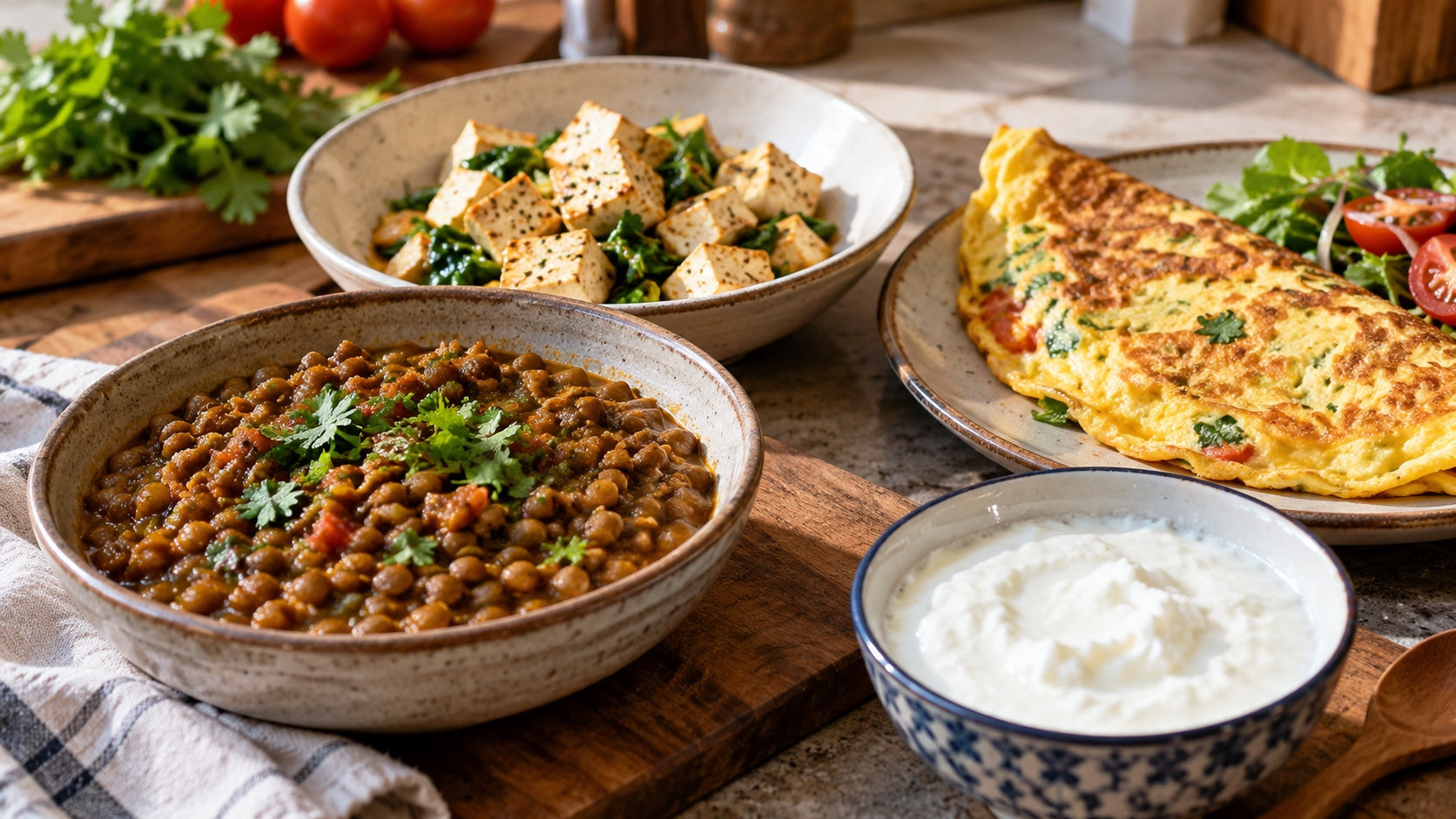
Eggs, dairy, fish, meat and soy foods can contribute essential amino acids. Pulses, grains, nuts and seeds also contribute, with different proportions.
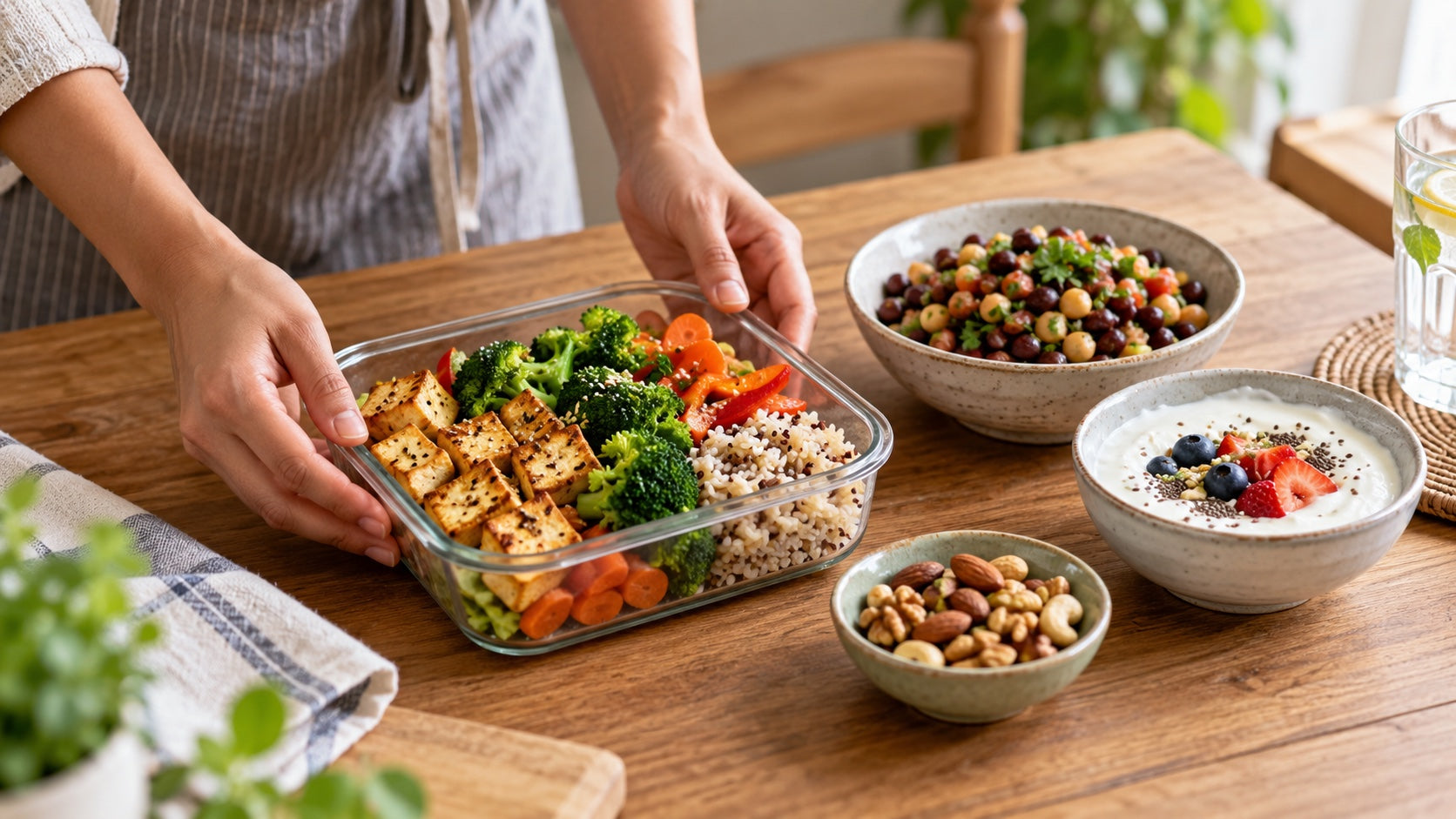
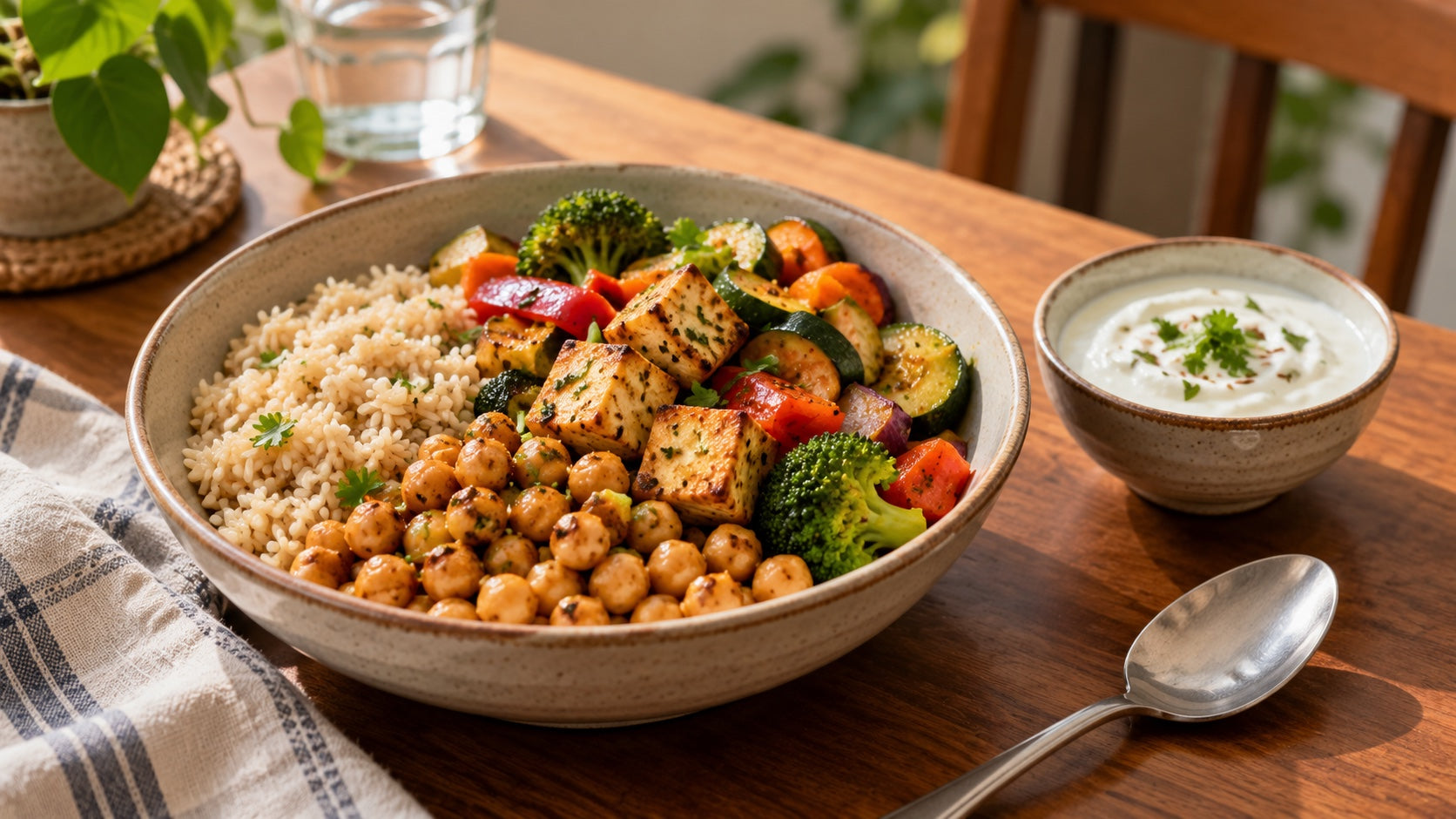
A varied vegetarian day might include dal and rice at lunch, curd with a snack, and tofu with roti at dinner. A plant-based day can use pulses, soy foods, grains and other suitable sources. You do not have to assemble a perfect amino-acid puzzle at every meal.
The amount you actually eat still matters. A garnish of seeds is different from a substantial serving of dal or tofu. Variety works best alongside enough total food and protein.
One Science Nutrition ISO Gold: when you need dietary protein
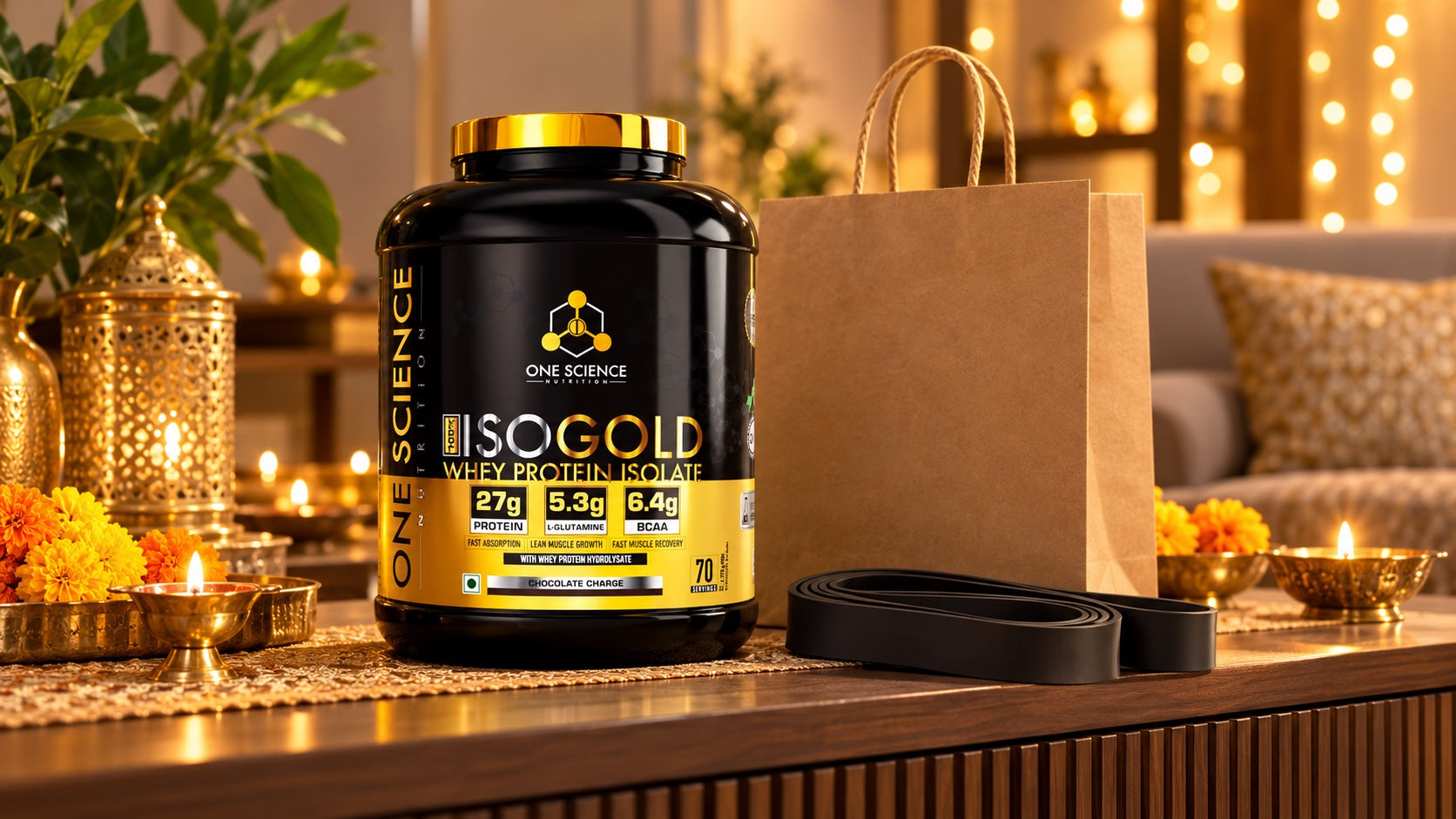
One Science Nutrition ISO Gold uses whey protein isolate and whey protein hydrolysate. Its Chocolate nutrition example provides 27 g protein in a 32.5 g serving, with 113 kcal, 0.5 g carbohydrate and 0.3 g fat.
That makes One Science Nutrition ISO Gold relevant when your food intake leaves a protein gap and you prefer a whey shake with a small carbohydrate and fat contribution. The whey ingredients supply protein containing essential amino acids as part of that protein.
This is still milk-derived protein. It is unsuitable for someone with a milk allergy, and the formula should not be assumed lactose-free. It is not recommended for children or during pregnancy or breastfeeding.
Choose One Science Nutrition ISO Gold for its role in your daily protein intake. There is no need to add a separate amino-acid product simply because you have started using whey.
One Science Nutrition Premium EAA: a different format
One Science Nutrition Premium EAA lists all nine essential amino acids among its ingredients. It also contains ingredients including taurine, betaine, choline and citrulline malate. Its 12 g serving is the weight of the whole formula, rather than 12 g of essential amino acids alone.
The appeal of One Science Nutrition Premium EAA is a flavoured amino-acid drink for adults who specifically want that format around their training routine. Options listed include Fruit Punch, Pomegranate, Strawberry Kiwi and Watermelon. Flavour choice can make a routine more enjoyable without changing the product into a substitute for meals.
Follow the serving and mixing directions on your pack. The product recommends one serving daily and is not recommended for children. Seek individual advice if you have a medical condition, take medication, or are pregnant or breastfeeding.
Choose the job before the product
If you are struggling to reach your protein intake through meals, review One Science Nutrition ISO Gold as a convenient protein option. If your diet is already adequate and you specifically want an essential-amino-acid drink, explore One Science Nutrition Premium EAA and check whether it adds something useful to your routine.
You do not have to buy both. A clear reason for each purchase beats an ever-growing supplement shelf.