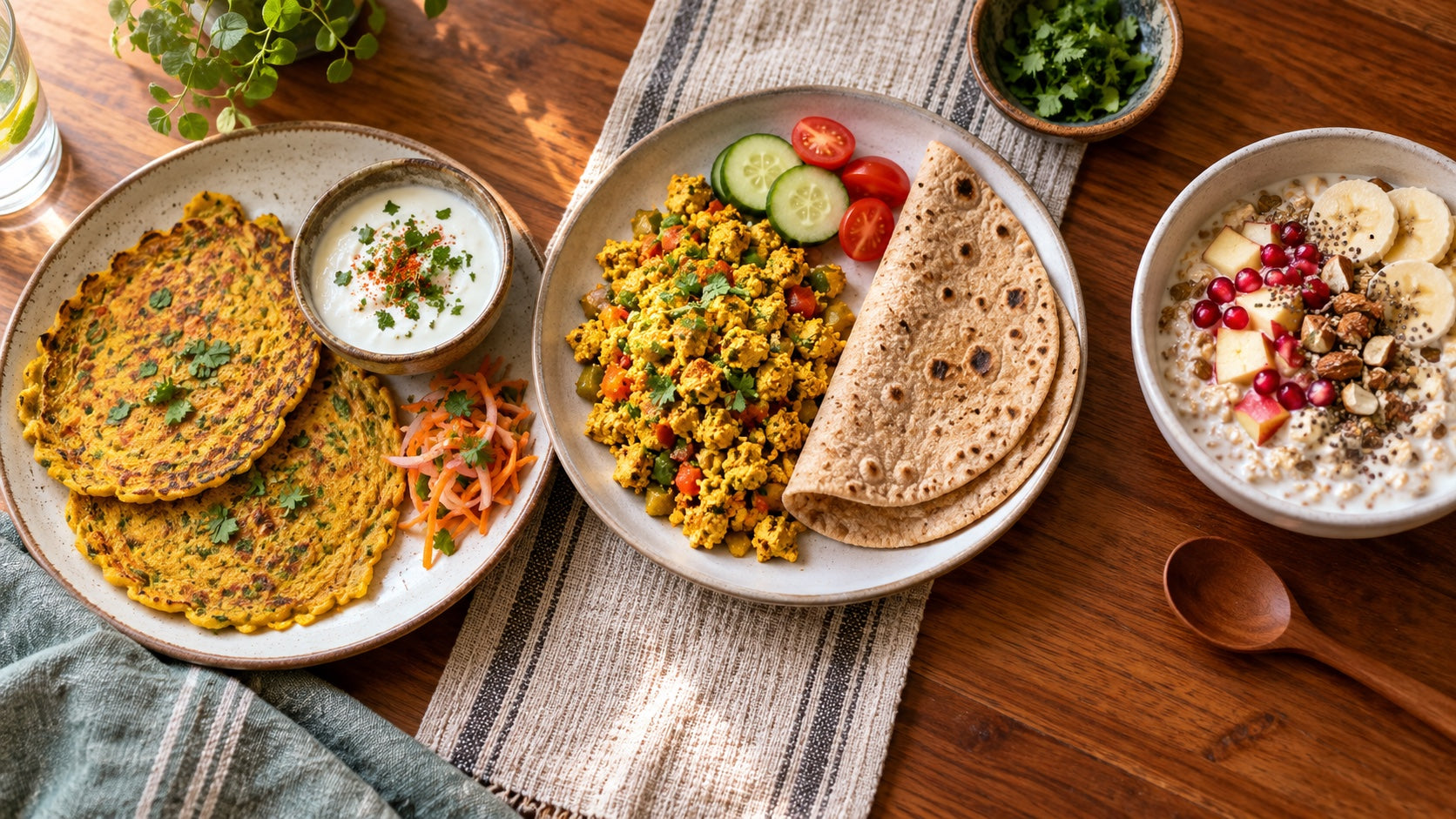
Protein can help you feel satisfied after a meal and stay comfortable between meals. That feeling is called satiety. It depends on the whole meal, including its energy, fibre, texture and portion size, as well as your appetite and activity. No single nutrient switches hunger off for everyone.
That makes breakfast a useful place to start. One Science Nutrition High Protein Muesli and One Science Nutrition High Protein Oats put protein into a familiar bowl, alongside other foods you enjoy. They offer a practical way to change a rushed breakfast without making appetite control the job of a supplement.
Why does protein keep you full?
After you eat, your digestive system and brain exchange signals about the food arriving and the nutrients being absorbed. Protein contributes to that response. A protein-containing meal can leave you feeling more satisfied than a meal that falls short on protein.
The effect is useful, but it has limits. In their 2015 review of protein and weight management, Heather Leidy and colleagues found that higher-protein meals could improve perceived fullness. That did not consistently translate into eating less at the next meal, and longer-term weight-management findings were less consistent.
So, feeling fuller and losing weight are different outcomes. A substantial breakfast might make your morning easier even when the scale does not change. Adding protein on top of food you already eat also adds energy.
The breakfast that looks big but leaves you hungry
Think of a bowl with a small amount of cereal, plenty of sweet toppings and very little milk or curd. It may look generous. Its protein contribution may still be modest.
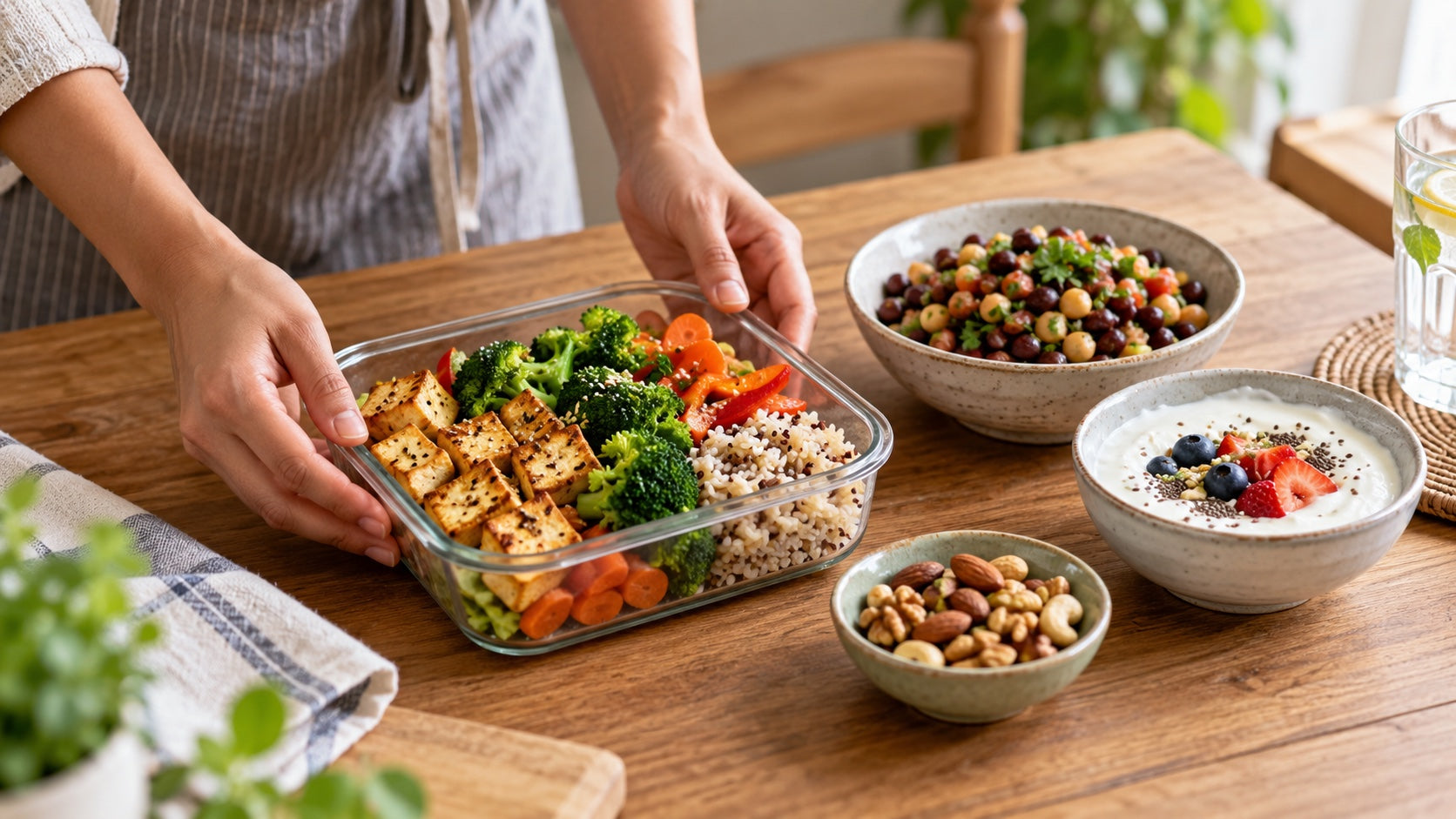
You can change that without doubling everything in the bowl:
- Make the base a measured portion rather than an uncounted pour.
- Include a protein source such as curd, milk, soy yogurt or a protein-containing cereal.
- Add fruit for variety and fibre.
- Choose toppings for taste and texture, keeping their portions in view.
Registered dietitian Anna Taylor's Cleveland Clinic snack guide uses the same practical food-pairing approach: protein-containing foods with fruit, vegetables or whole grains. The point is to build something you will actually want to eat.
A crunchy option: One Science Nutrition High Protein Muesli
One Science Nutrition High Protein Muesli in Dark Choco Crunchy provides 13.2 g protein and 194 kcal per 50 g dry serving. That serving also contains 3.5 g fibre and 4.4 g added sugar. Milk, curd and toppings add their own nutrition.
The appeal is convenience. A portion of One Science Nutrition High Protein Muesli can form the cereal part of a breakfast bowl or a smaller between-meal snack. Pair it with plain curd and chopped fruit if that suits your diet. Keep the base crunchy by adding it near the time you eat.
This is a chocolate breakfast option with a measurable protein contribution. Use it as part of breakfast or a snack sized around your needs. It contains soy, wheat and almonds, which matters when shopping for someone with allergies.
Prefer a warm bowl? One Science Nutrition High Protein Oats
One Science Nutrition High Protein Oats in Dark Chocolate provides 13.3 g protein, 207 kcal, 28.4 g carbohydrate and 4.1 g fibre per 50 g dry serving. It contains 4.5 g added sugar in that portion.
Prepare One Science Nutrition High Protein Oats according to the pack instructions, then choose the additions around the meal you need. Milk adds protein and energy; water keeps the nutrition closer to the dry-product values. Fruit changes the flavour and adds another food group. A spoon of nut butter changes both texture and energy, so it belongs in the total too.
The oats contain soy and almonds. Check the complete pack allergen information for your needs.
You do not need both cereals in one sitting. Choose One Science Nutrition High Protein Muesli for a crunchy bowl or One Science Nutrition High Protein Oats when a warm chocolate breakfast sounds better. Taste and repeatability matter when a breakfast has to work on busy weekdays.
Is a protein shake as filling as a meal?
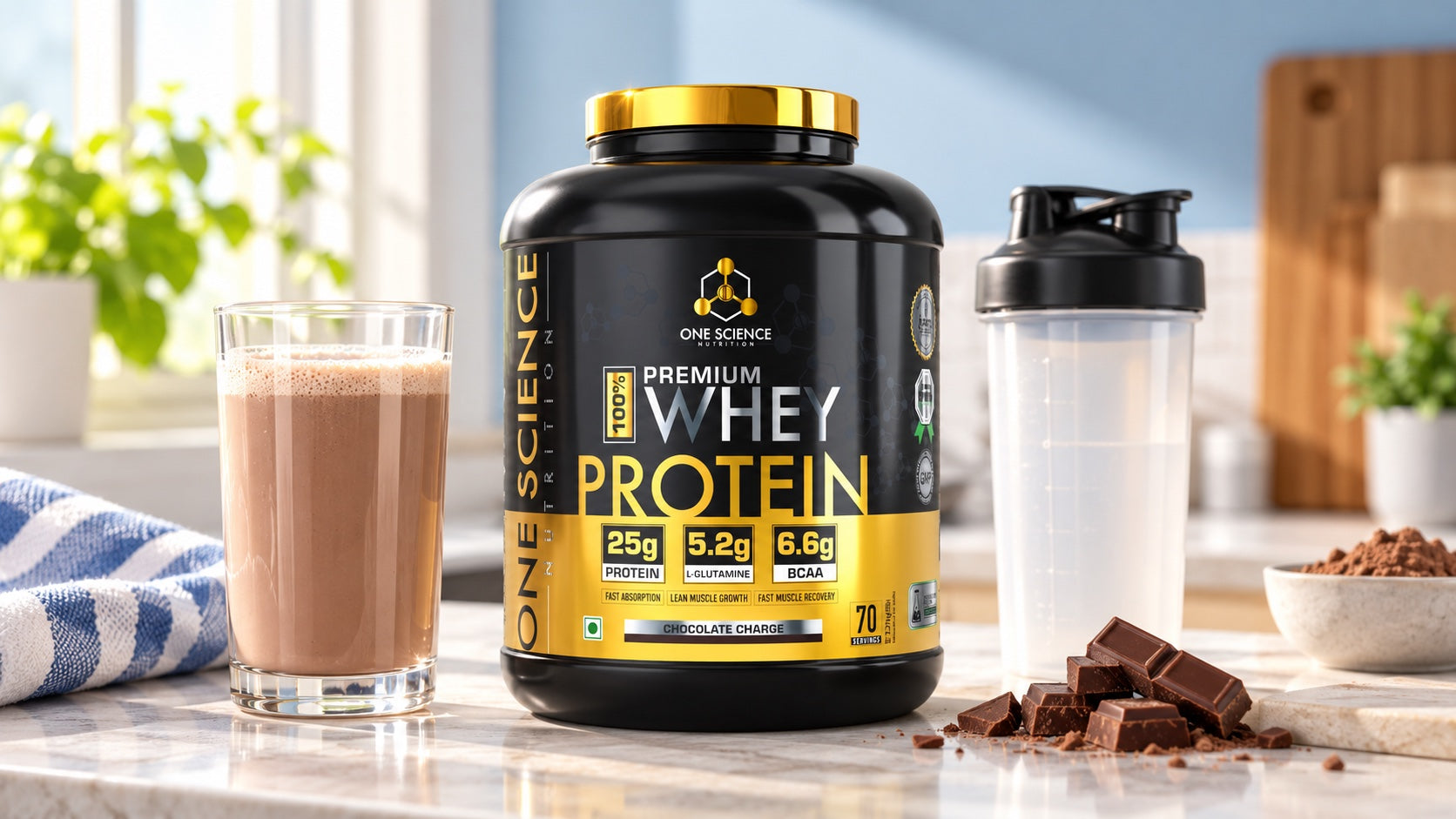
It can help with protein intake, but a drink and a mixed meal are different eating experiences. A shake's ingredients, energy, volume and what you eat alongside it all matter. There is no reliable promise that one scoop will keep everyone full for a set number of hours.
If you are hungry soon after a shake, look at whether it was your entire breakfast. You may need actual food with it, a larger meal, or a different meal time. More powder is only one possible change.
When hunger keeps returning
Start with a few ordinary questions. Was the previous meal large enough? Did it include protein? Have you been training harder, sleeping poorly or leaving long gaps between meals?
Hunger is useful information. It is not proof of weak willpower or a protein deficiency. New, persistent hunger alongside unexplained weight change or other symptoms deserves medical advice.
For tomorrow's breakfast, pick the format you enjoy: shop One Science Nutrition High Protein Muesli for crunch or One Science Nutrition High Protein Oats for a warm bowl, and build the rest of the meal around your appetite and daily needs.