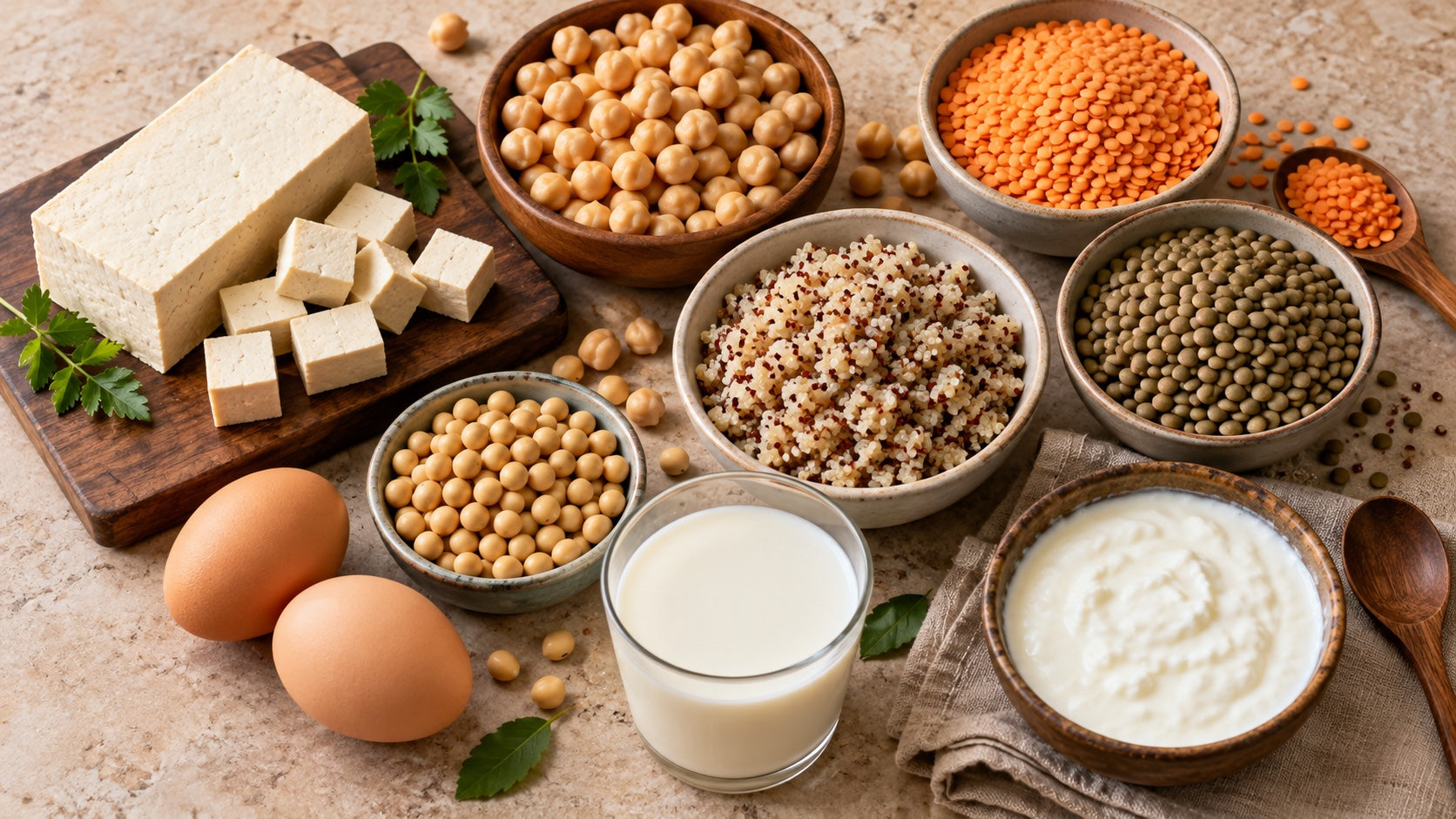
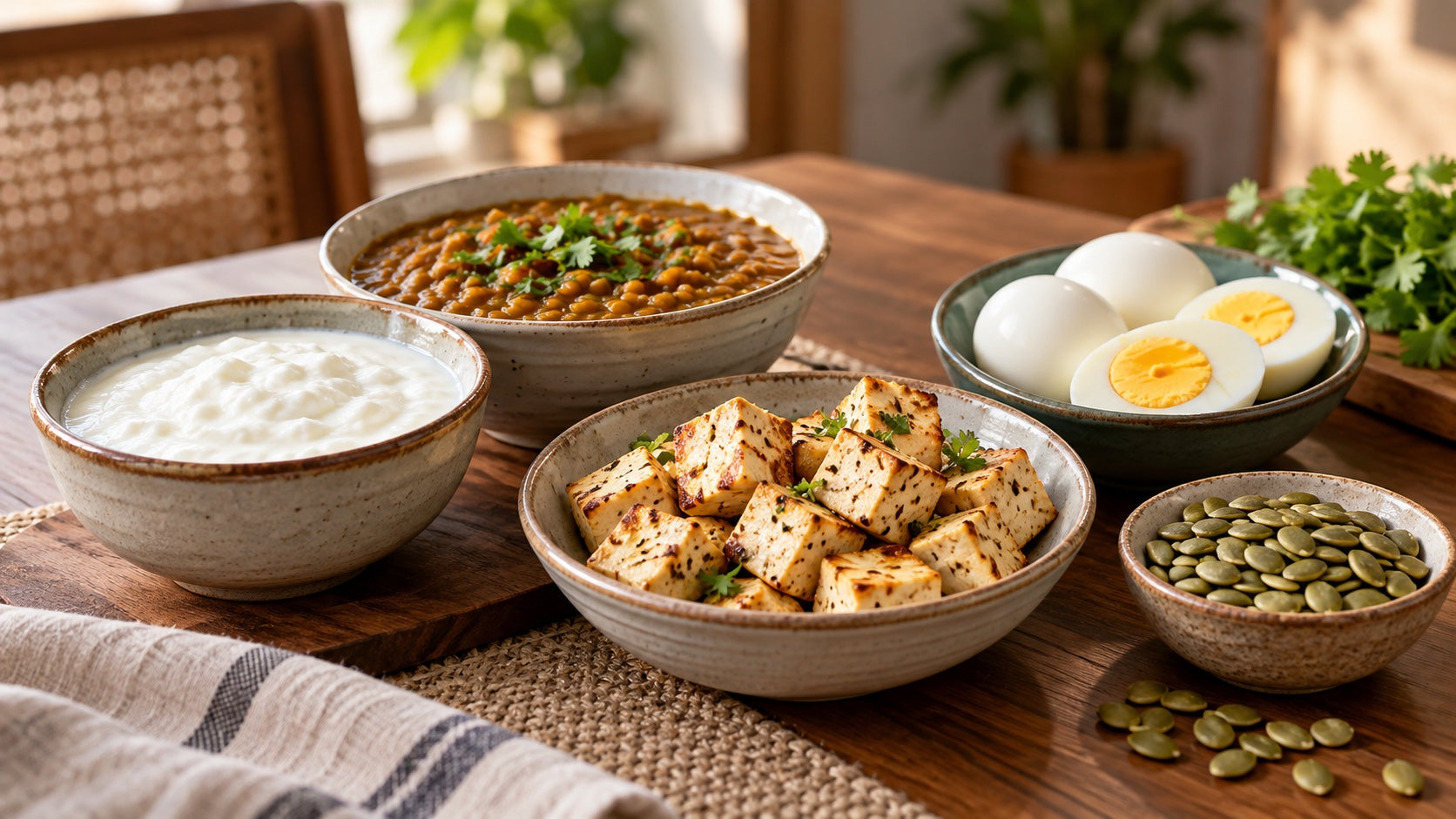
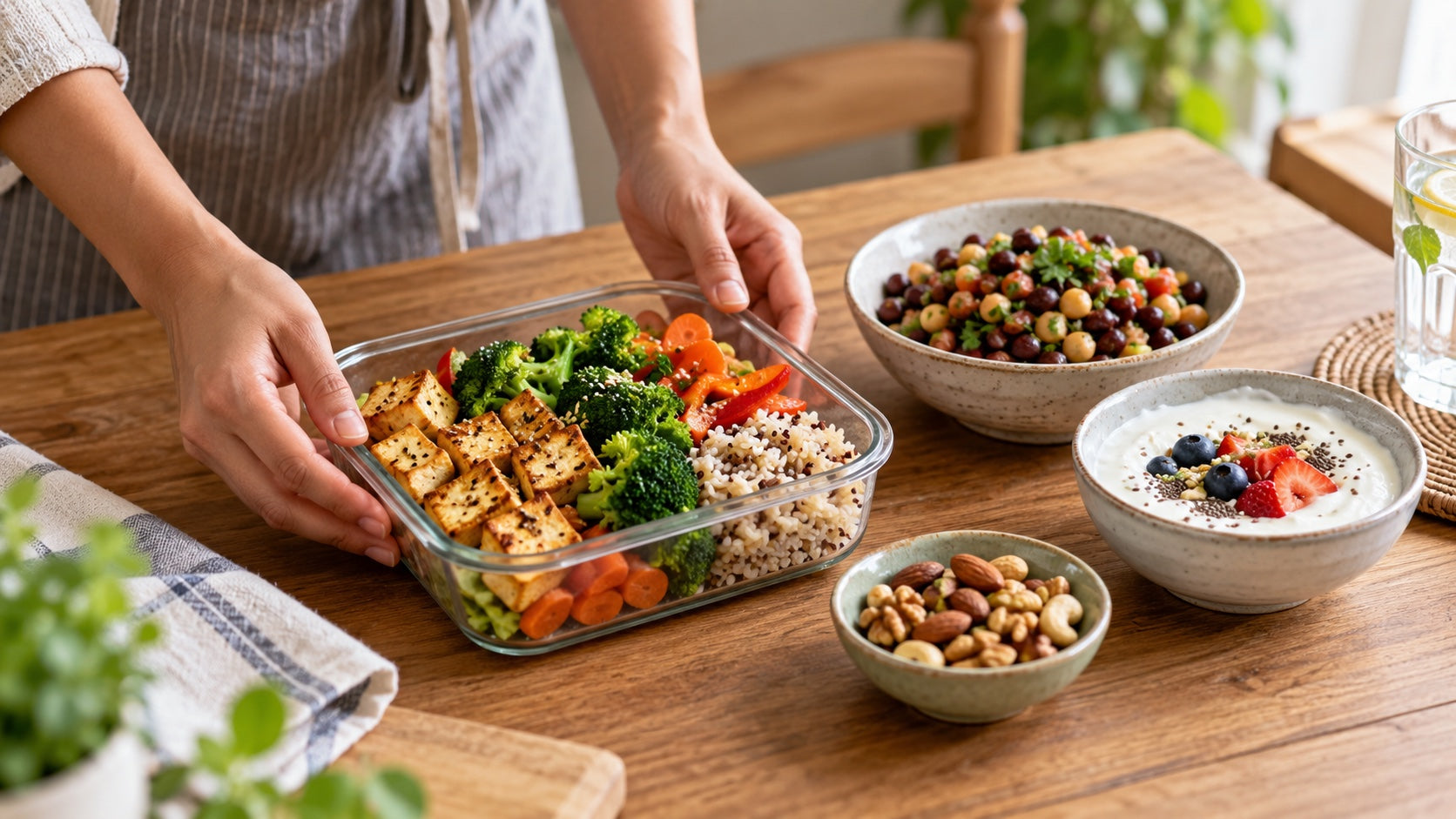
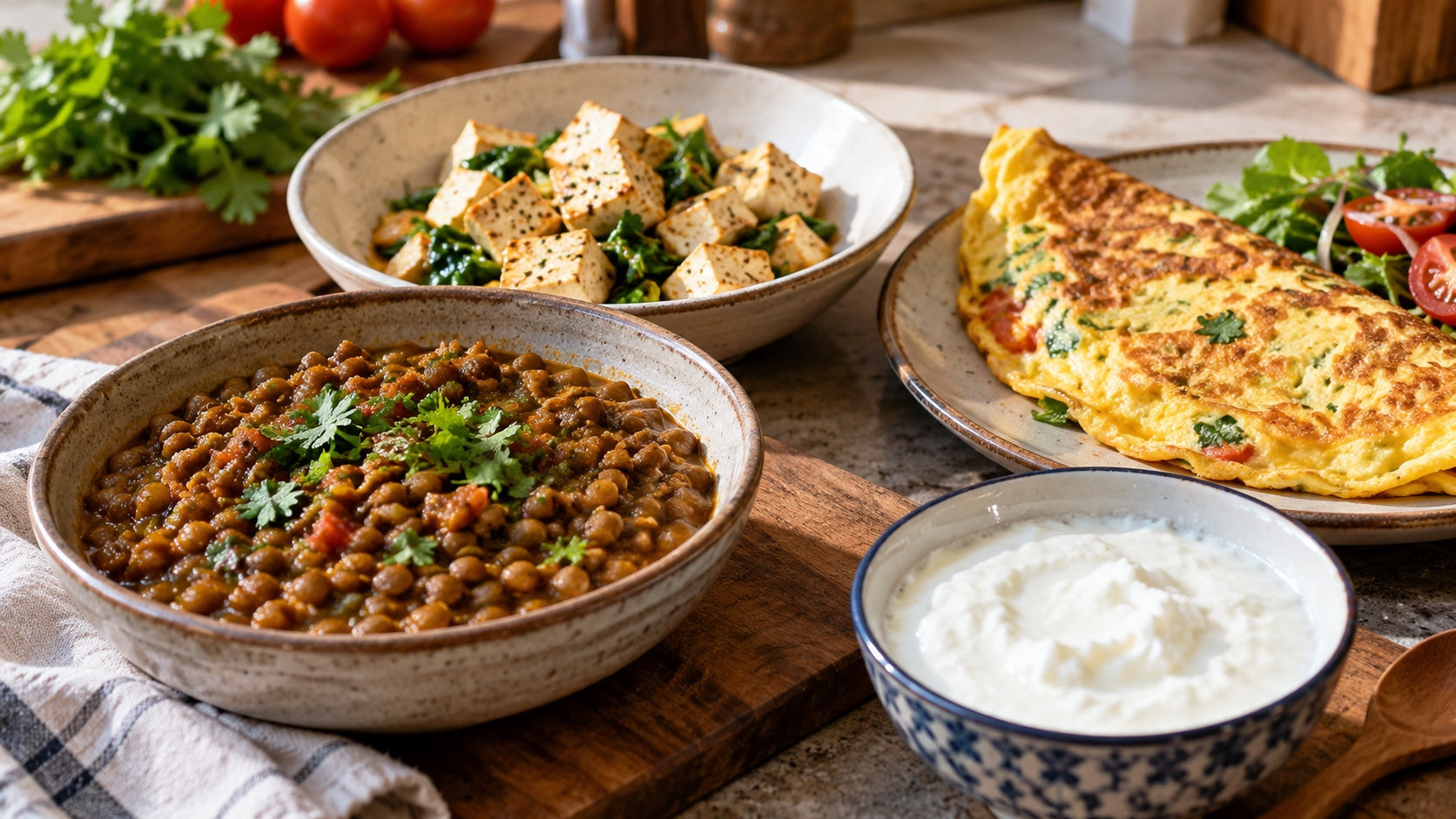
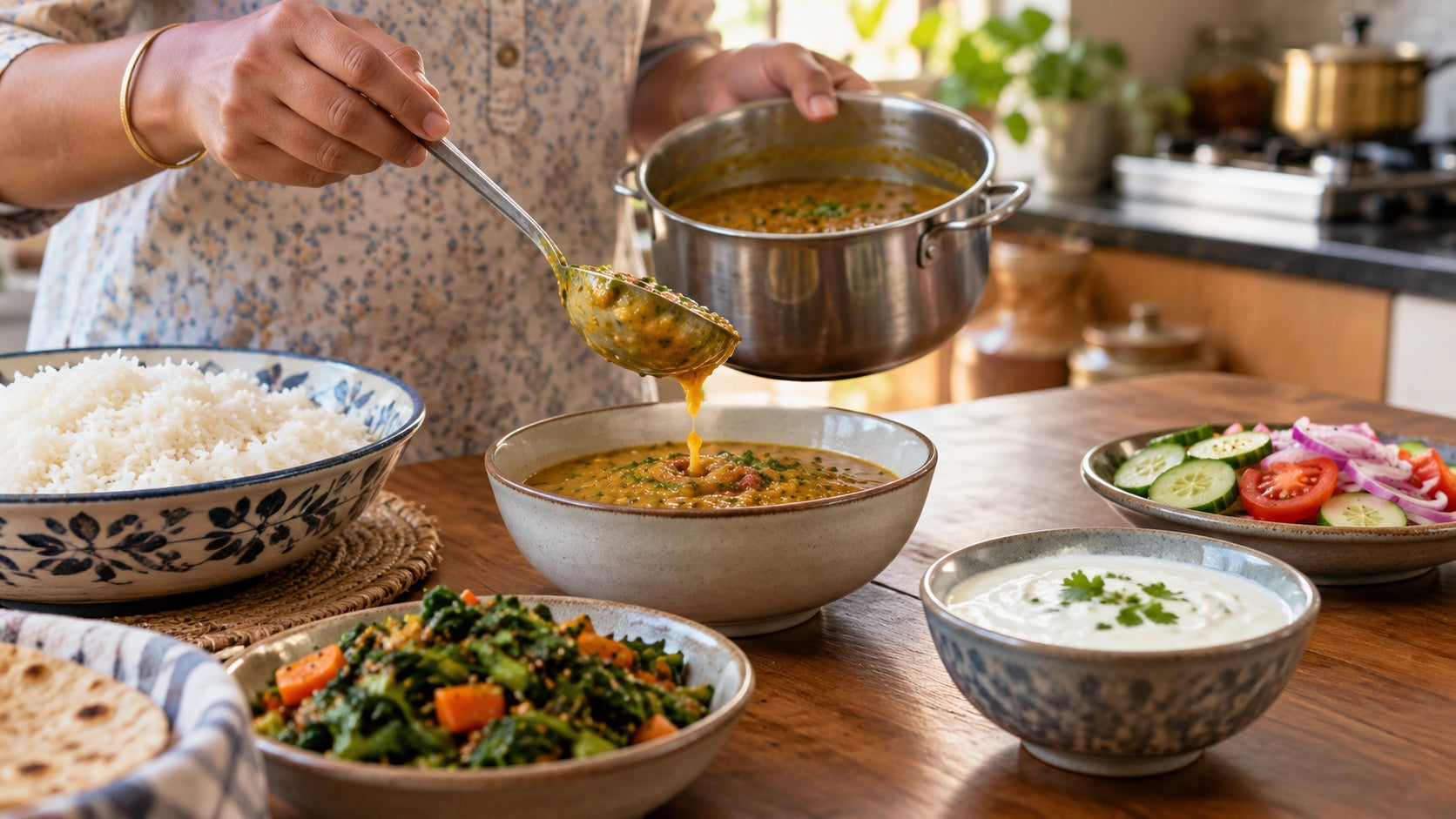
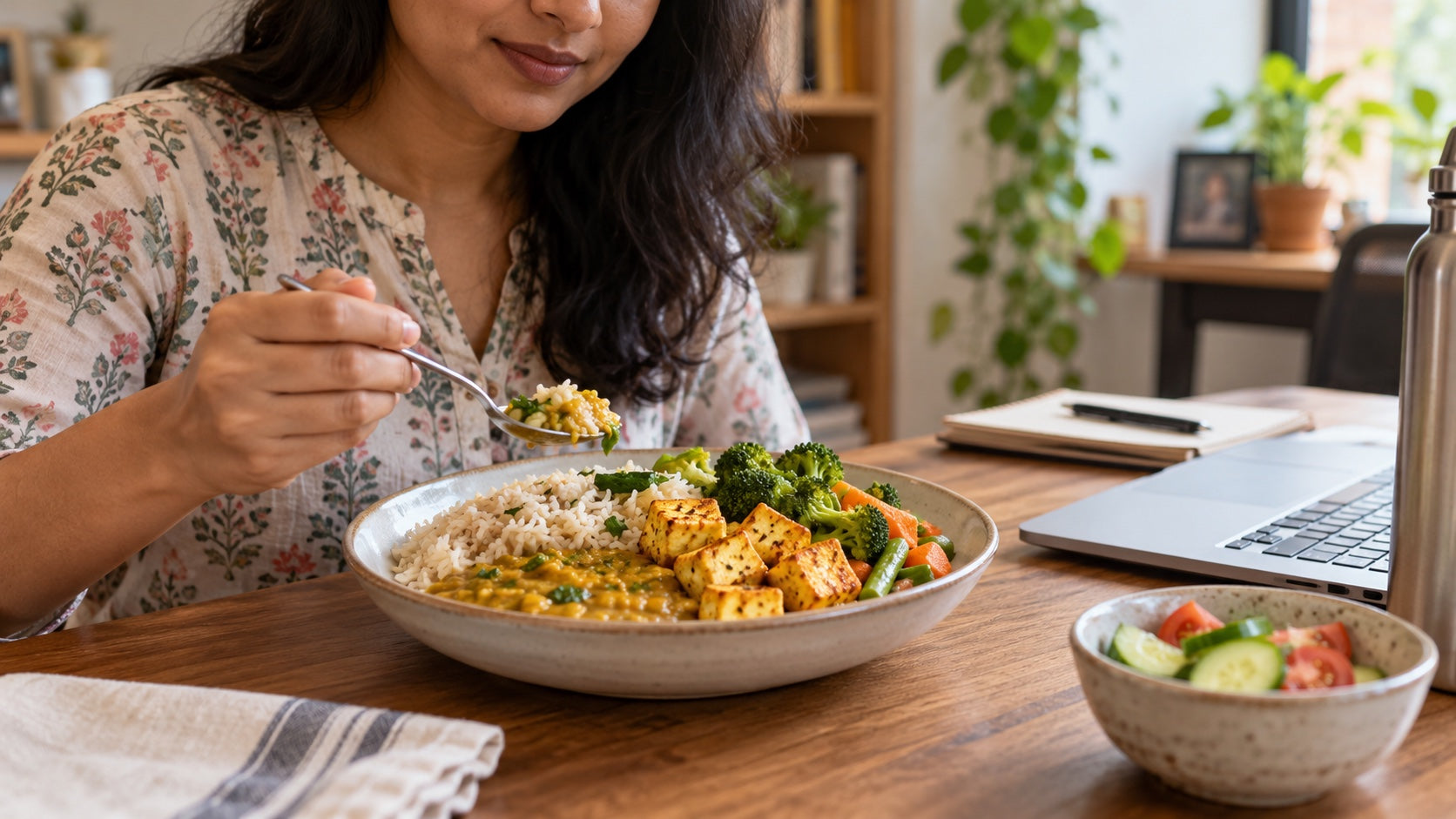
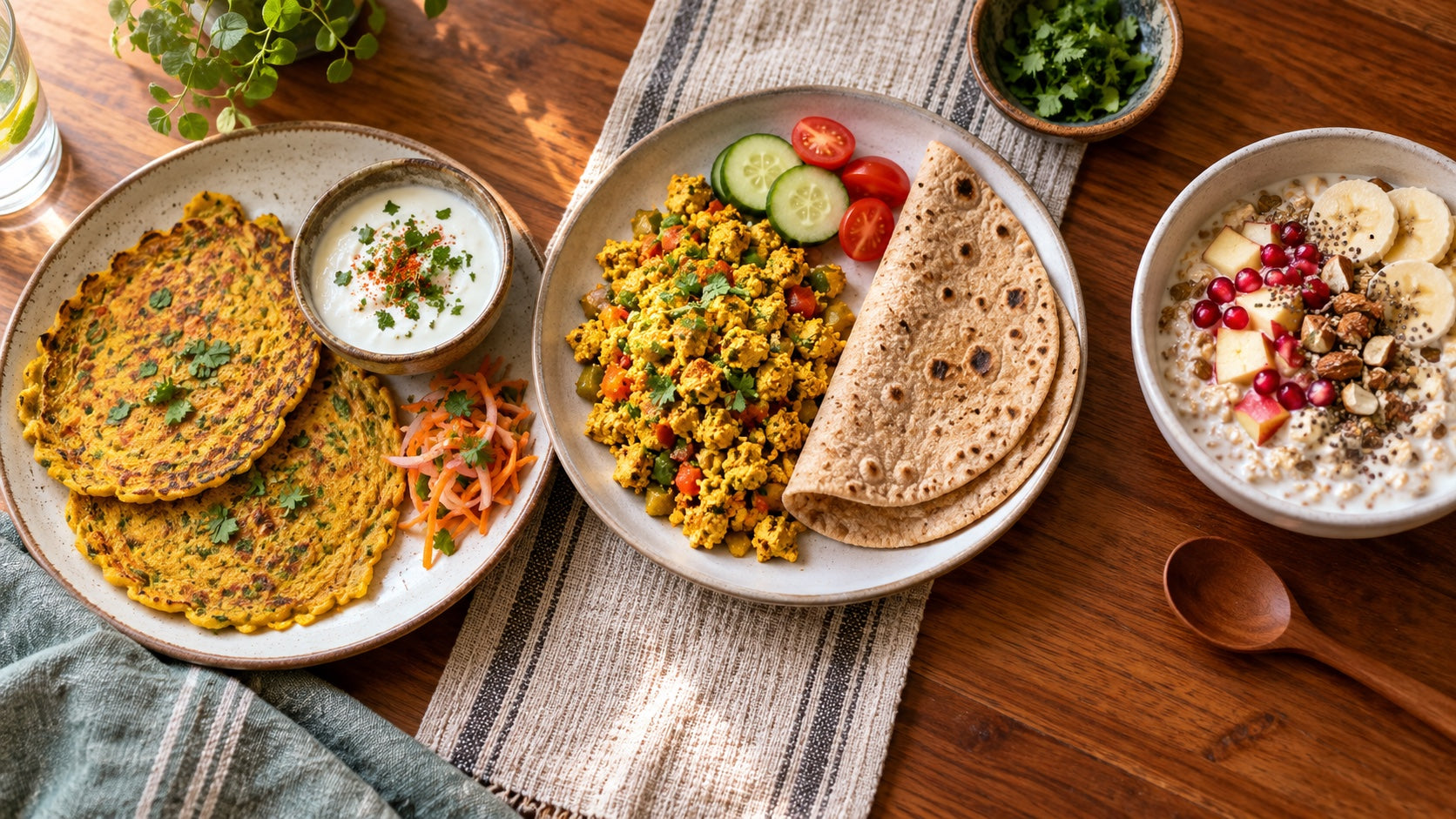
High-protein Indian meals start with a clear protein source, then build around the rice, roti, vegetables and flavours you already enjoy. Dal, beans, tofu, paneer, curd, eggs, fish and chicken can all have a place, according to your diet.
Convenient products can help with the parts of the day that are harder to organise. One Science Nutrition High Protein Oats offers a measured breakfast base, while One Science Nutrition Pea Protein can fill a protein gap when preparing another dish is impractical. Keep the meals varied and use those products for a specific purpose.
Build the meal around the protein-containing food
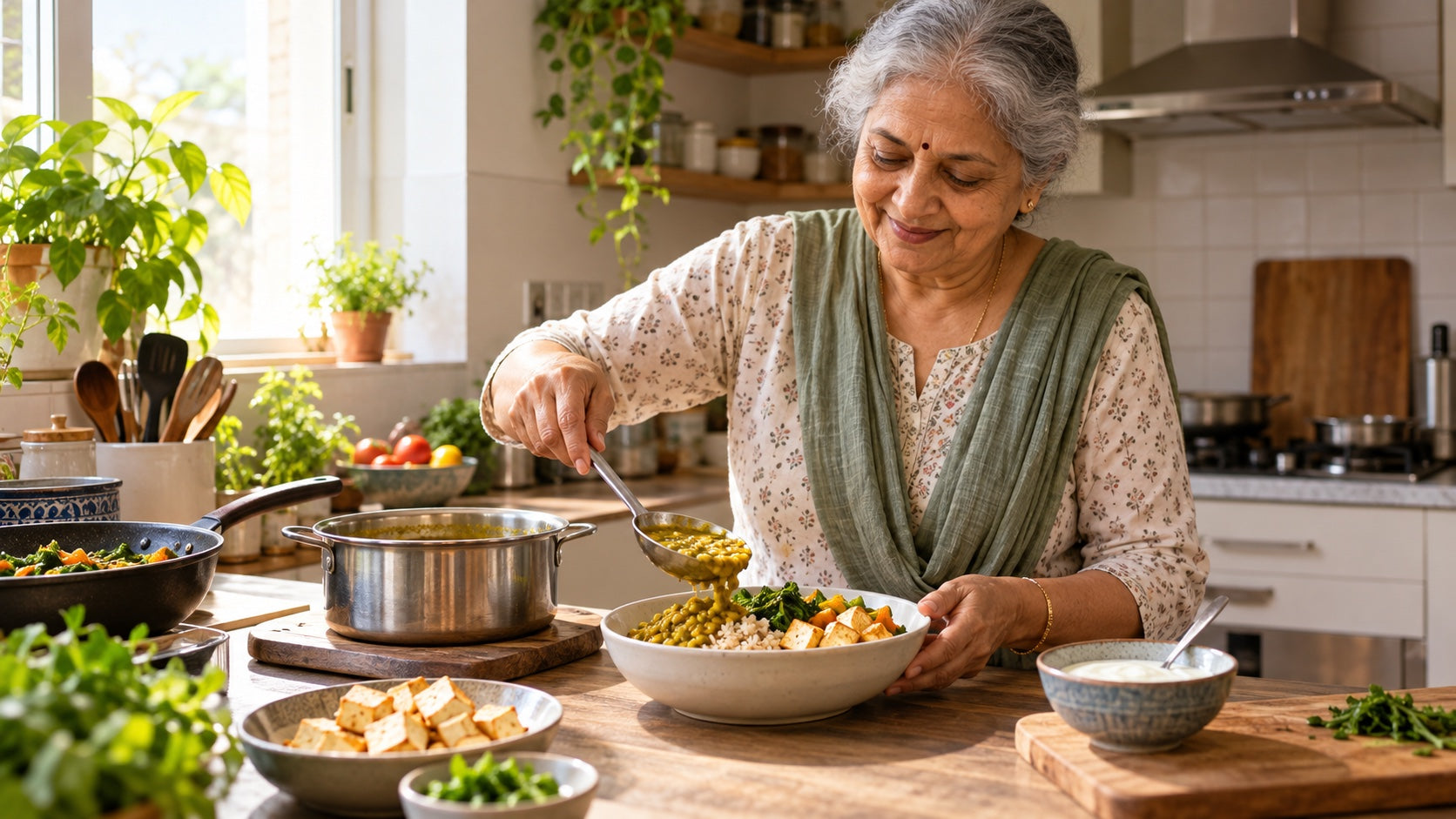
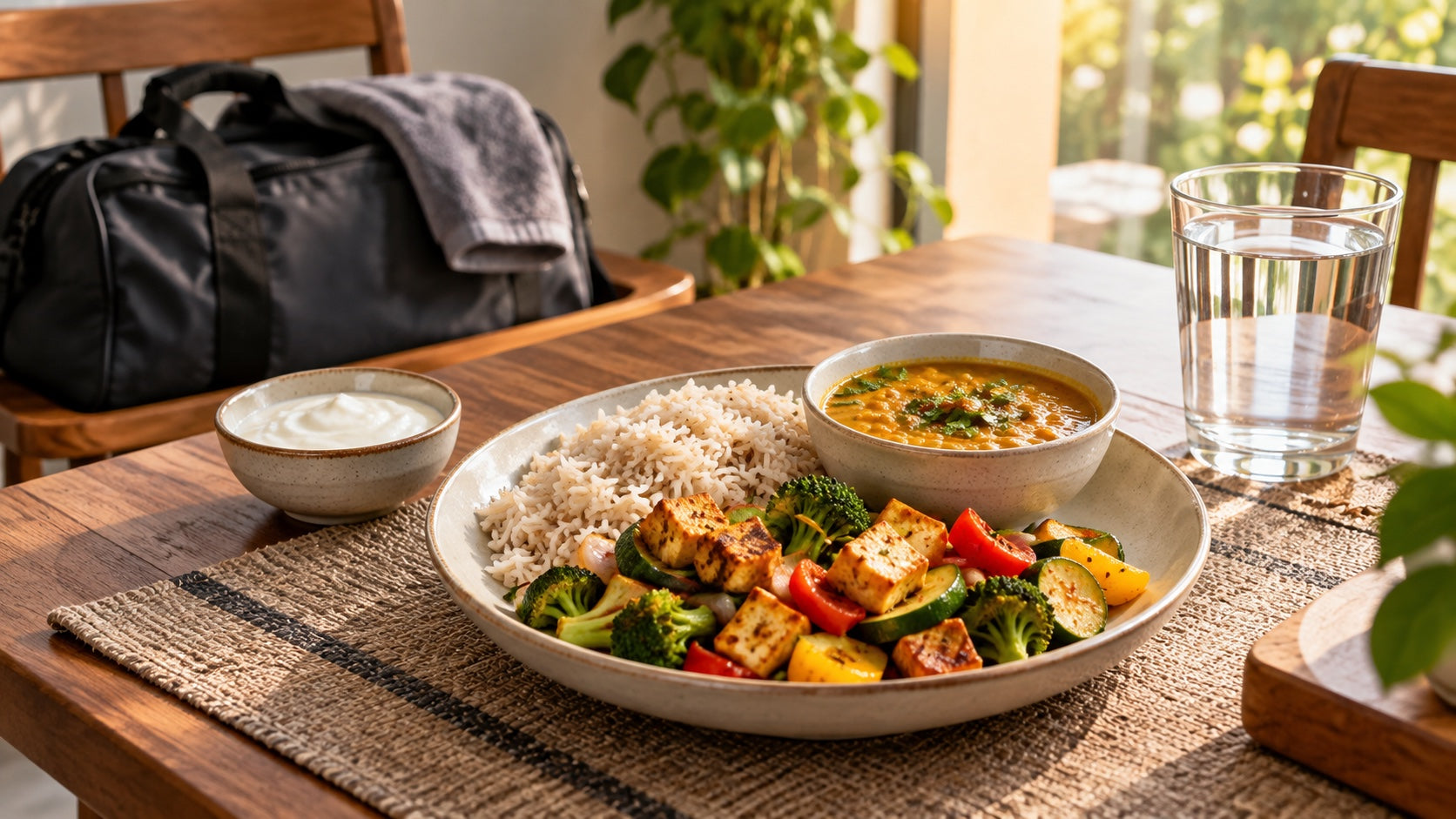
Look at the plate you usually eat. A large rice portion with a spoonful of thin dal is different from a meal with a substantial dal portion, vegetables and curd. The dish name alone does not tell you how much protein it supplies.
Start by choosing the protein-containing food. Add your preferred grain or starchy food, vegetables and suitable sides. The NHS Eatwell Guide also places protein foods within a varied eating pattern, rather than asking one food to provide everything.
Use these combinations as starting points. Your portions, ingredients and preparation determine the final nutrition.
Six lunch and dinner combinations
1. Rajma, rice and cucumber curd
Give the rajma a proper place on the plate, with rice and vegetables alongside. Curd adds another protein-containing food if you eat dairy. For a dairy-free version, use tofu or another suitable side.
2. Paneer bhurji, roti and sabzi
Make paneer the main ingredient in the bhurji, with onion, tomato and spices for flavour. Add roti and cooked vegetables. Choose a portion that fits your overall needs; adding more oil or butter also changes the meal's energy.
3. Tofu curry, rice and greens
Use tofu pieces in a familiar tomato, palak or mixed-vegetable curry. This gives a plant-based meal a clear protein component without requiring a new style of cooking.
4. Dal-rich khichdi with a useful side
The rice-to-dal balance makes a difference. Include enough dal for it to be a meaningful part of the dish, then consider plain curd, tofu or eggs as a side according to your preferences.
5. Egg bhurji, roti and a vegetable dish
Eggs can be the main protein-containing food. Add roti or rice and vegetables, rather than treating a few eggs as the entire meal. For a vegetarian alternative, use paneer or tofu bhurji.
6. Fish or chicken curry with rice and vegetables
Keep the fish or chicken portion clear, with enough food around it for the meal you need. Curry gravy, cooking fat and accompaniments all contribute to the finished plate.
Make breakfast easier with One Science Nutrition High Protein Oats
One Science Nutrition High Protein Oats in Dark Chocolate provides 13.3 g protein per 50 g dry serving, with 207 kcal and 4.1 g fibre. It offers a convenient starting point when breakfast otherwise becomes tea and whatever is nearest.
Prepare One Science Nutrition High Protein Oats according to the purchased pack's instructions. Suitable milk, curd or other sides can change both the protein and energy of the finished meal. Fruit can add variety. Include those additions if you track your intake. For more morning choices, see our high-protein Indian breakfast ideas.
One Science Nutrition High Protein Oats contains soy and almonds and provides 4.5 g added sugar per 50 g dry serving. Choose it for a breakfast format you will use, with the full ingredient information in view.
Fill a busy-day gap with One Science Nutrition Pea Protein
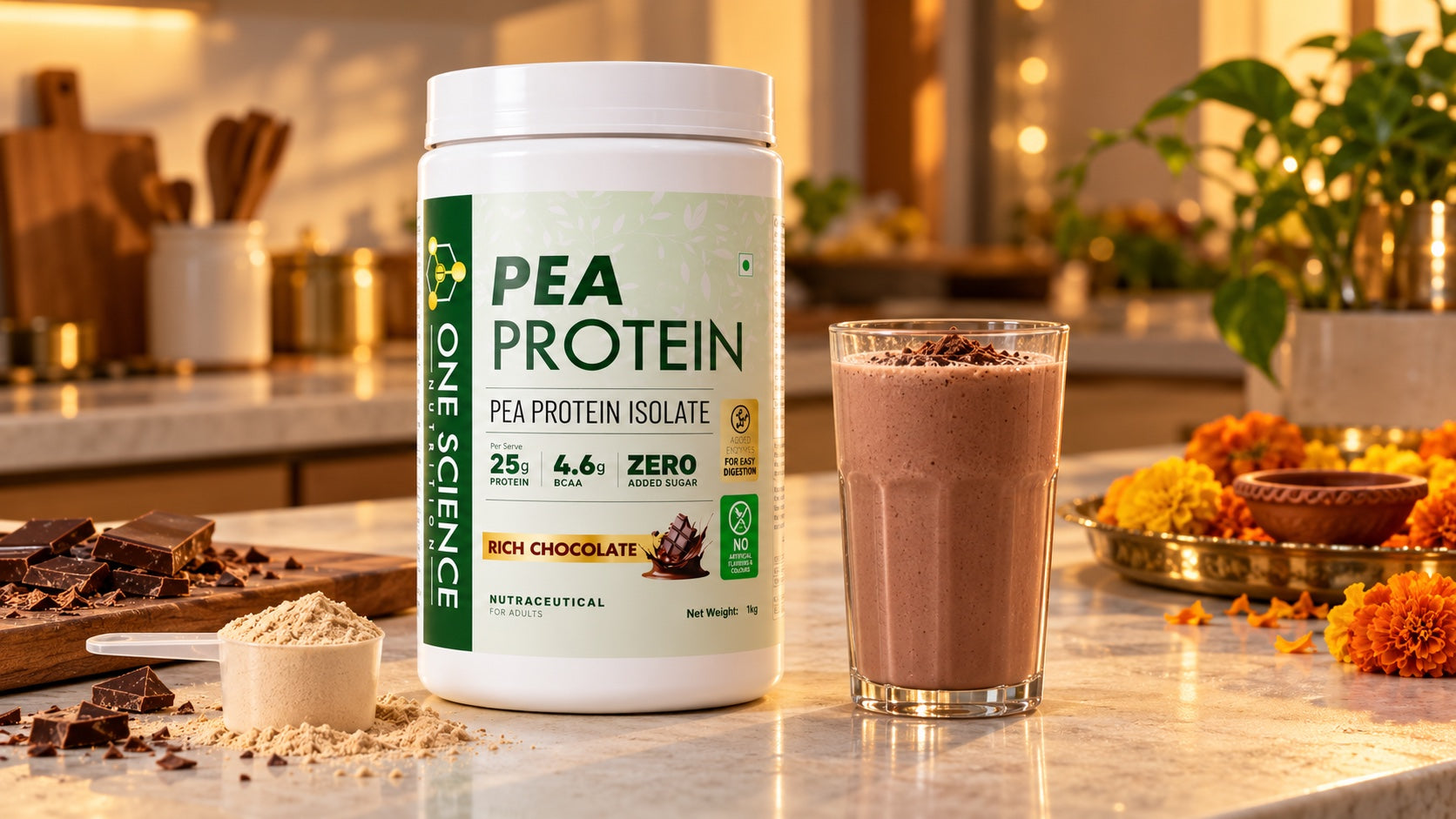
One Science Nutrition Pea Protein supplies 25 g protein per 40 g serving, with 154.52 kcal and 5 g fibre. It can help when your planned meals still leave a protein gap and another cooked dish is inconvenient.
Choose One Science Nutrition Pea Protein as a pea-based protein option to fit around regular food. Rich Chocolate, Iced Coffee and Unflavoured are listed choices. Follow the selected flavour's directions and check its complete ingredients and allergens.
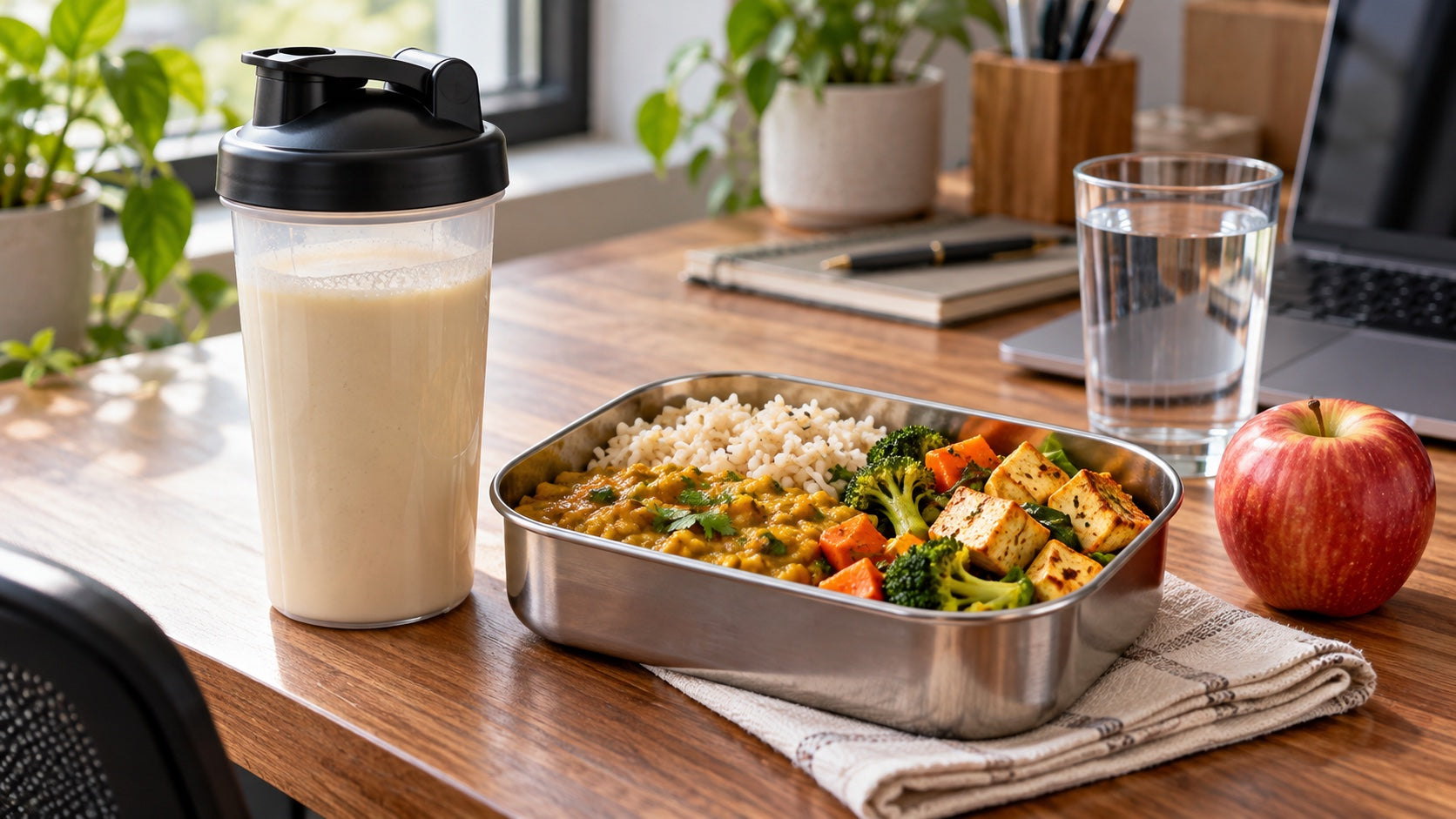
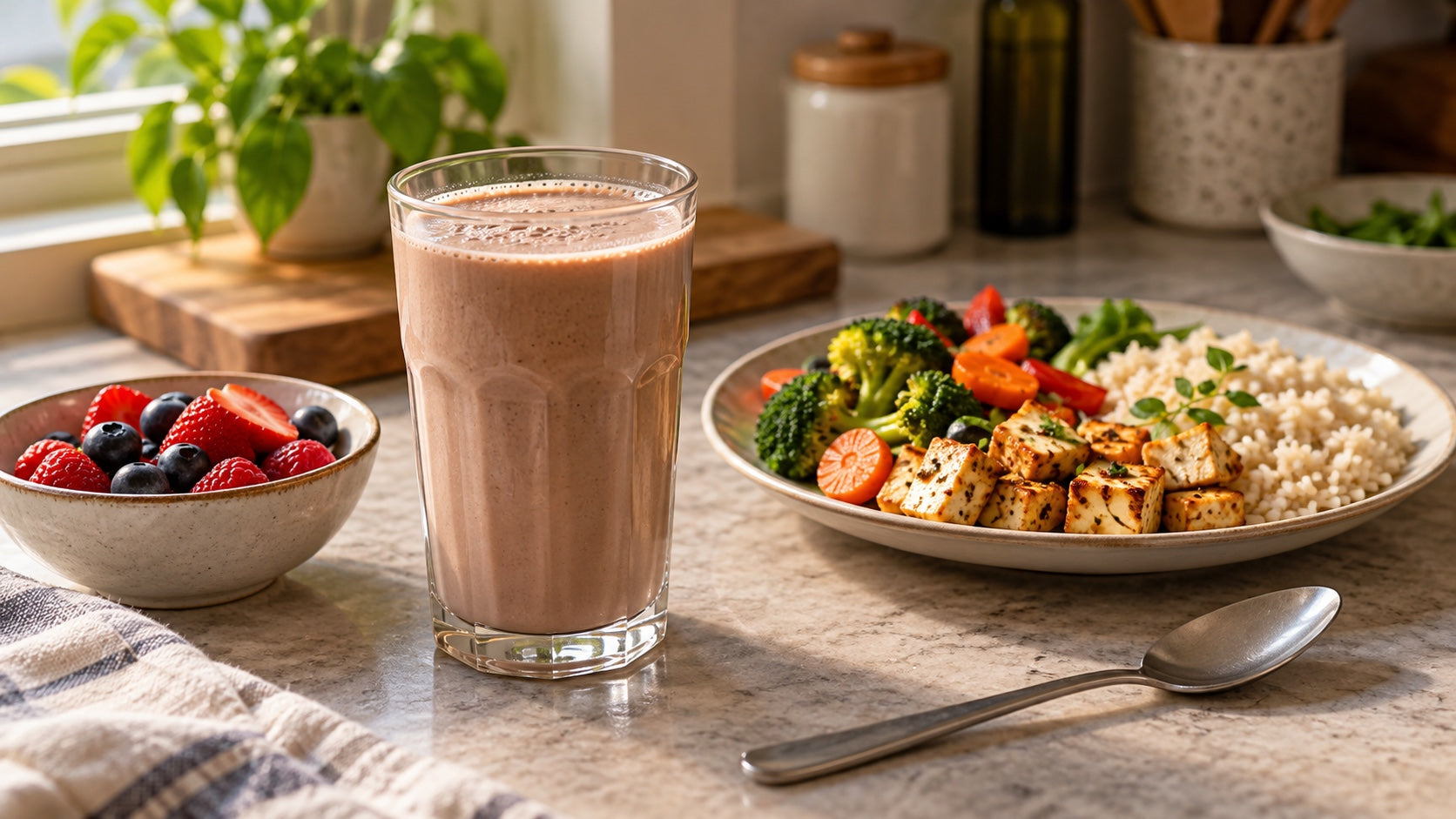
The drink supports a meal plan; it does not provide the same range of foods as the plates above. You can use One Science Nutrition Pea Protein for the protein portion you need while keeping dal, vegetables, fruit, grains and other useful foods in the day.
Prep two useful components, then vary the plate
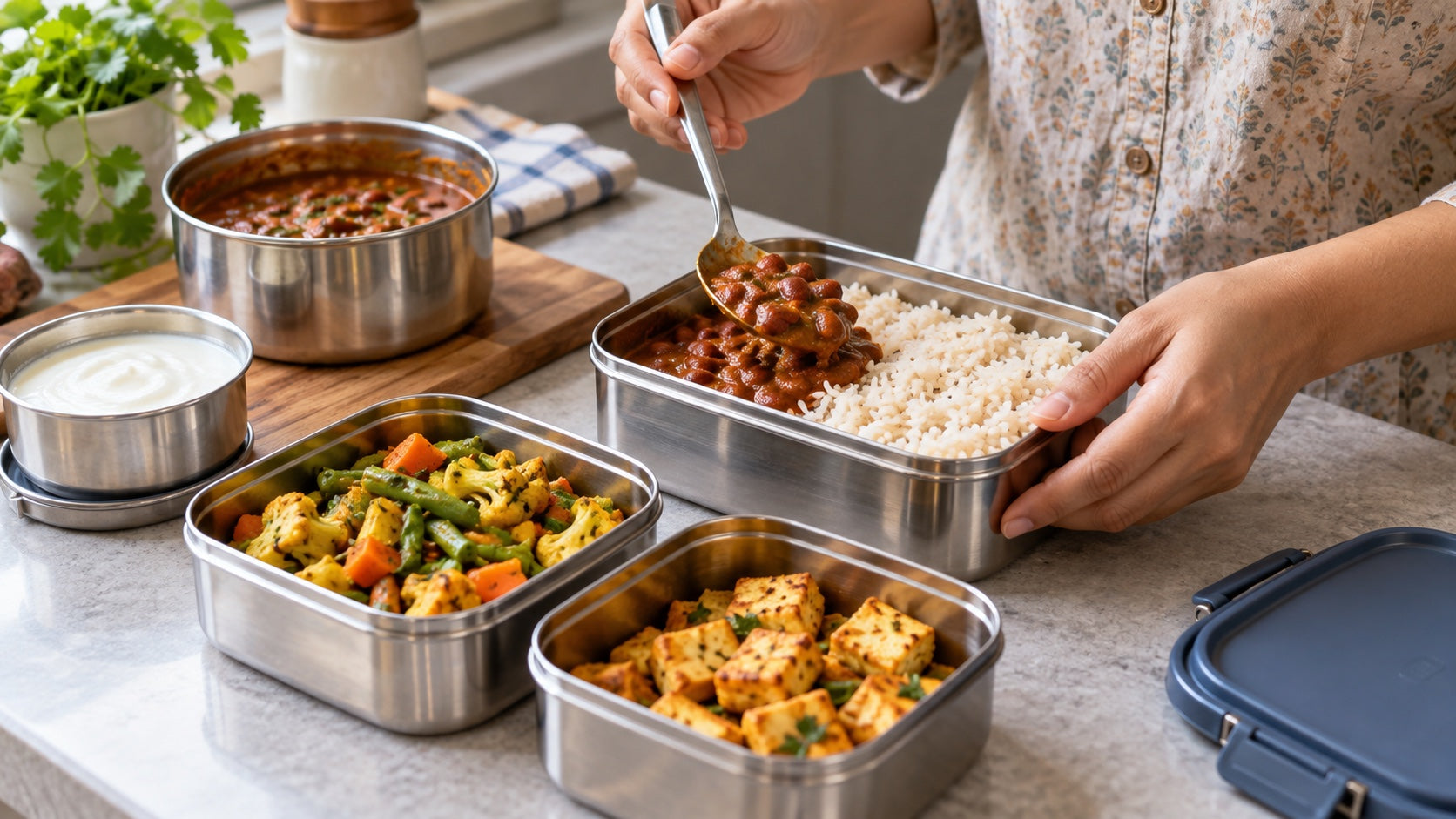
Cook a dal or bean dish and prepare a second protein-containing option, such as tofu, paneer or eggs. Use different vegetables, spices and grain portions to make the meals feel different. Follow safe storage and reheating practices.
For the parts of the routine that need convenience, explore One Science Nutrition High Protein Oats for breakfast or One Science Nutrition Pea Protein for a separate protein portion. Choose the route that helps your actual week work.