Protein helps support muscle maintenance as you get older, particularly alongside suitable strength and resistance exercise. Ageing can also bring changes in appetite, chewing, food preparation and health that make eating enough more difficult.
For someone whose meals leave a protein gap, One Science Nutrition Premium Whey or One Science Nutrition Pea Protein can provide a convenient measured portion. Choose a supplement only when it fits the person's food intake, preferences and health needs. It is not a treatment for frailty or a substitute for a full nutritional assessment.
Start with everyday function
Think about the activities that matter: getting out of a chair, carrying shopping, climbing stairs and continuing to do the things you enjoy. Muscle is part of that picture. Food and appropriate activity support it together.
Protein supplies amino acids used to maintain and repair tissues. The body's muscle response to food can become less sensitive with age, which is one reason nutrition experts pay attention to both adequate intake and exercise in older adults.
Extra protein on its own does not guarantee better strength. A suitable activity programme, enough overall food, health care and consistent eating remain part of the plan.
How much protein do older adults need?
The 2022 ESPEN practical guideline for nutrition in older people, led by Dorothee Volkert and colleagues, recommends at least 1 g protein per kg body weight daily, with individual adjustment. Its discussion notes 1.0 to 1.2 g/kg/day as a suggested range for healthy older people.
As an illustration, that range works out to 60 to 72 g daily for a 60 kg person. This is an example of the guideline calculation, not an individual prescription. Illness, nutritional status, activity and tolerance can change what is appropriate.
Kidney disease needs particular care. National Kidney Foundation guidance explains that the amount of protein needed can differ with the stage of kidney disease and whether someone receives dialysis. Do not apply a higher-protein target without the treating team's advice.
Look at breakfast before buying another tub
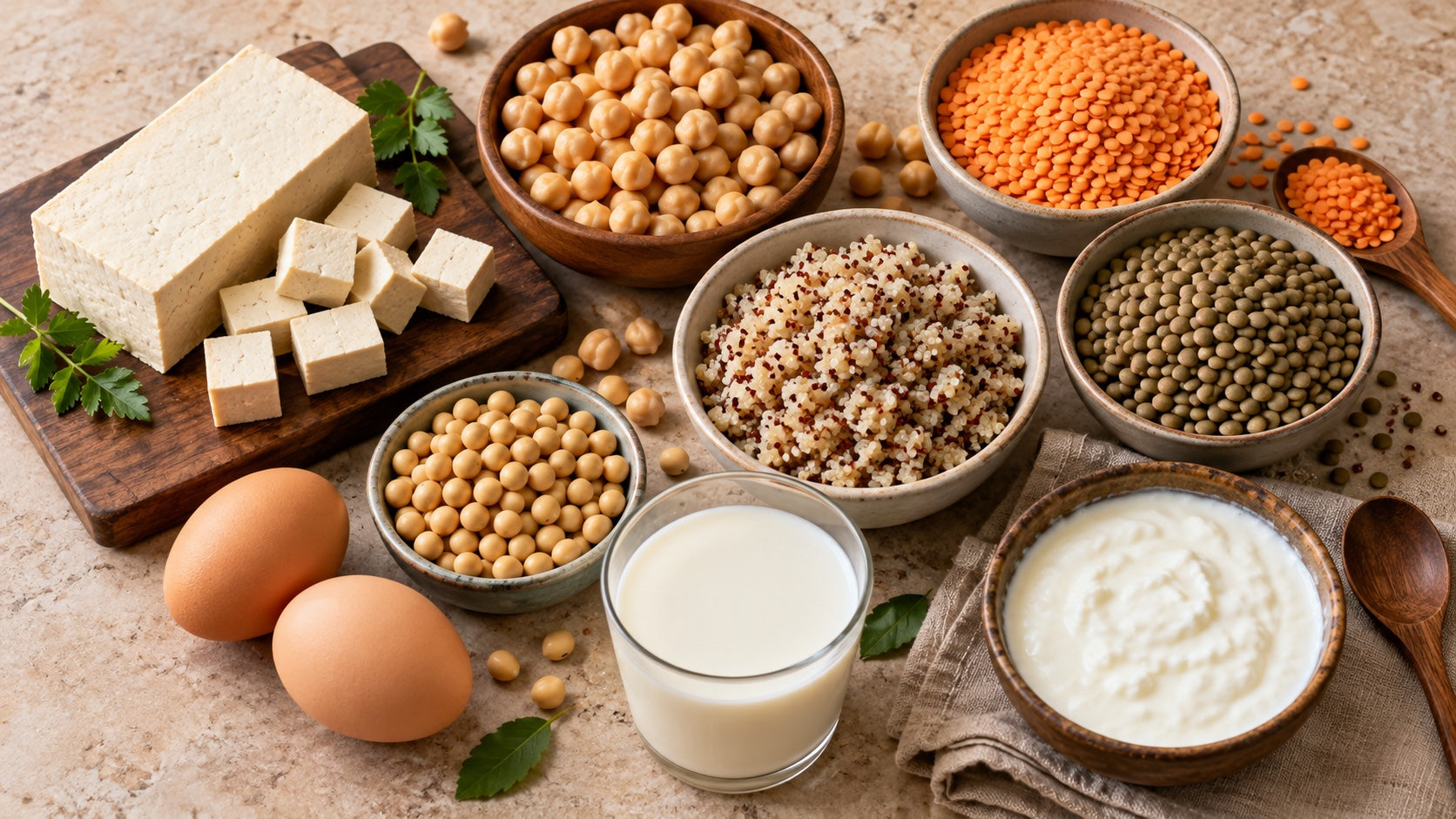
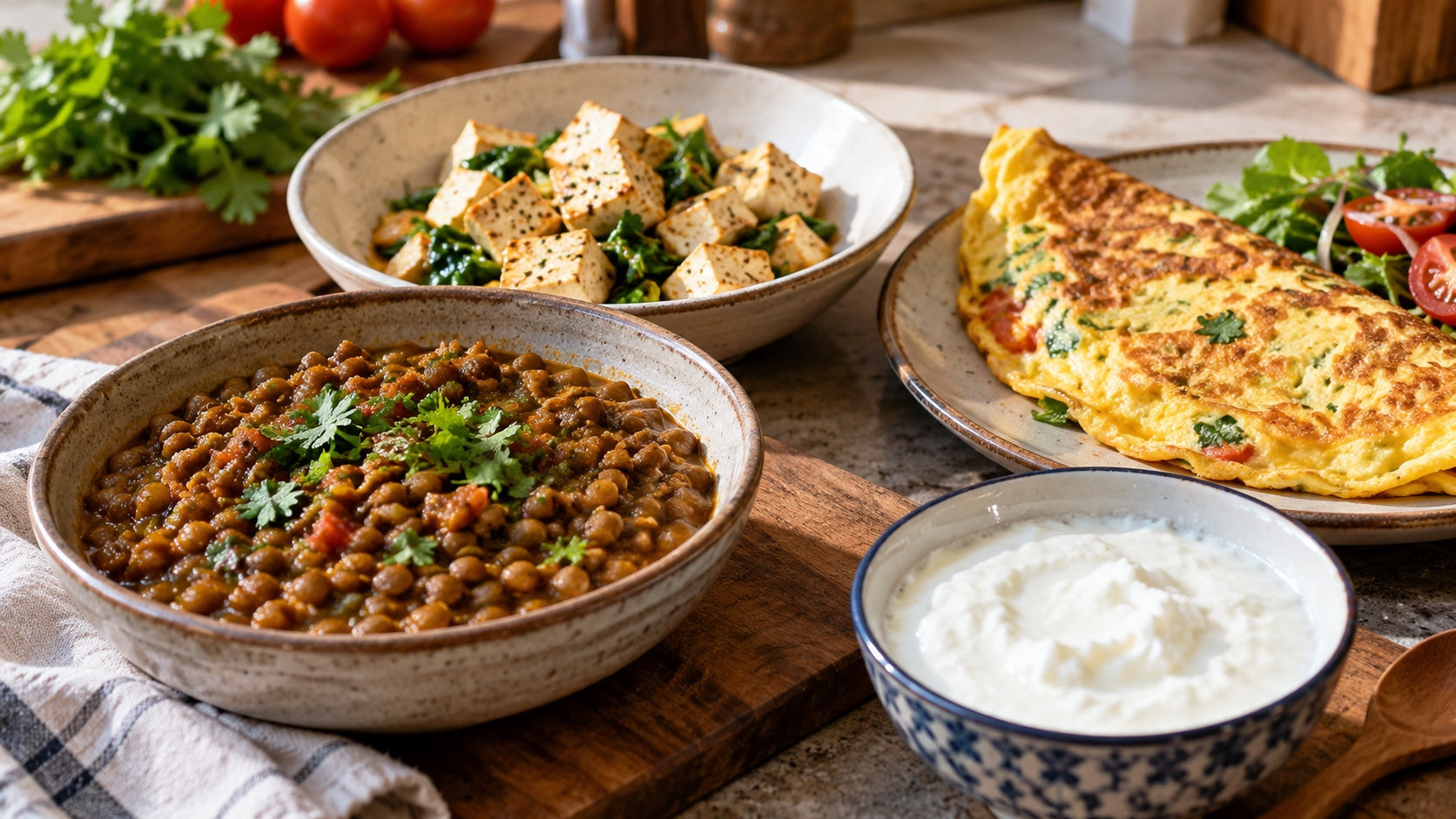
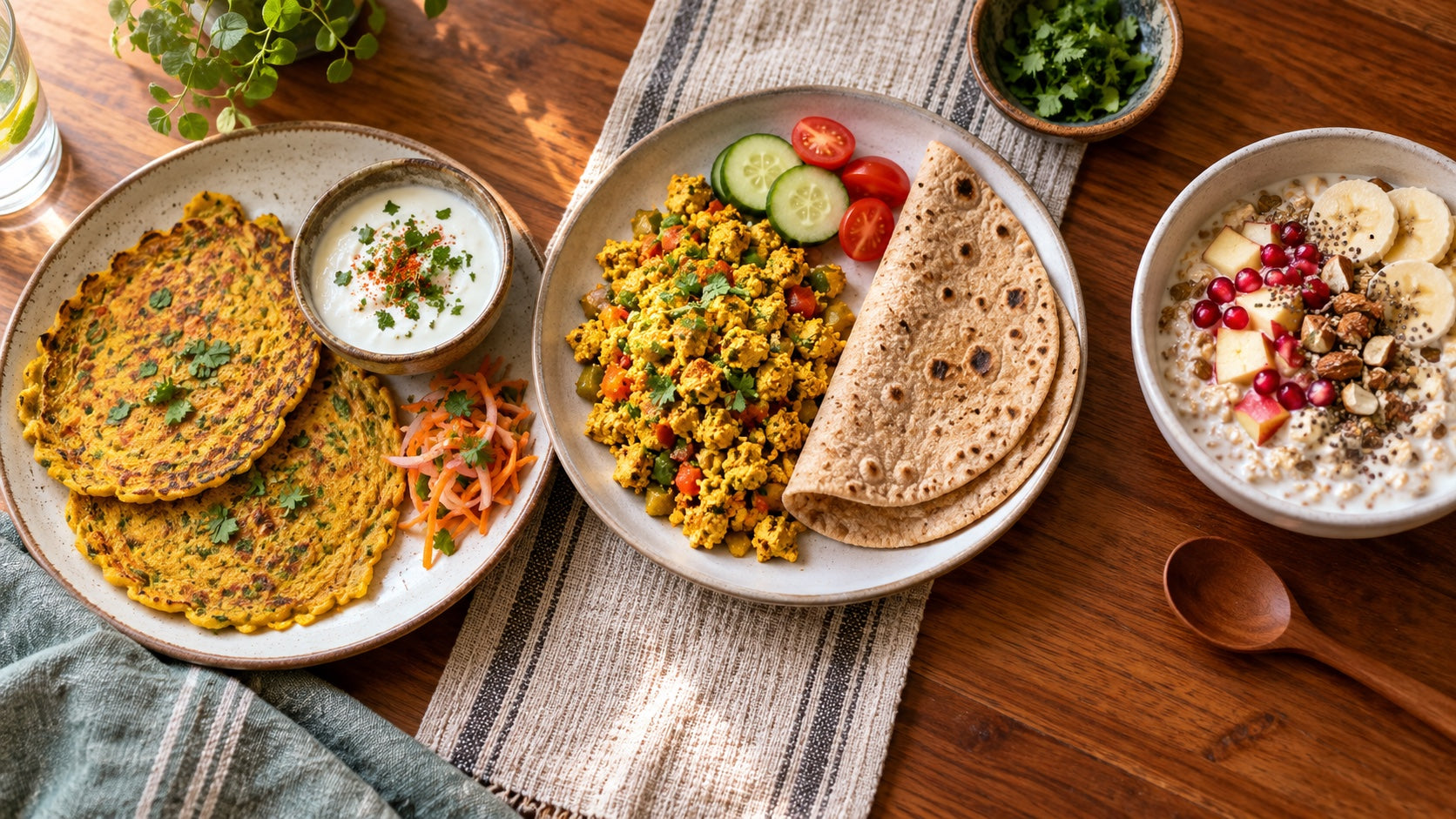
If breakfast is only tea and toast and lunch is frequently missed, the first step may be to improve those meals. Options include curd, milk, eggs, dal, tofu, paneer, fish or chicken, according to diet and tolerance.
Spread useful protein-containing foods through the day rather than leaving all of them for dinner. Smaller meals and suitable snacks can be easier to manage when appetite is limited. Enough energy matters too; replacing food with a low-calorie drink can make an already small intake smaller.
When One Science Nutrition Premium Whey can fit
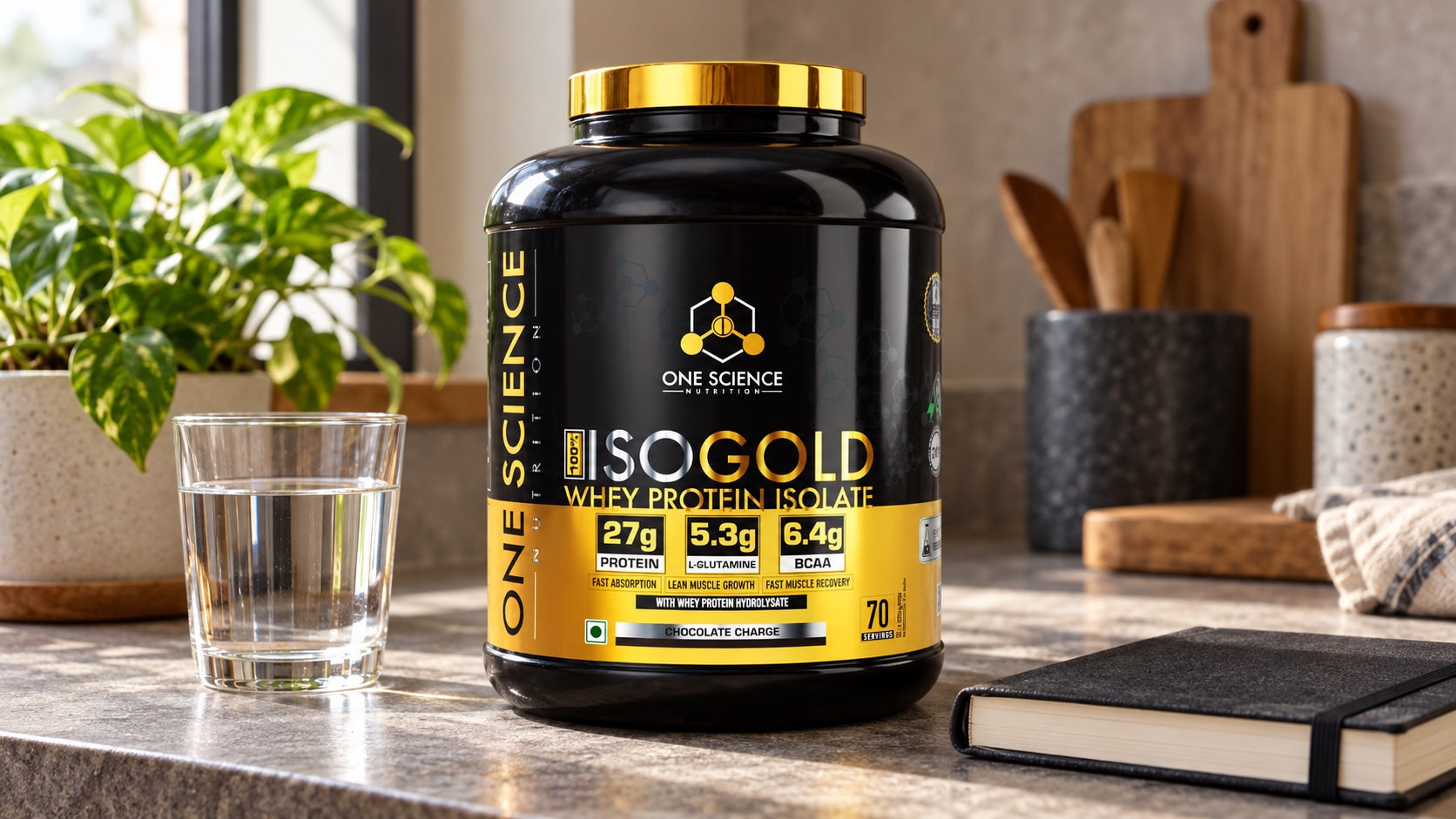
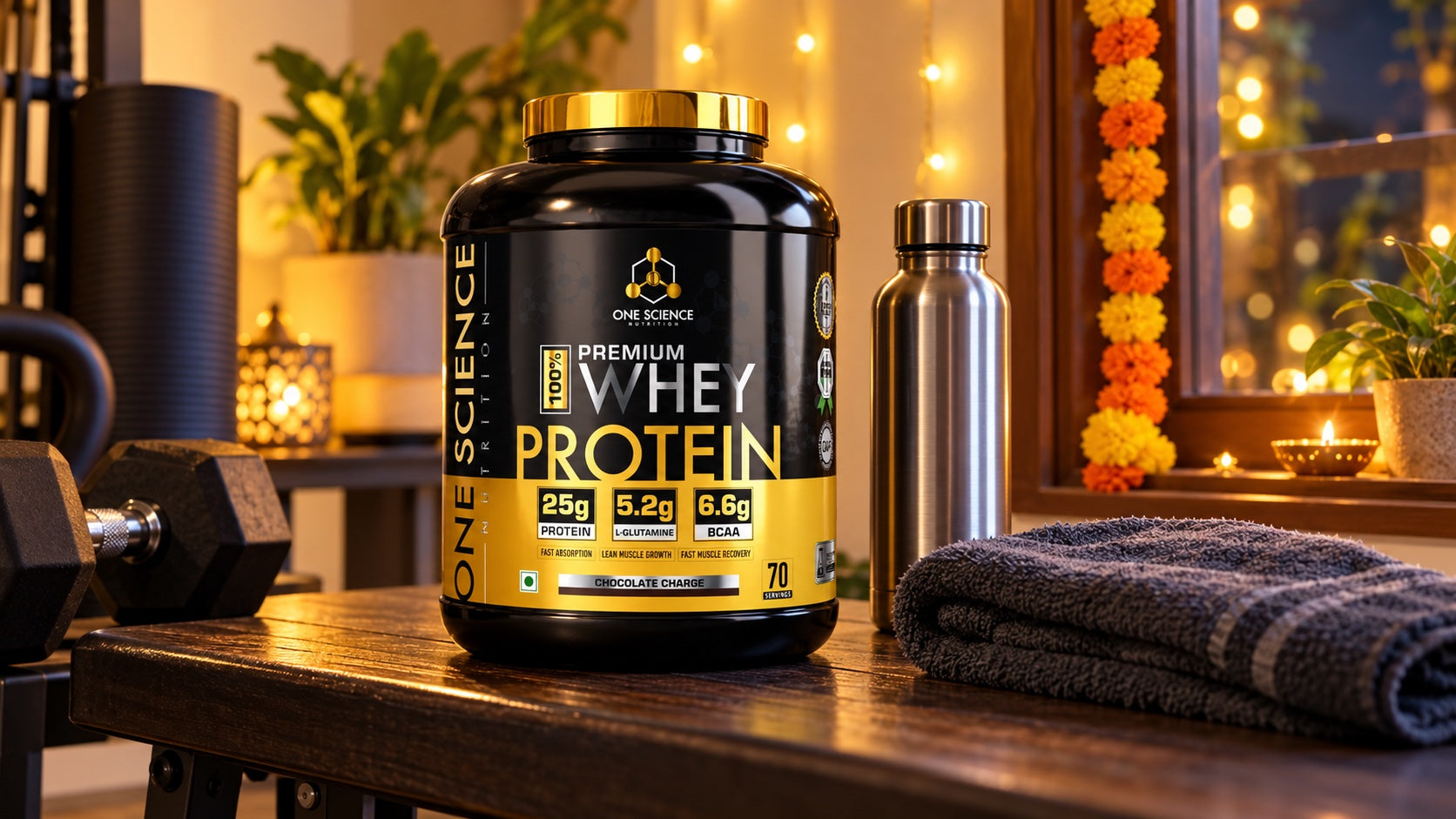
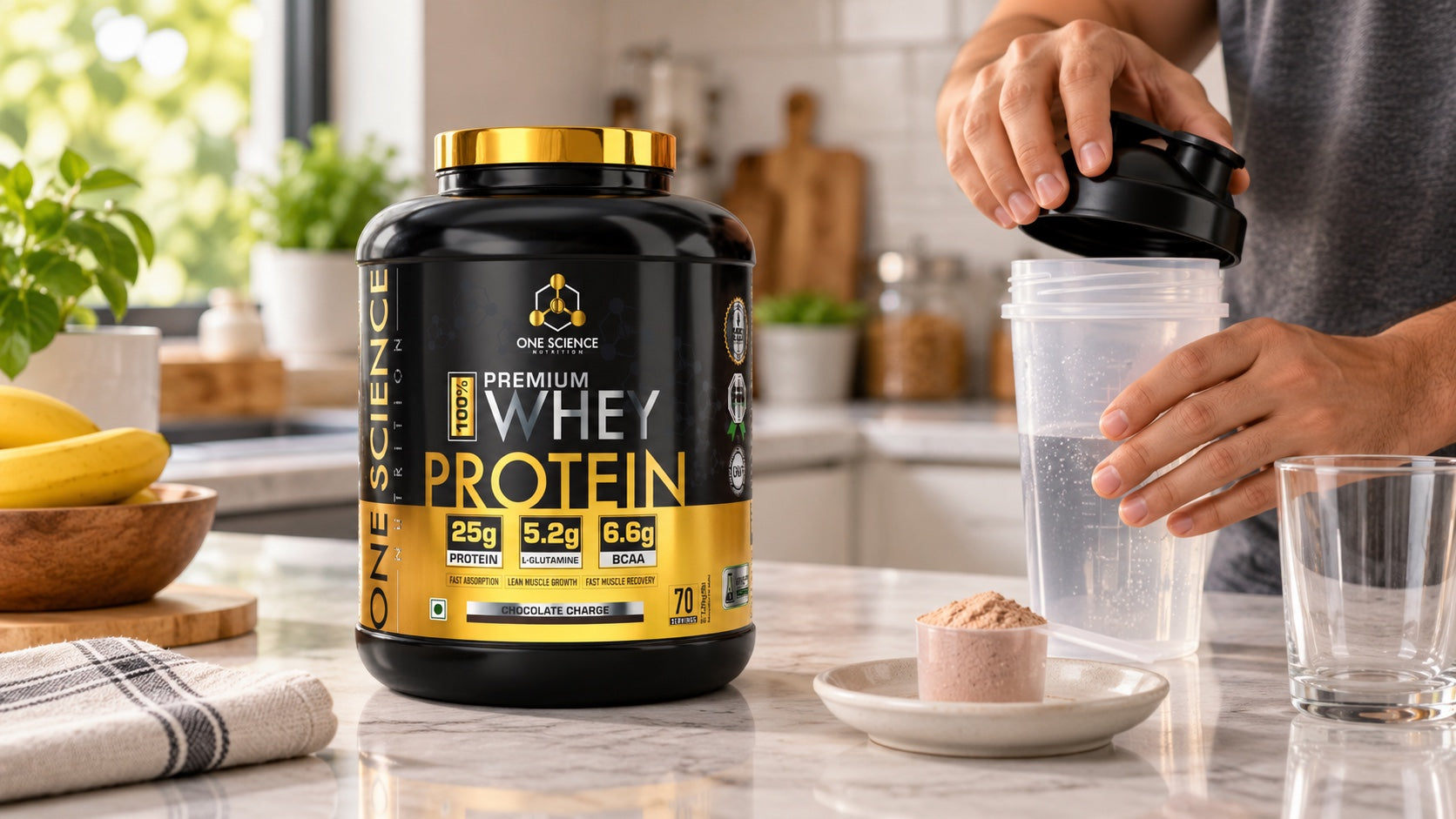
One Science Nutrition Premium Whey offers a milk-derived protein option. Its Chocolate Charge serving provides 25 g protein per 32.5 g powder, with 117 kcal, from a concentrate-and-isolate blend.
If a suitable eating plan still leaves a protein gap, One Science Nutrition Premium Whey gives you a measured amount to discuss with the person's dietitian or clinician. Prepare it according to the pack directions and include any milk or additions in the finished nutrition.
One Science Nutrition Premium Whey contains milk and soy and is unsuitable for milk allergy. It is not recommended for children or during pregnancy or breastfeeding. A clinician may recommend a different type of nutrition supplement if malnutrition is a concern.
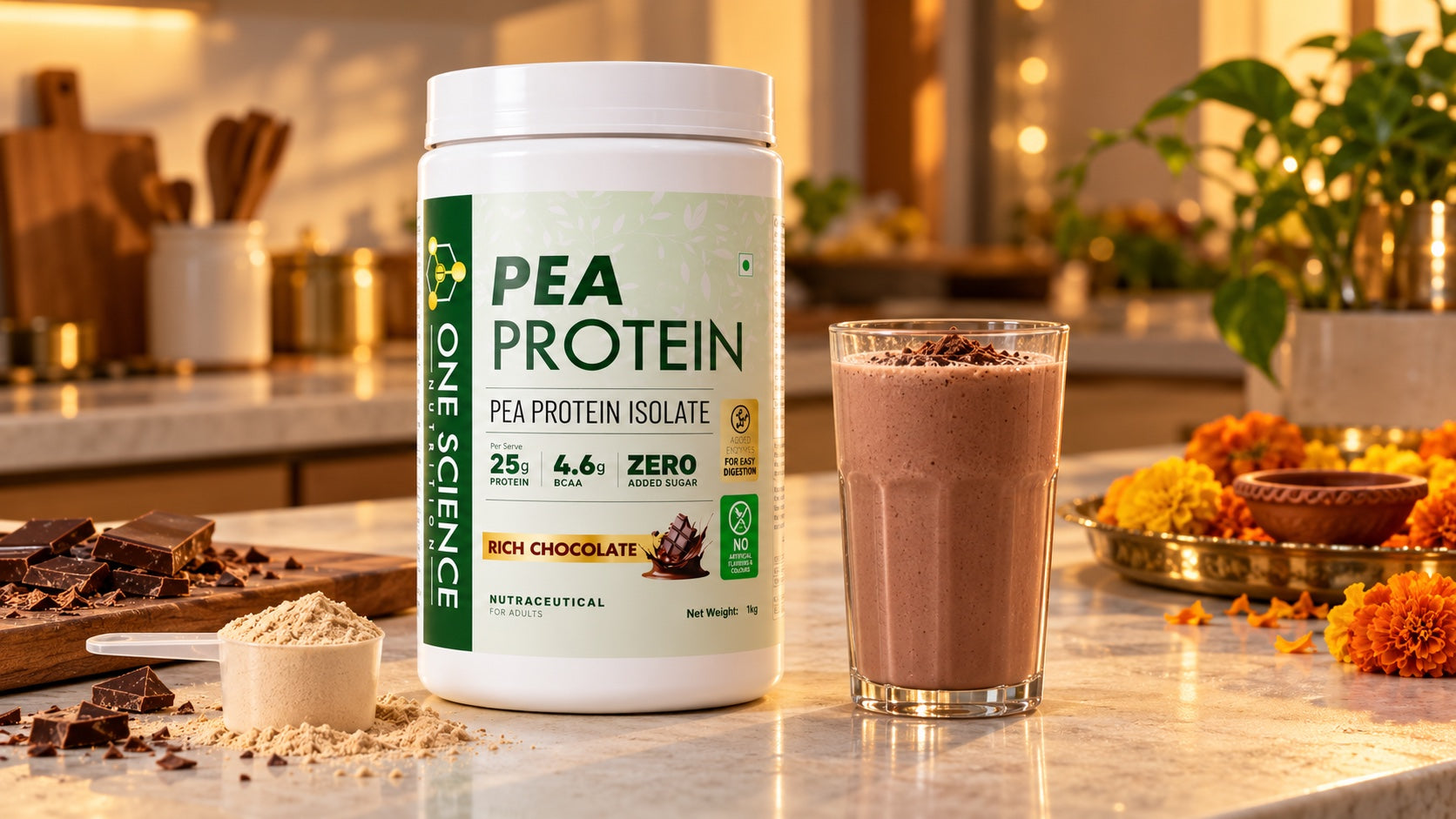
A pea-based choice: One Science Nutrition Pea Protein
One Science Nutrition Pea Protein provides 25 g protein in a 40 g serving, alongside 154.52 kcal and 5 g fibre. It offers a different protein source when pea protein suits the person's preferences and dietary plan.
Choose a flavour of One Science Nutrition Pea Protein that the person enjoys, and prepare it according to the pack directions. Check the full ingredients and allergen information for that flavour; a plant-derived ingredient does not mean every finished product suits every allergy.
One Science Nutrition Pea Protein is also a protein supplement to fit around food. It is not a complete diet or a product-specific treatment for age-related muscle loss.
When eating difficulties need more than a shake
Unintentional weight loss, a persistent loss of appetite, weakness that affects daily life, or difficulty chewing or swallowing deserves assessment. Our guide to persistent protein shortfalls explains why symptoms need context. Swallowing problems need individual advice on food and drink texture; a thin protein drink is not automatically the right answer.
If you are choosing for a parent or relative, include them in the decision. Ask about flavour, texture, preparation and what they will actually use. For an agreed protein gap, compare One Science Nutrition Premium Whey and One Science Nutrition Pea Protein with the health professional helping to plan their intake.