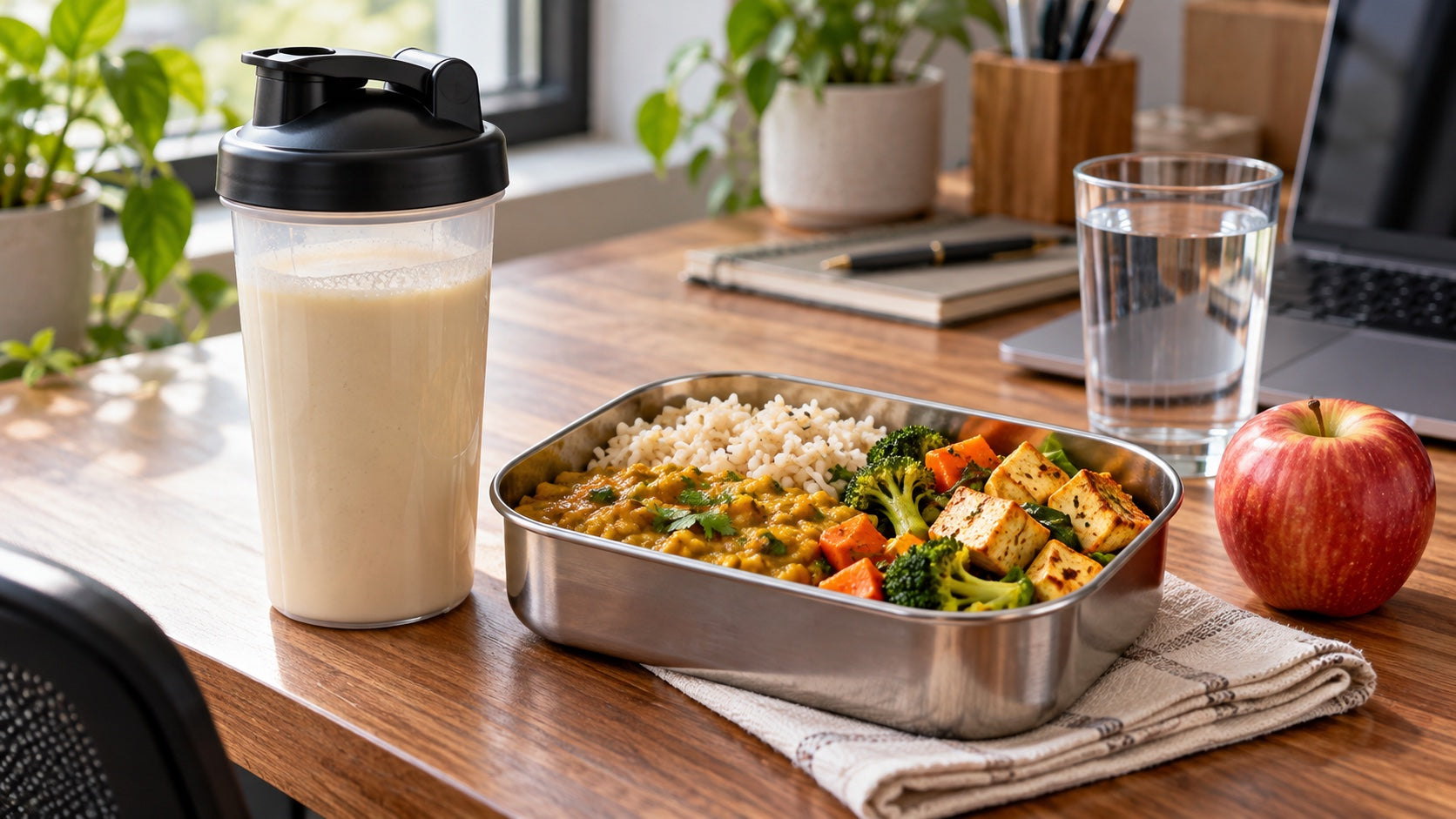
A high-protein diet should make your meals more useful, not shrink your food choices to chicken, paneer and shakes. It means eating an appropriate amount of protein within a varied diet that still provides carbohydrate, fats, fibre, fruit and vegetables. The right amount depends on your needs.
Convenient products can help that plan stay realistic. One Science Nutrition High Protein Oats gives breakfast a prepared protein-containing option, while One Science Nutrition ISO Gold offers a concentrated whey serving when another meal is difficult to arrange. They serve different purposes. You do not need to use both every day.
What counts as a high-protein diet?
There is no single menu that earns the name. A diet may be described as higher in protein because of the amount eaten per kilogram of body weight or the share of daily energy coming from protein. Those descriptions are not interchangeable with a personal recommendation.
Begin with your goal and usual intake. A healthy adult training regularly may need a different plan from a less active adult, and a person with kidney disease needs specific clinical guidance. Copying a gym friend's food quantity ignores those differences.
Write down a few ordinary days before changing anything. Include drinks, snacks and weekend meals. You may discover that the problem is an almost protein-free breakfast, a lunch without a substantial protein food, or long gaps caused by work. Fixing that pattern is more useful than buying several supplements at once.
The benefits worth planning for
Protein supplies amino acids used for muscle and other body proteins. Alongside resistance training, adequate intake supports muscle maintenance and growth. It also plays a role in enzymes, transport proteins and many other normal functions. Muscle size is only one part of the story.
Protein-containing meals can help with fullness, although appetite varies between people and meals. A meal's volume, fibre, texture and overall energy matter too. Adding protein does not make its calories disappear or guarantee weight loss.
Registered dietitian Julia Zumpano's protein-food guidance at Cleveland Clinic emphasises looking beyond protein grams to the food's wider nutrition. That is a useful way to build a high-protein diet: improve the meals as a whole, including their fibre, fats and variety.
Build around foods you already eat
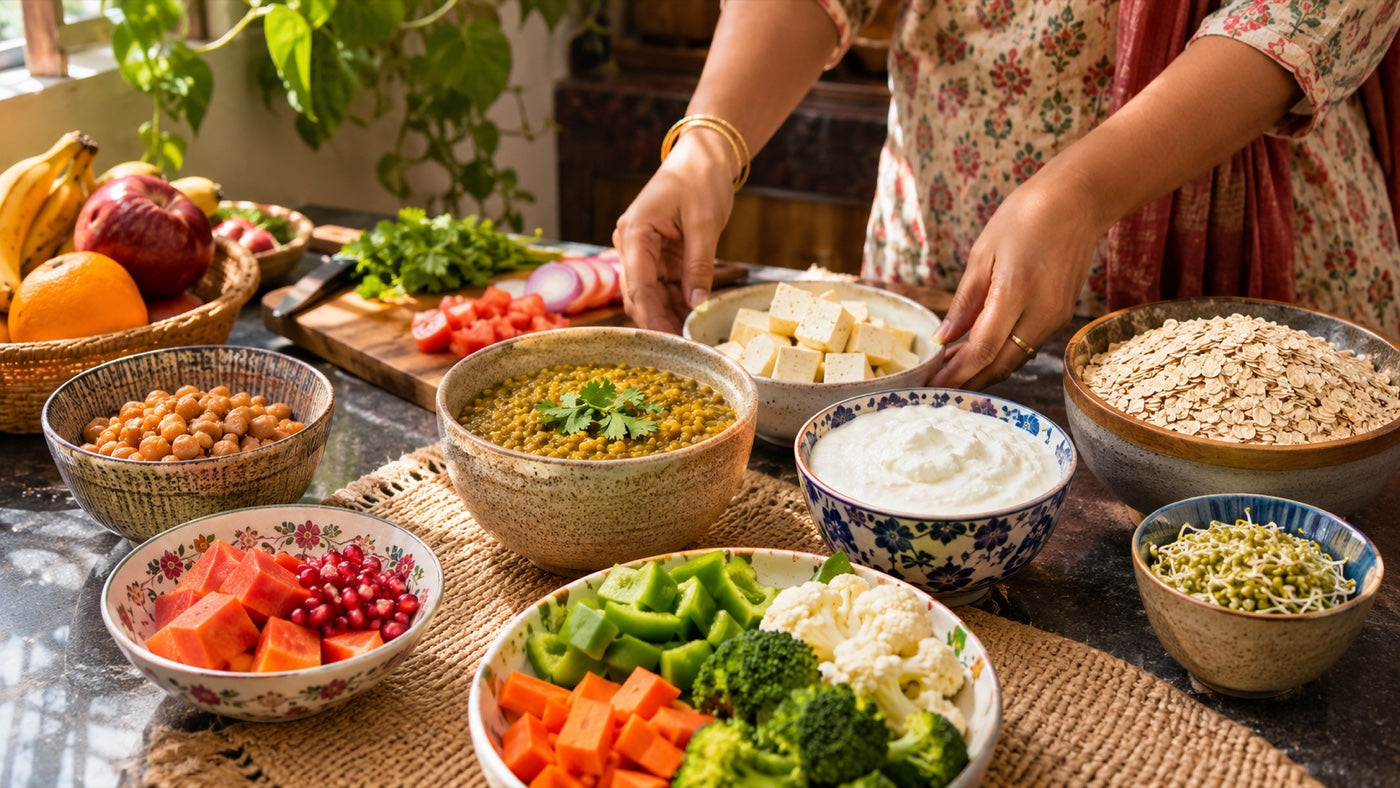
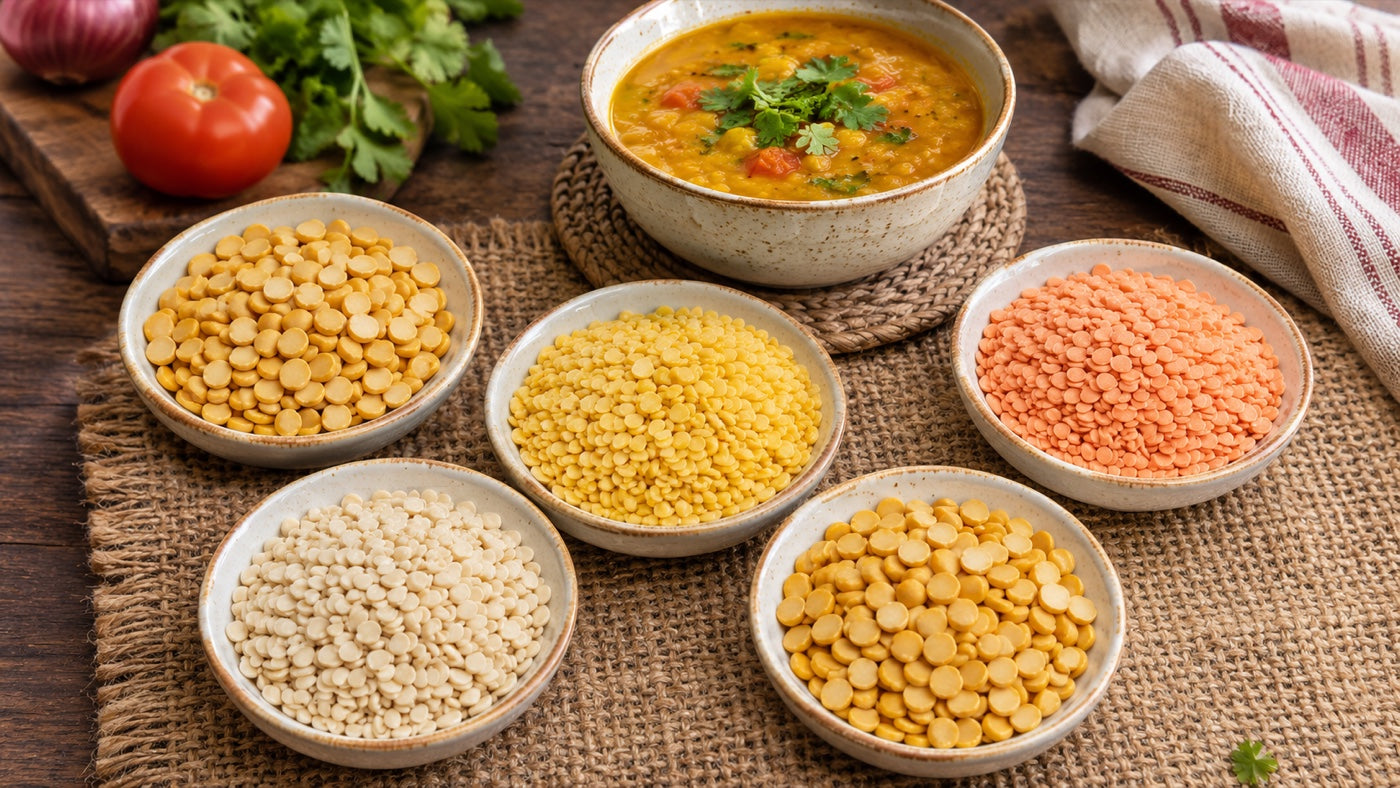
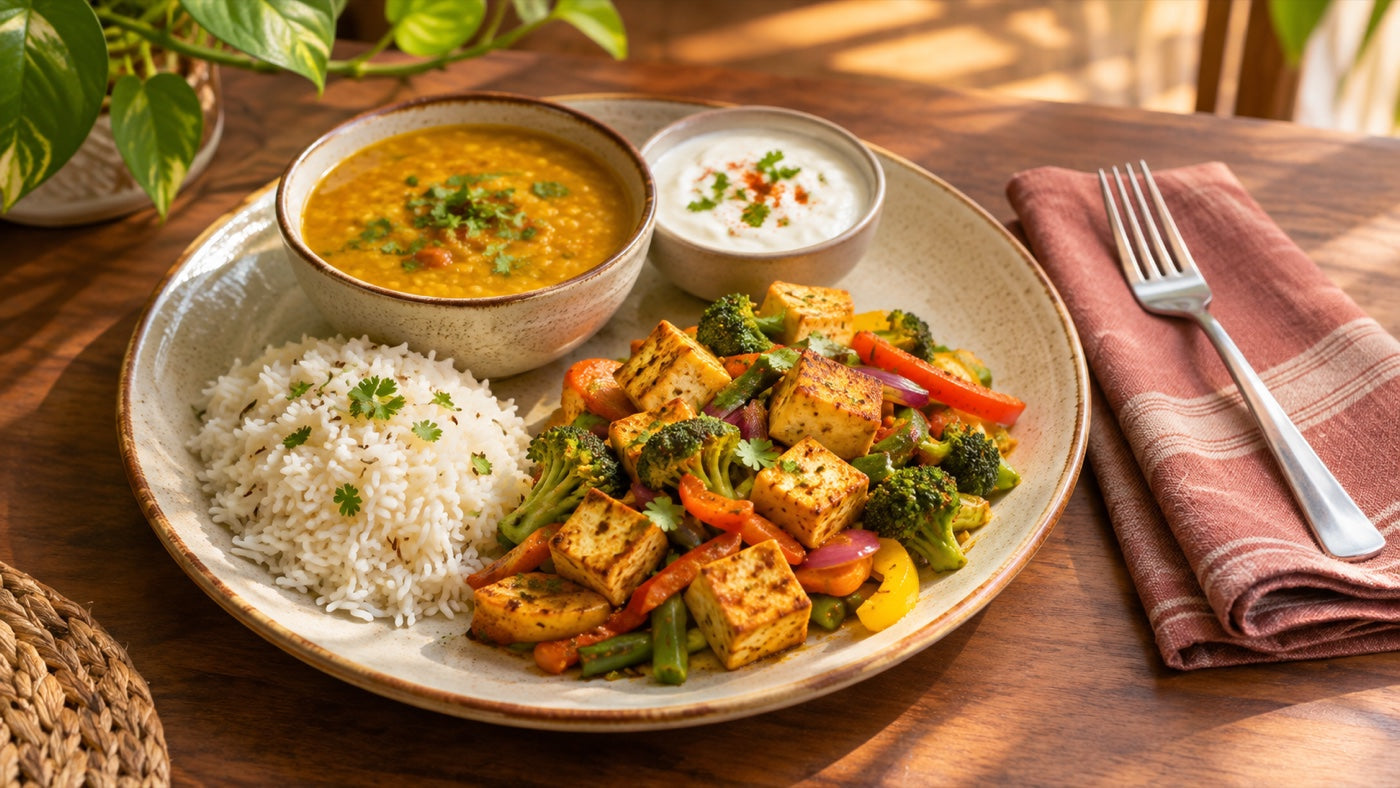
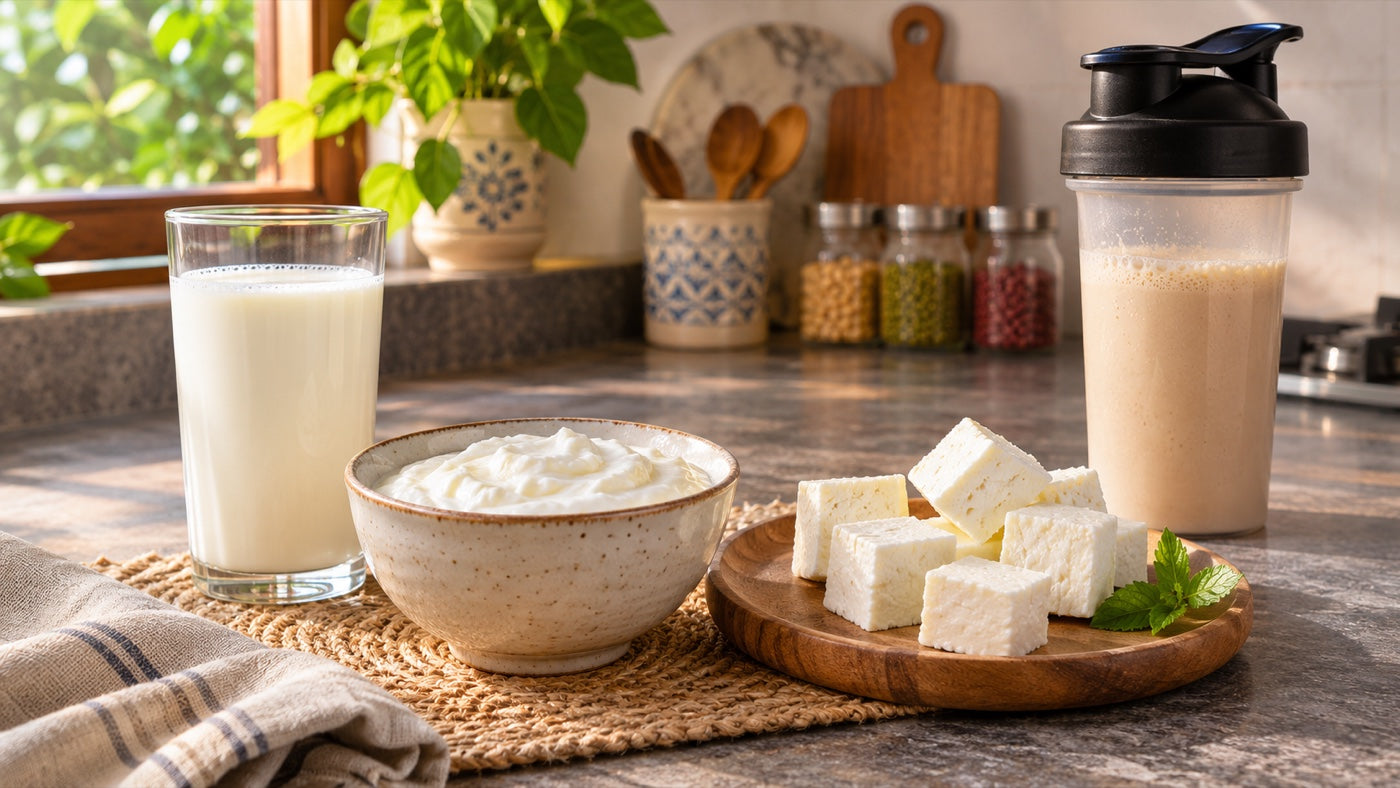
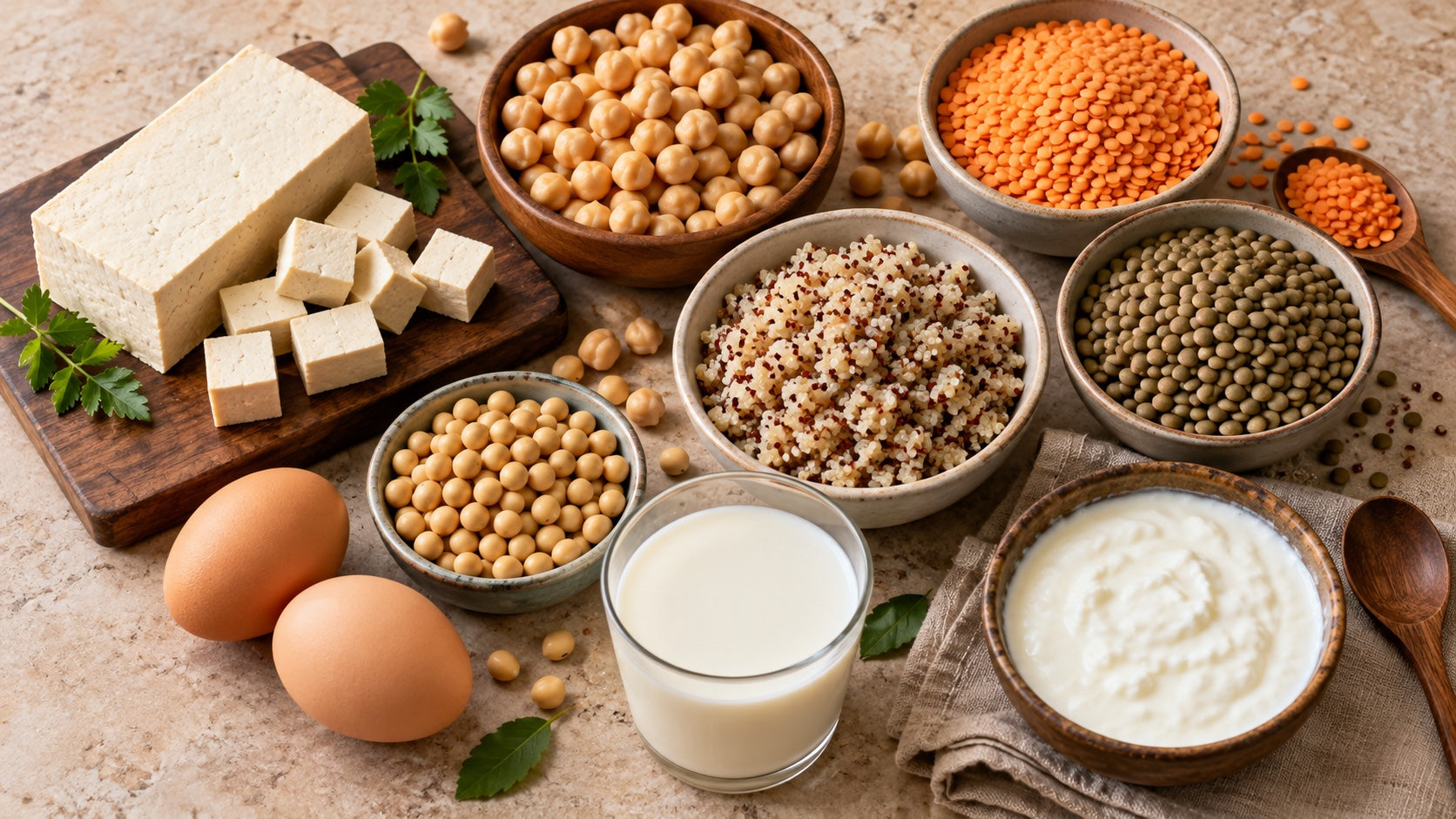
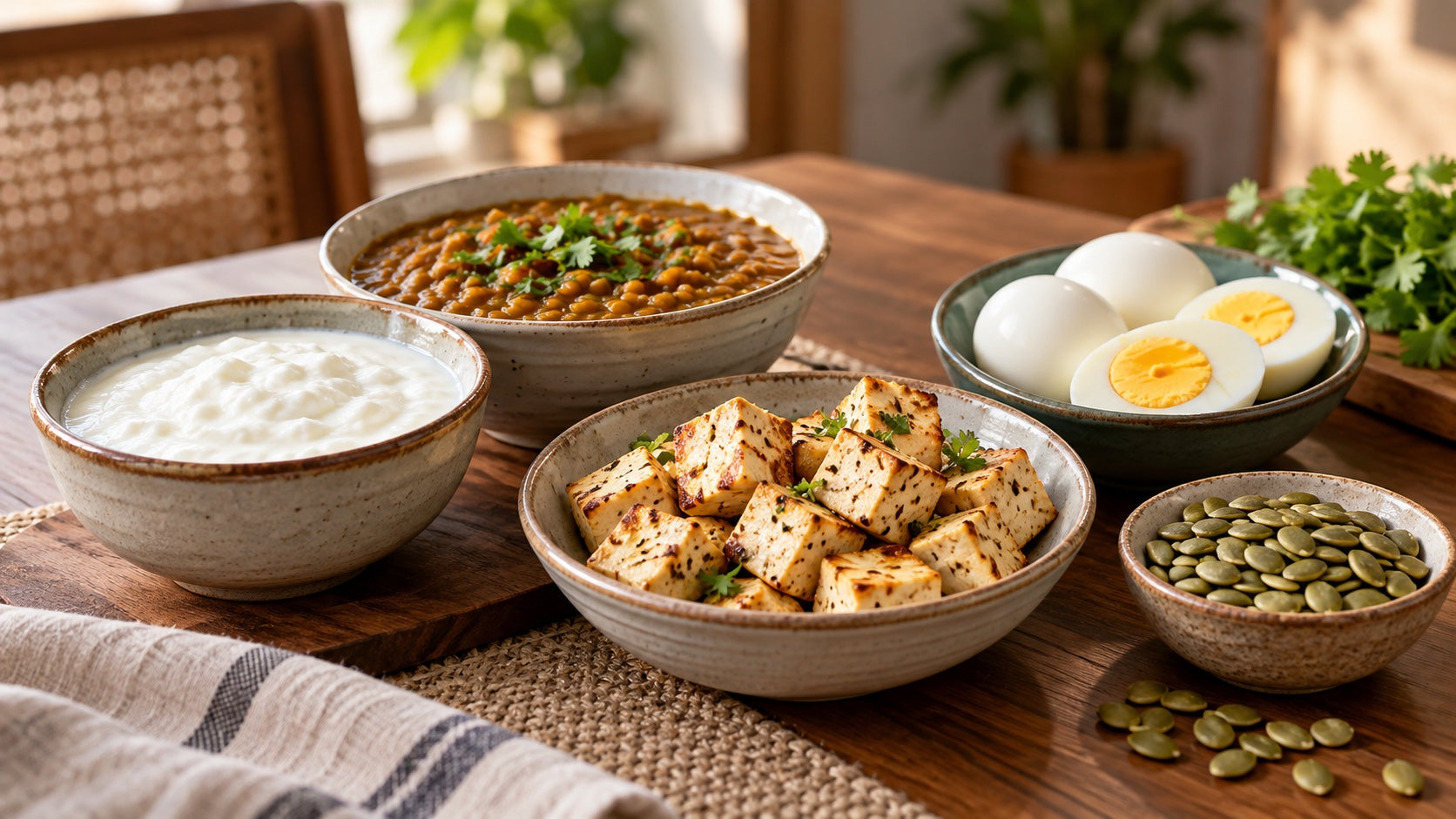
For vegetarian Indian meals, useful options include dal, rajma, chana, soy foods, milk, curd and paneer where suitable. People who eat them can also use eggs, fish, chicken and other animal foods. None of these needs to become the only source at every meal.
Different foods bring different combinations of protein, energy and other nutrients. Dal provides carbohydrate and fibre as well as protein. Paneer brings fat along with its protein, with amounts varying by recipe. Nuts are useful foods but their usual handful-sized portions are different from eating a full plate of beans.
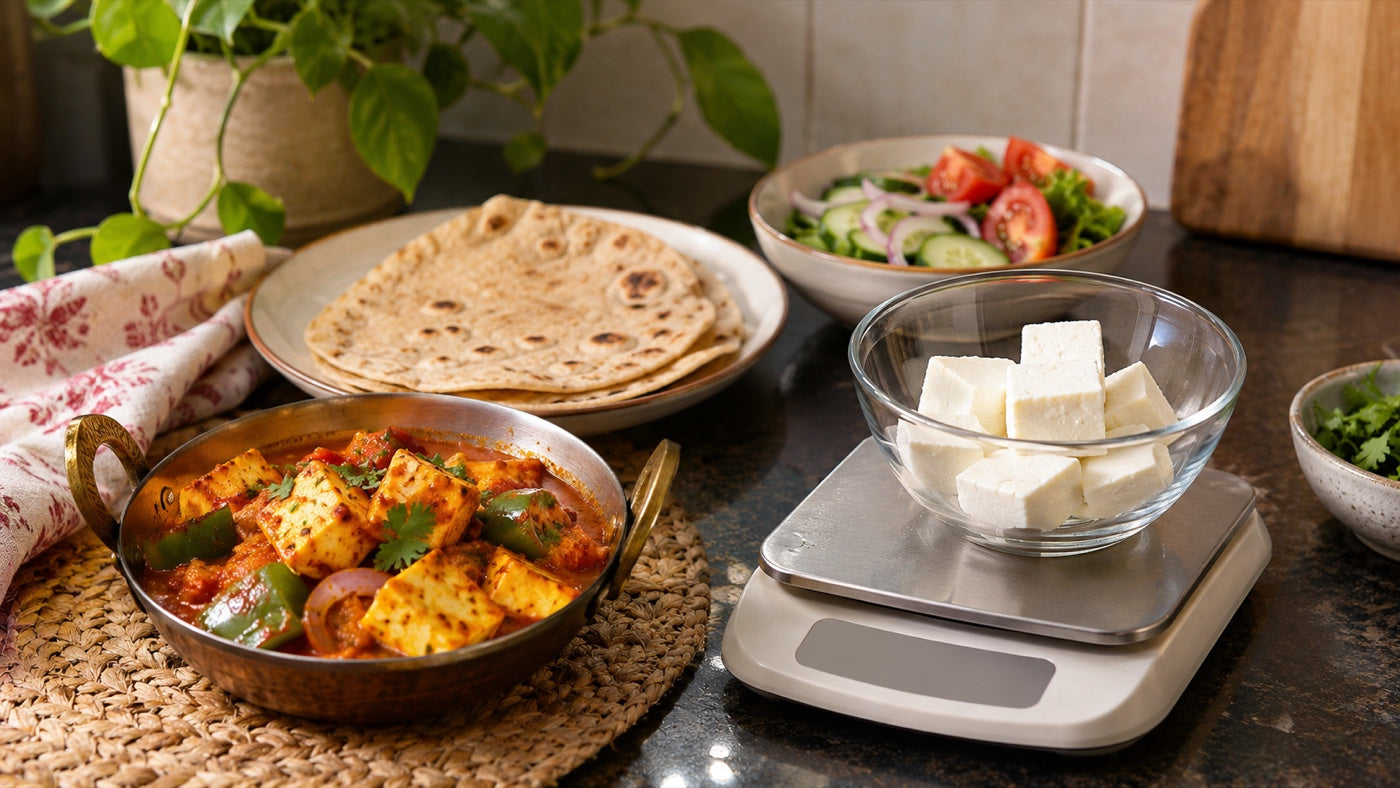
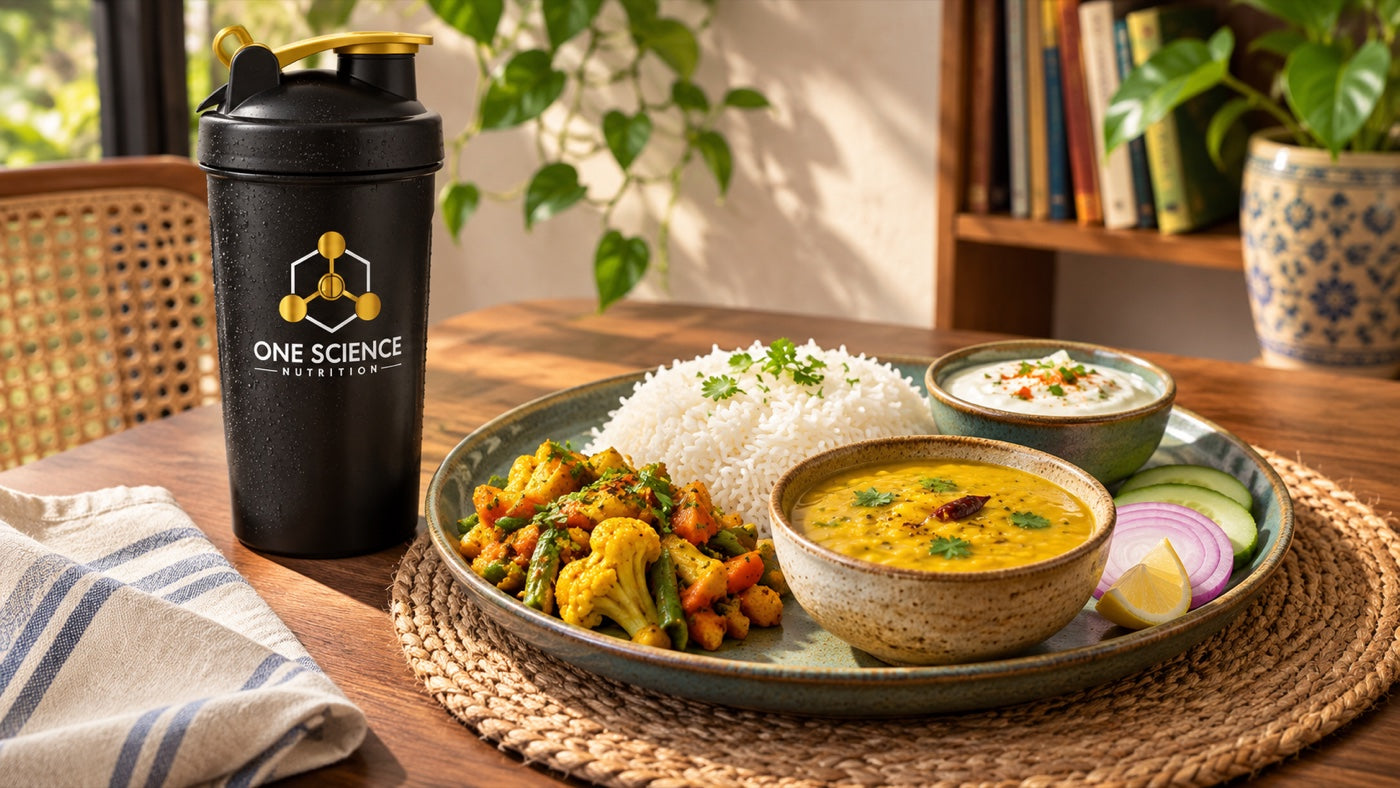
Keep the meal recognisable. Dal with rice, vegetables and an appropriate extra protein food can be a sensible lunch. A roti meal can include tofu, paneer, eggs or another suitable choice. You do not have to remove traditional foods to make room for a protein goal.
A practical meal-building framework
Use this as an organising tool rather than a fixed diet chart:
| Meal element |
What to include |
What it helps you plan |
| Main protein source |
A suitable portion of pulses, soy, dairy, eggs, fish or meat |
A meaningful protein contribution |
| Carbohydrate food |
Rice, roti, oats, potatoes or another familiar food |
Energy for daily life and training |
| Produce |
Vegetables and fruit across the day |
Variety, fibre and micronutrients |
| Fat and flavour |
Appropriate oil, nuts, seeds and seasonings |
Enjoyable meals with accounted-for energy |
| Optional convenience |
A suitable protein supplement or prepared protein food |
A specific gap when ordinary preparation is difficult |
Adjust the quantities to your needs, and count protein from the specific foods or products you use.
Our guide to protein and its role in the body explains how dietary protein supports more than muscle alone.

One Science Nutrition High Protein Oats is a useful choice when you want a warm, chocolate-flavoured breakfast with a defined protein contribution. Its Dark Chocolate 50 g dry serving provides 13.3 g of protein, 207 kcal and 4.1 g of fibre. The formula includes oats, a soy protein blend, seeds, nuts and cocoa.
Prepare One Science Nutrition High Protein Oats using its directions and count additions separately. Milk changes the protein and energy compared with water. Fruit, yogurt or nut butter can change the bowl again. That flexibility helps you build a breakfast that matches your appetite rather than treating the dry serving as a complete menu for everyone.
The Dark Chocolate formula also contains jaggery and provides 4.5 g of added sugar in that 50 g serving. Enjoying a chocolate breakfast and understanding its nutrition can go together. The presence of protein does not remove the need to count the other ingredients.
One Science Nutrition High Protein Oats contains soy and almonds. Choose it only if those ingredients fit your diet. For a rushed workday, keeping a measured breakfast portion ready can be more useful than planning an elaborate meal you rarely have time to cook.
One Science Nutrition ISO Gold supplies 27 g of protein in a 32.5 g Chocolate serving, with 113 kcal, 0.5 g carbohydrate and 0.3 g fat. It combines whey protein isolate and hydrolysed whey protein. That gives you a concentrated protein option when cooking or transporting another food portion is inconvenient.
For example, an afternoon shake can help when your lunch is early and the next proper meal is several hours away. Keep fruit, grains and other foods in the day's plan rather than expecting a protein drink to provide everything lunch would normally contain.
One Science Nutrition ISO Gold can also suit someone who wants a defined protein contribution while keeping the shake's fat and carbohydrate relatively low. That is a nutrition-planning feature, not a reason to fear those nutrients in ordinary meals. Training still requires enough overall energy.
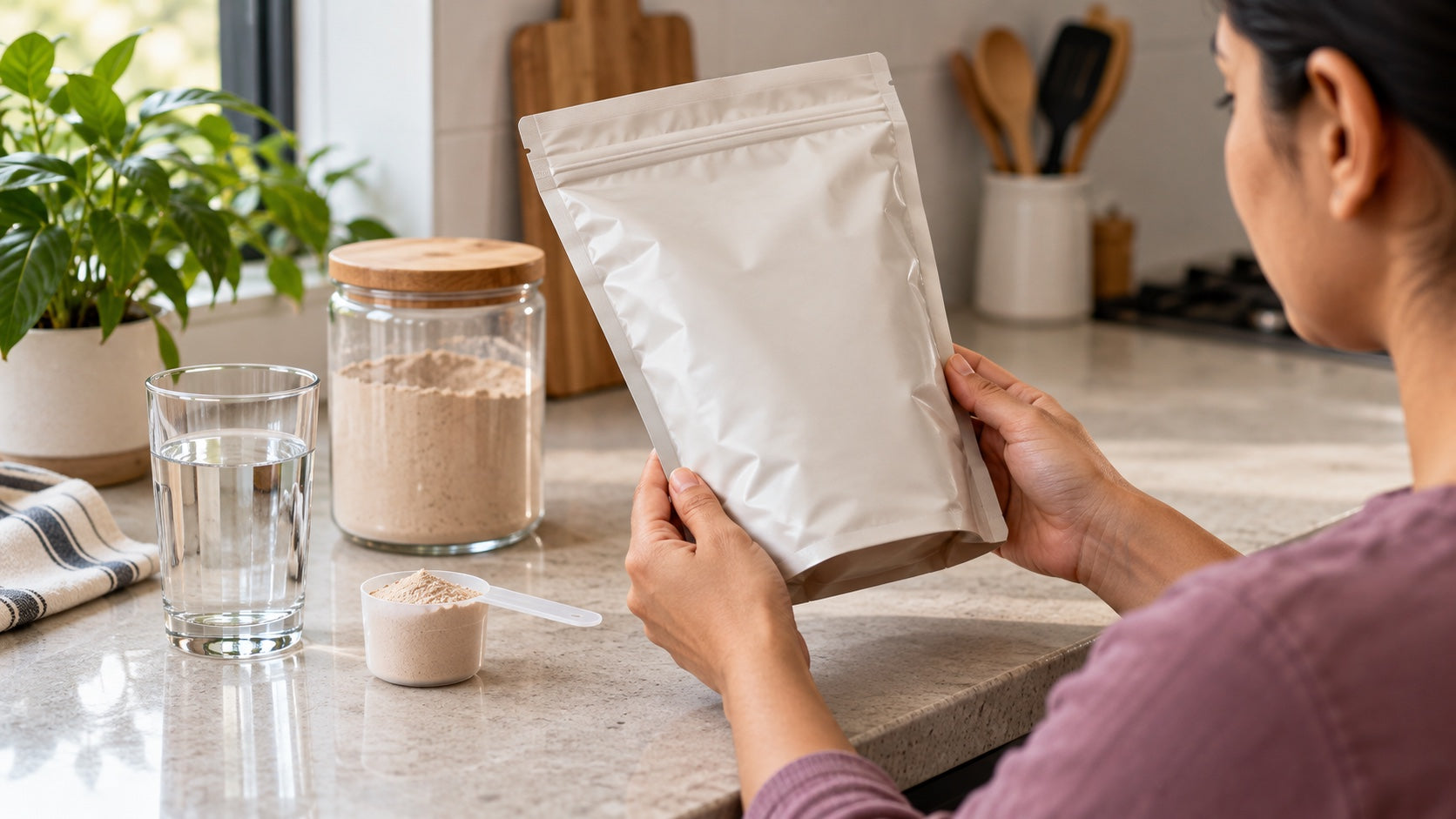
One Science Nutrition ISO Gold is milk-derived and unsuitable for milk allergy. It is not recommended for children, pregnancy or breastfeeding. Low carbohydrate does not establish that it is lactose-free or guarantee comfortable digestion. Pick the selected flavour on its complete pack details.
Keep fibre and energy in the plan
A common mistake is increasing protein by repeatedly removing pulses, fruit, vegetables and grains. The result can be a narrower diet that is harder to enjoy and less useful for training. A higher protein intake should not crowd out everything else you need.
The Mayo Clinic discussion of high-protein diets highlights the risk of poorly planned versions that restrict important foods. It also advises medical guidance for people with relevant health conditions. More protein is not automatically better in every situation.
If you feel persistently tired, hungry or unable to recover, review the whole plan. It may contain too little food overall, not too little powder. A qualified dietitian can help distinguish a protein gap from a broader energy or dietary problem.
Make shopping and preparation repeatable
Choose a few foods you can reliably buy and prepare. Cook suitable pulses in batches, portion food according to your needs and store it safely. Keep a backup for the days when your usual meal is unavailable. Repeating a useful routine beats inventing a new menu every morning.
You can keep One Science Nutrition High Protein Oats for breakfast preparation or choose One Science Nutrition ISO Gold for a convenient whey serving. Give the purchase a job before placing the order. Buy what helps you eat consistently, keep meals varied and adjust the plan when your training or appetite changes.