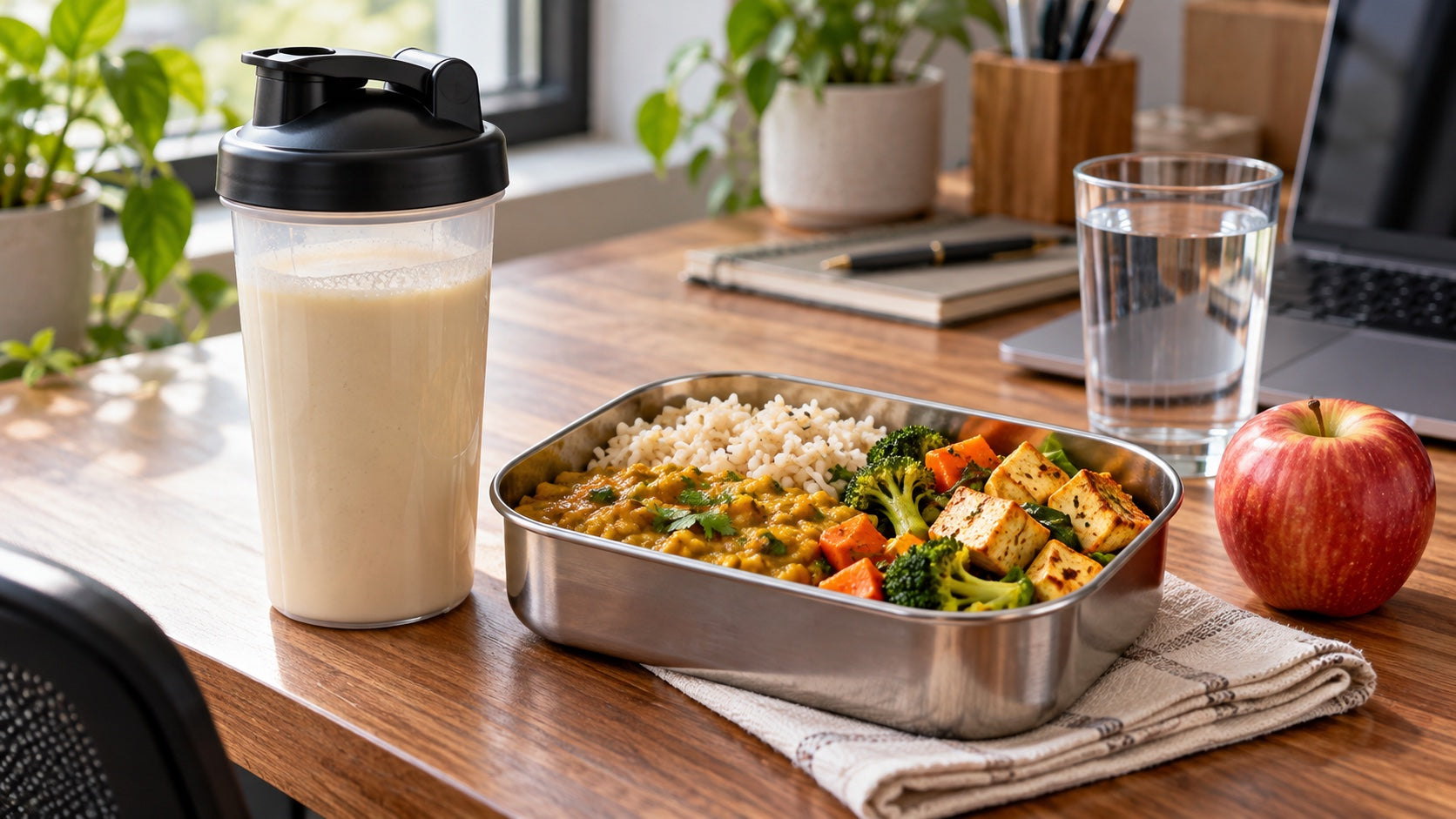
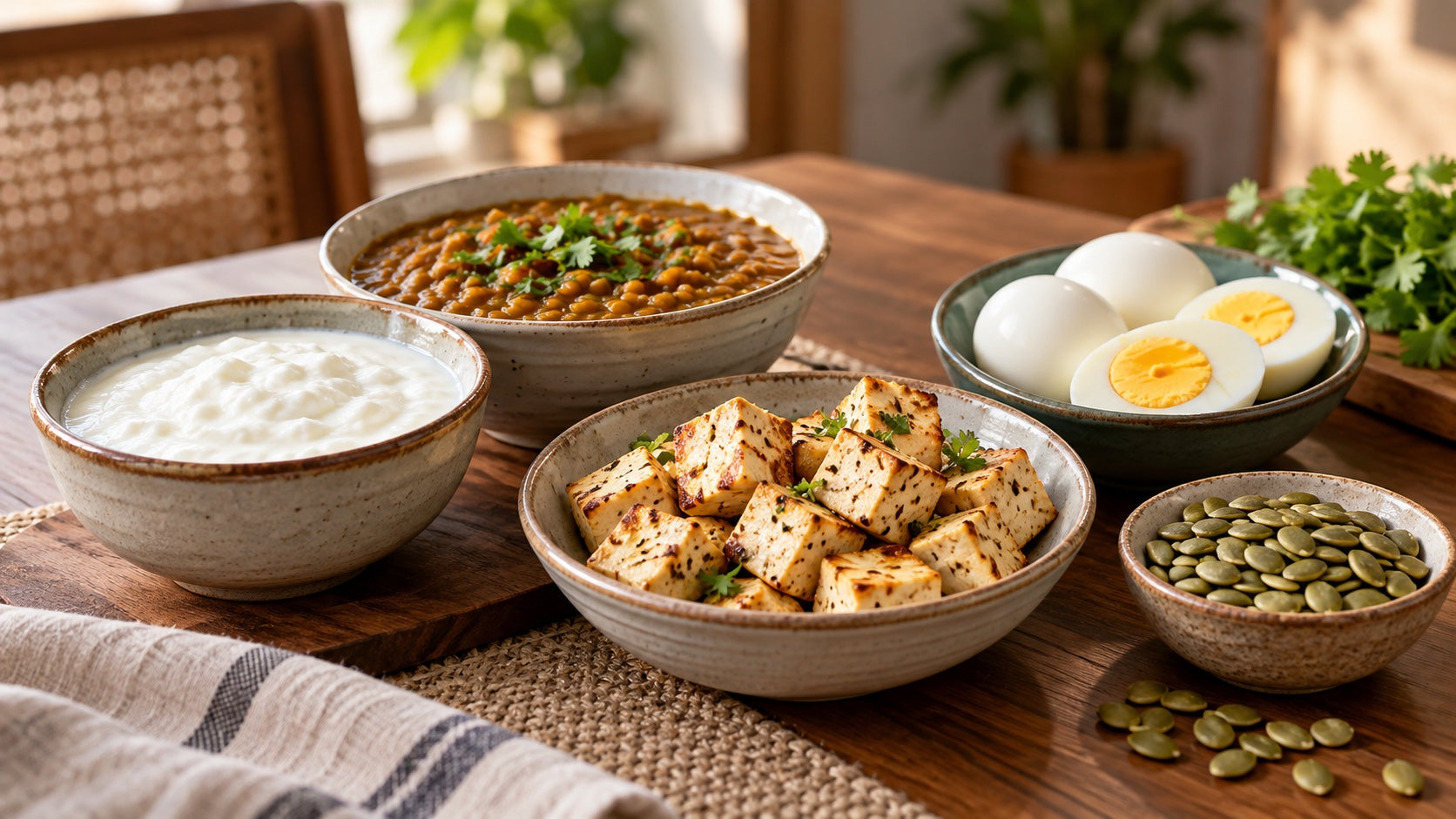
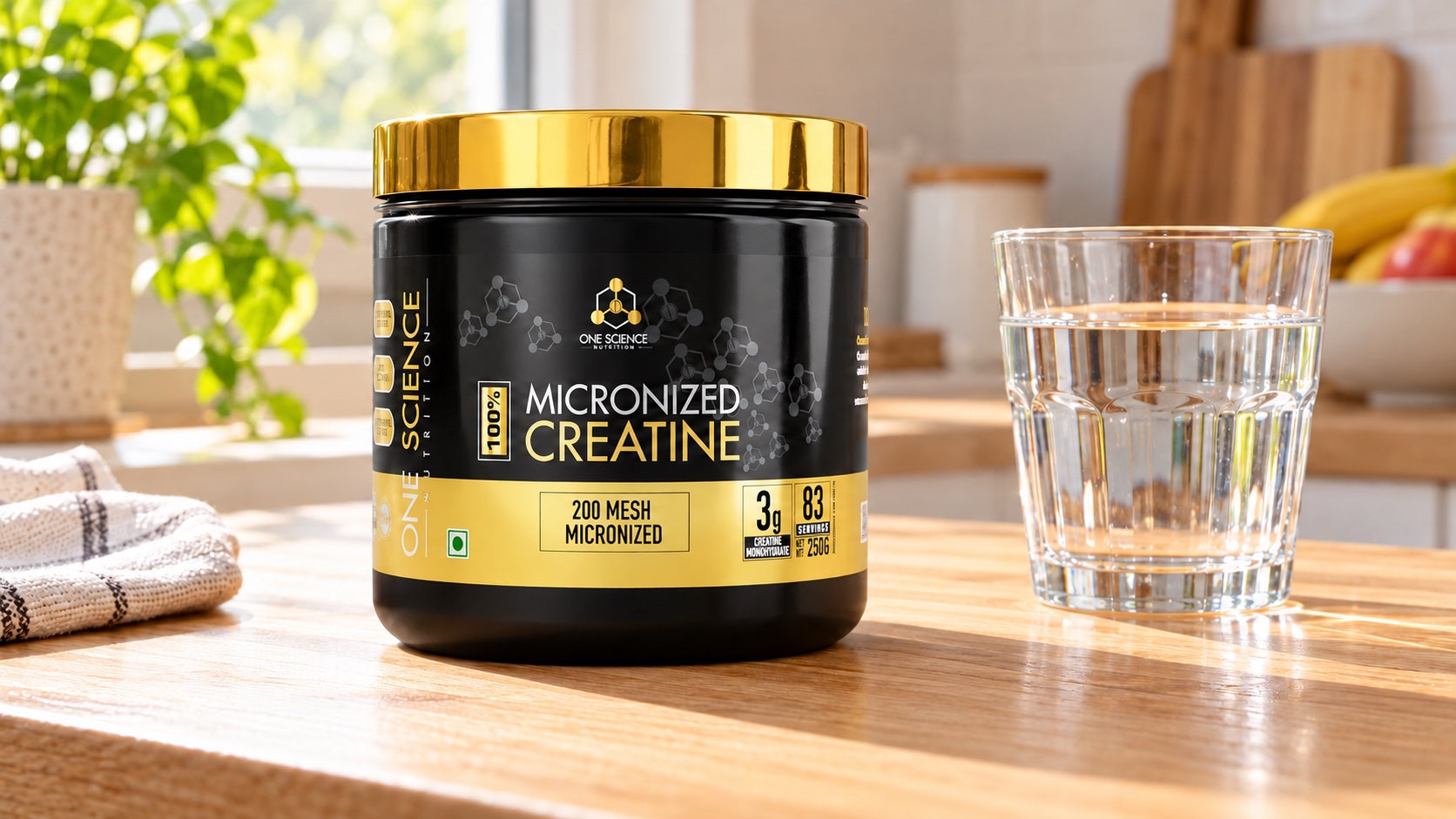
A calorie deficit helps reduce body weight, but the weight lost is not necessarily all fat. To give muscle a better chance of being retained, keep protein adequate, continue suitable resistance training and avoid cutting food so sharply that recovery and daily life become a struggle.
One Science Nutrition ISO Gold and One Science Nutrition Pea Protein can provide measured protein portions within that plan. Neither creates fat loss on its own. Their useful role is helping you keep protein in the day while managing the energy supplied by the whole diet.
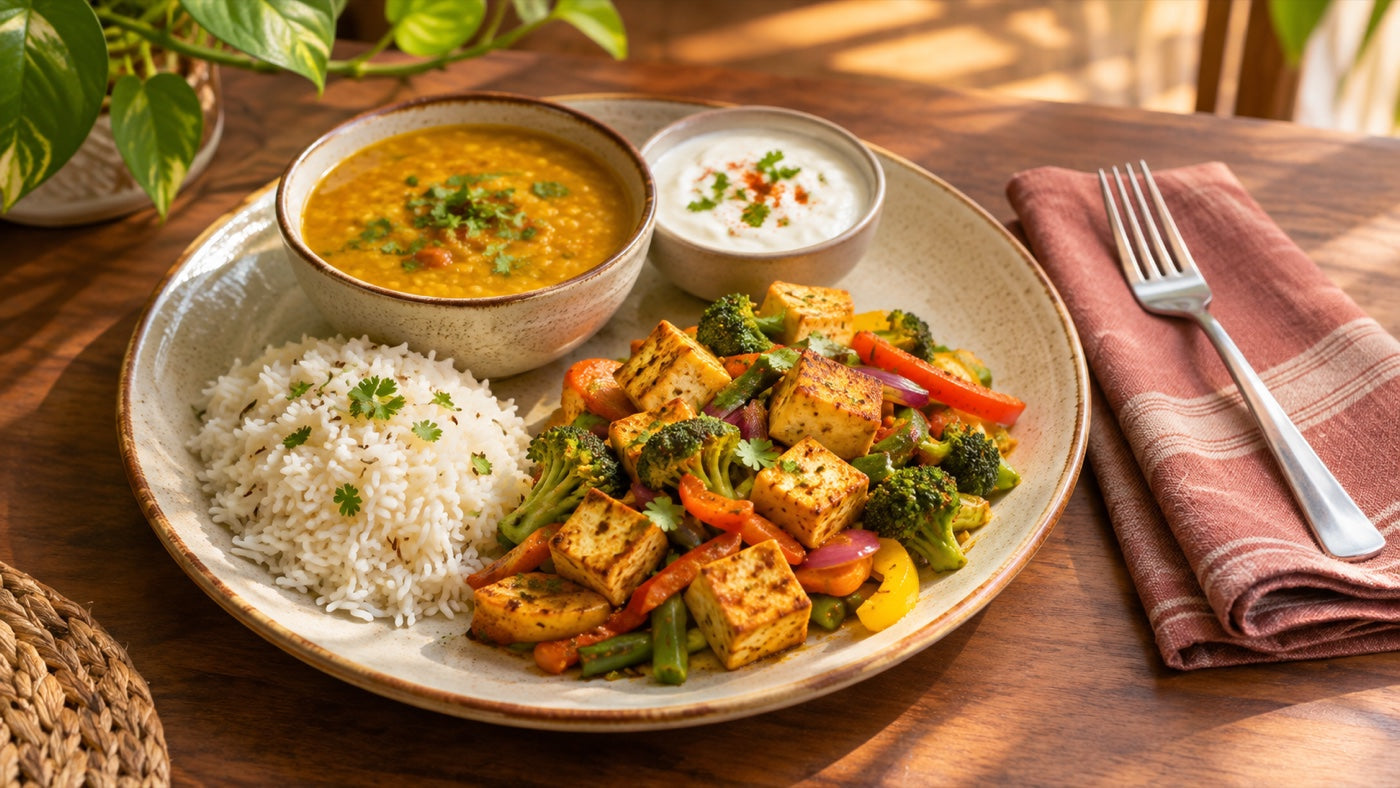
The mistake: shrinking every part of the plate
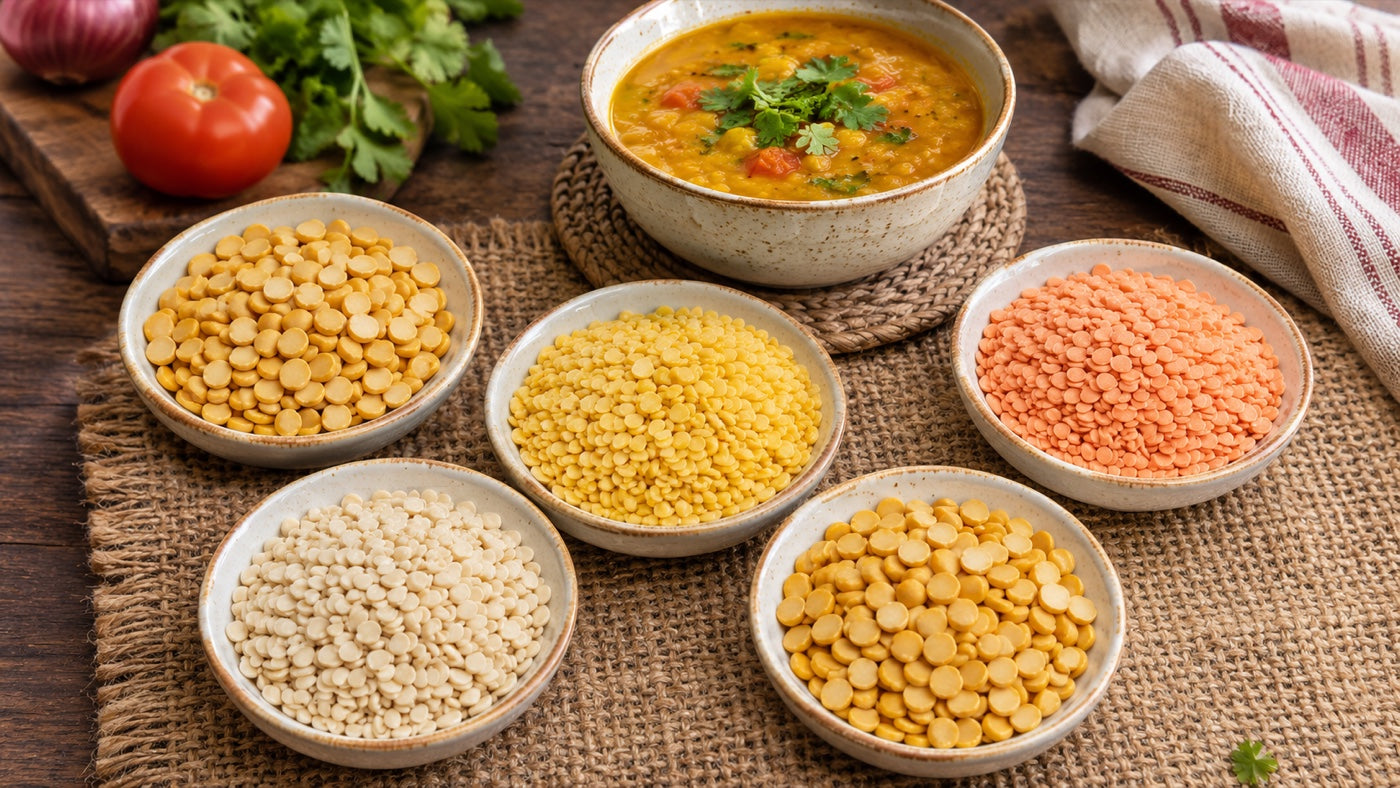
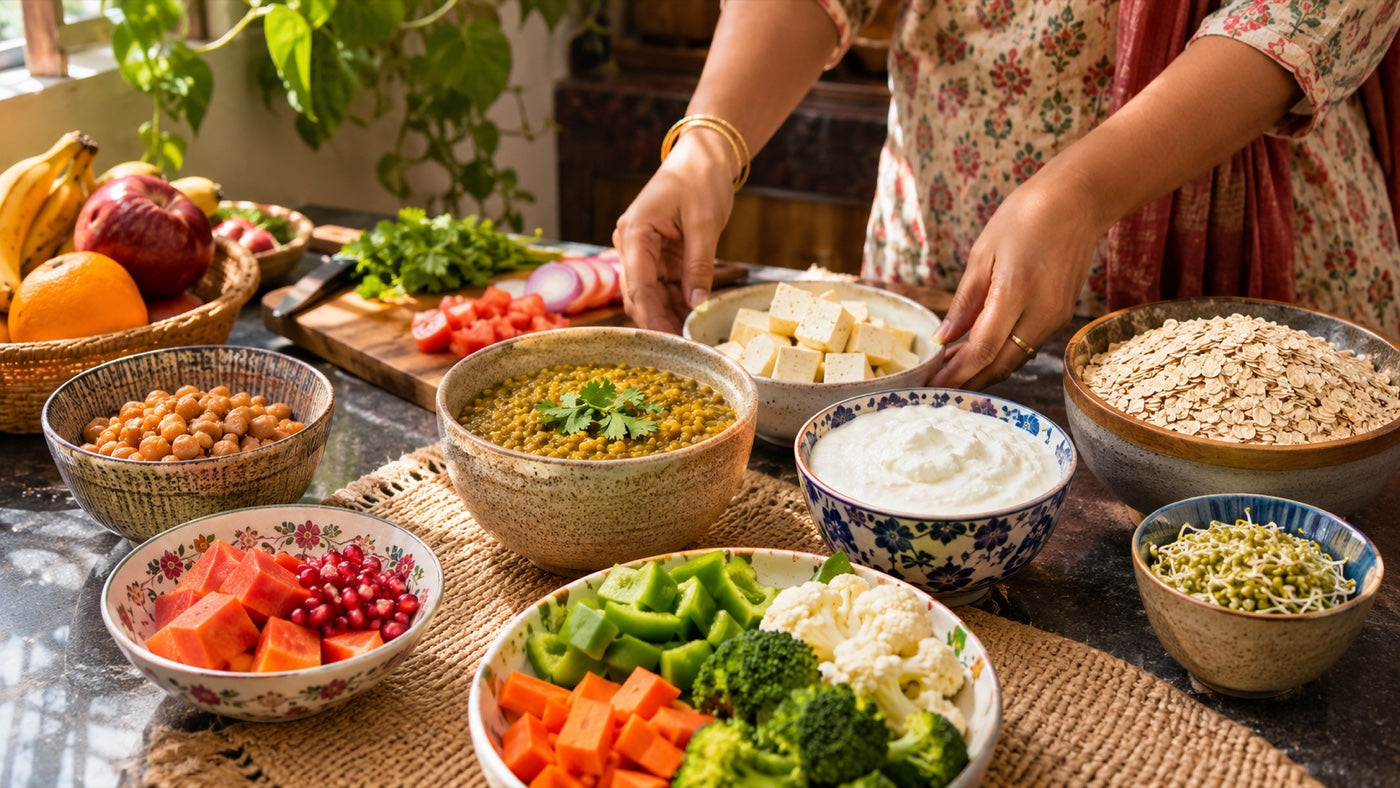
Reducing the rice, dal, curd and vegetables by the same amount may lower calories, but it can also remove protein, fibre and food volume you still need.
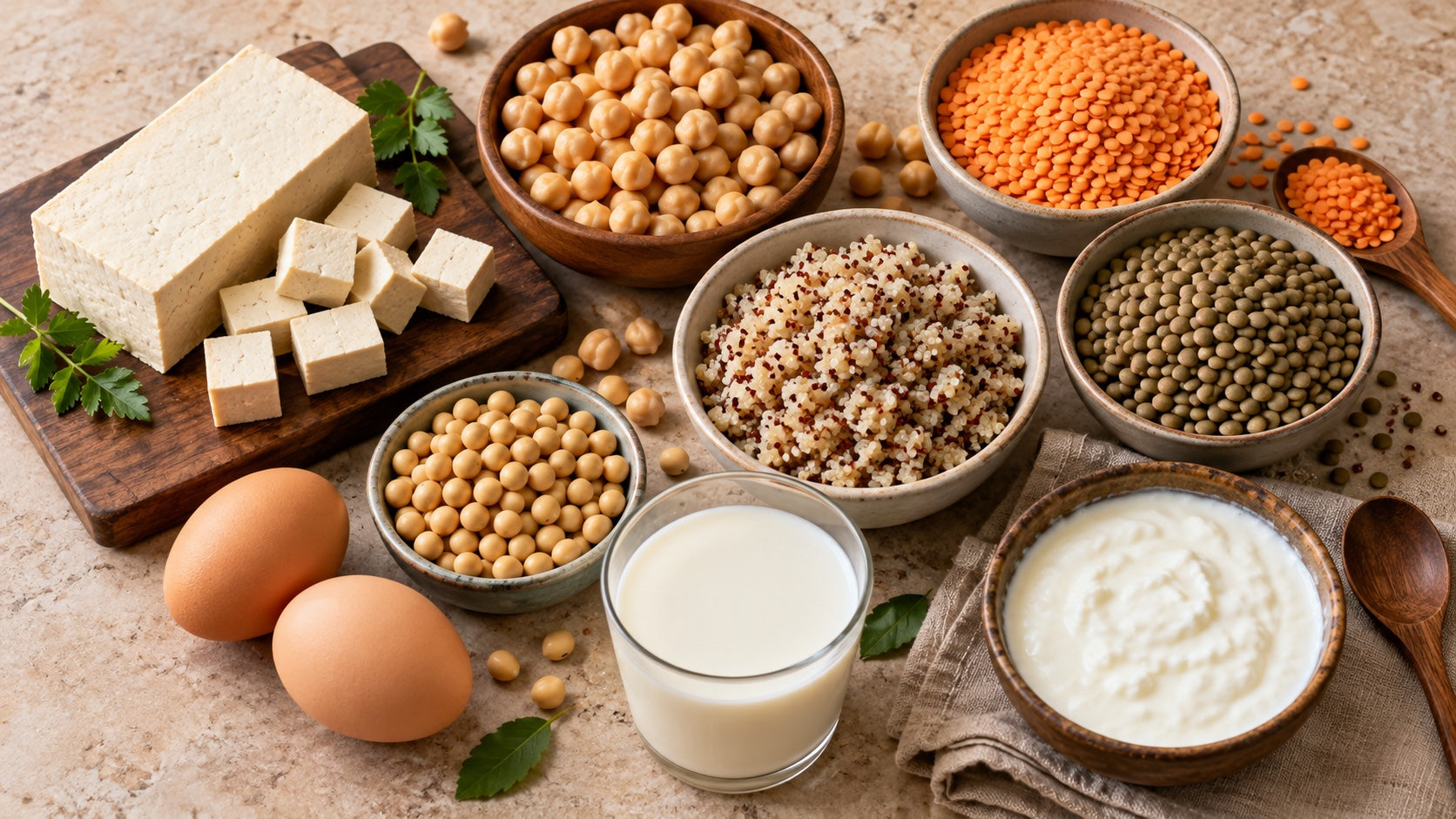
Keep a recognisable protein source in meals. Adjust energy with the whole plate in mind: cooking oil, large extras, sweet drinks, snack portions and the amount of staple food all contribute. Carbohydrate still supports training; removing it indiscriminately can make hard sessions harder to sustain.
There is no universal deficit that suits every body size and training schedule. A dietitian can help choose an appropriate starting intake, especially if you have a medical condition or a history of restrictive eating.
Three things worth protecting
| Keep in the plan |
Why it matters |
A practical check |
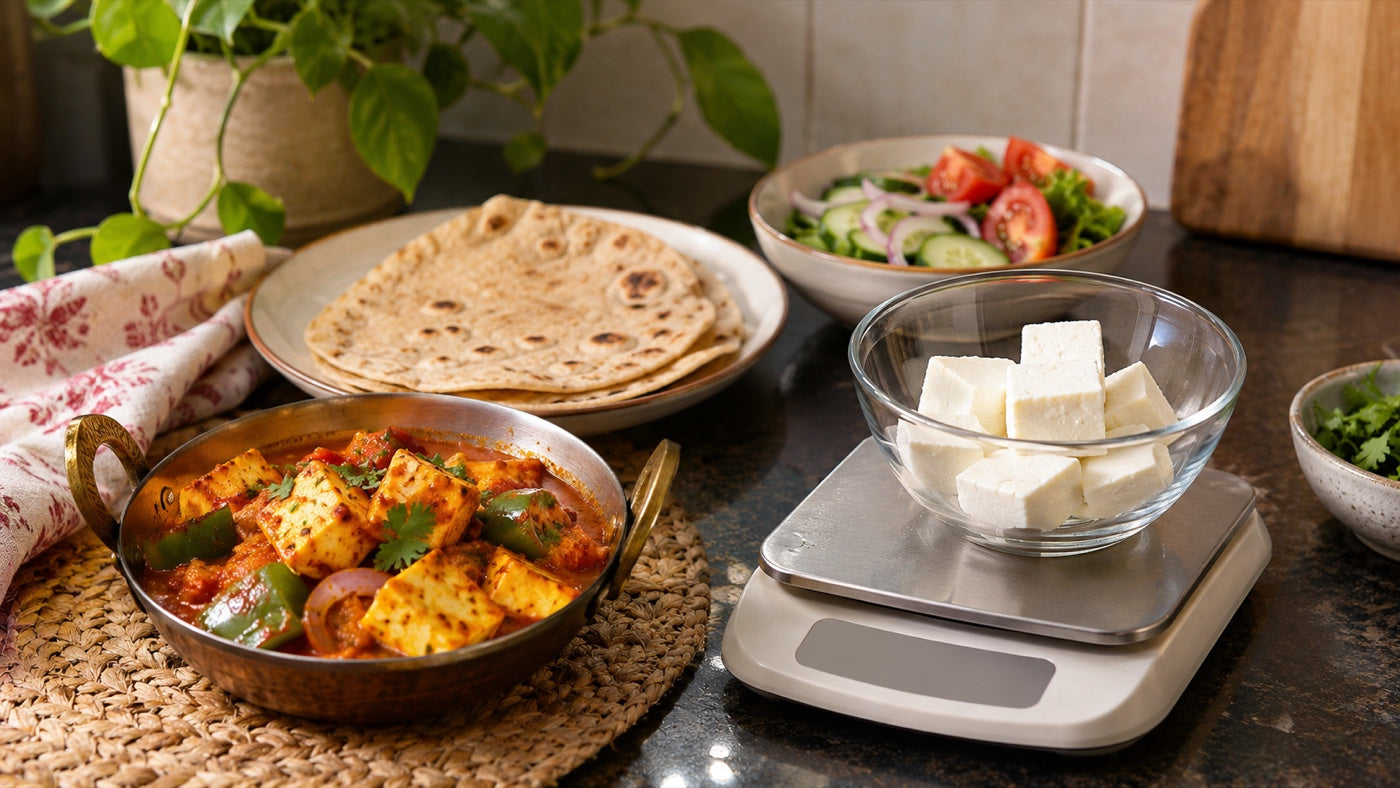
| Protein-containing meals |
Supply amino acids while food intake changes |
Has each main meal kept a useful protein source? |
| Resistance training |
Gives muscle a reason to remain useful |
Can you follow a sensible programme and recover between sessions? |
| Enough overall fuel |
Supports training, concentration and recovery |
Are persistent fatigue and poor performance becoming the norm? |
In their review of muscle preservation during weight loss, researchers Gordon Smith and Bettina Mittendorfer discuss adequate protein and exercise, particularly resistance exercise. Their review focuses on people with obesity. It does not promise that a particular powder will prevent all muscle loss in every dieting athlete.

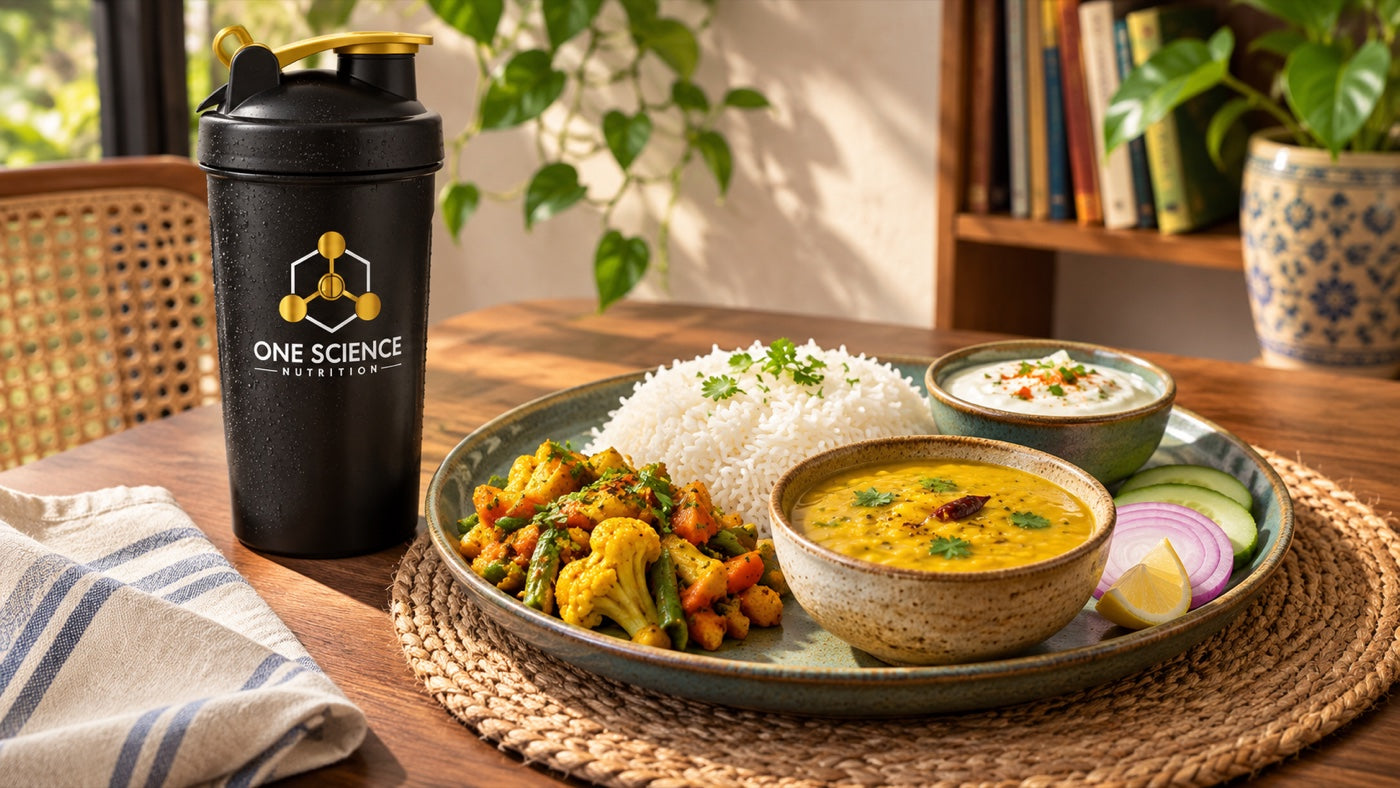
What can a shake replace, and what should it keep?
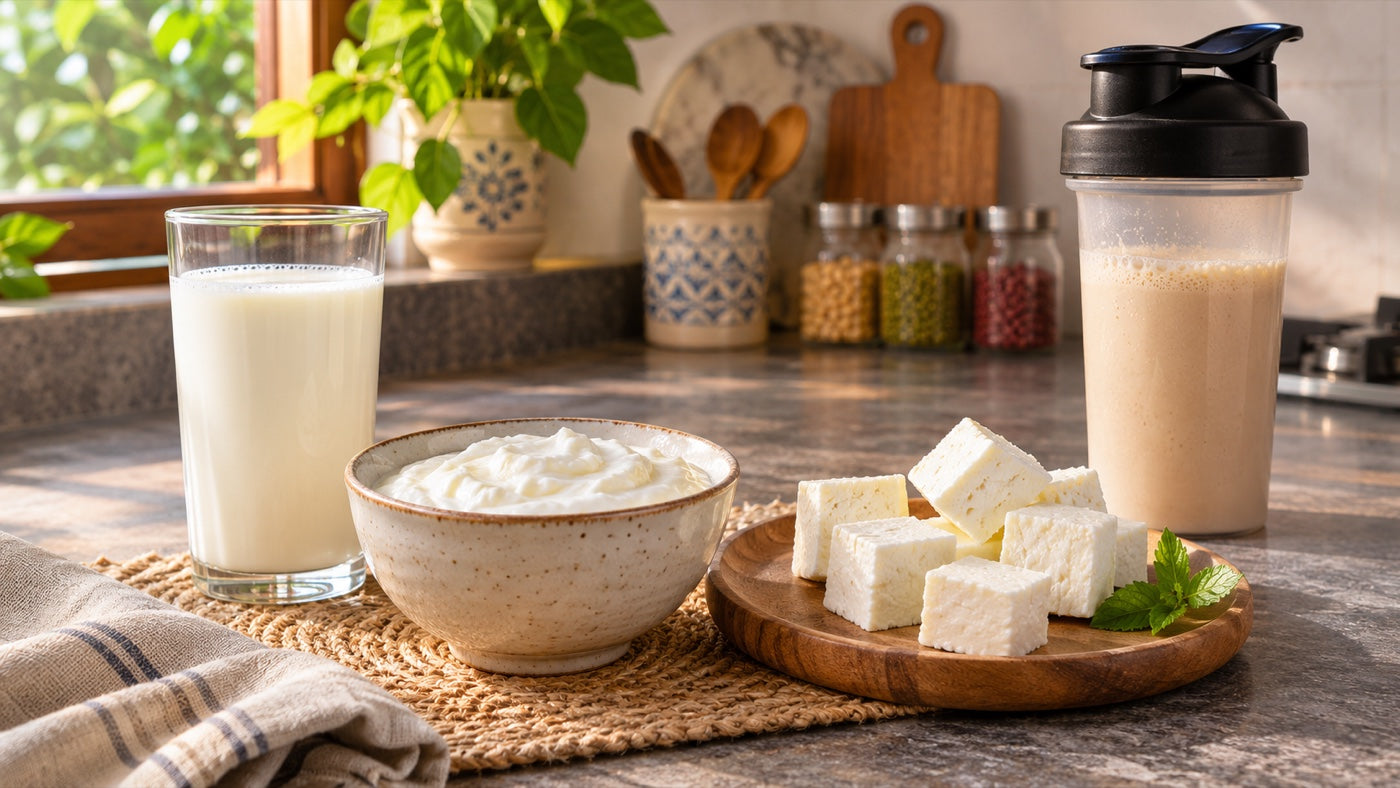
A powder can help with a protein gap. It does not supply every benefit of a meal with vegetables, pulses, fruit and other foods.
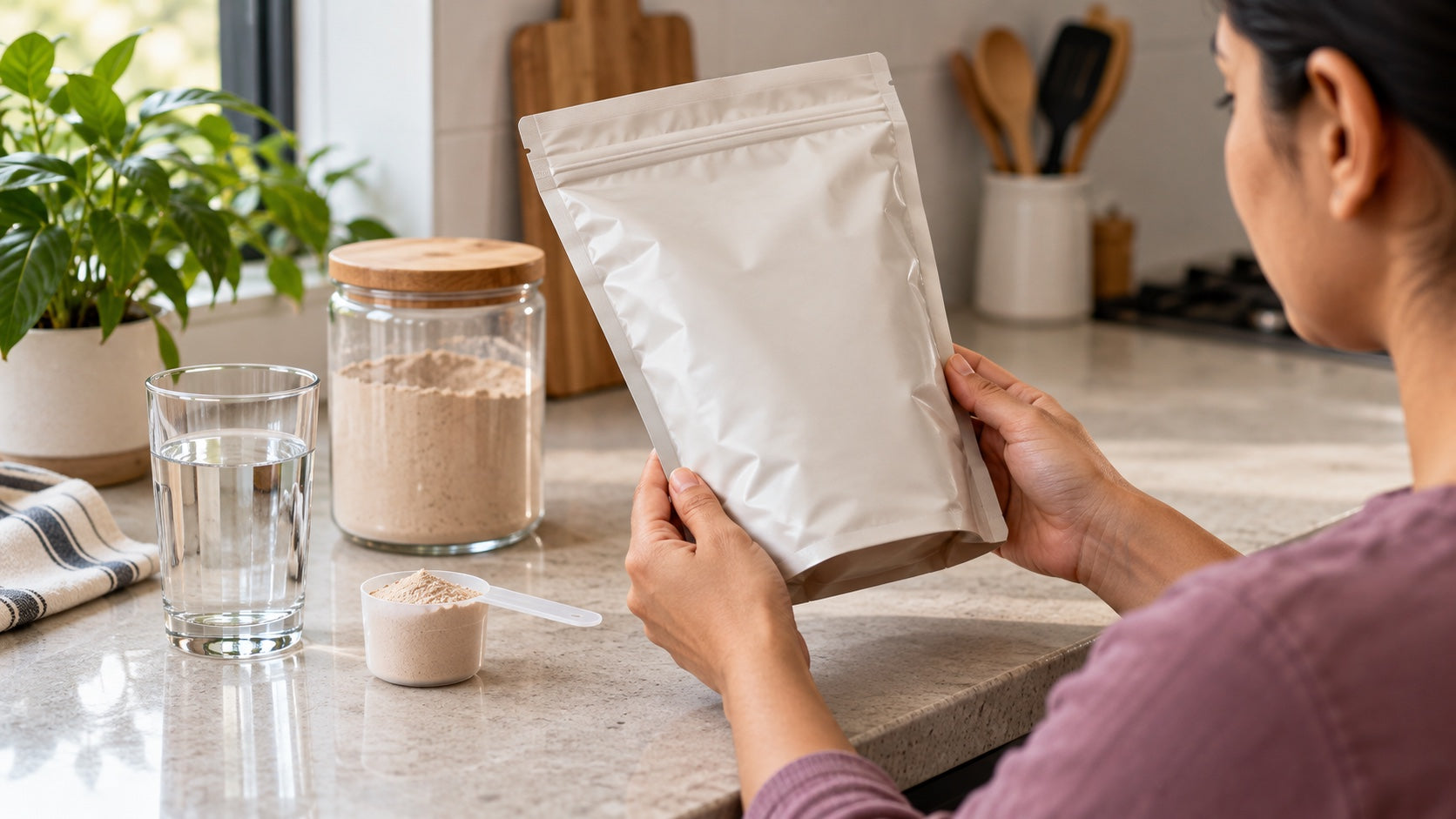
Take a hypothetical day with a 100 g protein target agreed for that individual. If recorded meals provide 75 g, the gap is 25 g. A suitable serving supplying 25 g would bring that example to 100 g. This illustrates meal planning, not a recommendation that every reader needs 100 g.
Count the shake's calories and anything mixed into it. Adding milk, nut butter and a large banana can produce a different meal from the powder mixed with water. Neither preparation is inherently wrong; it needs to fit the plan you intended.
One Science Nutrition ISO Gold for a defined protein portion
One Science Nutrition ISO Gold combines whey isolate and hydrolysed whey. Its Chocolate formula supplies 27 g protein and 113 kcal per 32.5 g serving, alongside 0.5 g carbohydrate and 0.3 g fat.
That makes One Science Nutrition ISO Gold worth considering when you want a measured dairy-protein portion with a small carbohydrate and fat contribution. It can fit a busy afternoon or another point when food leaves a gap. It is not a fat burner, and a bigger serving does not automatically protect more muscle.
One Science Nutrition ISO Gold is milk-derived and unsuitable for milk allergy. It is not recommended for children or during pregnancy or breastfeeding.
One Science Nutrition Pea Protein for a different source
One Science Nutrition Pea Protein uses pea protein isolate. Its 40 g serving provides 25 g protein and 154.52 kcal, with 5 g fibre.
Choose One Science Nutrition Pea Protein when a pea-based protein suits your dietary preferences. Its energy and fibre contribution differ from the whey example, so place it within your own food plan rather than comparing scoop sizes alone. A larger scoop of powder is not automatically more protein.
Choose a flavour of One Science Nutrition Pea Protein that suits your preferences and check its full ingredients and allergen information, particularly if you have food allergies.
Judge progress over time
One day's weight change cannot tell you how much fat or muscle has changed. Water, food in the digestive tract and training can move the scale. Look at trends alongside strength, recovery and how sustainable the plan feels.
If strength keeps falling, hunger becomes hard to manage or you feel persistently unwell, review the diet and training load with a qualified professional. The answer may be more food or a smaller deficit, rather than another supplement.
Compare One Science Nutrition ISO Gold and One Science Nutrition Pea Protein for the protein gap you actually need to cover. Our daily protein and meal-timing guide explains how individual portions contribute across the day.