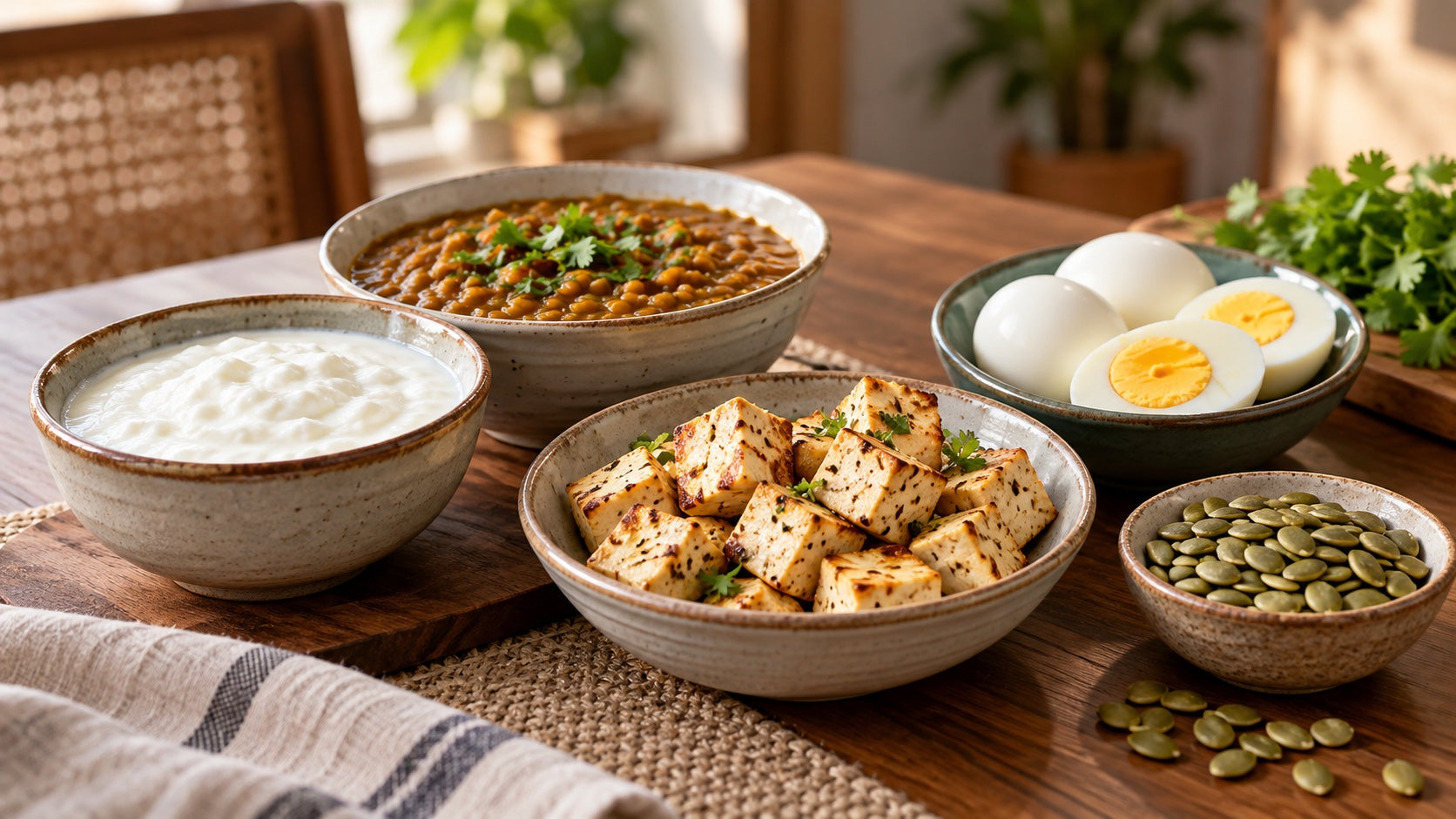
For muscle growth, a useful protein portion at each main meal is usually more practical than saving almost everything for dinner. There is no single amount that fits every body size, age and training routine. One research-based approach is around 0.4 g of protein per kilogram per meal across four eating occasions, adjusted to your individual needs.
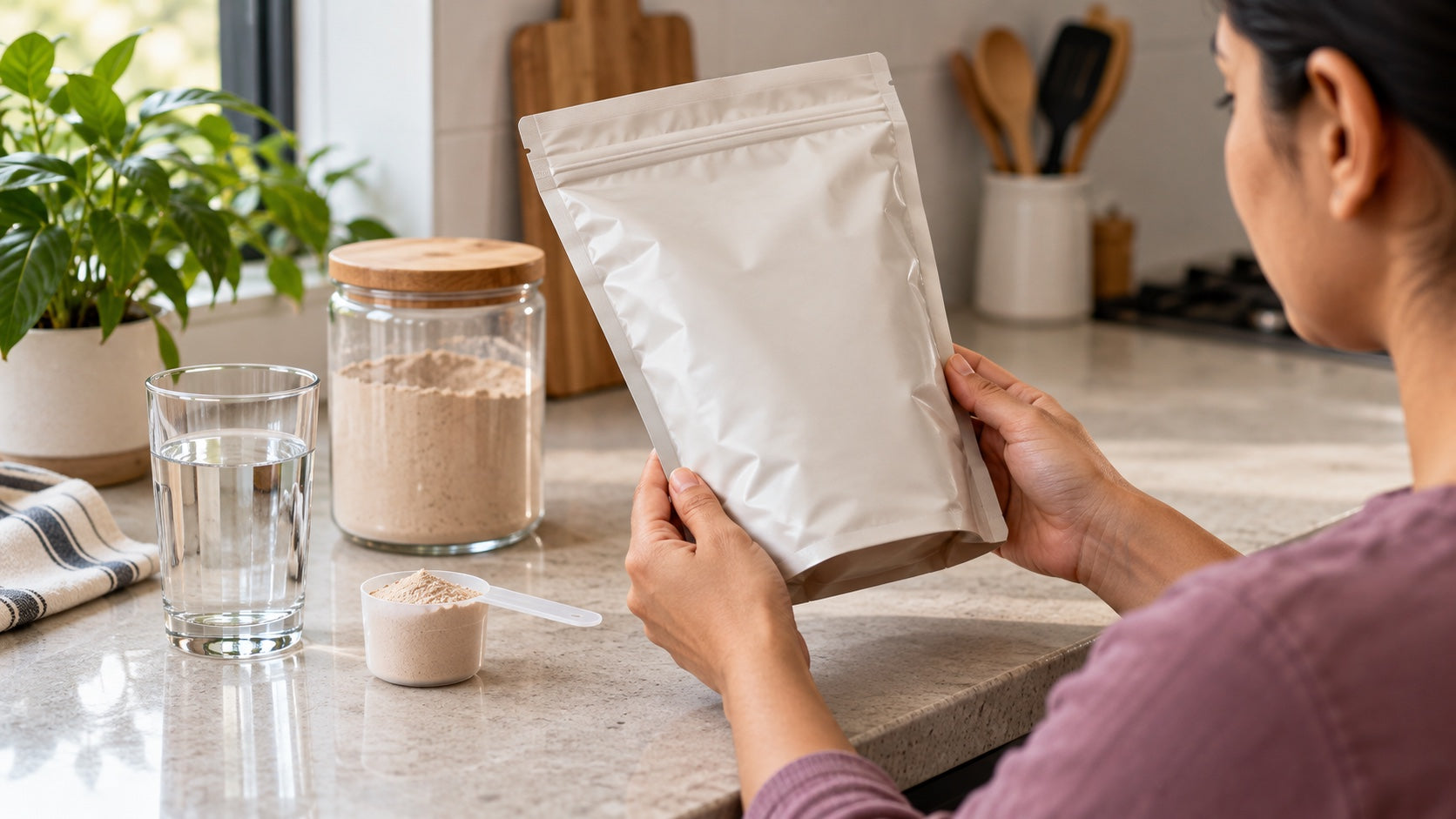
That does not mean every meal needs a shake. One Science Nutrition Premium Whey can make one protein-light eating occasion easier to manage, while One Science Nutrition Fermented Yeast Protein offers a fermentation-derived alternative. Use the product that fits your diet and the gap you actually have.
Planning protein per meal for muscle growth
A per-meal target makes little sense without a daily context. Someone eating three times a day has a different planning problem from someone who prefers three meals and an afternoon snack. Both approaches can work. The aim is to make adequate intake manageable, rather than obeying an alarm every few hours.
In their 2018 review of protein use per meal, researchers Brad Schoenfeld and Alan Aragon proposed roughly 0.4 g per kilogram at each of four meals as a practical approach for a muscle-building diet. This was an evidence-based planning proposal, not a fixed absorption limit or a requirement for every reader.
For a hypothetical 75 kg adult, that calculation gives 30 g at an eating occasion. Four such occasions total 120 g across the day. The arithmetic can help organise meals, but a personal target should account for health, training and overall food intake. You do not become deficient because lunch lands a few grams either side of a plan.
A worked example: 120 g across four eating occasions
Imagine a healthy adult whose individual plan includes 120 g of protein daily. This is an example target, not a recommendation for everyone reading.
| Eating occasion |
Planned protein |
Practical task |
| Breakfast |
30 g |
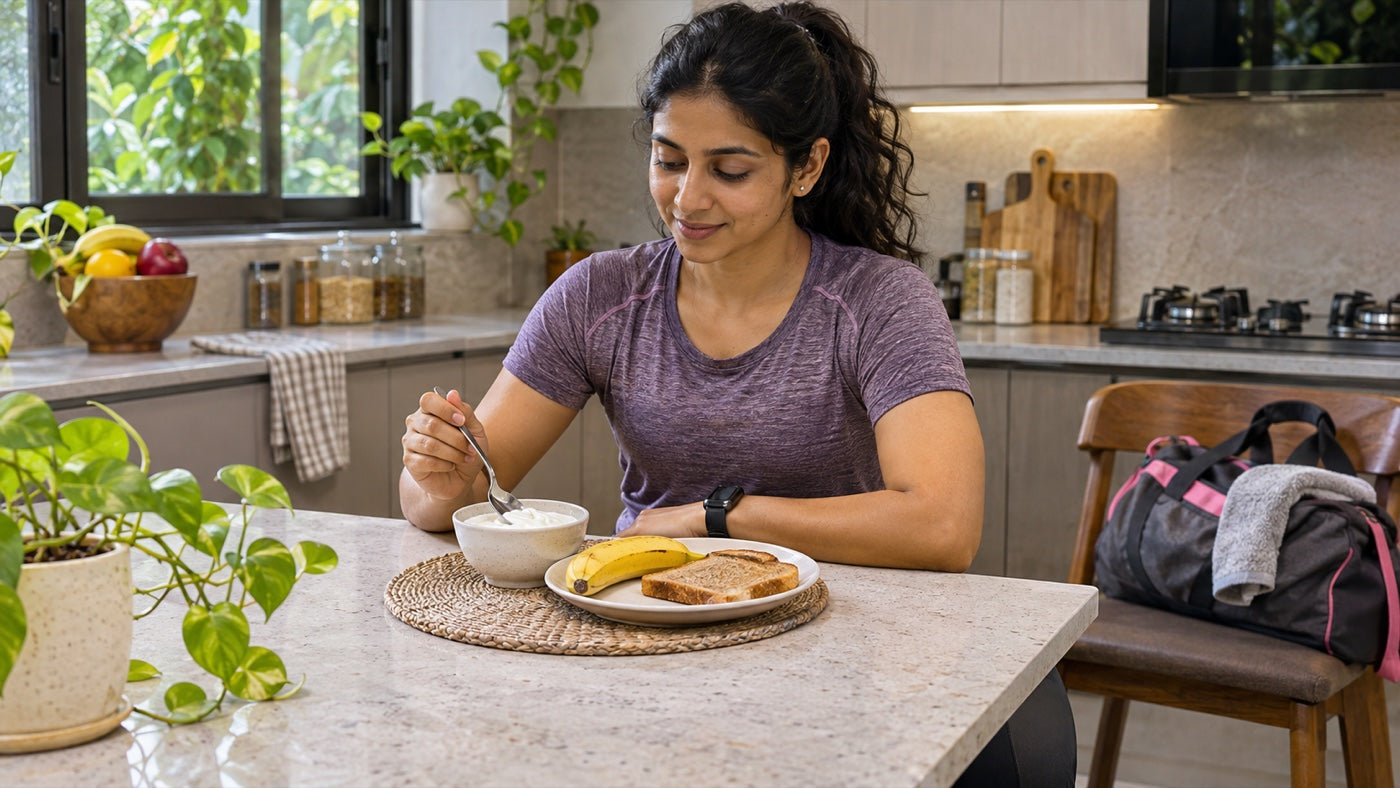
Include a substantial protein food instead of relying on tea and toast alone |
| Lunch |
30 g |
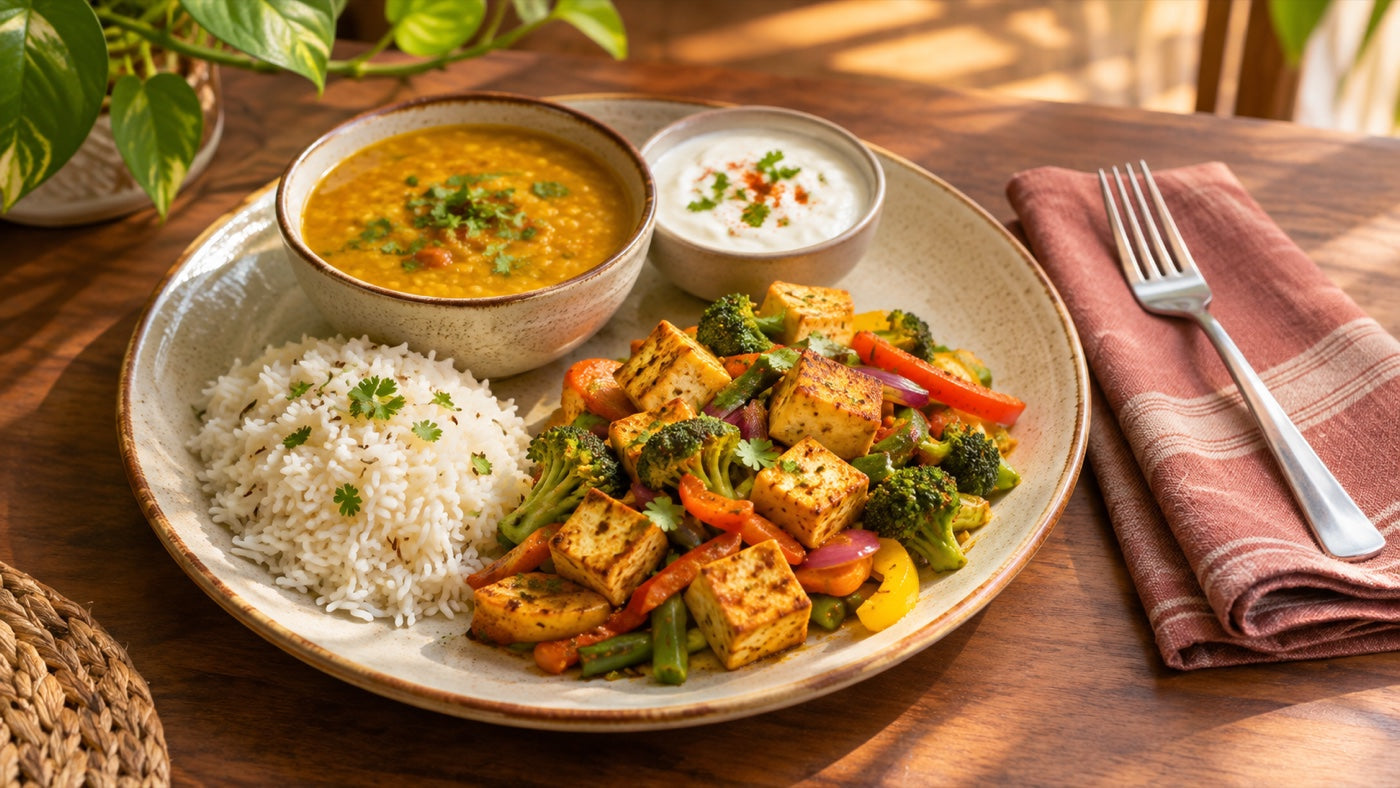
Build around a real portion of dal, dairy, soy, eggs, meat or fish as suitable |
| Afternoon meal or snack |
30 g |
Use prepared food or a suitable measured supplement if convenient |
| Dinner |
30 g |
Keep a normal balanced meal rather than compensating for the whole day |
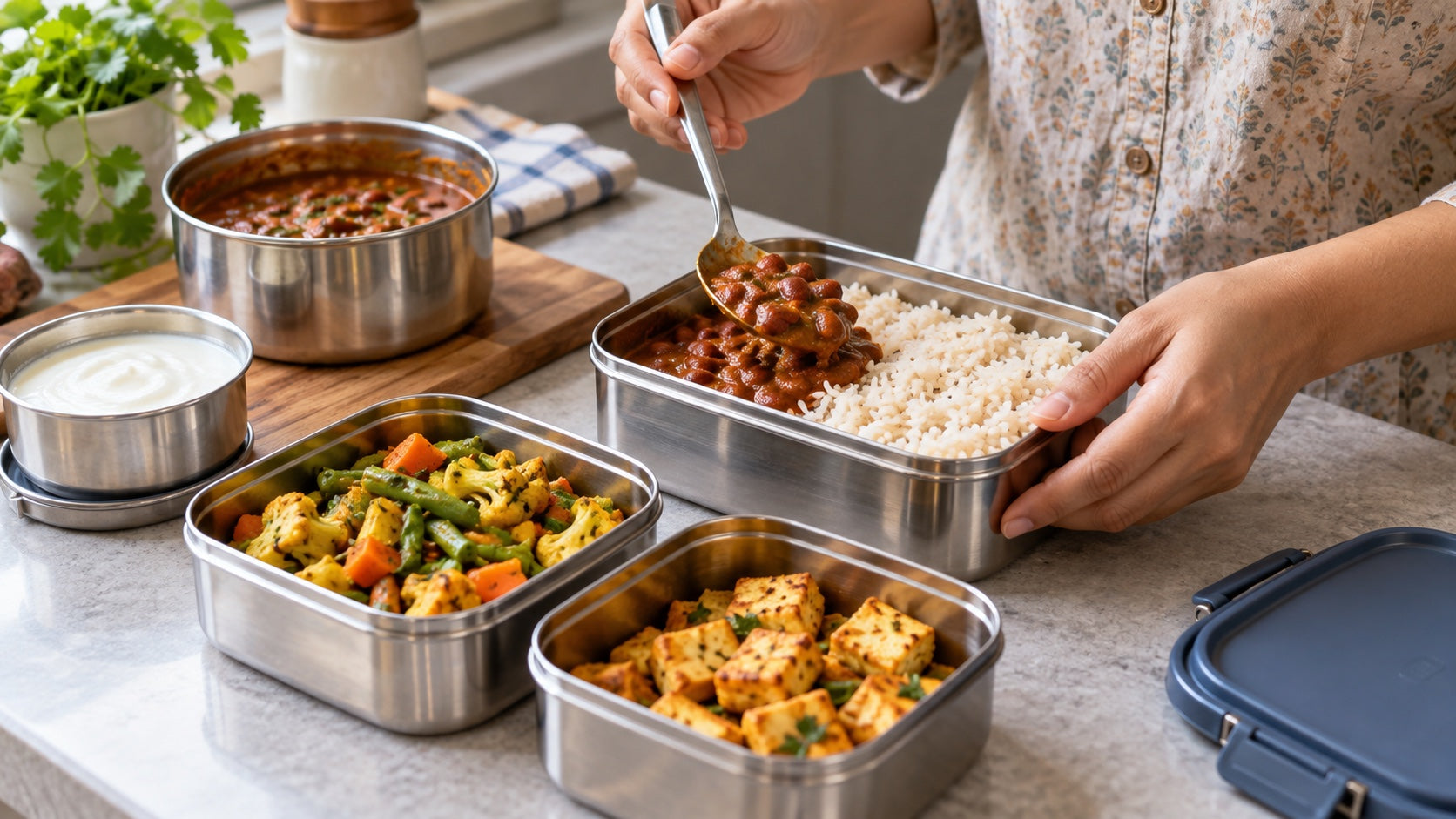
These are planned totals, not measured nutrition for a specific menu. The meal must be calculated from its actual ingredients. A bowl of dal and two rotis can vary considerably between kitchens. Use familiar food portions, reliable composition data and pack labels rather than assuming a dish name supplies a fixed number.
Our guide to protein and its role in the body explains how dietary protein supports more than muscle alone.

Is protein above 30 g wasted?
No. Digestion and absorption are different from the amount used to build muscle during a particular study period. Your body uses amino acids in many tissues and processes. A meal containing more than 30 g of protein does not suddenly pass through unused.
A 2023 study led by Jorn Trommelen found a larger and longer anabolic response after 100 g of milk protein than after 25 g during a controlled post-exercise experiment. That challenges a rigid small-meal ceiling. It does not establish that everyone should eat 100 g at a sitting or that one enormous dinner is the best long-term plan.
Practical distribution still has value. It can reduce the pressure to finish a huge plate late at night and make a daily target easier to reach. Think of the per-meal number as a useful portion guide, not a narrow window in which protein counts.
Count everything in the eating occasion
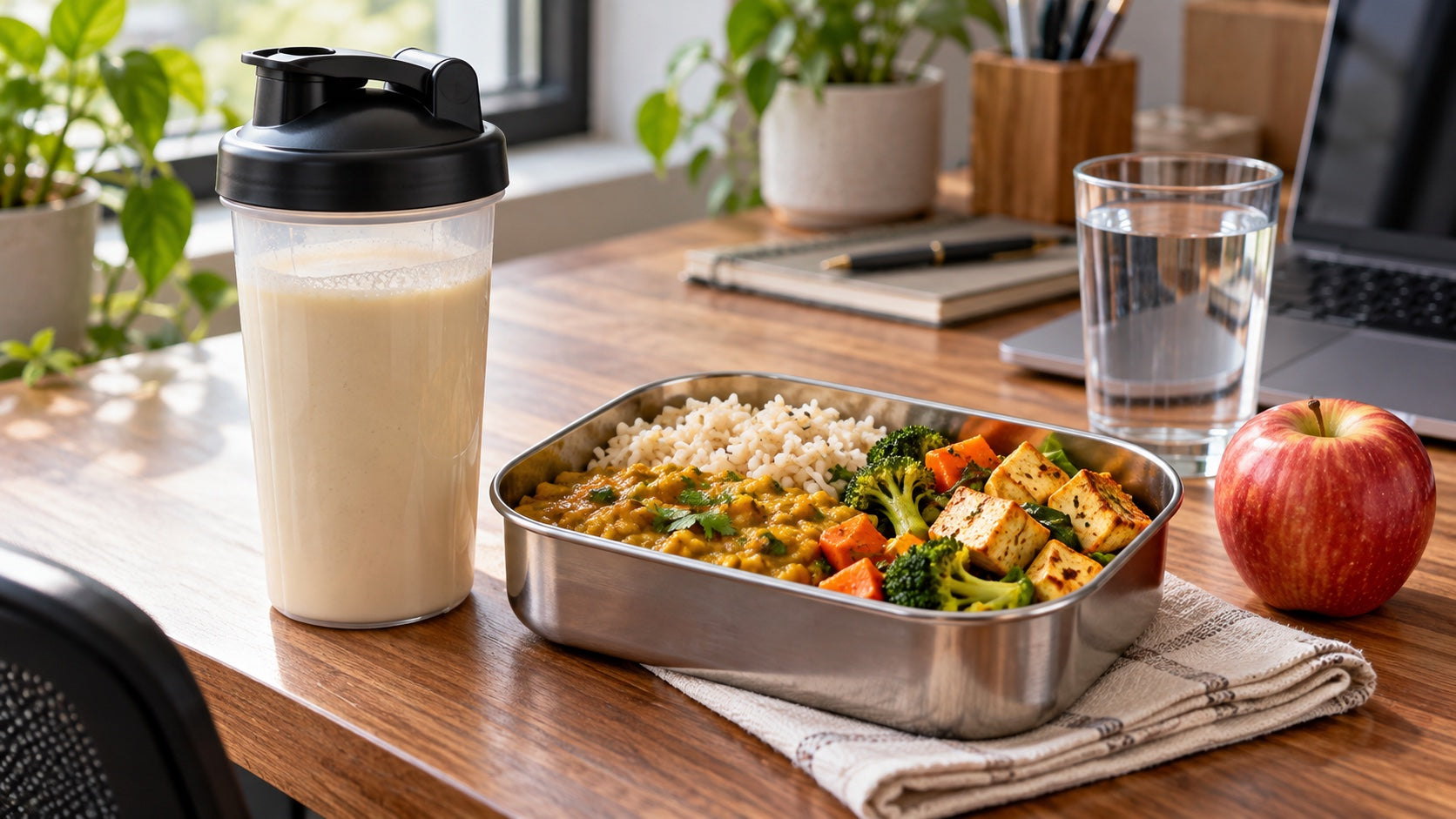
Count a shake and the meal beside it together. If you drink protein beside breakfast, count both. If you mix a powder with milk, the milk contributes protein and energy too. Fruit, oats, nut butter and other additions change the drink further.
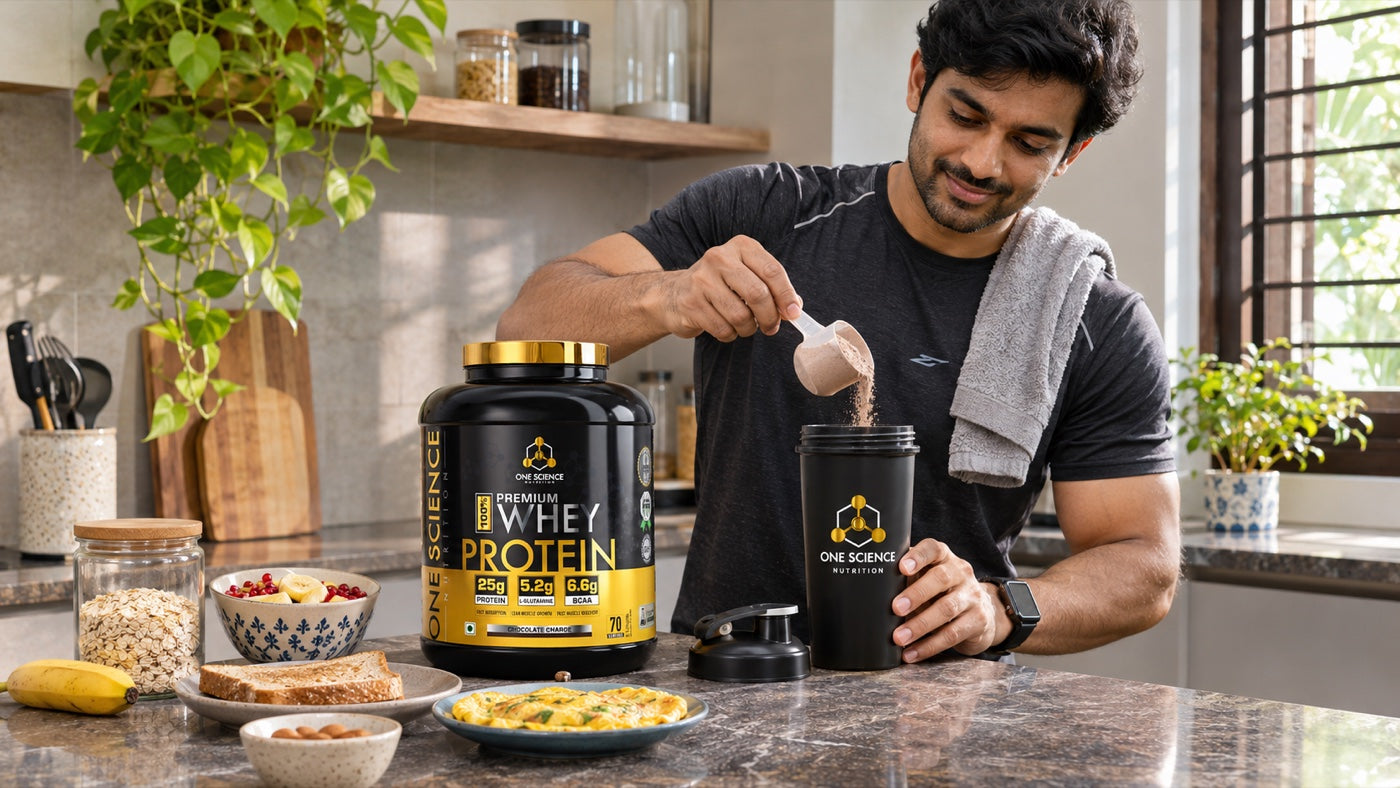
Suppose a breakfast already supplies 10 g of protein from its measured ingredients. Adding the Chocolate Charge serving of One Science Nutrition Premium Whey contributes another 25 g, bringing that example to 35 g. You do not have to remove food merely to force the meal back to exactly 30 g.
The more useful question is whether that combination fits your appetite and the rest of the day. If lunch will be early and substantial, a large breakfast shake may be unnecessary. If the morning is your main opportunity to eat properly, a more substantial breakfast might suit you.
Make breakfast less dependent on guesswork
Breakfast is often where the plan starts slipping. A meal can look large because it contains plenty of cereal, bread or fruit while offering relatively little protein. Those foods still have a place. Add a suitable protein source instead of treating carbohydrate as something to eliminate.
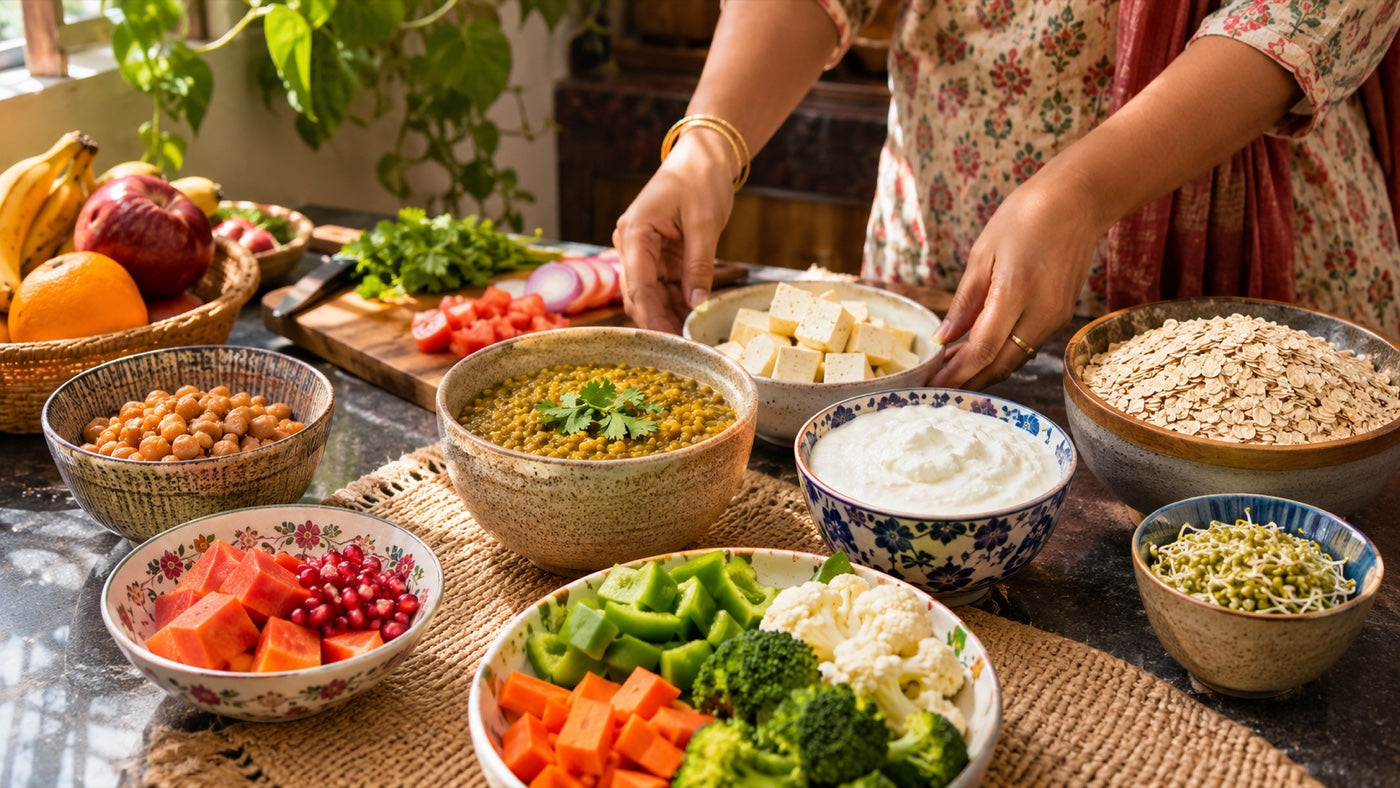
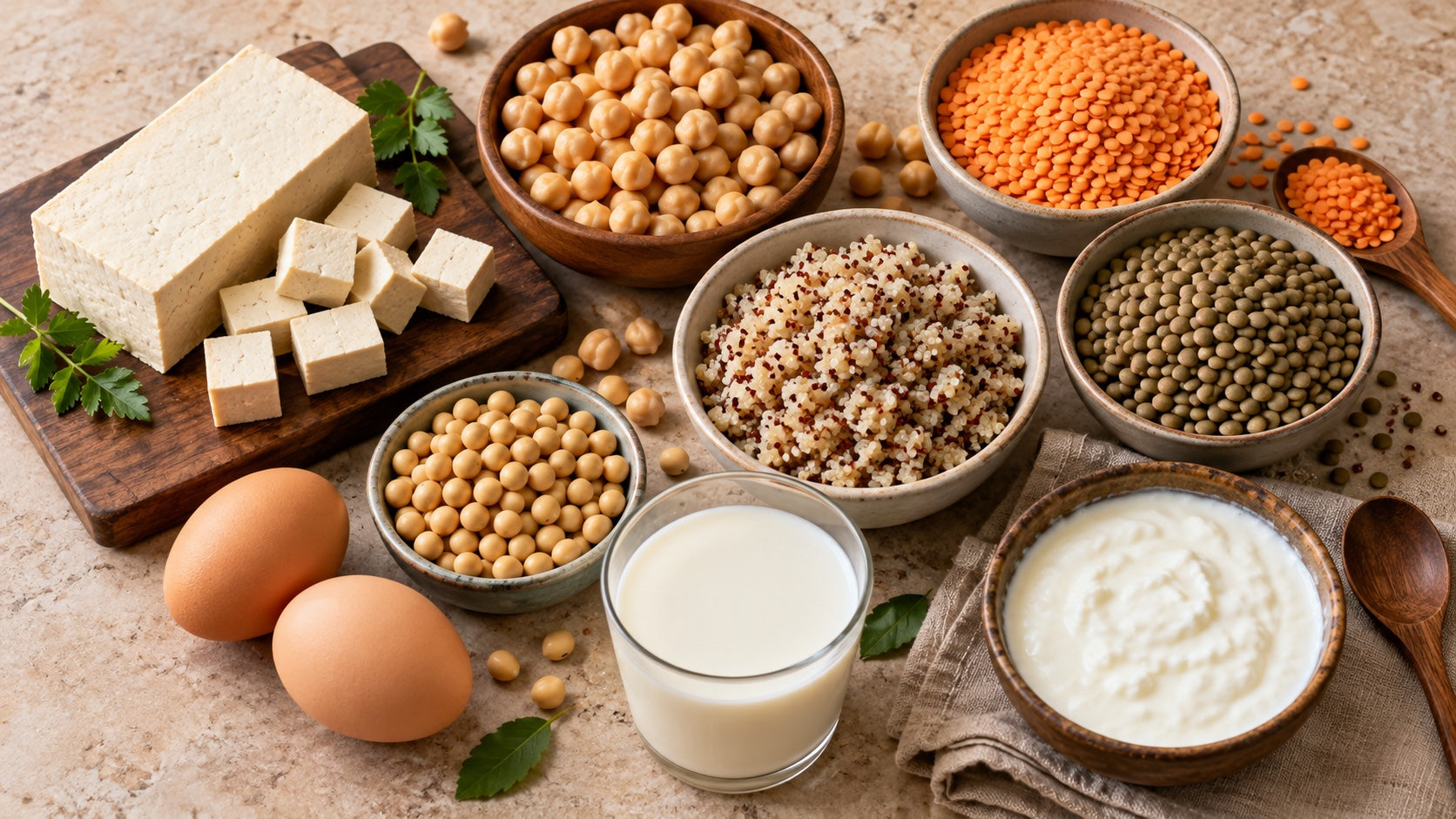
Possible anchors include eggs, curd, tofu or a properly planned pulse-based dish. Their quantities and protein content vary. Decide what you can prepare and enjoy regularly, then check whether it gets close to your intended meal contribution.
One Science Nutrition Premium Whey offers another practical route when breakfast preparation is rushed. Its Chocolate Charge serving contains 25 g of protein in 32.5 g of powder, with 117 kcal. The concentrate-and-isolate blend provides a defined contribution you can count alongside the rest of breakfast.
Two convenient products for different preferences
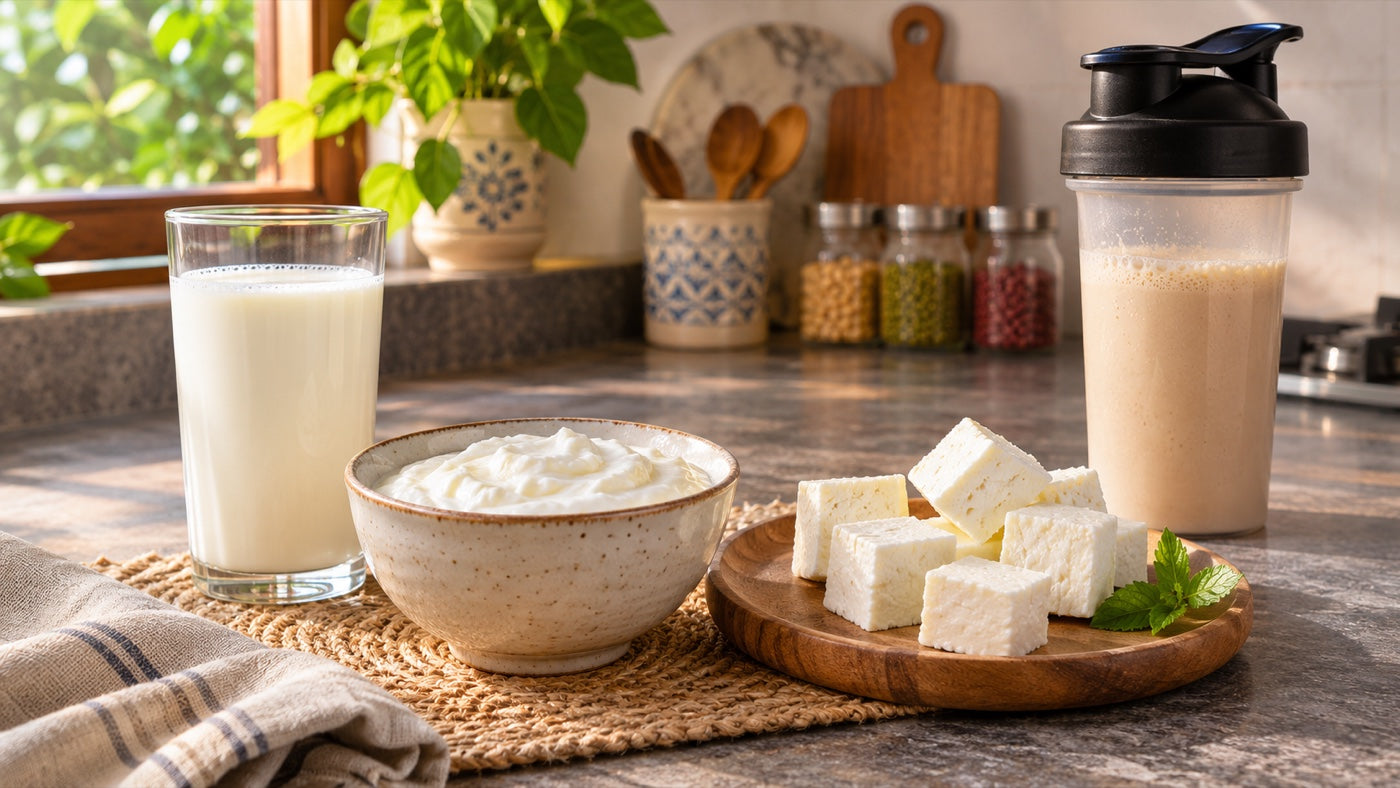
One Science Nutrition Premium Whey can sit beside a food-based meal or provide a convenient protein serving between meals. You do not need a complicated recipe. Use the selected pack's preparation directions and choose a time that fits your appetite.
The range includes flavours such as Chocolate Charge and Vanilla Swirl. Enjoyment matters when the plan involves repeated use. A product you are happy to prepare is easier to include than a routine built around flavours you dislike.
One Science Nutrition Premium Whey contains milk and soy and is unsuitable for milk allergy. It is not recommended for children, pregnancy or breastfeeding. Those points should shape the choice before you decide where the serving belongs.
One Science Nutrition Fermented Yeast Protein supplies 26 g of protein in its 36 g serving, with 144.57 kcal. Its source is yeast produced through fermentation. That makes it a different product choice from whey, rather than another name for a dairy powder.
For a person who wants to explore a different protein source, One Science Nutrition Fermented Yeast Protein can make an afternoon eating occasion easier to organise. Keep the meal or snack around it varied. A convenient protein serving does not replace the fruit, vegetables, grains and other foods that make the overall diet work.
Check the full ingredients, allergens and restrictions of the selected flavour before buying One Science Nutrition Fermented Yeast Protein. A different source does not automatically establish suitability for a particular allergy or medical diet. Choose on the actual product information and your requirements.
What if your meal pattern is uneven?
You do not need to rebuild everything tomorrow. Look at the eating occasion that consistently contributes the least protein and improve that first. Prepare a suitable food portion, change the canteen order or use a measured supplement where it solves a real inconvenience.
If you miss the afternoon snack, return to the next normal meal. There is no need to double a supplement serving or force a large amount before bed. Repeated habits matter more than making one day's spreadsheet look perfect.
Older adults, people managing medical conditions and those recovering from illness may need an individual plan. A sports-nutrition example for healthy adults should not become an automatic prescription for everyone in the family.
Put the portion into your routine
Choose meals you can repeat, count their actual protein and leave room for the foods you enjoy. If a convenient whey serving would help, explore One Science Nutrition Premium Whey. If you prefer a fermentation-derived alternative, explore One Science Nutrition Fermented Yeast Protein. Pick one suitable product and give it a clear place in the day.