Cart
0

Dry soybeans, dals and other pulses are concentrated plant-protein choices used in Indian cooking. Fish, chicken, eggs, dairy foods and suitable soy products can also make substantial contributions, depending on your diet. The highest-protein choice changes when you compare dry ingredients, cooked food, normal portions or protein relative to calories. Those are different comparisons, so a single universal ranking can mislead.
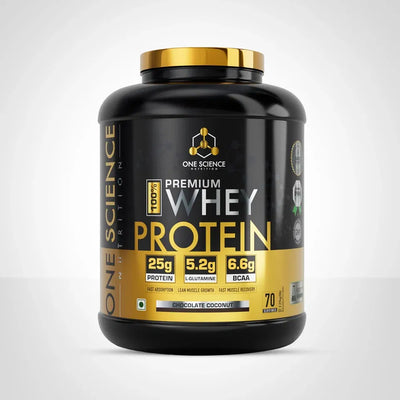
For a measured supplement alongside meals, One Science Nutrition Premium Whey provides a dairy-based option, while One Science Nutrition Pea Protein provides a plant-protein option. Their labelled serving figures are useful when you need convenience, but they do not replace the variety supplied by ordinary foods.
Decide what highest means before choosing a food
A dry ingredient can contain a high amount of protein per 100 g and still look very different after cooking. Added water increases the weight of cooked pulses or rice. Comparing dry dal with cooked chicken mixes two measurement bases and can make the result look more dramatic than it really is.
Normal portions also matter. A food eaten as a small garnish may contribute less protein to lunch than a food with a lower per-100-g value eaten in a substantial portion. The number that matters for your daily total is the amount in what you actually eat.
The ICMR-NIN Indian Food Composition Tables provide a reference for specific foods. When using a database, match the entry to the food and preparation rather than borrowing the most impressive number associated with a familiar name.
Soy foods deserve a place on the vegetarian shortlist
Soybeans, tofu, tempeh and soy chunks offer different ways to include soy in meals. They are not interchangeable entries in a nutrition tracker. Whole dry beans, a water-rich tofu block and a processed dry soy product have different compositions and preparation requirements.
Choose the form that works with your cooking routine. Tofu can be convenient for a quick dish, while dry soy products need the preparation described on their pack. Check the nutrition label and the amount you intend to use instead of assuming that every food containing soy supplies the same protein per spoonful.
Soy is also an allergen. A high protein number does not make it suitable for someone who needs to avoid it. Keep more than one appropriate option available so your eating pattern does not depend on a food that you cannot comfortably or safely use.
Dals and beans work best as substantial ingredients
Masoor, moong, urad, chana and rajma can all contribute to a protein-containing diet. Their usefulness depends on how much goes into the recipe and how the finished dish is divided. A thin soup with a small quantity of pulses is different from a substantial dal portion.
For shared cooking, begin with the dry ingredient total, account for the other ingredients and divide the finished recipe into the portions actually served. You do not need to weigh every meal forever, but checking a familiar recipe can improve your estimates considerably.
For example, suppose a recipe contains an assumed 48 g of protein before it is divided into four equal portions. Each portion would contain approximately 12 g. That is a hypothetical arithmetic example, not the fixed value of a katori of dal. Changing the recipe or portion count changes the result.
Dairy and eggs offer different portion choices
Milk, curd, paneer and strained yogurts can be useful for people who include dairy. Compare the actual product: regular curd, a high-protein yogurt and different paneer varieties should not all receive one generic value. Their fat and energy amounts can vary too.
Eggs can contribute where they are part of your diet, although many Indian vegetarian eating patterns exclude them. Be clear about that preference before using a food list or meal plan. A plan that reaches a target using foods you do not eat is not a practical plan for you.
You do not have to force every meal around the food with the largest isolated protein number. Taste, availability, preparation, cost and the other nutrients in the meal all help determine whether a choice will be useful across the week.
Fish and chicken can anchor non-vegetarian meals
For people who eat them, fish and chicken can provide substantial protein in a main meal. Match your food entry to the cut and preparation, and account for edible portion rather than weighing bones and assuming the entire weight is meat.
Cooking changes weight through moisture loss or gain. A value for 100 g raw chicken cannot simply be assigned to 100 g cooked chicken. A curry also includes gravy and other ingredients, so a bowl's total weight is not the same as the weight of the protein ingredient inside it.
Oil, coatings and sauces can change the energy contribution without turning the dish into a different protein source. If you are comparing meals for a particular goal, consider the complete preparation instead of judging only the ingredient name.
Protein per calorie answers another useful question
Sometimes the constraint is energy intake rather than appetite or cooking time. In that case, compare protein relative to calories as well as protein per portion. This does not make higher-energy foods bad; it simply answers a different planning question.
For a hypothetical label comparison, Food A provides 20 g of protein and 200 kcal per serving, while Food B provides 15 g and 100 kcal. Food A has more protein in its serving, but Food B provides more protein per 100 kcal. Both observations can be true at the same time.
Nuts and seeds illustrate why context matters without needing to be excluded. They can contribute protein and other nutrients, but a small topping may not supply the main protein portion you need. Use them deliberately alongside the rest of the meal.
A labelled dairy option: One Science Nutrition Premium Whey
Before deciding how large a protein portion needs to be, read our guide to daily protein requirements. The food comparison becomes more useful when connected to an appropriate daily amount.
One Science Nutrition Premium Whey combines whey concentrate and isolate. Its Chocolate Charge serving supplies 25 g of protein from 32.5 g of powder, with 117 kcal when prepared with water. That gives you a measured option when a meal or snack regularly leaves a protein gap.
Suppose your appropriate target is 110 g and your food provides 85 g. One listed serving would bring that example day to 110 g. Adding milk changes the calculation, so count the milk as part of the drink rather than treating it as nutritionally invisible.
The product contains milk and soy and is not recommended for children or during pregnancy or lactation. If a medical condition affects your diet, seek individual advice. Choose One Science Nutrition Premium Whey when its formula and practical preparation meet the need you have identified.
A plant-protein option when another cooked portion is inconvenient
One Science Nutrition Pea Protein provides 25 g of protein from a 40 g serving, with 5 g of fibre in the listed serving. It can be convenient when you prefer plant protein and want a clearly countable contribution alongside familiar meals.
The product is made in a facility that also processes milk, nuts and soy, so check its suitability for your allergy needs. It is not recommended for children or pregnant or lactating women, and people with medical conditions should obtain professional advice. Plant-based is a description of the protein choice, not a blanket safety guarantee.
For shopping, take a short list of foods you actually eat, compare their real portions and decide where cooking or convenience is the main obstacle. If a labelled plant serving would help cover a regular gap, explore One Science Nutrition Pea Protein. Build the rest of the day from a varied selection rather than trying to make one highest-protein food do everything.