Cart
0
Creatine can increase body water and body weight, particularly when someone begins with a loading phase. That does not mean the increase is body fat, and it does not mean everyone develops the same change. Research also differs on how total water and its distribution change over longer training periods. A rising scale number needs context before you decide what it means.
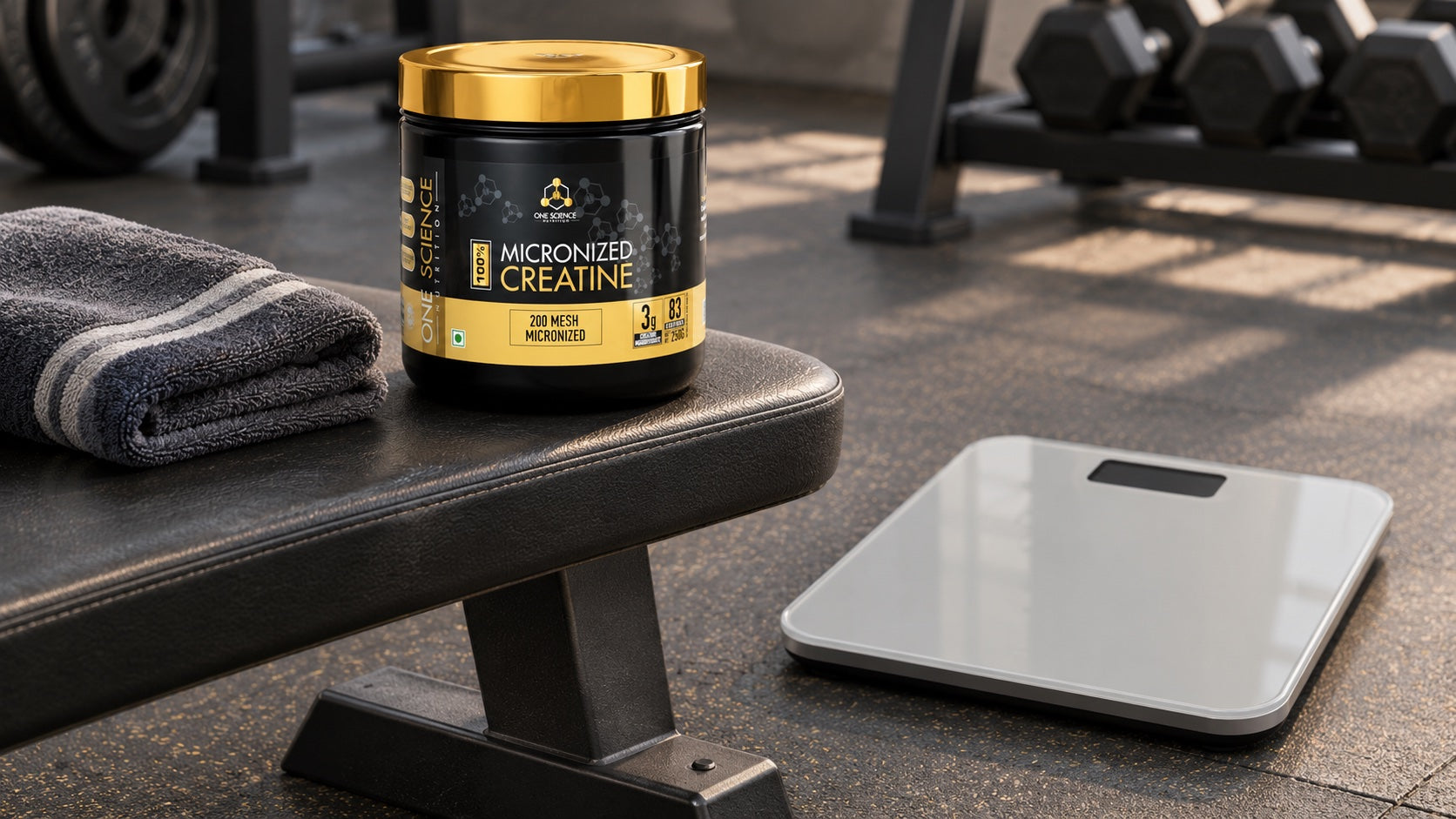
One Science Nutrition Micronized Creatine provides 3 g creatine monohydrate per 3 g serving. Its single-ingredient format makes it easier to track what you are adding, without confusing creatine with the carbohydrate, sodium or other ingredients in a larger supplement blend. The serving does not predict an exact amount of water-weight change for an individual.
Water weight, fat and muscle are different changes
Your body weight includes water, muscle, fat, bone and the food and fluid moving through your digestive system. A bathroom scale adds them together. It cannot tell you which component changed just because the reading went up after you started a supplement.
This is especially relevant during the first few days of a new routine. You may also be eating more carbohydrate, drinking differently, training harder or weighing at a different time. Each change makes it harder to attribute a short-term fluctuation to one cause.
Creatine's relationship with water is biologically plausible because it accumulates in muscle and influences the movement of water. The 2021 review of common creatine questions describes early increases in body water in some studies and mixed longer-term findings. It does not support a promise that every user gains a fixed number of kilograms.
Neither should an early weight increase be called new muscle automatically. Building muscle is a training adaptation assessed over time. A fast change on the scale may be useful information, but it cannot establish that a few days of supplementation have produced the same amount of new muscle tissue.
Is the water always inside muscle cells?
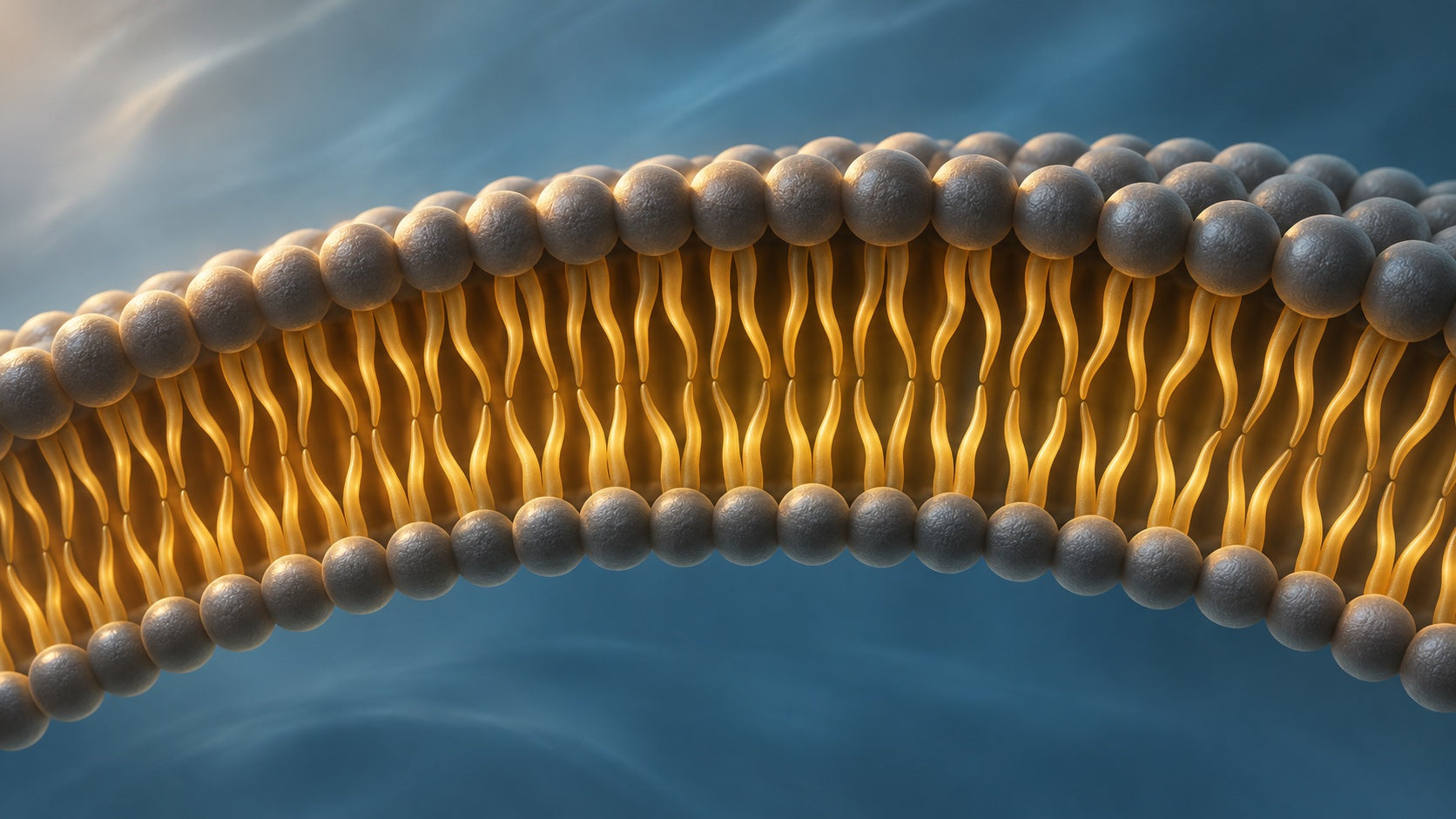
You may hear that creatine draws water into muscle and therefore cannot affect water elsewhere. That is too tidy an explanation for all the research. Water inside cells and water outside cells are measured as separate compartments, and findings depend on the study and protocol.
In a controlled 2003 creatine supplementation study, researchers found increased total body water and body mass without a change in fluid distribution. That finding cautions against assuming every creatine-related water increase occurs exclusively inside muscle cells. It also does not mean that every person will reproduce the result of that protocol.
The useful distinction for everyday decisions is simpler: an expected body-water change is different from unexplained swelling or illness. Do not dismiss persistent swelling, marked discomfort or other concerning symptoms because you read that creatine causes water retention. Those symptoms deserve assessment in their own right.
Likewise, the word bloating can describe several experiences. A higher morning scale reading, a feeling of fullness in the abdomen and visibly swollen ankles are different observations. Describe the actual change rather than using one word for all three and trying to solve them with the same supplement advice.
Loading changes how the first week looks
Many studies that report rapid early weight changes use a loading protocol. A loading phase involves a larger amount of creatine over a short period before a lower ongoing intake. You do not need to copy such a protocol simply because it appears in a study.
For One Science Nutrition Micronized Creatine, follow the current pack's recommended usage. Do not turn the 3 g serving into several servings a day to imitate a different protocol without qualified advice. More powder is not a way to guarantee more productive training or a preferred body-water response.
A consistent routine also makes monitoring more useful. Record the date you start, the amount used and any other supplements that contain creatine. If a pre-workout or mass gainer already includes creatine, that contribution belongs in the same daily total.
Do not alternate between large and small amounts in response to each morning's weight. That turns normal fluctuations into repeated changes in your routine. If you compete in a weight-category sport or need precise weight management, discuss timing and body-mass implications with a sports dietitian before introducing creatine.
Read the trend without reacting to every number
Consider a hypothetical adult who weighs 72.0 kg before beginning a new training phase and sees 72.8 kg several days later. The 0.8 kg difference alone cannot tell them how much is water, fat, food content or another component. It also cannot establish that creatine explains the whole change.
Use comparable weigh-ins if body weight is useful for your goal. Similar morning conditions and a pattern over several days are easier to interpret than an evening reading after a large meal compared with a morning reading before breakfast. Keep the measurement routine simple enough to follow consistently.
Pair weight with the information that matters for training: completed sessions, strength progression, energy and how you feel. Waist measurements or professional body-composition assessment may add context when appropriate, but no single home measurement perfectly separates all tissues and water compartments.
If monitoring creates anxiety or leads you to restrict food or water unnecessarily, step back and ask for support. A supplement should serve a training plan. It should not make hydration or the scale a daily contest.
What the product choice can and cannot settle
One Science Nutrition Micronized Creatine contains creatine monohydrate as its sole ingredient. That straightforward formula can suit adults who want to account for creatine separately from their protein or pre-workout. A 3 g measured serving is easy to enter into a supplement log and check against other products.
The word micronized describes the particle form. It does not guarantee that you will avoid water-weight changes, develop more muscle than with every other product or experience no digestive discomfort. Choose One Science Nutrition Micronized Creatine for its actual formula and a manageable routine, rather than a promise of a particular appearance.
Do not restrict water to prevent creatine-related weight gain, and do not force excessive litres because you started creatine. Your drinking needs still depend on exercise, conditions and health. A sensible hydration plan is separate from trying to manipulate a supplement's effect on the scale.
If you have kidney disease, another medical condition, take relevant medicines, or are pregnant or breastfeeding, seek individual professional advice before using creatine. Children should not follow an adult supplement routine. New swelling, rapid unexplained weight changes or reduced urination warrant medical attention rather than an online adjustment to servings.
Review One Science Nutrition Micronized Creatine if a clearly measured creatine supplement fits your training. Expect to interpret body weight patiently. Early water retention can occur, but an exact amount, location or long-term appearance cannot be promised from the product name or one scale reading.