Cart
0
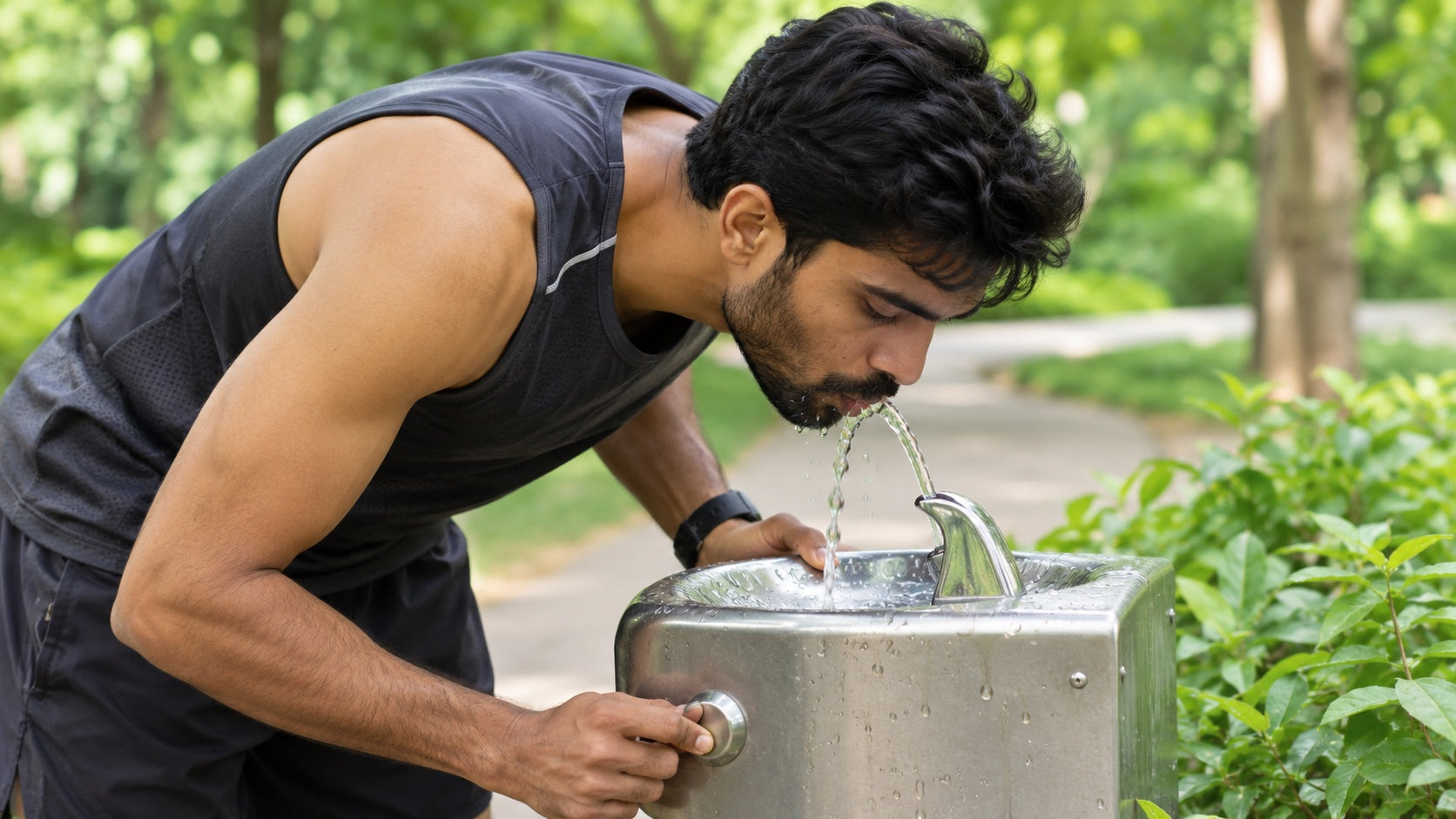
There is no single amount of water that suits every workout. Your needs change with exercise duration, intensity, weather, clothing and sweat losses. For many ordinary sessions, access to water and responding to thirst are useful starting points. Longer or hotter sessions may benefit from an individual plan, but forcing large amounts of fluid can also be dangerous.
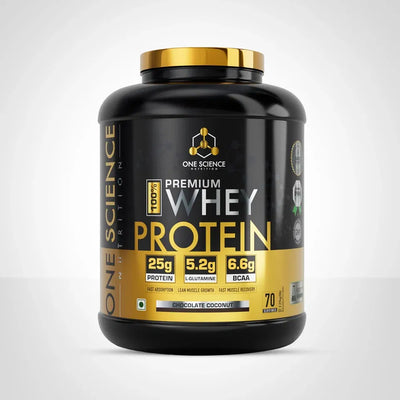
Keep hydration and recovery nutrition as separate decisions. One Science Nutrition Premium Whey can help fill a protein gap after training, but it is not a replacement for an appropriate drinking plan. The water in a shake contributes to fluid intake; the powder's main role is providing protein.
Why one hourly number can mislead
Imagine two people spending an hour exercising. One walks on an indoor treadmill with air conditioning. The other runs hard outdoors on a humid afternoon. Matching their water intake simply because both sessions last an hour ignores the conditions that affect sweat loss.
Even the same person may need a different approach across seasons and sports. A cycle ride, a weights session and a crowded indoor class involve different clothing, air movement and opportunities to drink. A plan that worked on a cool morning deserves another look before a hot race.
The Korey Stringer Institute hydration guide explains that hydration needs are individual and affected by factors such as exercise intensity and conditions. The practical aim is to arrive prepared, keep fluid accessible and learn how your own sessions affect you.
Thirst is useful information, particularly when the alternative is drinking to an arbitrary target. It does not remove the need to arrange safe access to water. If you regularly finish training desperate for a drink because none was available, change the route, venue or preparation rather than treating that inconvenience as part of the workout.
Estimate sweat loss during a normal session
An occasional before-and-after body-weight check can help you understand your sweat losses. Use the same scale, similar minimal dry clothing and a session that represents your usual training. Account for fluid consumed and any urine passed. Wet clothes or a large meal between measurements can distort the result.
The calculation estimates sweat loss from the change in body mass, then adjusts for drinking and urine. The Gatorade Sports Science Institute fluid-loss calculator explains why repeating the assessment in different conditions can be useful. One measurement is a snapshot of that session, rather than a permanent personal number.
For a hypothetical example, suppose an adult weighs 70.0 kg before training and 69.4 kg afterwards. They drink 0.4 litres during the one-hour workout and do not urinate. The 0.6 kg reduction plus 0.4 litres consumed suggests approximately 1.0 litre of sweat loss over that hour, using the practical approximation that 1 kg of water is about 1 litre.
That calculation does not instruct everyone to drink 1 litre per hour. It describes one person's estimated loss in one set of conditions. Repeat it on another representative day, look for a pattern and use the result to discuss a manageable drinking plan if you train for long events.
Do not use immediate post-workout weight loss as evidence of fat loss. Replacing water can bring much of that change back. Chasing a lighter number by avoiding drinks makes the scale less useful and can make training less safe.
Drinking more is not always better
Overdrinking can dilute blood sodium, particularly during prolonged exercise. This condition is called exercise-associated hyponatraemia. It can occur with excessive intake of water or sports drinks; adding electrolytes does not make unlimited drinking safe.
The Wilderness Medical Society guideline summary identifies drinking in response to thirst as an important way to reduce this risk during prolonged exertion. It also explains that symptoms can overlap with heat illness. That overlap is a reason to seek help rather than assuming an unwell athlete simply needs more water.
Confusion, collapse, severe headache or repeated vomiting during or after exercise require urgent medical assessment. Stop exercise and get assistance. Do not attempt to diagnose the problem from sweat, thirst or a single scale reading, and do not force fluids into someone who is confused or unable to drink safely.
For routine training, avoid setting a challenge to empty a large container regardless of thirst. A sensible plan should accommodate conditions and comfort. Persistent unexplained thirst, unusual swelling or difficulties managing fluids deserve professional advice, especially with kidney or heart conditions or medicines that affect fluid balance.
When electrolytes and carbohydrate enter the decision
Long, sweaty sessions can create needs beyond plain water. Electrolytes replace minerals lost in sweat, while carbohydrate can supply fuel during sustained exercise. These are related planning questions, but they are not interchangeable functions.
A short gym session with normal meals does not automatically need a sports drink. For endurance events, repeated training bouts or heavy sweating in heat, a sports dietitian can help coordinate fluid, sodium and carbohydrate without making any one of them excessive. Test the plan during training rather than introducing an unfamiliar concentrated drink on race day.
In Indian conditions, consider the actual venue. A morning run before sunrise and an afternoon session outdoors can involve very different heat exposure. Access to shade, rest and cooling matters alongside what you drink. Water cannot make an unsafe heat load harmless.
Place the protein shake after the hydration decision
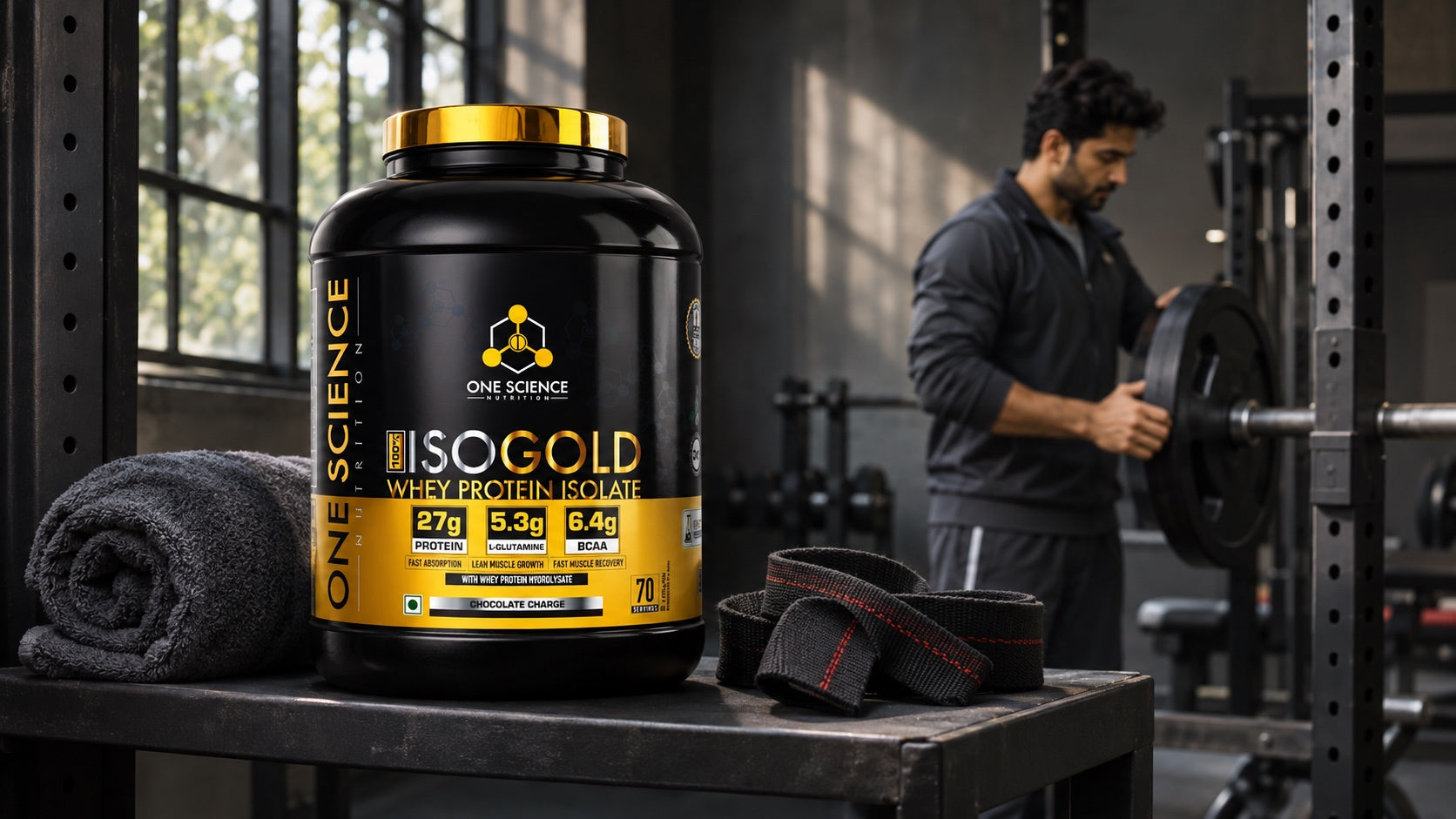
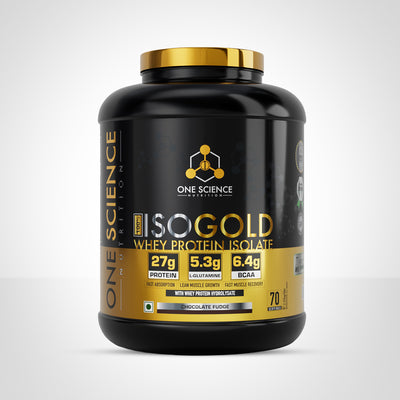
One Science Nutrition Premium Whey in Chocolate Charge supplies 25 g protein in 32.5 g powder, with 117 kcal per serving. Its whey concentrate and isolate blend offers a straightforward way to add a counted protein serving when your usual meals leave a gap. It contains milk and soy, so suitability depends on your allergies and dietary needs.
Suppose you finish training, drink according to your needs and have a meal planned soon. You may already have enough protein without adding a shake. On another day, a delayed meal may make a measured serving of One Science Nutrition Premium Whey useful. In both cases, decide from the day's food contribution, rather than treating the shake as mandatory because you sweated.
Mixing with water makes the drink's additional fluid easy to count. Milk adds its own nutrients and energy. Neither preparation turns One Science Nutrition Premium Whey into an individual electrolyte prescription or a treatment for heat illness. The product is not recommended for children, pregnancy or lactation; medical circumstances need individual advice.
Explore One Science Nutrition Premium Whey when a convenient protein serving fits your recovery meals. For water during the workout, keep the decision grounded in thirst, access, conditions and your own observed losses. A repeatable plan should help you train comfortably without making either dehydration or excessive drinking a goal.