Cart
0
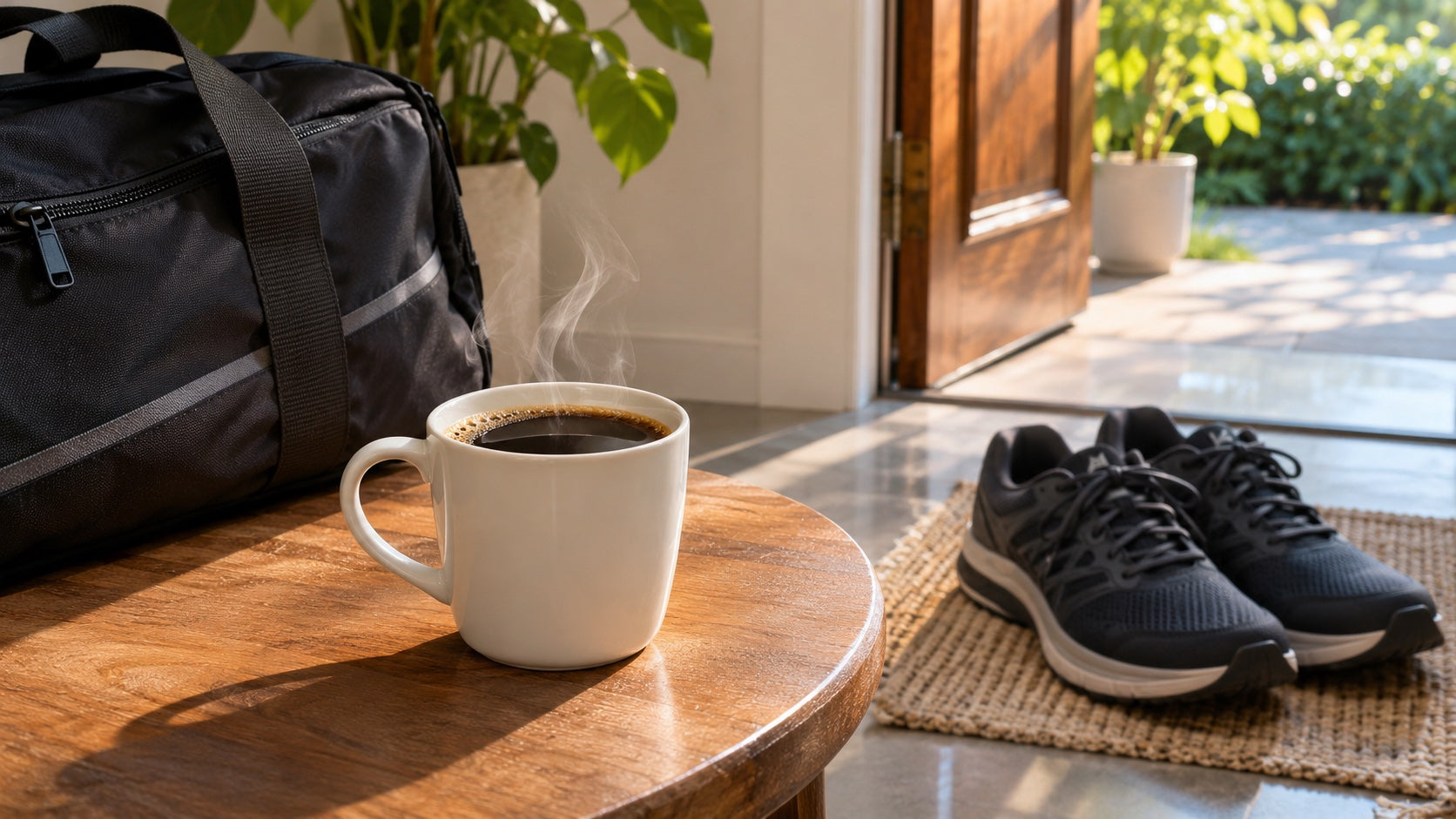
Coffee can be a practical choice when you want caffeine in a familiar drink. A pre-workout can suit someone who wants a particular combination of ingredients in a measured serving. Neither is automatically better for every workout. Compare caffeine, the rest of the formula, tolerance, preparation and the time left before bed before deciding whether either belongs in your routine.
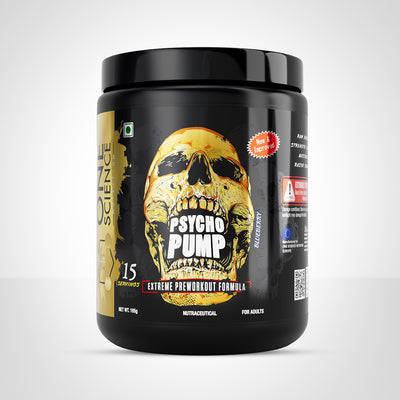
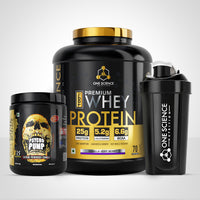
One Science Nutrition Psycho Pump provides a useful example of the difference. It contains caffeine alongside beta-alanine, creatine monohydrate, L-arginine, L-citrulline and L-tyrosine. Coffee does not provide that same formula. At the same time, having a longer ingredient list does not establish that a finished pre-workout will produce a better result for you.
Compare the purpose before the drinks
Begin by naming what you expect from the choice. You may want a familiar morning routine, help with alertness before a demanding session, or a convenient way to take a specific combination of sports nutrition ingredients. These are different reasons to buy something.
If the actual problem is a skipped lunch, poor sleep or an unrealistic training plan, neither drink fixes it. It is easy to turn persistent tiredness into a search for a stronger pre-workout. Check the basic routine first, particularly when you feel unable to train without a stimulant.
The International Society of Sports Nutrition position stand on coffee and sports performance reviews evidence that caffeinated coffee can support aspects of exercise performance. That is a reason to take coffee seriously as an option. It is not proof that every home brew provides a predictable caffeine serving or that coffee works for every athlete.
Caffeine amount is a better comparison than cup versus scoop
A cup is a container size. A scoop is a portioning tool. Neither tells you the caffeine amount without more information. Coffee varies with beans, preparation and the quantity used. Pre-workouts differ across formulas and serving sizes, so the category name alone cannot settle the comparison.
For a fair decision, note the caffeine information for the exact drink or product you plan to use. If you cannot establish it, acknowledge that uncertainty rather than assuming all coffees or all pre-workouts are equivalent. Do not add more powder simply because a previous brand used a bigger scoop.
Consider a hypothetical choice between two drinks that each provide 100 mg caffeine. Matching that number would control one part of the comparison, but their ingredients, taste, cost and tolerance could still differ. The example is not a claim about a particular coffee or One Science Nutrition Psycho Pump, and 100 mg is not a recommendation for every reader.
Count the rest of the day too. A pre-workout taken after several coffees adds to the same caffeine total. Taking both together makes it harder to assess tolerance and can create an unnecessary stimulant overlap. Choose a clear routine rather than combining products to see which feels stronger.
What the additional ingredients change
One Science Nutrition Psycho Pump supplies 4 g beta-alanine, 2 g creatine monohydrate, 2 g L-arginine, 1 g L-citrulline and 850 mg L-tyrosine in an 11 g serving. Its directions are to mix that serving with 200 ml water or juice before training, with a maximum of one serving daily.
Those details make the product a specific formula that you can assess. They do not make it interchangeable with every research protocol involving those ingredients. An individual ingredient study cannot establish the effect of the complete combination at the amounts in your serving.
Included creatine also matters if you use a separate daily creatine supplement. The 2 g in One Science Nutrition Psycho Pump counts towards your total. Buying a pre-workout and buying a creatine tub are separate decisions, but using them on the same day creates one combined intake that needs checking.
Coffee may be preferable if you do not want the extra ingredients and already enjoy the drink. One Science Nutrition Psycho Pump may be worth considering if you want its particular combination and it suits your health, schedule and existing supplements. The decision should follow the formula, rather than an assumption that a sports product must outperform an ordinary beverage.
Preparation, stomach comfort and daily use
Coffee needs brewing or buying, and its usual serving may be convenient before a morning commute. A measured powder needs water, a suitable place to mix it and attention to the directions. Think about the routine you will actually follow, rather than an ideal routine that works only at home.
Milk, sugar, syrup and other coffee additions also change what you drink. Black coffee and a large sweetened café drink are different food choices even when both are described as coffee. Include those additions when you track energy or consider how close to training the drink feels comfortable.
Likewise, mixing a pre-workout with juice changes the drink compared with mixing it with water. The preparation should serve the session and your preferences without obscuring the product serving. Never dry scoop a pre-workout, and do not use an oversized serving to shorten the wait before exercise.
Stomach comfort is personal. Trial a sensible routine on an ordinary training day, using one approach at a time. Note the drink, preparation, meal timing and session. That gives you something useful to compare the next time, instead of relying on whether the branding or immediate sensation felt more impressive.
The evening-workout test
Both options can contain caffeine, so switching from pre-workout to coffee does not automatically solve an evening sleep problem. The 2023 caffeine and sleep meta-analysis found that caffeine can affect subsequent sleep, with dose and timing influencing the result. There is no single bedtime gap that guarantees normal sleep for everyone.
If your only training slot is late at night, consider doing the session without either caffeinated choice. A good training routine includes the recovery opportunity afterwards. Feeling more awake during the session is a limited benefit if the routine repeatedly leaves you sleeping poorly.
A useful buying decision
Before purchasing, compare the cost of the amount you will actually use, rather than the price of a tub against the price of one coffee. Include how often you train, whether you want all the ingredients and whether another product already supplies some of them. Avoid treating unused ingredients as automatic extra value.
Review One Science Nutrition Psycho Pump if a measured multi-ingredient pre-workout fits that decision. It is intended for adults and is unsuitable for under-18s, pregnant or breastfeeding women and caffeine-sensitive individuals. Follow its medical warnings, including physician advice for relevant heart, thyroid or diabetes concerns.
Choose coffee when a familiar caffeinated drink meets your purpose and fits your tolerance. Choose a suitable pre-workout when you want the actual formula and have checked the complete serving. Choose neither when sleep, health or a simple training session makes caffeine unnecessary. The useful choice is the one you can explain without relying on the word stronger.