Cart
0

Build a high-protein vegetarian diet by choosing an appropriate daily target, giving each main meal a substantial protein source and keeping practical alternatives for busy days. Use a mix of pulses, soy foods, dairy where included, grains, nuts and seeds. A protein powder can help with a regular gap, but the eating pattern should still supply variety and enough overall food.
One Science Nutrition Pea Protein offers a convenient plant-protein serving, while One Science Nutrition Premium Whey is an option for adults who include dairy. Decide which format, if either, supports your meals before adding a supplement to every eating occasion.
Start with the version of vegetarian eating you follow
A lacto-vegetarian diet includes dairy, while a vegan diet excludes animal products. Some vegetarian eating patterns include eggs and others do not. Write down your own preferences and exclusions so your plan does not depend on foods you will not eat.
MedlinePlus describes these different vegetarian patterns and the need to pay attention to nutrients such as protein, iron, calcium, zinc and vitamin B12. The label vegetarian is therefore a starting point for planning, not a complete description of the diet's nutritional content.
Include practical limits too. Consider allergies, cooking equipment, access to refrigeration and whether you eat at home, in a canteen or from restaurant deliveries. A plan that ignores those details can look excellent on paper and still fail on an ordinary Tuesday.
Use a suitable target without making every meal identical
Our guide to daily protein needs explains the general calculation and its limits. Use it as background before setting up your meals.
Protein needs depend on body size, age, activity and health. If you are training regularly or changing your diet substantially, a dietitian can help choose an appropriate daily target. Do not assume that a high-protein plan found online was designed for your circumstances.
For illustration, suppose an appropriate target is 100 g daily. You could plan 25 g at breakfast, 30 g at lunch, 15 g through a snack and 30 g at dinner. Those assumed contributions add to 100 g, but the pattern is only a planning example, not a prescription or the measured value of specific dishes.
The purpose is to prevent most of the protein being left until dinner. Your actual portions may be distributed differently. Build the plan around meals you can eat comfortably and repeat, then check the total instead of forcing every meal to meet an identical number.
Give breakfast a dependable protein source
If breakfast is usually tea with a small snack, start by making it a real eating occasion. Depending on your preferences, that could involve a pulse-based dish, tofu, dairy or another suitable protein-containing food. Keep the preparation simple enough to repeat on workdays.
Prepare part of the task ahead where useful. You might organise ingredients the previous evening or choose an option that requires little cooking. The goal is to make breakfast easier to carry out, rather than creating a more complicated recipe that you abandon after two days.
If a supplement is the convenient part, decide what food will accompany it and where the drink's protein belongs in the total. A powder should not become an excuse to ignore appetite, fruit, grains and the other parts of a satisfying breakfast.
Build lunch and dinner around substantial ingredients
Choose a meaningful portion of dal, beans, tofu, another soy food or dairy where appropriate. Then arrange the rest of the meal around your appetite and energy needs. You can keep familiar roti, rice, vegetables and seasonings rather than treating high protein as a completely separate cuisine.
For shared cooking, estimate the ingredient contribution across the full recipe and divide it by the actual servings. A large pot containing a small amount of pulses will not provide the same protein per portion as a recipe using more. Rechecking a few regular dishes can improve your estimates without making cooking feel like a laboratory exercise.
Restaurant and canteen meals need similar judgement. Look for the substantial protein-containing component instead of assuming every vegetarian thali supplies the same amount. If lunch options vary unpredictably, keep a suitable fallback for the days when that component is small or missing.
Plan a useful snack instead of collecting small additions
A snack can help cover a gap between meals, but several tiny protein contributors may still add up to less than you expect. Nuts, seeds and spreads can be useful foods without needing to carry the entire daily protein plan.
Choose the snack for a reason: convenience, appetite, an identified shortfall or a long time before dinner. You may prefer a suitable dairy portion, a soy-based option, another familiar food or a labelled protein drink. The choice should be easy to prepare and appropriate for your dietary restrictions.
If you often miss the snack because it needs refrigeration or preparation you cannot manage at work, change the format. Solving that practical obstacle is usually more useful than keeping the same unrealistic plan and adding another supplement purchase each week.
Use One Science Nutrition Pea Protein where cooking is difficult
One Science Nutrition Pea Protein supplies 25 g of protein from a 40 g serving, with 5 g of fibre in the listed serving. It can provide a predictable plant-protein contribution when the challenge is convenience rather than a lack of vegetarian food choices.
Suppose your planned meals supply 75 g against the hypothetical 100 g target. One listed serving would cover the example 25 g difference. If meals already meet the target, there is no automatic need to add it simply because the diet is vegetarian.
Follow the purchased pack's preparation and storage instructions. The product page declares a facility that also processes milk, nuts and soy, so check allergy suitability. It is not recommended for children or pregnant or lactating women, and medical conditions require professional advice.
Consider One Science Nutrition Pea Protein if this labelled serving would make a difficult eating occasion easier. Keep the rest of the meal pattern varied rather than trying to cover every nutritional need with the powder.
Choose the whey alternative when dairy fits your diet
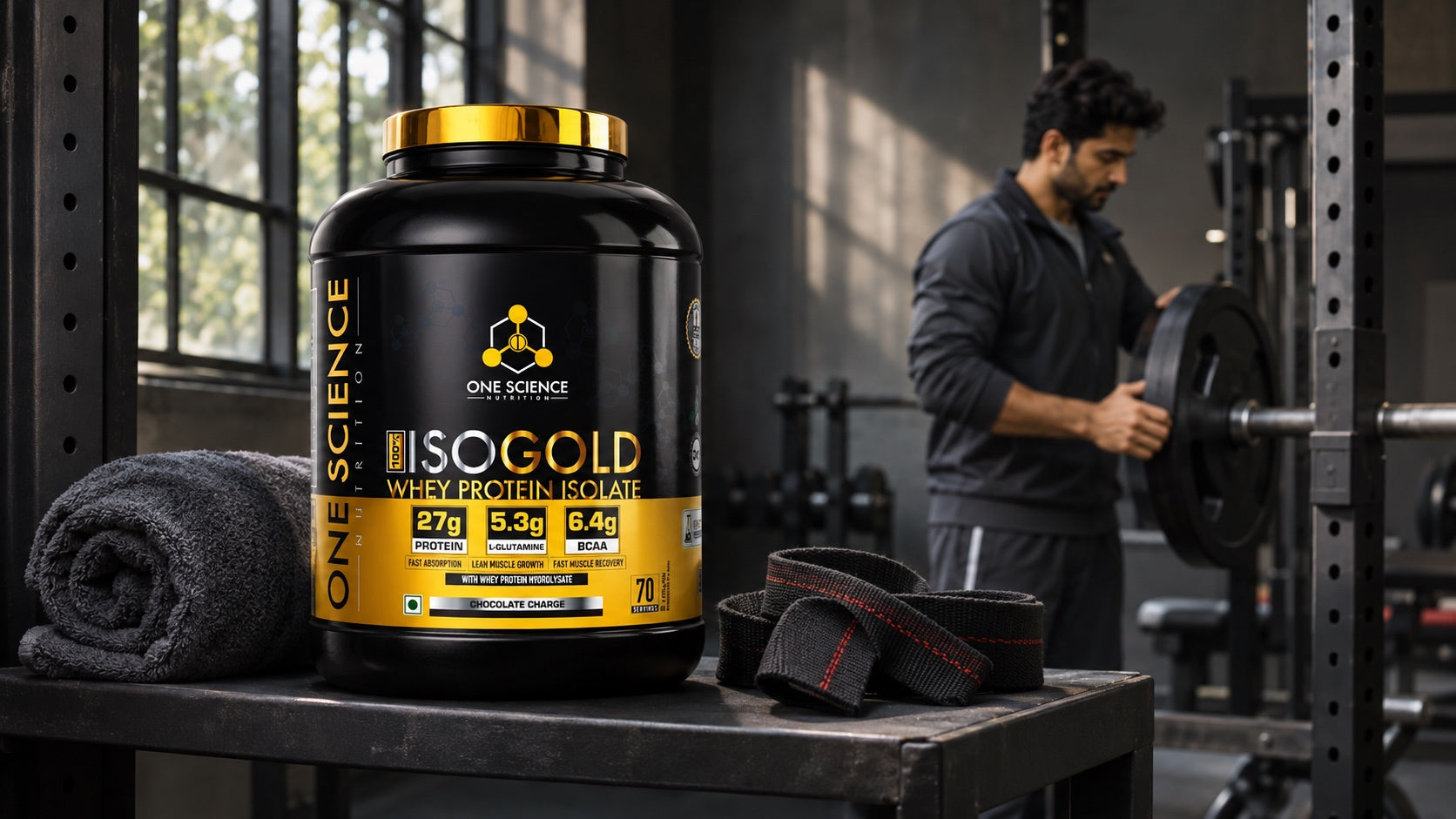
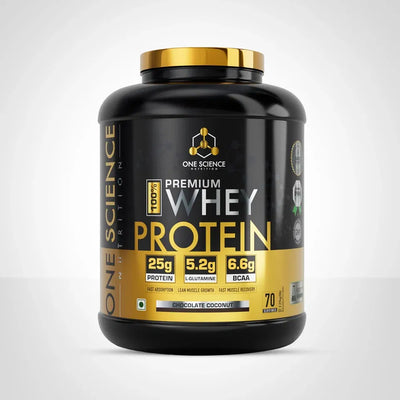
One Science Nutrition Premium Whey provides a concentrate-and-isolate blend. The Chocolate Charge serving contains 25 g of protein from 32.5 g of powder, with 117 kcal when prepared with water. It is a dairy-based alternative for adults whose preferences and allergen needs allow it.
Use it as an alternative to the plant-protein serving where appropriate, rather than assuming that both products must be taken together. If you mix it with milk, include the milk's protein and energy. The complete drink is what contributes to the day.
One Science Nutrition Premium Whey contains milk and soy and is not recommended for children or during pregnancy or lactation. Explore One Science Nutrition Premium Whey when a dairy-based measured serving is the convenient option you need.
Leave room for the nutrients a protein total cannot describe
A diet reaching its protein target can still need attention elsewhere. Health Canada's vegetarian guidance highlights iron, zinc, vitamin B12 and variety. Fortified foods and appropriate supplements may be needed for particular nutrients, especially when major food groups are excluded.
Do not assume a protein powder automatically covers vitamin B12 or replaces a planned source of calcium. Check actual food labels and seek individual guidance where necessary. A vegan eating pattern needs deliberate attention to vitamin B12 rather than relying on an unverified ingredient association.
For the coming week, write a short shopping list for the meals you already plan to cook, choose one realistic fallback and review the eating occasion you most often miss. That gives your high-protein vegetarian diet a workable structure while preserving the foods, preferences and daily routine that make it yours.