Cart
0

BCAAs are three essential amino acids: leucine, isoleucine and valine. They have normal roles in muscle metabolism, but that does not mean a separate BCAA supplement produces extra muscle growth or better recovery for everyone. When your diet already provides enough suitable protein, the additional benefit of isolated BCAAs is uncertain.
If you want a flavoured amino-acid drink with clearly listed ingredients, One Science Nutrition Advanced BCAA is an option to compare. Its listed serving contains 5 g of BCAAs within 10 g of powder. Start by understanding what that serving does and does not supply, rather than treating the word benefits as a promise about every training result.
The role of an amino acid is different from the benefit of a supplement
Your body needs essential amino acids from the diet because it cannot make sufficient amounts of them. BCAAs are three members of that larger group. They are already present in protein-containing foods and in complete protein supplements such as whey.
Leucine helps signal processes involved in making muscle proteins, but muscle tissue cannot be built from a signal alone. The other essential amino acids must also be available, as the Gatorade Sports Science Institute's explanation of BCAA metabolism discusses. This is why a BCAA drink should not be counted as nutritionally equivalent to a serving of complete protein.
Think of the practical question in two parts. First, are you eating enough protein from appropriate sources? Second, is there a specific reason to consider a separate amino-acid product? Answering the first question often changes what you expect from the second.
What the evidence says about common BCAA claims
The NIH Office of Dietary Supplements describes inconsistent evidence that BCAA supplements improve performance, build muscle or aid recovery. It also notes that adequate high-quality dietary protein already supplies BCAAs.
That does not mean BCAAs have no biological function. It means the function of the ingredient should not be confused with a reliably demonstrated extra benefit from buying more of it. Research involving a particular supplement, dose, diet and exercise task also cannot automatically be applied to every commercial formula.
When comparing claims, keep the outcome specific. Less reported soreness, a change in a blood marker, a stronger workout and greater muscle size are different results. An improvement in one does not establish an improvement in all the others.
Do BCAAs help build more muscle?
A separate BCAA product is not a substitute for adequate complete protein and resistance training. If your food intake is low in protein, improving that intake addresses more of the nutritional requirement than adding only three essential amino acids.
For example, someone who skips breakfast and has a small lunch may have a broader protein-planning problem. A flavoured BCAA drink during training does not replace the meals that were missed. Building a useful eating pattern should come before adding several supplements to the same incomplete diet.
If your meals already meet your needs, be equally clear about expectations. You can choose an amino-acid drink for a practical preference, but should not assume it will add muscle that your existing food and training would not otherwise support. The purchase should have a defined role.
Soreness is an imperfect way to judge recovery
People often try BCAAs because the day after a new workout feels uncomfortable. However, next-day soreness is not a direct measure of how much muscle you built. A less sore session is also not proof that every part of recovery has improved.
Look at the training change that preceded the soreness. A new exercise, unfamiliar volume or a rapid increase in workload can make one session unlike the previous week. If several things changed at once, it is difficult to attribute the next day's experience to one drink.
Use food, sleep and a sensible training progression as the foundation of recovery planning. Severe pain, swelling, weakness or symptoms that do not behave like ordinary post-exercise soreness deserve medical attention. A supplement should not be used to keep training through a possible injury.
Read One Science Nutrition Advanced BCAA as a complete formula
One Science Nutrition Advanced BCAA provides 5 g of BCAAs per listed 10 g serving. Its BCAA amounts are 2.5 g leucine, 1.25 g isoleucine and 1.25 g valine. This is the 2:1:1 ratio: two parts leucine to one part each of the other two amino acids.
The formula also includes glutamine, citrulline DL-malate and electrolytes. The 10 g scoop is therefore not 10 g of BCAAs. Similarly, the citrulline DL-malate ingredient should not be treated as an identical weight of pure L-citrulline when comparing it with other products or research.
The labelled preparation is 10 g mixed into 250 ml of cold water. Follow the directions and warnings on the purchased pack rather than increasing the serving to imitate a study using a different formula. A more concentrated or larger drink does not automatically create a better result.
Explore One Science Nutrition Advanced BCAA if you specifically want this amino-acid-and-electrolyte format. Judge it by the actual ingredients and your preference for that drink, while keeping realistic expectations about additional training benefits.
Would a complete protein serving address the bigger need?
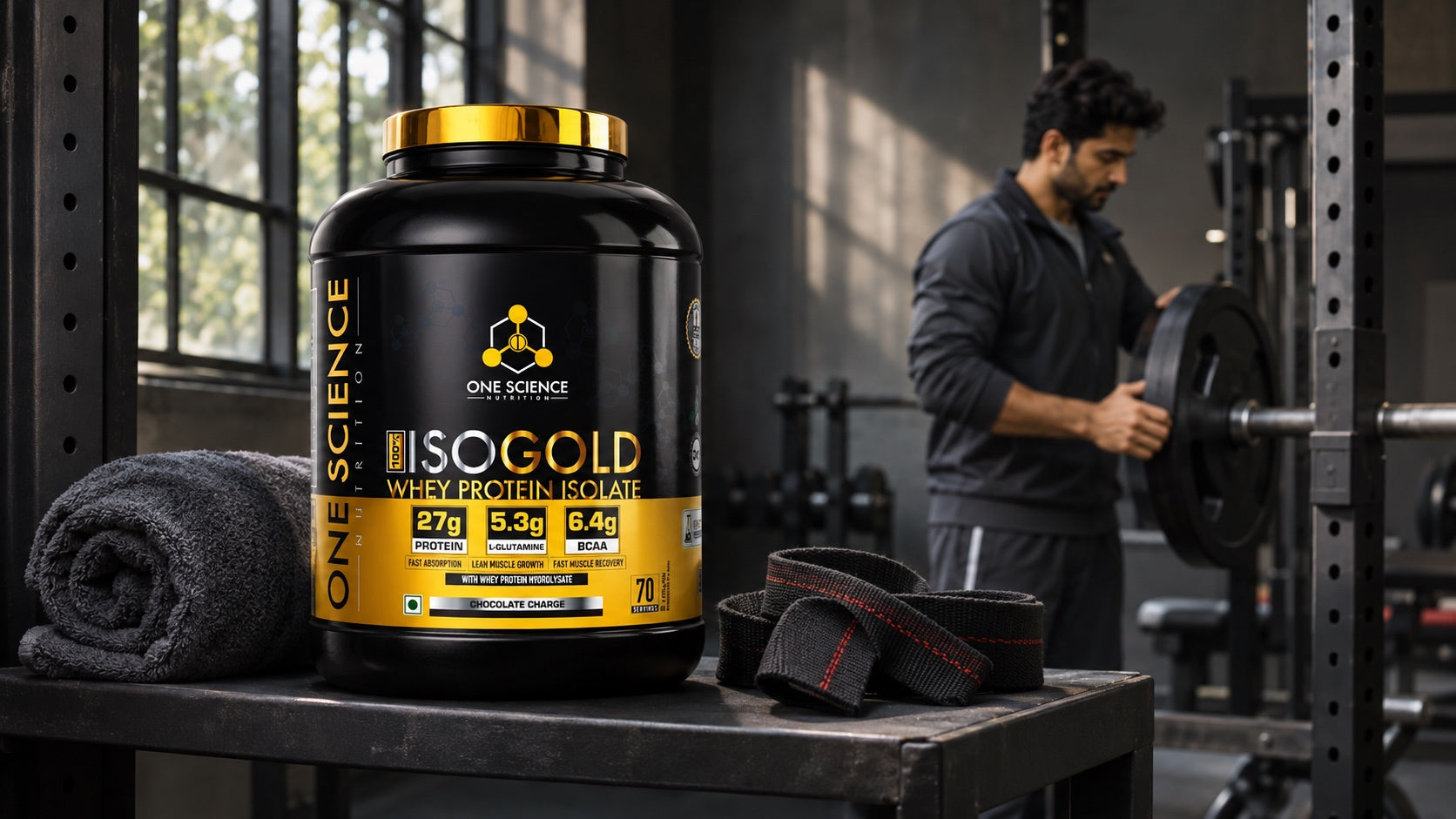
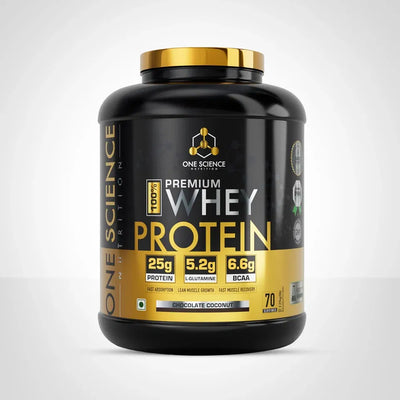
If the problem is a daily protein shortfall, One Science Nutrition Premium Whey may be the more directly useful product to consider. The Chocolate Charge serving supplies 25 g of complete whey protein from 32.5 g of powder and combines concentrate with isolate.
For example, a planned food total of 85 g against an individually suitable 110 g target leaves a 25 g difference. One listed serving of One Science Nutrition Premium Whey would cover that example gap. A BCAA serving does not provide the same complete-protein contribution and should not be entered into the plan as though it does.
One Science Nutrition Premium Whey contains milk and soy and is not recommended for children or during pregnancy or lactation. One Science Nutrition Advanced BCAA also has a broad facility-allergen declaration covering several major allergens. Check the actual pack, and seek professional advice if you have a medical condition, take medicines or are pregnant or breastfeeding.
Keep hydration and fuel as separate questions
For more background on complete protein and digestibility, read our explanation of protein quality. It can help you compare a protein serving with an isolated amino-acid product.
An amino-acid drink can be one of the fluids you choose, but the presence of electrolytes does not prove that a formula meets every session's hydration needs. A short gym workout and prolonged exercise in hot conditions create different practical demands.
Likewise, BCAAs do not replace a carbohydrate plan for prolonged or demanding exercise. Look at what you need to drink and eat for the actual activity, rather than expecting one supplement to cover protein, energy, fluid and recovery simultaneously.
Before your next purchase, identify the missing piece. If it is a measured complete-protein serving, consider One Science Nutrition Premium Whey. If you prefer the specific flavoured amino-acid format, assess One Science Nutrition Advanced BCAA on its own terms. That gives each product a useful place without making an unsupported promise about either.