Cart
0
Your protein needs during fat loss depend on body size, training, health and the eating plan creating the calorie deficit. For many healthy exercising adults, 1.4 to 2.0 g/kg/day is a useful sports-nutrition reference range. It is not a personal prescription or evidence that everyone dieting should choose the highest figure. Lean, heavily trained athletes and people with medical conditions need a more individual assessment.
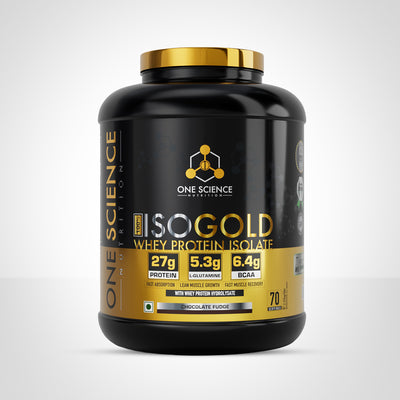
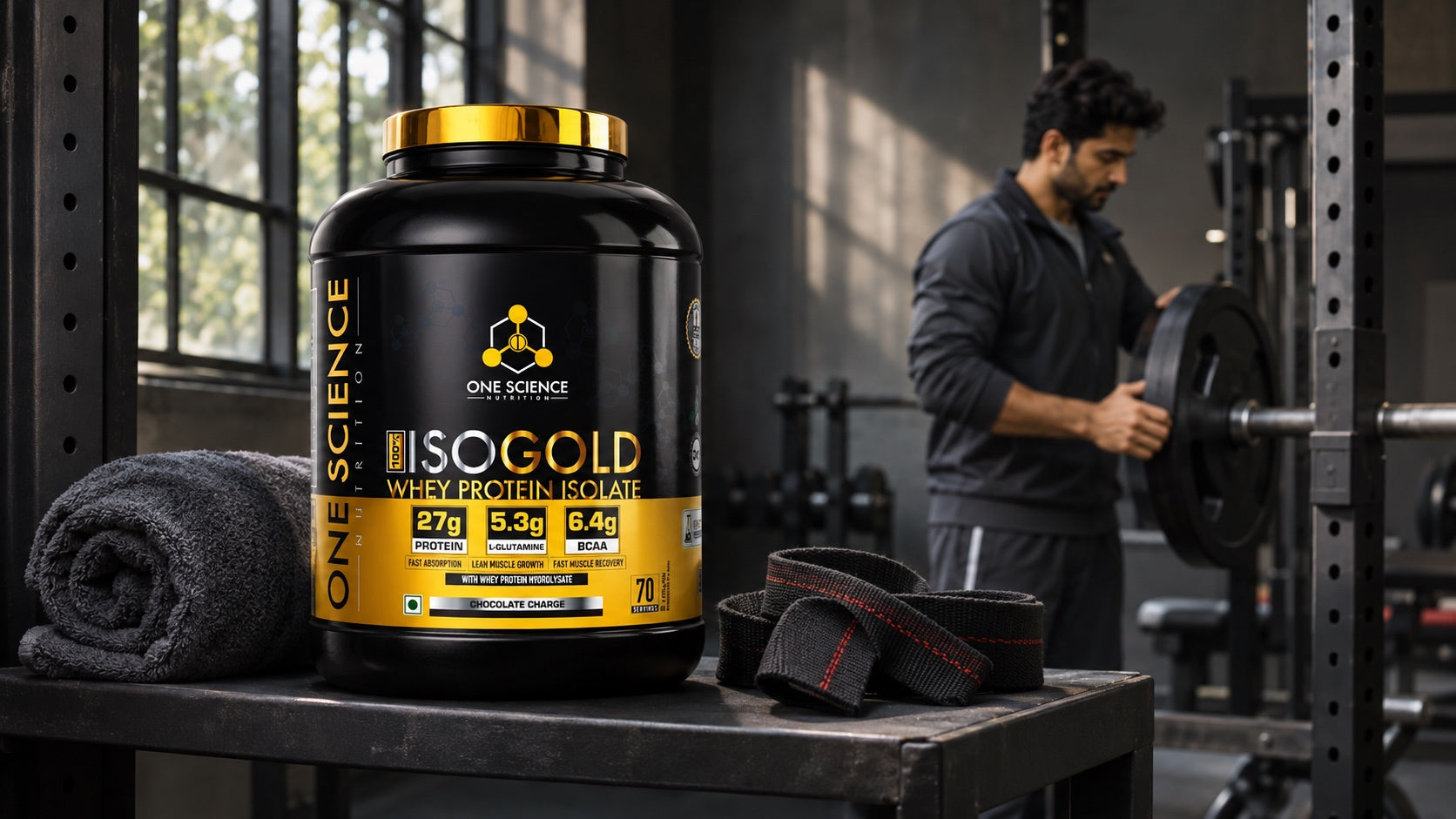
One Science Nutrition ISO Gold can help when an appropriate protein target is difficult to reach through meals. Its Chocolate Charge serving supplies 27 g of protein with 113 kcal. The product supports protein planning; it does not make a calorie deficit happen automatically or guarantee fat loss.
Protecting muscle changes the question
When losing weight, the aim is usually to reduce body fat while retaining as much useful muscle and training ability as possible. A lower number on the scale does not describe which tissues changed. That is why protein intake and resistance training deserve attention alongside the size and sustainability of the deficit.
The International Society of Sports Nutrition's protein guidance gives 1.4 to 2.0 g/kg/day for most healthy exercising people and discusses higher needs in some energy-restricted training contexts. Those specialist circumstances should not be turned into a compulsory high dose for every person trying to lose weight.
Start with the plan you can sustain. If you are cutting food sharply, struggling to train and repeatedly feeling unable to follow the diet, the solution may involve changing the deficit itself. Adding more protein powder does not automatically correct an overly restrictive approach.
Choose the weight and range with care
For a hypothetical 70 kg exercising adult, 1.4 to 2.0 g/kg/day produces a daily range of 98 to 140 g. The calculation is straightforward; choosing an appropriate point within it requires context. Training demands, food preferences and the overall diet all affect what makes sense.
Do not mix a recommendation expressed per kilogram of body weight with one expressed per kilogram of fat-free mass. Fat-free mass excludes body fat and gives a different denominator. Using the same multiplier with the wrong measurement can produce a misleading result even when the arithmetic is correct.
If you have a high starting body weight, ask a qualified dietitian whether current, target or adjusted weight is appropriate. A generic online calculator cannot make that choice reliably for every body size. Kidney disease, pregnancy and other clinical situations also require advice tailored to you.
What a demanding research diet does and does not show
In a 2016 trial led by Thomas Longland, 40 young men followed a substantial energy deficit for four weeks alongside resistance and high-intensity exercise six days a week. The group consuming 2.4 g/kg/day had more favourable lean-mass and fat-mass changes than the group consuming 1.2 g/kg/day.
That finding helps explain why protein receives attention during demanding fat-loss phases. It does not mean that copying the study's protein amount, large deficit and training volume is appropriate for a recreational gym member. The population, short duration and unusually intensive programme are part of the result.
Use research to understand the direction of planning, then make the plan appropriate to your own circumstances. A slower, manageable approach with consistent training may be more realistic than trying to reproduce a short supervised experiment without its support.
Count the food you are keeping
Before adding a shake, list the meals and portions that remain in your diet. People sometimes remove a substantial protein-containing meal to reduce calories, then buy several supplements to replace what was lost. Reviewing the meal itself may reveal a simpler adjustment.
Suppose an individually suitable target is 120 g and your planned food provides 93 g. One 27 g protein serving would bring the example total to 120 g. If your food already provides 118 g, however, the same full serving is not required just because you trained that day.
These are hypothetical meal totals. Use your actual recipes and food labels to estimate intake. Include the protein and energy in milk, sauces, snacks and mixed drinks where relevant. A plan that counts powder carefully while ignoring the rest of the drink is less precise than it appears.
Where One Science Nutrition ISO Gold can help
One Science Nutrition ISO Gold combines whey isolate and hydrolysed whey. The Chocolate Charge serving contains 27 g of protein in 32.5 g of powder, with 0.5 g of carbohydrate and 0.3 g of fat. Those serving amounts can be convenient when you want protein while leaving room for other foods within the day's energy plan.
For example, the 93 g food total above could include normal meals, fruit, vegetables and the other foods you enjoy. One Science Nutrition ISO Gold would cover the example protein difference without requiring another large cooked portion. It remains part of the diet rather than a reason to reduce meals to shakes.
Prepare the serving according to the pack and count what you mix into it. Water keeps the drink's nutrition close to the powder's listed contribution. Milk, nut butter and other additions change the total. Those ingredients can be useful, but their energy does not disappear because the drink contains protein.
Consider One Science Nutrition ISO Gold when this measured serving solves a regular gap. It is milk-derived and should not be used for milk allergy. It is not recommended for children or during pregnancy or lactation, and medical conditions require professional advice.
Do not confuse lower carbohydrate with better fat loss
A protein powder with a lower carbohydrate or fat amount may give you flexibility in meal planning. That does not establish a special fat-burning effect. The relevant question is how the complete diet works over time, including energy intake and whether you can follow it.
Mayo Clinic's guidance on protein shakes notes that adding shakes to an unchanged eating pattern can make weight loss harder because protein drinks contain calories. A shake should have a deliberate role within the plan.
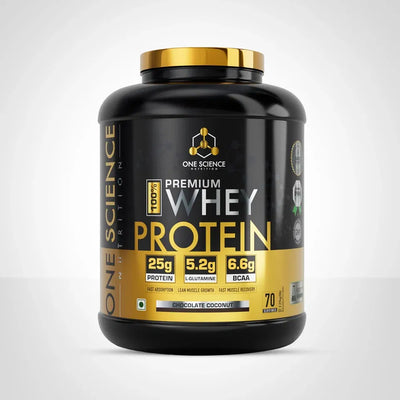
If you prefer a concentrate-and-isolate blend, One Science Nutrition Premium Whey is another option. Its Chocolate Charge serving supplies 25 g of protein and 117 kcal. Compare suitability, flavour preference and overall use instead of assuming that one whey type is mandatory during fat loss.
Review progress using more than one signal
One Science Nutrition Premium Whey contains milk and soy, so its allergen suitability also needs checking. For the broader calculation before adapting a fat-loss plan, read our guide to daily protein needs.
Track the eating pattern, training performance and changes in body weight over time. A single weigh-in can be influenced by ordinary short-term variation, so it should not trigger a complete change in protein intake. Look for a consistent pattern and discuss uncertain results with a qualified professional.
If weight is dropping while strength, energy and recovery are deteriorating, review the whole plan. Protein may be part of the discussion, but sleep, training load and the size of the deficit also deserve attention. Repeatedly increasing a supplement serving is not a reliable substitute for that assessment.
As body weight or training demands change meaningfully, revisit the target and food contribution together. Keep the parts of the plan that remain useful. If the protein gap still matches the named serving and you want a convenient isolate-based option, view One Science Nutrition ISO Gold and give it a clearly defined place in your day.