Cart
0
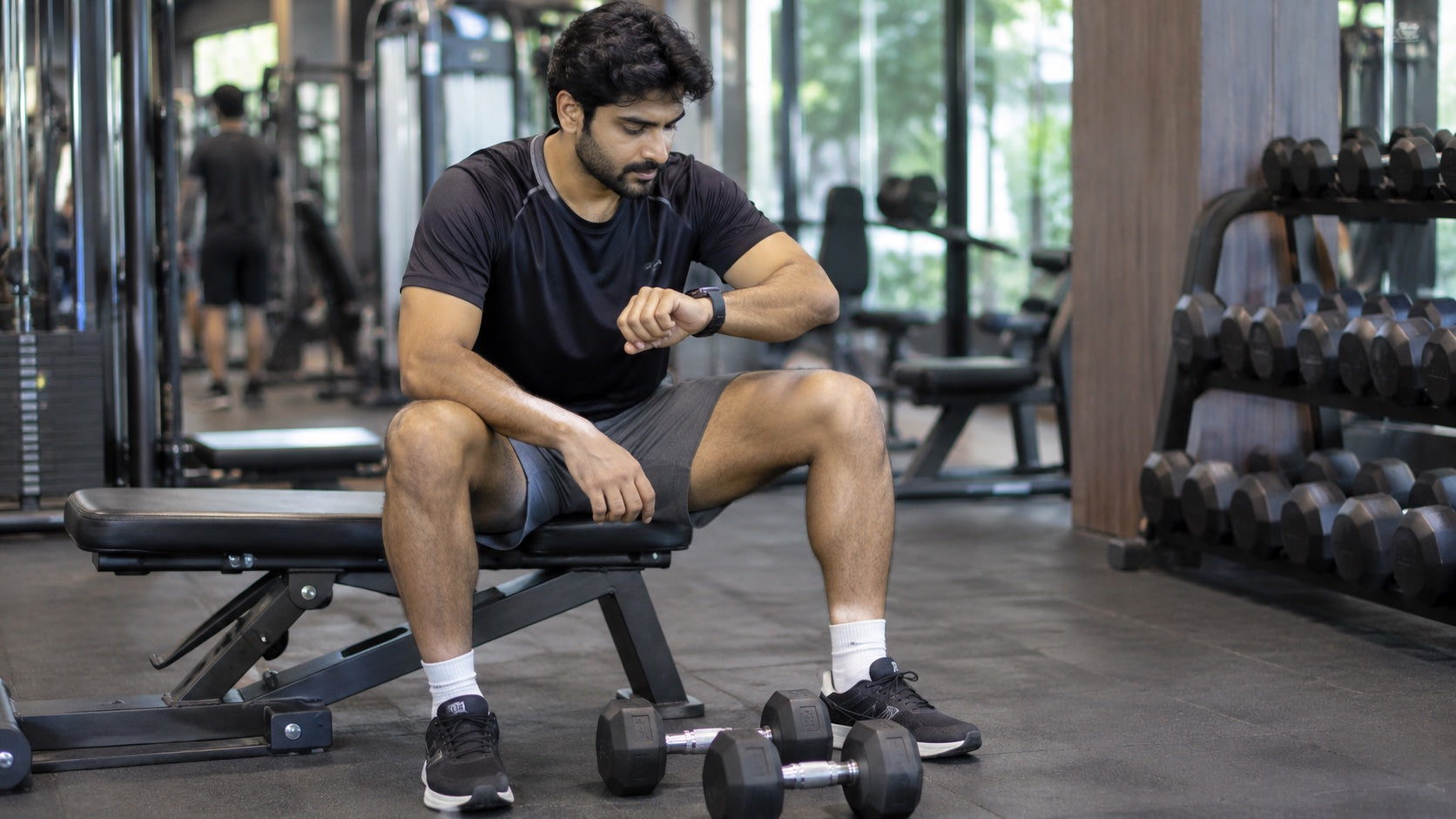
Take pre-workout according to its directions, with enough time for the relevant ingredients to work and enough distance from bedtime to protect your sleep. There is no single timing rule for every formula. For caffeine, about 60 minutes before exercise is common in research, but the source, serving, your response and the session all matter. A late workout may be a reason to skip a caffeinated product altogether.
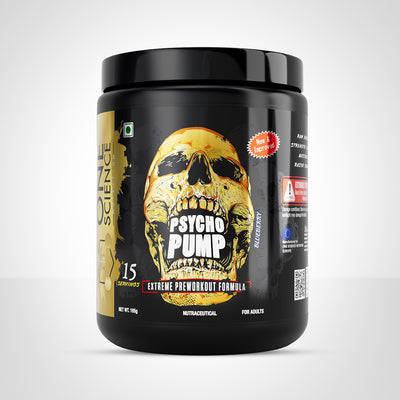
One Science Nutrition Psycho Pump is a pre-training option for adults who want a multi-ingredient formula. Its directions use an 11 g serving mixed with 200 ml water or juice before a workout, with no more than one serving a day. Because it contains caffeine as well as other ingredients, choosing a time means considering more than when you enter the gym.
Start with the workout and work backwards
Write down when the demanding part of training begins. Your commute, changing clothes and a gradual warm-up are different from your first hard set or interval. Someone who drinks a supplement at home and then spends an hour travelling has a different schedule from someone who mixes it at the gym door.
The International Society of Sports Nutrition caffeine position stand identifies 60 minutes before exercise as the most commonly used timing, while explaining that the caffeine source can change the appropriate interval. Treat that as research context, rather than a promise that every product peaks at precisely the same minute.
For a hypothetical 7 am session, an adult considering caffeine might check whether a pre-training serving around 6 am fits the product directions, breakfast and travel. That example explains the timetable; it does not establish a personal serving or require you to wake early for a supplement. If the arrangement disrupts sleep or breakfast, the routine needs reconsideration.
Your first trial should also be an ordinary training day. A competition, maximum-effort test or unfamiliar class leaves less room to discover that a product makes you uncomfortable. Keep the exercise, earlier food and other caffeine reasonably consistent so that your notes are meaningful.
Read the ingredients as separate jobs
The phrase pre-workout describes when a product is marketed for use. It does not mean every ingredient works through an immediate sensation. Some ingredients are studied through repeated intake, while caffeine is commonly considered for an effect around a particular session.
One Science Nutrition Psycho Pump includes 4 g beta-alanine, 2 g creatine monohydrate, 2 g L-arginine, 1 g L-citrulline and 850 mg L-tyrosine per 11 g serving. These are different ingredients with different research questions. Their presence does not prove that this finished formula delivers every outcome discussed in studies of separate ingredients.
This matters when you organise the rest of your supplements. If you already use creatine, the 2 g in One Science Nutrition Psycho Pump belongs in your daily total. Taking the pre-workout closer to your first set does not remove that overlap. A written list of products and serving amounts is more useful than remembering which tub is labelled for which time of day.
Feeling a product strongly is also a poor way to judge whether your routine is working. Do not increase the serving to chase a stronger sensation. Assess useful outcomes such as whether you completed the planned session comfortably, rather than treating a noticeable feeling as proof of muscle growth.
Bedtime can matter more than gym time
Caffeine timing has a second clock: the time until you intend to sleep. An evening training session can leave too little room between a caffeinated serving and bed, even when the serving is taken well before exercise.
A 2023 systematic review and meta-analysis of caffeine and sleep combined 24 studies and found adverse effects on subsequent sleep. Its estimates depended on the amount and timing of caffeine. It does not supply a universal personal cut-off, but it gives a good reason to consider a longer gap than simply avoiding caffeine immediately before bed.
Suppose you train at 8 pm and usually sleep at 11 pm. Moving the drink from 7.30 pm to 7 pm still leaves it close to bedtime. The useful decision may be to train without caffeine, rather than trying to solve the problem with a small change in minutes. Keep a record of falling asleep, waking during the night and next-morning tiredness alongside your training notes.
Count tea, coffee, energy drinks and other caffeine sources from the whole day. An afternoon coffee does not stop counting because the next drink comes from a sports nutrition tub. Avoid combining caffeinated products or adding another serving when you feel tired.
Fit food and fluid around the plan
Pre-workout does not replace a meal or make up for routinely arriving under-fuelled. If the session follows a long stretch without food, review the meal schedule first. A practical snack or earlier meal may solve a problem that a stimulant only makes less noticeable.
Tolerance matters too. A large meal immediately before vigorous exercise may feel uncomfortable, while an empty stomach may not suit someone else's routine. Give yourself a repeatable arrangement that you can test during normal training. Do not change breakfast, serving size and workout intensity together and then assume one ingredient explains the result.
The 200 ml mixing direction for One Science Nutrition Psycho Pump describes how to prepare its serving. It is not your complete fluid allowance for a hot training session. Keep drinking decisions separate and appropriate to thirst, conditions and exercise demands. Never swallow pre-workout powder dry.
If you miss the planned time, do not double the amount or use a second caffeinated product to catch up. You can complete the workout without that day's serving. Supplements should fit your routine without making every delayed session a dosing problem.
Decide whether the formula suits you
One Science Nutrition Psycho Pump offers a convenient way to use several pre-training ingredients in one measured serving. That convenience is most useful when you want the actual formula, can account for its caffeine and included creatine, and can place it comfortably in your day.
It is not suitable for everyone. The product excludes people under 18, pregnant or breastfeeding women and caffeine-sensitive individuals. Its guidance also calls for physician advice for conditions including heart disease, diabetes and thyroid disorders. If you take medication or have a medical condition, discuss the full ingredient list with your clinician before starting.
Stop using a product and seek appropriate medical advice if it causes concerning symptoms. Chest pain, fainting or severe palpitations need urgent assessment. Do not treat these as signs that a supplement is powerful or that you need to build tolerance.
Before buying, check One Science Nutrition Psycho Pump for the current serving, caffeine information, ingredients and warnings. Choose it because that specific formula fits a planned daytime session and your circumstances. A useful timetable protects the next night's sleep as carefully as it prepares you for the next workout.