Cart
0
Useful vegetarian protein sources for muscle building include soy foods, dals and beans, dairy where you eat it, and suitable protein powders when convenience is needed. The best choices supply enough protein in portions you can eat regularly while leaving room for a varied diet. They also need to work alongside resistance training and adequate overall food intake.
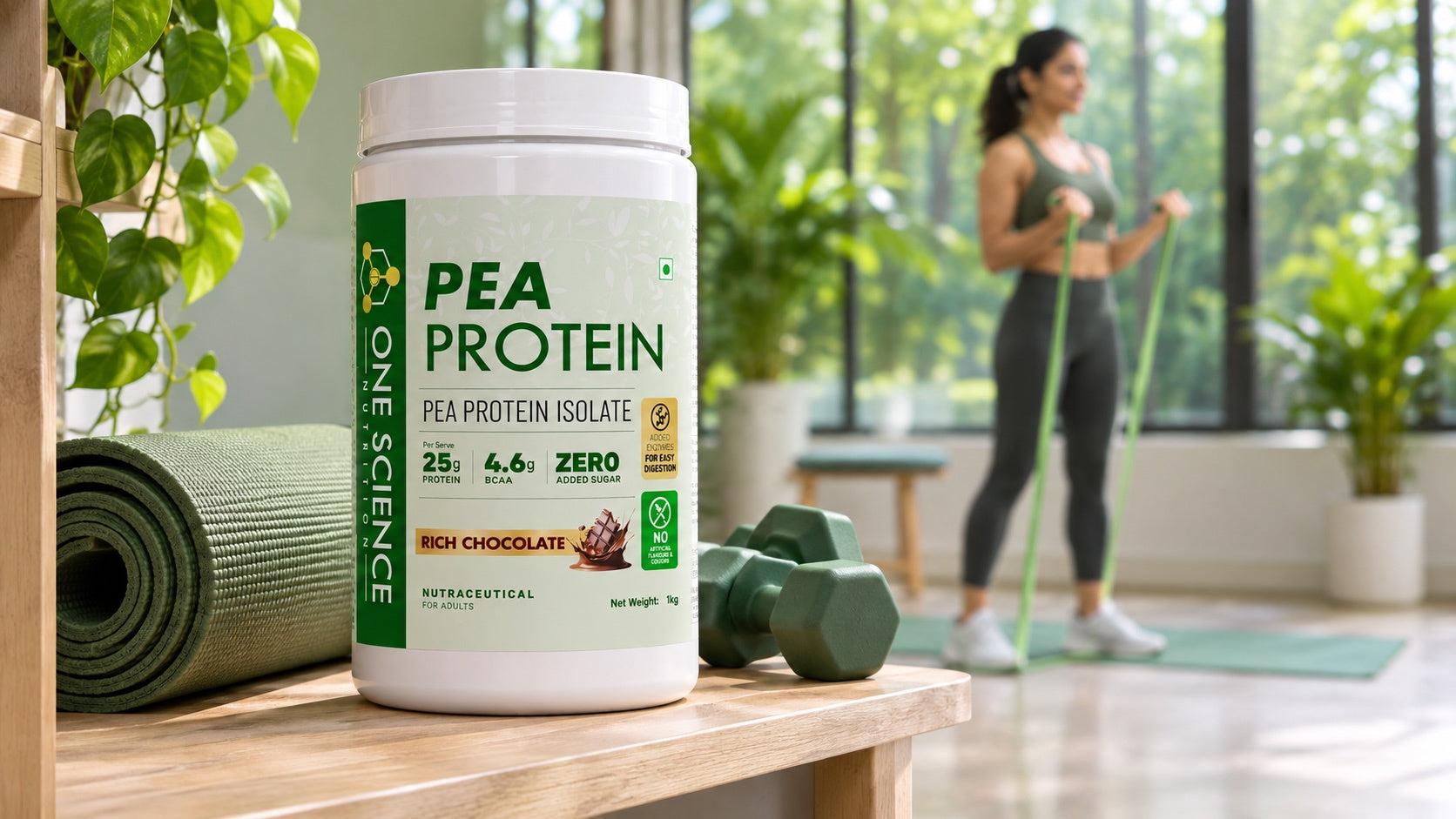
One Science Nutrition Pea Protein offers a plant-protein serving for days when another cooked portion is difficult. If you include dairy, One Science Nutrition Premium Whey is another option. These products provide different formats for a protein gap; neither is compulsory simply because you follow a vegetarian diet.
Choose by the portion you can use, not the reputation of the food
A protein source can be nutritionally useful and still be impractical for a particular meal. A food that requires advance soaking may work well at home but poorly during an unplanned office lunch. Another choice may be easy to buy but hard to eat in a substantial enough portion.
Judge foods using a few concrete questions. How much protein does your normal portion contain? Does the preparation fit your day? Does it agree with you? Can you buy it consistently? Those questions turn a long list of vegetarian protein sources into a shortlist you can actually use.
You also do not have to select one permanent winner. Keeping several suitable foods in rotation gives you more flexibility when appetite, availability or meal access changes. The most useful protein source at breakfast may not be the most convenient one after an evening session.
Soy foods offer several ways to build a main portion
Tofu, tempeh, soybeans and soy chunks offer different textures and preparation options. They can provide a substantial ingredient in dishes that might otherwise rely on grains with a small protein-containing side. Choose the food you enjoy and check its actual serving information.
Dry soy chunks and a tofu block should not be tracked with the same database entry. Processing and water content change the food, and brands can differ. Follow the packet's preparation directions rather than assuming that all soy products can be used in the same way.
If soy does not suit you because of allergy or another dietary restriction, choose from other appropriate sources. A muscle-building diet does not require ignoring a known reaction to a food. Get individual help when exclusions make the overall plan difficult to balance.
Dairy can be useful for lacto-vegetarians
Milk, curd, paneer and strained yogurt can all contribute protein where dairy is included. The practical choice depends on portion, preparation and the rest of your meals. A higher-protein yogurt and regular curd can have different serving figures, so read the actual label.
Paneer is one option rather than a requirement at every meal. Compare its protein and energy contribution with your needs and preferences, and keep other foods in rotation. Relying on one familiar ingredient can make a vegetarian diet less flexible than it needs to be.
Vegetarian and vegan also mean different things here. Whey is milk-derived and can fit some vegetarian diets, but it is not a vegan protein source. Making that distinction early prevents you from buying a product that conflicts with the eating pattern you intended to follow.
Dals and beans bring protein into familiar meals
Moong, masoor, rajma, chana and other pulses can make protein planning feel more familiar. They also work in many forms, from substantial curries to chilla and mixed dishes. The useful change is often increasing the role of the protein-containing ingredient within a meal you already enjoy.
Account for the actual recipe. A small amount of dal diluted into a large shared dish will not give every portion the same contribution as a thicker preparation with more pulses. Use dry ingredient amounts and realistic portion counts when estimating the protein in shared cooking.
Do not judge the entire day from one meal. Variety across eating occasions helps supply different amino acids and other nutrients. As Better Health Channel's vegetarian guidance explains, specific plant foods do not have to be combined at every single meal to provide a varied amino-acid intake across the day.
What muscle-building research can tell you
In a 2021 study led by Victoria Hevia-Larraín, 38 young men who were habitual vegans or omnivores completed 12 weeks of resistance training. Protein intake was adjusted to about 1.6 g/kg/day using soy or whey supplementation respectively. Both groups improved, with no between-group difference in the measured muscle and strength adaptations.
This supports the possibility of a well-planned plant-based approach in that study population. It does not show that every food or powder is interchangeable, and the study did not test One Science Nutrition products. Habitual diet groups, adequate intake and supervised training are all part of the context.
For your own routine, take the practical lesson without turning it into a brand guarantee. Select suitable sources, eat enough overall and follow a training programme that gives your muscles a reason to adapt. A single impressive food cannot replace that combination.
Where One Science Nutrition Pea Protein fits
One Science Nutrition Pea Protein provides 25 g of protein in a 40 g serving, with 5 g of fibre and approximately 154.5 kcal in the listed serving. It gives you a convenient plant-protein option when meal preparation or appetite makes another food portion difficult.
For example, suppose an appropriate daily plan calls for 115 g and your meals provide 90 g. One listed serving would bring the example total to 115 g. That is a calculation for a hypothetical day, not a universal muscle-building target or a reason to take extra servings beyond the pack directions.
The product can be useful as a planned snack or alongside a meal that needs more protein. It does not replace the need to consider vitamin B12, iron, calcium or the rest of a varied diet. Its plant-protein format addresses one part of the plan.
The page declares a facility that also processes milk, nuts and soy. The product is not recommended for children or pregnant or lactating women, and people with medical conditions should consult a professional. If this format suits you, explore One Science Nutrition Pea Protein and give the serving a specific place in the day.
A whey option for vegetarians who include dairy
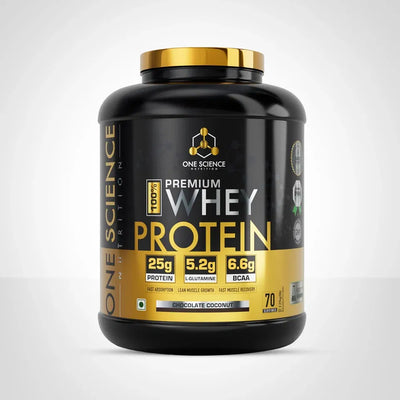
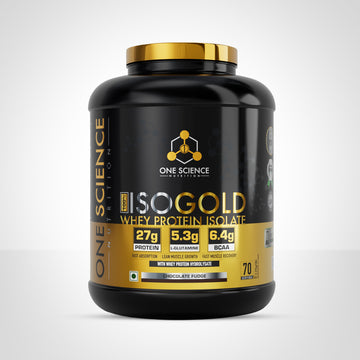
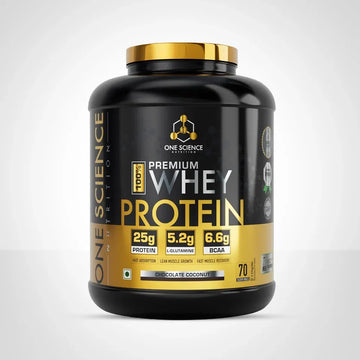
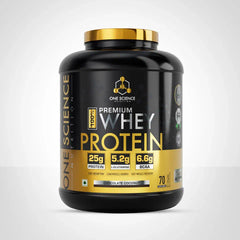
One Science Nutrition Premium Whey combines concentrate and isolate. Its Chocolate Charge serving contains 25 g of protein in 32.5 g of powder and contributes 117 kcal when mixed with water. Milk changes the final drink's nutrition, so include it in your calculation if used.
Choose between the plant and whey formats according to your dietary preferences, allergens and the way you intend to use them. The scoop weights differ even though these examples both provide 25 g of protein. Comparing the protein amount rather than the scoop's apparent size makes the choice clearer.
One Science Nutrition Premium Whey contains milk and soy and is not recommended for children or during pregnancy or lactation. For a dairy-inclusive adult diet with an identified gap, consider One Science Nutrition Premium Whey as a convenient alternative to another cooked portion.
Build a shortlist for your actual training week
If you want to compare sources beyond the gram count, our protein-quality guide explains the role of essential amino acids and digestibility.
Choose two or three substantial food sources you can rotate, then identify the meal most likely to become difficult. Keep grains, vegetables, fruit and other foods in the plan instead of allowing protein to crowd out the whole diet. Track the amounts you eat, rather than how many foods on a high-protein list you can include.
If a supplement solves the remaining convenience problem, use one appropriate option consistently. You can then spend more attention on training, regular meals and recovery instead of continually searching for a new best source. The useful choice is the one that supports the pattern you can maintain.